India’s 130 Million Voter Deletions: Inside the Election Commission Controversy

India is facing a growing political controversy over its electoral rolls after approximately 130 million names were removed during a nationwide voter-verification exercise. The Election Commission says the process is intended to remove ineligible entries. Opposition parties and youth activists, however, fear that eligible citizens could be disenfranchised, potentially affecting electoral outcomes. The dispute has now triggered protests across the country and a confrontation over a planned demonstration in New Delhi.

What is the Special Intensive Revision?

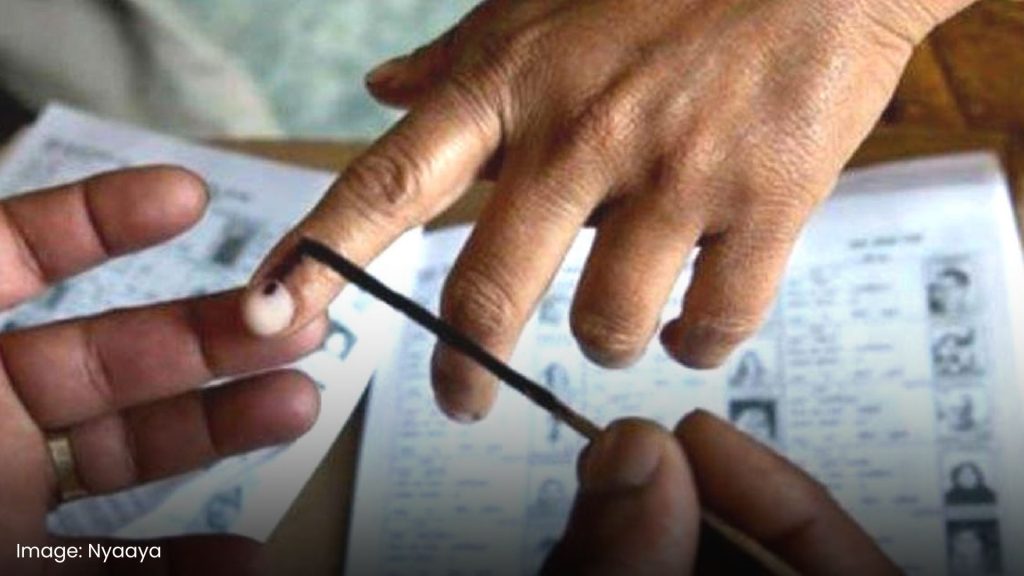
The controversy centres on the Election Commission’s Special Intensive Revision (SIR), an exercise to verify the eligibility of voters on India’s electoral rolls. It began in Bihar ahead of state elections in 2025 and subsequently expanded across most Indian states and federally administered territories.

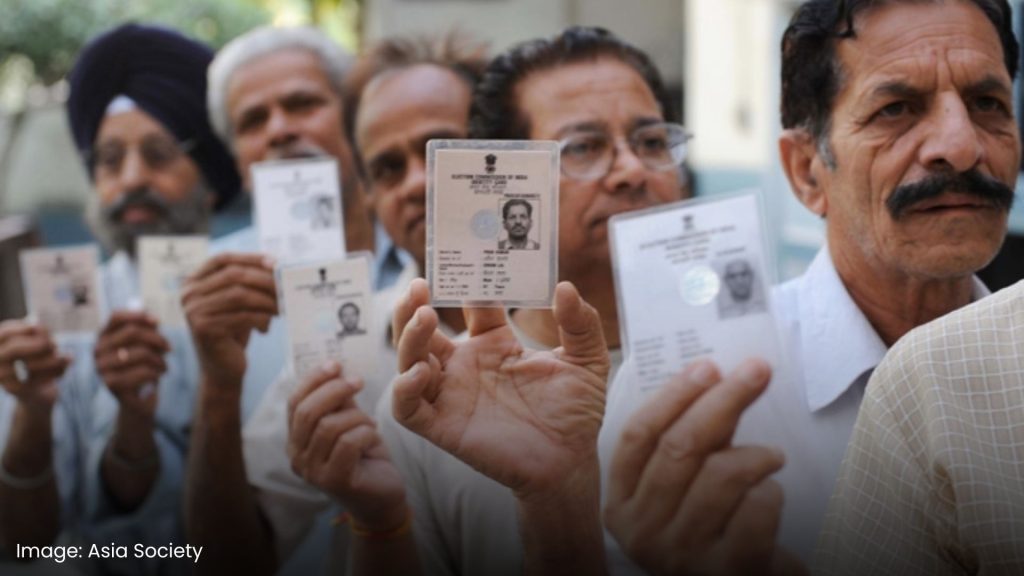
According to Election Commission data cited by the ruling Bharatiya Janata Party (BJP), around 130 million names have been deleted. The stated categories include approximately 28 million deceased voters, 63 million people who relocated, 10 million duplicate entries and 30 million people officials could not trace. The Commission argues that electoral rolls must be accurate and that the removal of ineligible entries is a legitimate administrative responsibility.

However, the number of deletions does not by itself establish how many eligible voters have been wrongly removed. The central dispute concerns the reliability of the verification process, the accessibility of the documentation requirements and the ability of affected citizens to restore their names before elections.

Why has the process triggered protests?

The controversy intensified after voters in states including Bihar and West Bengal reported finding their names missing from electoral rolls. Critics argue that people who have moved, lack particular documents or cannot navigate the appeals process may face difficulties proving their eligibility.

Opposition parties have also alleged that Muslim voters and other communities less likely to support the BJP have been disproportionately affected. They argue that large-scale deletions could influence election results in closely contested constituencies. The BJP and the Election Commission reject allegations of political manipulation, saying the revision is a lawful exercise to improve electoral accuracy.

The controversy is especially consequential because at least seven Indian states are expected to hold elections in 2027, including Uttar Pradesh, the country’s most populous state. Local media reports indicate that 13% of names were deleted during the verification exercise in Uttar Pradesh. Whether these deletions reflect valid corrections or wrongful exclusions is central to the dispute.

The questions raised inside the Election Commission

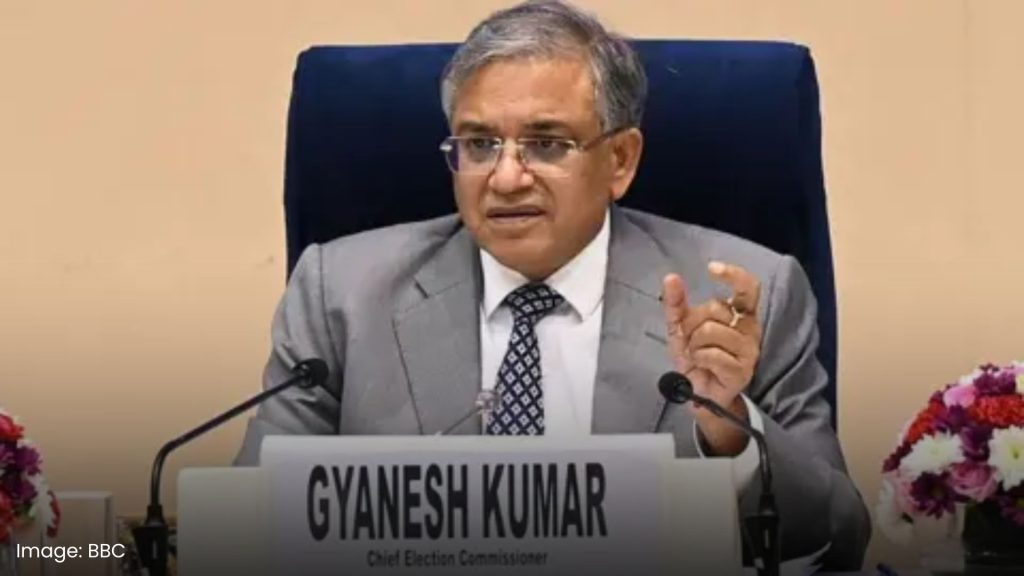
Scrutiny increased after The Indian Express reported that two senior election officials had raised concerns about voter-list revisions, registration procedures and digital systems. According to the report, the officials raised objections to Chief Election Commissioner Gyanesh Kumar at least 14 times over a period of 10 months.

The dispute has also reached the courts. India’s Supreme Court has sought responses from the government and the Election Commission over concerns surrounding the voter-list revision. That scrutiny adds another institutional dimension to the protests, although it does not itself establish that the deletions were politically directed.
Why is the Cockroach Janata Party mobilising?

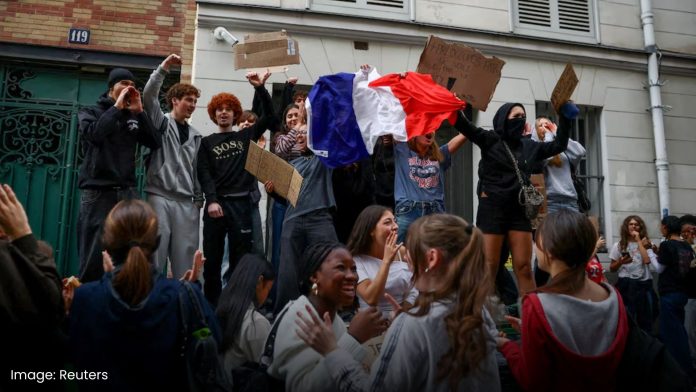
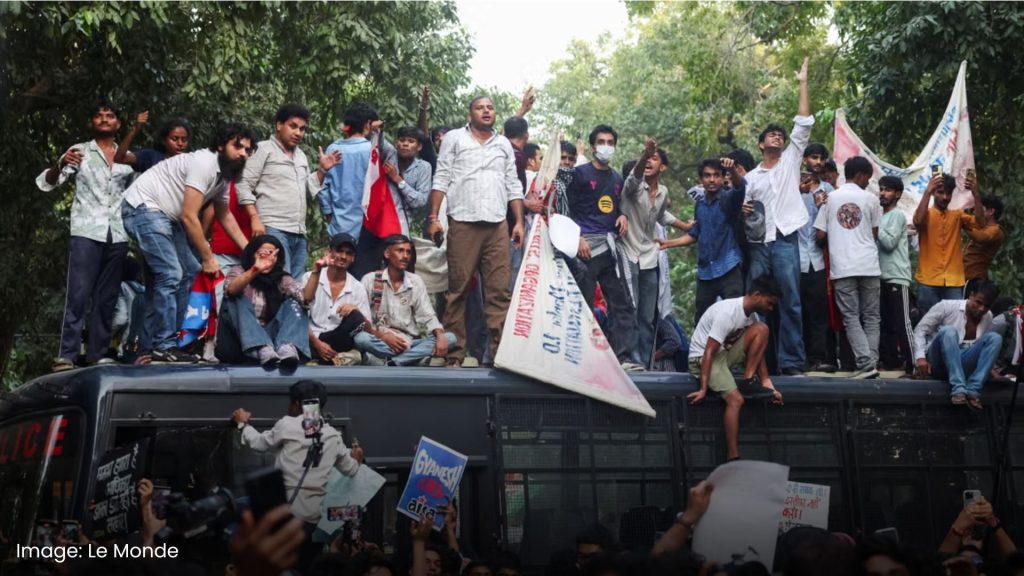
The youth-led Cockroach Janata Party (CJP) has emerged as one of the most visible forces in the demonstrations. The movement previously gained attention through protests over an examination scandal that contributed to the education minister’s resignation in July.

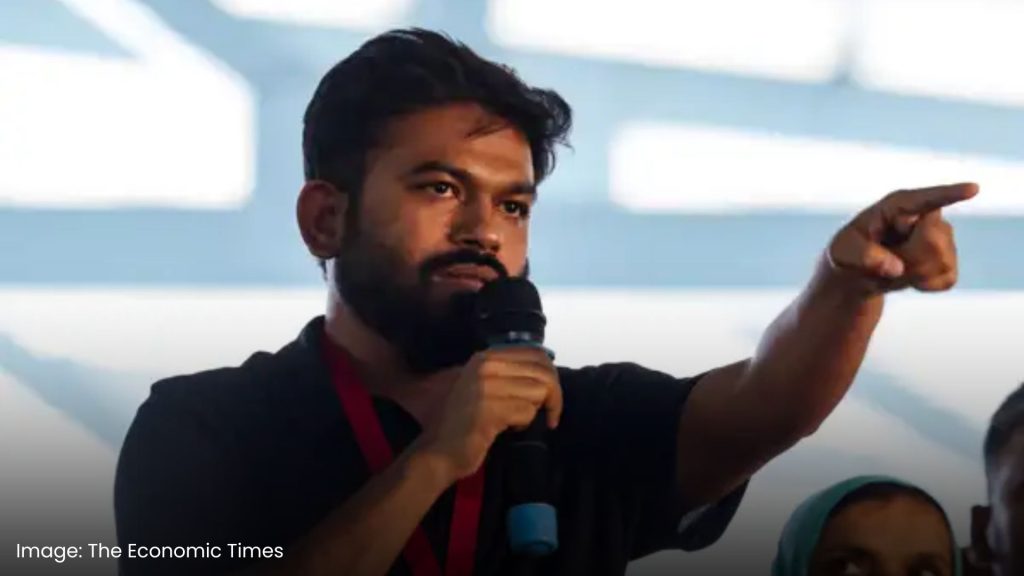
CJP leader Abhijeet Dipke has now called for a major protest in Delhi on October 10, demanding the resignation of Chief Election Commissioner Gyanesh Kumar. Opposition parties have also organised demonstrations and called for greater accountability over the revision process.

The planned protest has prompted a major security response. Associated Press reported that more than 23,000 police personnel were deployed across Delhi, while train services to two stations were cancelled and 57 Delhi Metro stations were closed amid restrictions intended to manage security and public movement. Authorities declined permission for the planned CJP demonstration, citing procedural and public-order concerns. CJP supporters, meanwhile, reported detentions of activists travelling towards the capital.

These developments have added a further question to the controversy: how can authorities maintain public order while protecting the right to peaceful political protest?

What happens to people whose names are deleted?

The Election Commission says people missing from draft electoral rolls can request inclusion and challenge a rejection. It has also announced changes to the verification process, including home visits by officials to collect documents and extensions to some deadlines.

But the practical significance of these measures depends on whether affected voters receive clear information, have sufficient time to submit the necessary documents and can appeal decisions before an election takes place. A right to vote is of limited practical value if an eligible citizen cannot successfully register in time to exercise it.
REFERENCE

https://www.bbc.com/news/articles/cmdx575lq49xo

https://timesofindia.indiatimes.com/short-videos/briefs/delhi-police-denies-permission-for-cjp-protest-on-october-10/videoshow/134833842.cms

https://www.theguardian.com/world/2026/oct/09/india-dehli-cockroach-party-weekend-demonstration-mass-detention
https://apnews.com/article/india-sir-cockroach-election-commission-gyanesh-protests-694330c5352fa82a79d889fb95ad2d44

India is facing a growing political controversy over its electoral rolls after approximately 130 million names were removed during a nationwide voter-verification exercise. The Election Commission says the process is intended to remove ineligible entries. Opposition parties and youth activists, however, fear that eligible citizens could be disenfranchised, potentially affecting electoral outcomes. The dispute has now triggered protests across the country and a confrontation over a planned demonstration in New Delhi.

What is the Special Intensive Revision?

The controversy centres on the Election Commission’s Special Intensive Revision (SIR), an exercise to verify the eligibility of voters on India’s electoral rolls. It began in Bihar ahead of state elections in 2025 and subsequently expanded across most Indian states and federally administered territories.

According to Election Commission data cited by the ruling Bharatiya Janata Party (BJP), around 130 million names have been deleted. The stated categories include approximately 28 million deceased voters, 63 million people who relocated, 10 million duplicate entries and 30 million people officials could not trace. The Commission argues that electoral rolls must be accurate and that the removal of ineligible entries is a legitimate administrative responsibility.

However, the number of deletions does not by itself establish how many eligible voters have been wrongly removed. The central dispute concerns the reliability of the verification process, the accessibility of the documentation requirements and the ability of affected citizens to restore their names before elections.

Why has the process triggered protests?

The controversy intensified after voters in states including Bihar and West Bengal reported finding their names missing from electoral rolls. Critics argue that people who have moved, lack particular documents or cannot navigate the appeals process may face difficulties proving their eligibility.

Opposition parties have also alleged that Muslim voters and other communities less likely to support the BJP have been disproportionately affected. They argue that large-scale deletions could influence election results in closely contested constituencies. The BJP and the Election Commission reject allegations of political manipulation, saying the revision is a lawful exercise to improve electoral accuracy.

The controversy is especially consequential because at least seven Indian states are expected to hold elections in 2027, including Uttar Pradesh, the country’s most populous state. Local media reports indicate that 13% of names were deleted during the verification exercise in Uttar Pradesh. Whether these deletions reflect valid corrections or wrongful exclusions is central to the dispute.

The questions raised inside the Election Commission

Scrutiny increased after The Indian Express reported that two senior election officials had raised concerns about voter-list revisions, registration procedures and digital systems. According to the report, the officials raised objections to Chief Election Commissioner Gyanesh Kumar at least 14 times over a period of 10 months.

The dispute has also reached the courts. India’s Supreme Court has sought responses from the government and the Election Commission over concerns surrounding the voter-list revision. That scrutiny adds another institutional dimension to the protests, although it does not itself establish that the deletions were politically directed.

Why is the Cockroach Janata Party mobilising?

The youth-led Cockroach Janata Party (CJP) has emerged as one of the most visible forces in the demonstrations. The movement previously gained attention through protests over an examination scandal that contributed to the education minister’s resignation in July.

CJP leader Abhijeet Dipke has now called for a major protest in Delhi on October 10, demanding the resignation of Chief Election Commissioner Gyanesh Kumar. Opposition parties have also organised demonstrations and called for greater accountability over the revision process.

The planned protest has prompted a major security response. Associated Press reported that more than 23,000 police personnel were deployed across Delhi, while train services to two stations were cancelled and 57 Delhi Metro stations were closed amid restrictions intended to manage security and public movement. Authorities declined permission for the planned CJP demonstration, citing procedural and public-order concerns. CJP supporters, meanwhile, reported detentions of activists travelling towards the capital.

These developments have added a further question to the controversy: how can authorities maintain public order while protecting the right to peaceful political protest?

What happens to people whose names are deleted?

The Election Commission says people missing from draft electoral rolls can request inclusion and challenge a rejection. It has also announced changes to the verification process, including home visits by officials to collect documents and extensions to some deadlines.

But the practical significance of these measures depends on whether affected voters receive clear information, have sufficient time to submit the necessary documents and can appeal decisions before an election takes place. A right to vote is of limited practical value if an eligible citizen cannot successfully register in time to exercise it.
REFERENCE
https://www.bbc.com/news/articles/cmdx575lq49xo

https://timesofindia.indiatimes.com/short-videos/briefs/delhi-police-denies-permission-for-cjp-protest-on-october-10/videoshow/134833842.cms

https://www.theguardian.com/world/2026/oct/09/india-dehli-cockroach-party-weekend-demonstration-mass-detention
https://apnews.com/article/india-sir-cockroach-election-commission-gyanesh-protests-694330c5352fa82a79d889fb95ad2d44
spot_img

Explore more

spot_img
Global Affairs

A Mosque Set on Fire in the West Bank: Who Is...

Beyond the Harvest: How Gaza’s Olive Trees Became a Symbol of...

Oil as a Weapon: Saudi Arabia’s Warning to Sanaa and the...

Zaporizhzhia Under Fire: Civilian Deaths Amid Renewed Efforts to End the...

UN Warns Gaza Faces a Dangerous Winter as Shelter Needs Remain...

From France to Belgium: Why Students Are Taking to the Streets...

Oleshky: When Starvation Becomes a Weapon of War

Al-Aqsa, the Ibrahimi Mosque and the Struggle Over Religious Access