Nearly two million Pal.stinians in Gaza urgently need shelter assistance ahead of winter, according to the UN’s International Organization for Migration (IOM). The agency warns that heavier rainfall associated with an intensified El Niño weather pattern could increase the risk of flooding in a territory where infrastructure has been devastated and millions are living in inadequate conditions.
The warning is particularly serious because only around 17% of identified winter shelter needs have been met. For families already displaced by w.r, the approaching winter could bring another threat to their safety and survival.
Millions Exposed to the Elements
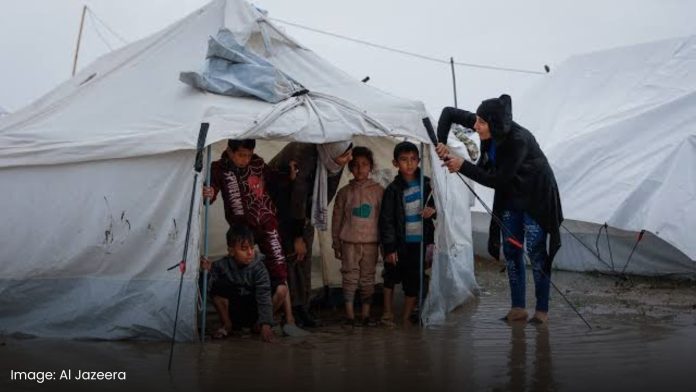
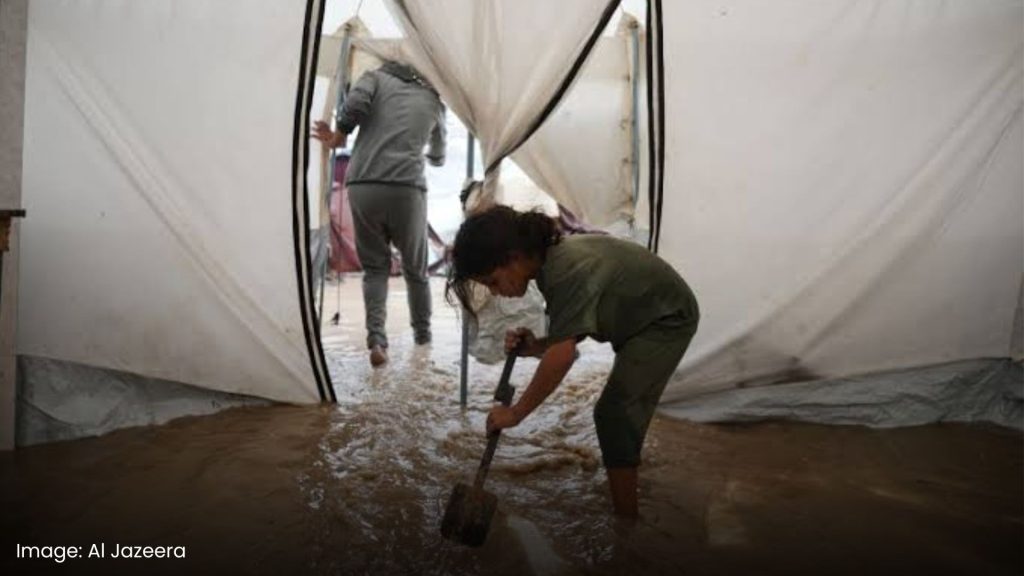
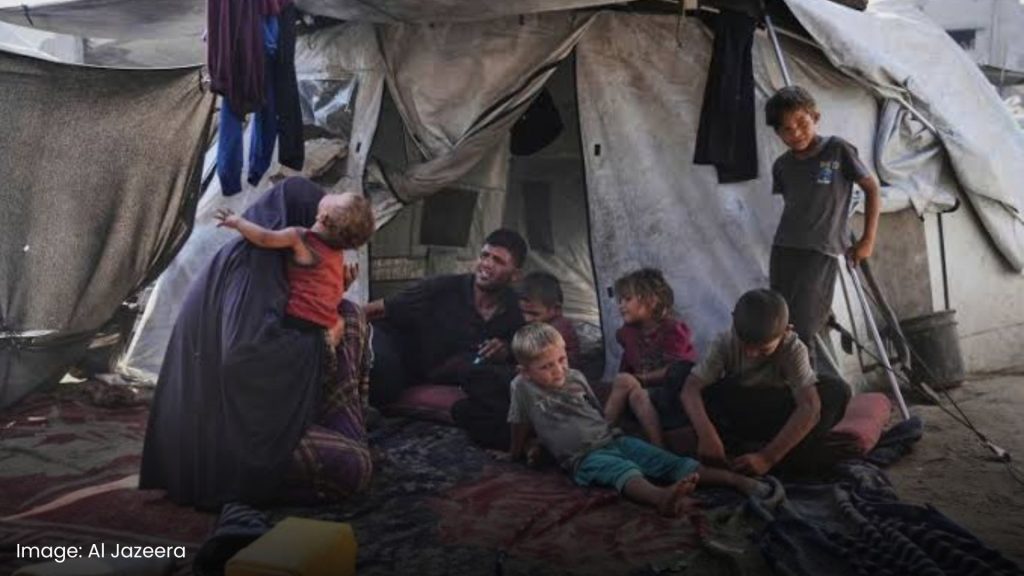
Around 1.8 million people are living in displacement sites, most in areas vulnerable to flooding. The IOM reports that more than half of Gaza’s tents and makeshift shelters are in poor condition and need replacing.
These shelters offer limited protection against heavy rain and cold. Floodwater can soak bedding, destroy belongings and leave families without a dry place to sleep. In overcrowded camps with damaged drainage systems, flooding can also worsen sanitation conditions and increase health risks.
Damaged Buildings Create Further Danger
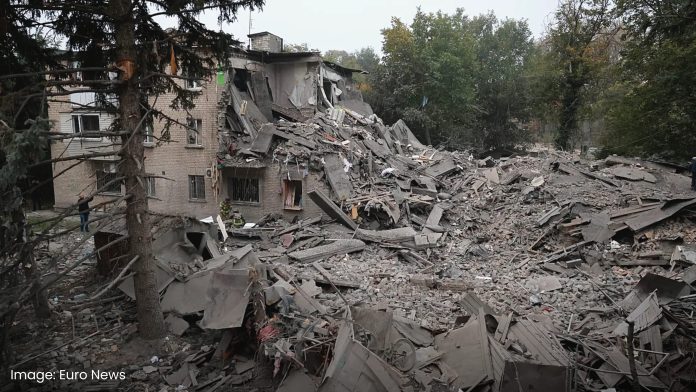
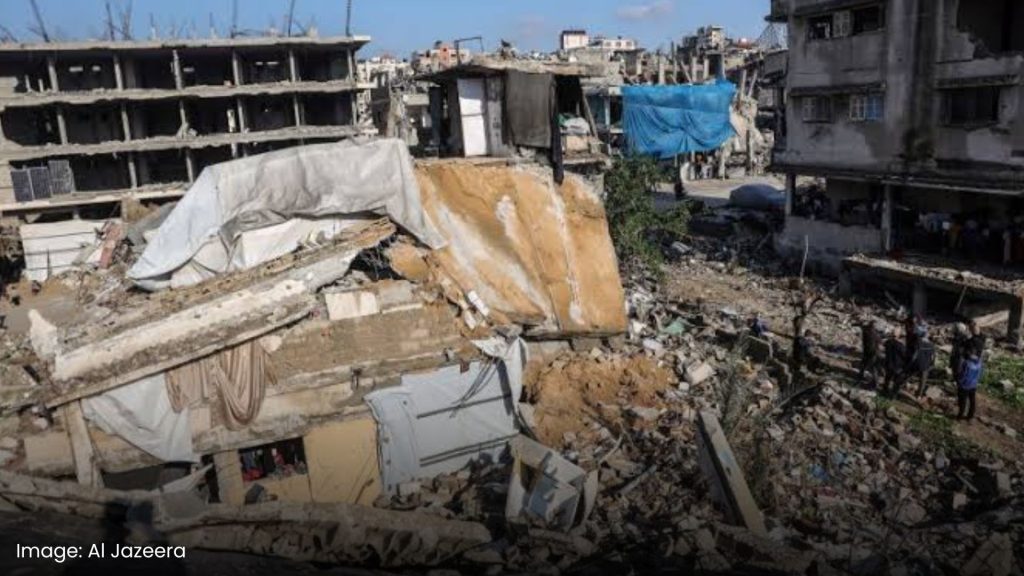
The shelter shortage is also pushing people towards damaged structures. According to the IOM, more than 3,600 buildings were identified in August as dangerous and at risk of collapse.
Heavy rainfall could further threaten unstable buildings, leaving families caught between inadequate tents and potentially unsafe structures. The lack of safe alternatives makes the need for emergency shelter even more pressing.
Essential Materials Remain Scarce
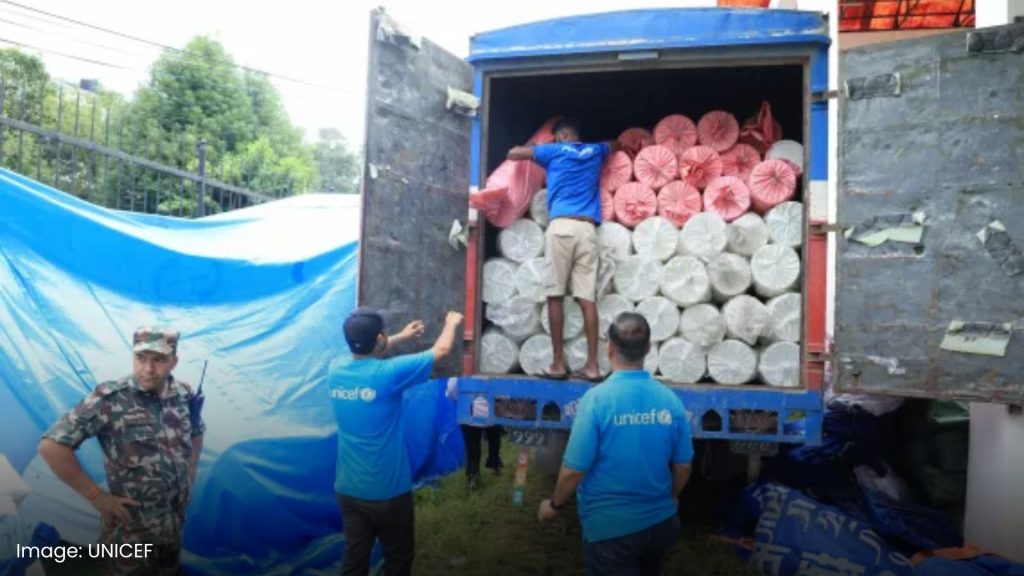
The IOM says 8,600 emergency shelter kits containing wood, tarpaulins and basic materials have not been allowed into Gaza after being classified as potentially having dual-use applications. Israeli authorities cite security concerns for restrictions on certain goods, while the UN agency says these constraints make it harder to scale up its response.
Although some tents and tarpaulins have entered Gaza, the IOM warns that available supplies are insufficient for the scale of need. Materials must reach families in time to reinforce shelters and reduce the danger posed by heavy rainfall.
Urgent Action Is Needed Before Winter Worsens
The warning is not simply about uncomfortable weather. It concerns the safety of people who have already endured displacement and devastating losses. Without adequate shelter, flooding and cold could expose families to further harm, while damaged buildings create additional risks.
The immediate priorities are clear: deliver sufficient shelter materials, provide safer accommodation for people living in dangerous structures, and ensure humanitarian agencies can reach those in need.
The IOM has warned that families must be able to face winter in safety and dignity. That requires action before severe weather arrives, not after the damage has been done. When a UN agency warns that almost an entire population needs shelter, the scale of the crisis demands urgent attention. For Gaza’s displaced families, adequate shelter is not a comfort. It is essential protection for their lives.
REFERENCE