Zaporizhzhia Under Fire: Civilian Deaths Amid Renewed Efforts to End the Ukraine W*r

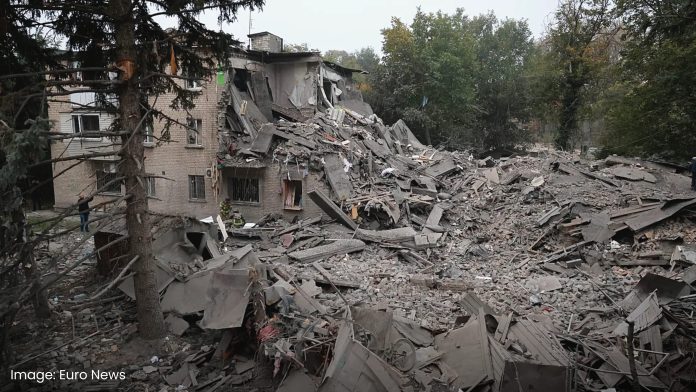
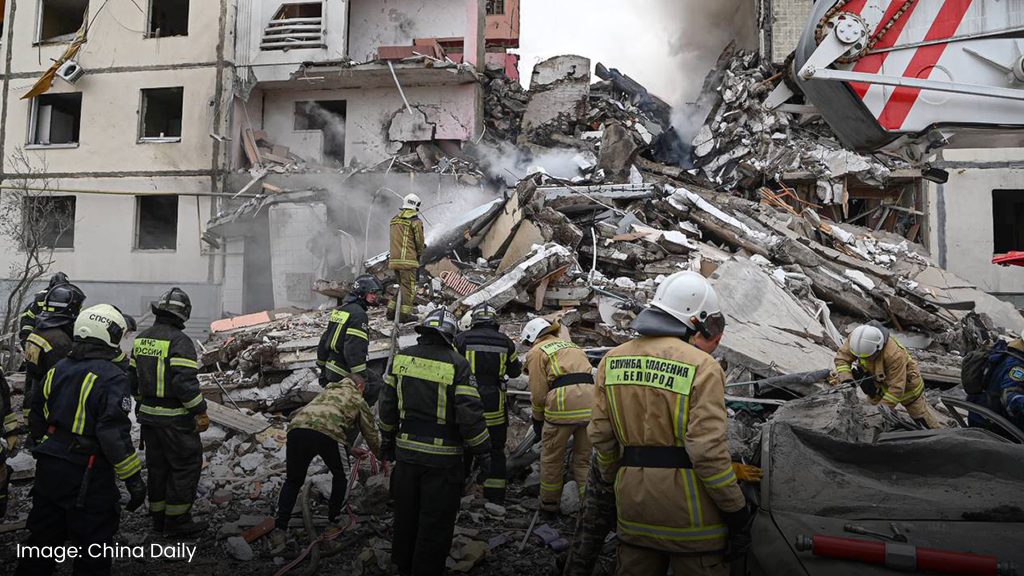
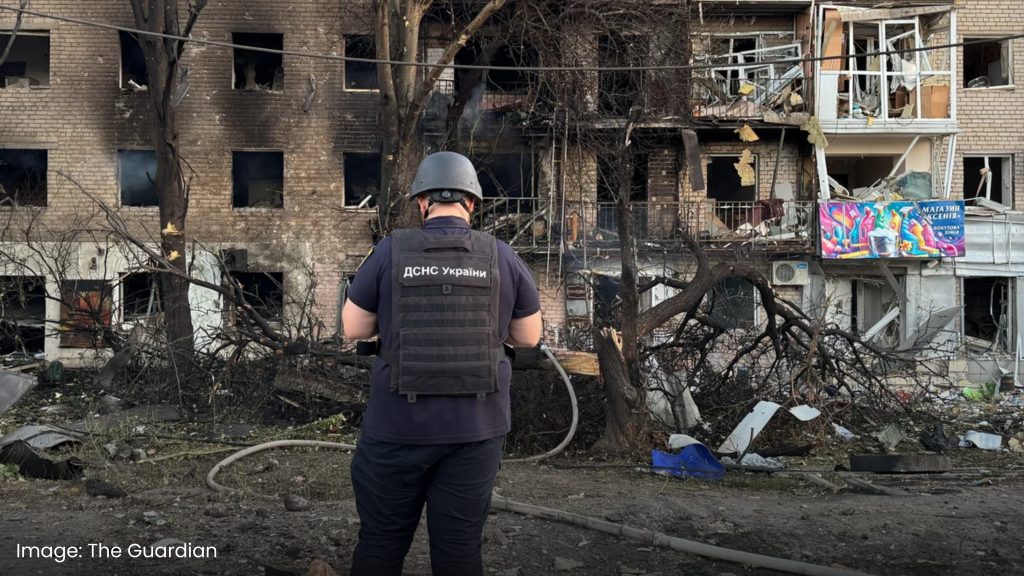
A Russian att*ck on Zaporizhzhia, a major city in southern Ukraine, k*lled 20 people, including three children, on October 10, according to reports published after the initial casualty figures. Regional officials initially reported seven de*ths and 10 injuries as rescue teams searched for people trapped beneath the rubble.

Several locations were hit in the early hours of the morning. The att*ck has once again drawn attention to the dangers faced by civilians as Russia’s war against Ukraine continues.
Why Zaporizhzhia?

Zaporizhzhia has been a regular target of Russian bombardment, with att*cks intensifying in recent months. Its location in southern Ukraine places it within a region heavily affected by the conflict. However, reports have not established the specific military objective behind the October 10 attack.

Ukrainian President Volodymyr Zelenskyy said Russia dropped five glide b*mbs on residential buildings. That statement reflects Ukraine’s account of the strike, but the precise circumstances and intended targets require independent evidence. What is clear from the reported destruction is that civilians in the city continue to face serious risks from aerial att*cks.

The strike also formed part of a wider wave of viol*nce. Reports described it as the third mass-casualty attack in Ukraine that week, following de*dly strikes in other cities. Such attacks leave families grieving, homes damaged and emergency responders working under immense pressure.

Diplomacy Without a Settlement

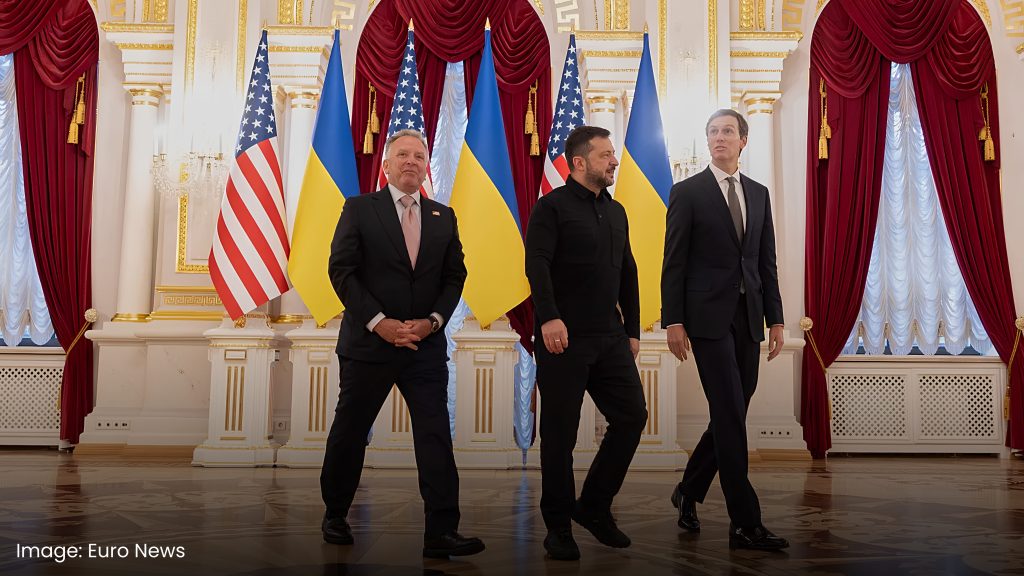
The att*ck came as US, Ukrainian and European officials met in Miami to discuss proposals for ending the w*r. The discussions addressed energy security, grain exports, security guarantees and Ukraine’s post-w*r reconstruction. US envoy Steve Witkoff described the talks as constructive.

Yet the diplomatic process remains fragile. Russian President Vladimir Putin said an immediate resumption of peace talks was unlikely, while US Secretary of State Marco Rubio warned that a prolonged stalemate could lead to further escalation.

The att*ck also occurred amid controversy over a US decision to lift sanctions on Russian diesel exports. Zelenskyy argued that easing pressure on Moscow could encourage continued fighting. The timing has intensified political debate, but the available reporting does not establish that the sanctions decision caused or directly prompted the Zaporizhzhia strike.

The Civilian Cost

For residents, the consequences are immediate and personal. Residential buildings can become sites of mass casualties, while survivors face injury, displacement and the loss of family members. Repeated att*cks also undermine any sense of security, even for people living away from active front lines.

International humanitarian law requires parties to distinguish civilians from combatants and prohibits deliberately targeting civilians. The impact of an att*ck on a residential building is grave, but a legal determination requires evidence about the target, the circumstances and the precautions taken.

The latest de*ths underline the gap between efforts to negotiate an end to the w*r and the reality experienced by civilians. Diplomacy remains essential, but it must lead towards a settlement that reduces violence and provides credible security for the population.

Until that happens, communities such as Zaporizhzhia remain vulnerable to further attacks. The question is no longer only when negotiations will produce an agreement, but how civilians can be protected while the war continues.
REFERENCE
https://www.bbc.com/news/articles/cwvgdpv642g5o
https://www.ukrinform.net/rubric-ato/4173122-russian-guided-bomb-attack-on-zaporizhzhia-kills-20-injures-32.html

A Russian att*ck on Zaporizhzhia, a major city in southern Ukraine, k*lled 20 people, including three children, on October 10, according to reports published after the initial casualty figures. Regional officials initially reported seven de*ths and 10 injuries as rescue teams searched for people trapped beneath the rubble.

Several locations were hit in the early hours of the morning. The att*ck has once again drawn attention to the dangers faced by civilians as Russia’s war against Ukraine continues.

Why Zaporizhzhia?

Zaporizhzhia has been a regular target of Russian bombardment, with att*cks intensifying in recent months. Its location in southern Ukraine places it within a region heavily affected by the conflict. However, reports have not established the specific military objective behind the October 10 attack.

Ukrainian President Volodymyr Zelenskyy said Russia dropped five glide b*mbs on residential buildings. That statement reflects Ukraine’s account of the strike, but the precise circumstances and intended targets require independent evidence. What is clear from the reported destruction is that civilians in the city continue to face serious risks from aerial att*cks.

The strike also formed part of a wider wave of viol*nce. Reports described it as the third mass-casualty attack in Ukraine that week, following de*dly strikes in other cities. Such attacks leave families grieving, homes damaged and emergency responders working under immense pressure.

Diplomacy Without a Settlement

The att*ck came as US, Ukrainian and European officials met in Miami to discuss proposals for ending the w*r. The discussions addressed energy security, grain exports, security guarantees and Ukraine’s post-w*r reconstruction. US envoy Steve Witkoff described the talks as constructive.

Yet the diplomatic process remains fragile. Russian President Vladimir Putin said an immediate resumption of peace talks was unlikely, while US Secretary of State Marco Rubio warned that a prolonged stalemate could lead to further escalation.

The att*ck also occurred amid controversy over a US decision to lift sanctions on Russian diesel exports. Zelenskyy argued that easing pressure on Moscow could encourage continued fighting. The timing has intensified political debate, but the available reporting does not establish that the sanctions decision caused or directly prompted the Zaporizhzhia strike.

The Civilian Cost

For residents, the consequences are immediate and personal. Residential buildings can become sites of mass casualties, while survivors face injury, displacement and the loss of family members. Repeated att*cks also undermine any sense of security, even for people living away from active front lines.

International humanitarian law requires parties to distinguish civilians from combatants and prohibits deliberately targeting civilians. The impact of an att*ck on a residential building is grave, but a legal determination requires evidence about the target, the circumstances and the precautions taken.

The latest de*ths underline the gap between efforts to negotiate an end to the w*r and the reality experienced by civilians. Diplomacy remains essential, but it must lead towards a settlement that reduces violence and provides credible security for the population.

Until that happens, communities such as Zaporizhzhia remain vulnerable to further attacks. The question is no longer only when negotiations will produce an agreement, but how civilians can be protected while the war continues.

REFERENCE

https://www.bbc.com/news/articles/cwvgdpv642g5o
https://www.ukrinform.net/rubric-ato/4173122-russian-guided-bomb-attack-on-zaporizhzhia-kills-20-injures-32.html
spot_img

Explore more

spot_img
Global Affairs

A Mosque Set on Fire in the West Bank: Who Is...

Beyond the Harvest: How Gaza’s Olive Trees Became a Symbol of...

Oil as a Weapon: Saudi Arabia’s Warning to Sanaa and the...

UN Warns Gaza Faces a Dangerous Winter as Shelter Needs Remain...

India’s 130 Million Voter Deletions: Inside the Election Commission Controversy

From France to Belgium: Why Students Are Taking to the Streets...

Oleshky: When Starvation Becomes a Weapon of War

Al-Aqsa, the Ibrahimi Mosque and the Struggle Over Religious Access