Is the US-Venezuela Oil Deal Really About Gas Prices, or a Bigger Geopolitical Chess Move?

The Venezuela Oil Deal Isn’t Really About Gas Prices, Here’s What It’s Actually For

Maryam Tariq

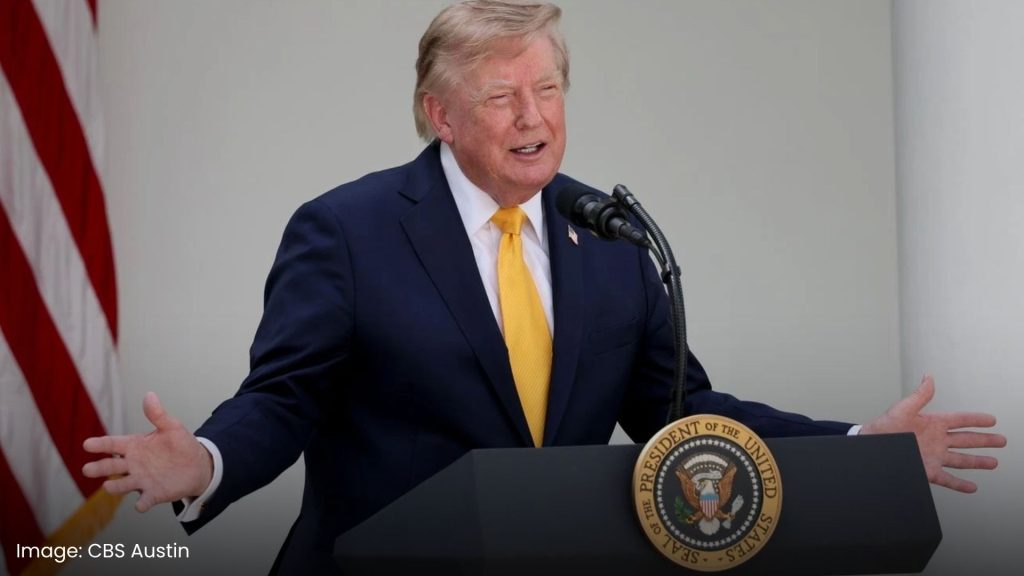
President Trump announced Friday that the United States has entered what he called the biggest oil deal in world history, securing majority US control over more than 65 billion barrels of Venezuela’s proven oil reserves. The announcement leaned heavily on gas price relief, arriving just two months before the US midterm elections with national gas prices sitting above 4 dollars a gallon. But a closer look at the deal’s actual structure and timeline suggests something else is really driving it.
What the Deal Actually Says

The agreement, negotiated by Secretary of State Marco Rubio and Secretary of War Pete Hegseth alongside Venezuela’s interim president Delcy Rodríguez, establishes a joint venture between the US government and a private Venezuelan operator. The US secures a 55 percent effective share of output, split between equity ownership and guaranteed oil purchased at cost, oil that officials say will go toward refilling the depleted US Strategic Petroleum Reserve and supplying the military. Rodríguez granted the venture 100-year concessions covering fields with 65 billion barrels of proven reserves, and said Venezuela would earn roughly 19 dollars for every barrel produced and sold to the US, an estimated 209 billion dollars a year, while insisting Venezuela retains full sovereignty over its natural resources.

Why the Gas Price Framing Doesn’t Hold Up

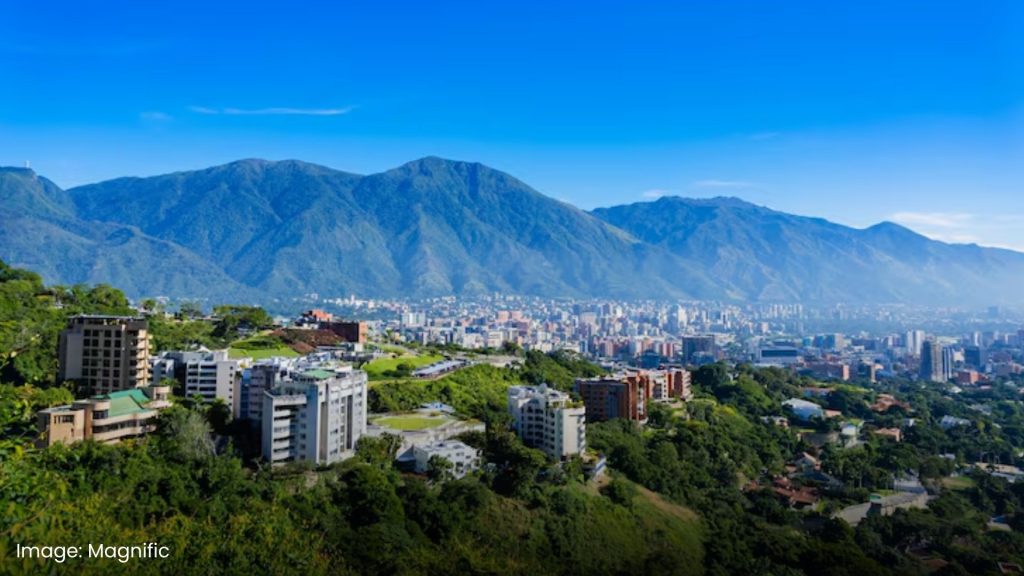
Despite Trump’s emphasis on lowering prices at the pump, energy experts have been quick to push back on that specific claim. Paasha Mahdavi, an associate professor of political science at UC Santa Barbara who studies the oil industry, said his initial reaction of excitement faded once he examined the details, concluding the deal may not actually do anything in the near term. Forbes energy analysis was even more direct, stating plainly that the deal is not about today, and not about near-term impacts on gas prices, since developing Venezuela’s largely untapped heavy crude fields realistically takes seven to ten years given the country’s severely dilapidated infrastructure, which currently limits it to producing only about 1 percent of global oil output despite holding 17 percent of the world’s proven reserves.

What Actually Set the Deal in Motion

The agreement doesn’t exist in a vacuum. It arrives eight months after US forces captured and removed Venezuela’s former president Nicolás Maduro in January, an intervention that directly cleared the political path for this kind of large-scale resource agreement. Since then, Washington has actively worked to secure Venezuelan crude for US refineries while encouraging broader American investment in the country’s energy sector, an effort that only became possible once the previous government, hostile to exactly this kind of Western access, was removed.

The Real Strategic Target

According to Forbes’ analysis, the deal’s true purpose sits closer to geopolitics than gas station price boards. It’s described as a long-term strategic play for American energy security, aimed at offsetting future declines in domestic shale production, diversifying US import sources away from an increasingly China-aligned Canada, and directly countering the growing influence China and Russia have built in Venezuela over the past decade. Establishing a century-long US foothold in the country holding the largest proven oil reserves on Earth accomplishes exactly that kind of long-range positioning, regardless of whether it moves prices at the pump anytime soon.

The Pushback

Not everyone is convinced this is the win the administration is presenting. Senate Democrat Chris Van Hollen said plainly that the deal isn’t a win, and reporting from Fortune found Venezuelans themselves have criticized their own government for handing over such a large share of the country’s most valuable natural resource, even with promised investment attached.

What This Means Going Forward

Taken together, the deal’s actual terms, a century-long concession, a seven-to-ten-year development timeline, and its direct link to the removal of a previous government hostile to Western access, point toward a long-range geopolitical positioning move rather than a genuine response to this year’s gas prices. The pump price framing may be what sells the deal publicly, but the strategic logic behind it appears to run on a much longer, and much more geopolitical, timeline entirely.

Sources:

·  Trump announces “historic” US-Venezuela oil deal that he says will lower gas prices — ABC News: https://abcnews.com/International/trump-announces-historic-us-venezuela-oil-deal-lower/story?id=136046002

·  Trump says US reaches deal with Venezuela to control 65 billion barrels of country’s oil reserves — CNN: https://www.cnn.com/2026/08/28/politics/trump-venezuela-oil-deal

·  The US Venezuela oil deal won’t lower your gas prices, here’s what you need to know — NPR: https://www.npr.org/2026/08/31/nx-s1-5949407/us-venezuelan-oil-deal

·  What the US-Venezuela Oil Deal Is, and Is Not, About — Forbes: https://www.forbes.com/sites/davidblackmon/2026/08/30/what-us-venezuela-oil-deal-is–and-is-notabout/

The Venezuela Oil Deal Isn’t Really About Gas Prices, Here’s What It’s Actually For

Maryam Tariq

President Trump announced Friday that the United States has entered what he called the biggest oil deal in world history, securing majority US control over more than 65 billion barrels of Venezuela’s proven oil reserves. The announcement leaned heavily on gas price relief, arriving just two months before the US midterm elections with national gas prices sitting above 4 dollars a gallon. But a closer look at the deal’s actual structure and timeline suggests something else is really driving it.

What the Deal Actually Says

The agreement, negotiated by Secretary of State Marco Rubio and Secretary of War Pete Hegseth alongside Venezuela’s interim president Delcy Rodríguez, establishes a joint venture between the US government and a private Venezuelan operator. The US secures a 55 percent effective share of output, split between equity ownership and guaranteed oil purchased at cost, oil that officials say will go toward refilling the depleted US Strategic Petroleum Reserve and supplying the military. Rodríguez granted the venture 100-year concessions covering fields with 65 billion barrels of proven reserves, and said Venezuela would earn roughly 19 dollars for every barrel produced and sold to the US, an estimated 209 billion dollars a year, while insisting Venezuela retains full sovereignty over its natural resources.

Why the Gas Price Framing Doesn’t Hold Up

Despite Trump’s emphasis on lowering prices at the pump, energy experts have been quick to push back on that specific claim. Paasha Mahdavi, an associate professor of political science at UC Santa Barbara who studies the oil industry, said his initial reaction of excitement faded once he examined the details, concluding the deal may not actually do anything in the near term. Forbes energy analysis was even more direct, stating plainly that the deal is not about today, and not about near-term impacts on gas prices, since developing Venezuela’s largely untapped heavy crude fields realistically takes seven to ten years given the country’s severely dilapidated infrastructure, which currently limits it to producing only about 1 percent of global oil output despite holding 17 percent of the world’s proven reserves.

What Actually Set the Deal in Motion

The agreement doesn’t exist in a vacuum. It arrives eight months after US forces captured and removed Venezuela’s former president Nicolás Maduro in January, an intervention that directly cleared the political path for this kind of large-scale resource agreement. Since then, Washington has actively worked to secure Venezuelan crude for US refineries while encouraging broader American investment in the country’s energy sector, an effort that only became possible once the previous government, hostile to exactly this kind of Western access, was removed.

The Real Strategic Target

According to Forbes’ analysis, the deal’s true purpose sits closer to geopolitics than gas station price boards. It’s described as a long-term strategic play for American energy security, aimed at offsetting future declines in domestic shale production, diversifying US import sources away from an increasingly China-aligned Canada, and directly countering the growing influence China and Russia have built in Venezuela over the past decade. Establishing a century-long US foothold in the country holding the largest proven oil reserves on Earth accomplishes exactly that kind of long-range positioning, regardless of whether it moves prices at the pump anytime soon.
The Pushback

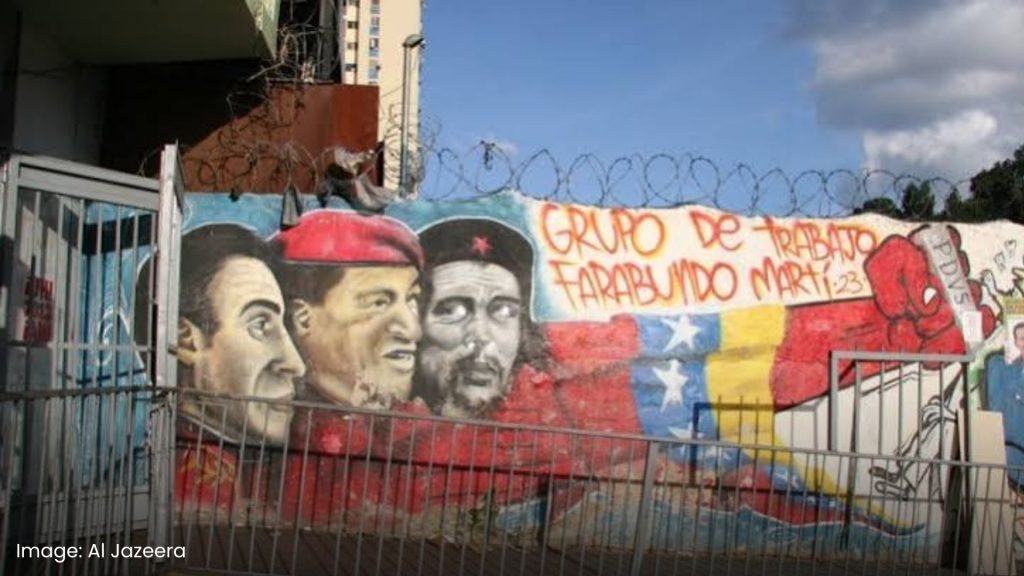
Not everyone is convinced this is the win the administration is presenting. Senate Democrat Chris Van Hollen said plainly that the deal isn’t a win, and reporting from Fortune found Venezuelans themselves have criticized their own government for handing over such a large share of the country’s most valuable natural resource, even with promised investment attached.

What This Means Going Forward

Taken together, the deal’s actual terms, a century-long concession, a seven-to-ten-year development timeline, and its direct link to the removal of a previous government hostile to Western access, point toward a long-range geopolitical positioning move rather than a genuine response to this year’s gas prices. The pump price framing may be what sells the deal publicly, but the strategic logic behind it appears to run on a much longer, and much more geopolitical, timeline entirely.

Sources:

·  Trump announces “historic” US-Venezuela oil deal that he says will lower gas prices — ABC News: https://abcnews.com/International/trump-announces-historic-us-venezuela-oil-deal-lower/story?id=136046002

·  Trump says US reaches deal with Venezuela to control 65 billion barrels of country’s oil reserves — CNN: https://www.cnn.com/2026/08/28/politics/trump-venezuela-oil-deal

·  The US Venezuela oil deal won’t lower your gas prices, here’s what you need to know — NPR: https://www.npr.org/2026/08/31/nx-s1-5949407/us-venezuelan-oil-deal

·  What the US-Venezuela Oil Deal Is, and Is Not, About — Forbes: https://www.forbes.com/sites/davidblackmon/2026/08/30/what-us-venezuela-oil-deal-is–and-is-notabout/
spot_img

Explore more

spot_img
Global Affairs

Europe’s “Toughest Ever” Migration Crackdown Is Arriving

Another Trump Post, Another Diplomatic Backlash

Who Was Ratko Mladić OR Why Are Thousands Celebrating a Convicted...

A French MP Used AI to Strip a Real Woman’s Hijab...

Chinese Nationals Smuggled Human Tissue Out of Pakistani Hospitals to Sell...

History Is Repeating. A Cold War Soviet Playbook Is Running Across...

Germany’s Power Grid Attacks Fit a Pattern Tied to Ukraine Support

How Ratko Mladic Personally Ignited and Directed the Bosnian Genocide