France Already Bans Hijabs In Major Sports. Now It Wants The Ban Everywhere.
By Verity Quill
Muslim Athletes Are Already Being Excluded
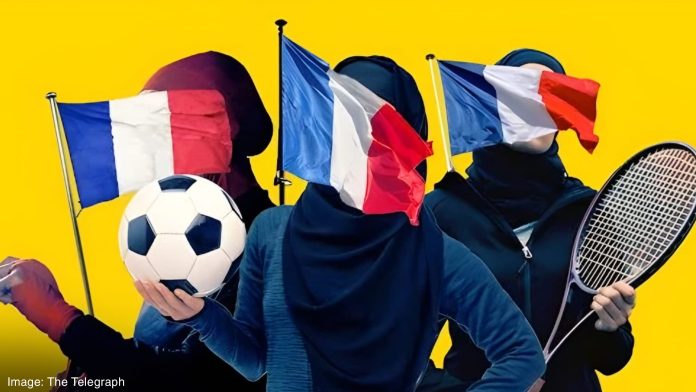
France has not enacted a nationwide hijab ban covering every organised sport. But for many Muslim athletes, exclusion is already a lived reality.
French football, basketball and volleyball authorities prohibit religious headwear in competitions, including at youth and amateur levels. During the Paris 2024 Olympics, France also barred athletes representing the host nation from wearing visible religious symbols, including sports hijabs. Foreign athletes remained free to compete while wearing them.
French sprinter Sounkamba Sylla initially said she could not join the Olympic opening ceremony because she wore a hijab. Officials eventually allowed her to participate in a cap instead, a compromise that still required her to replace her chosen religious clothing to represent her own country.
France presented the restriction as an expression of laïcité, its model of state secularism. Rights groups saw something else: a Muslim woman permitted to appear only after altering how she expressed her faith.
Parliament Wants To Expand The Restrictions
In February 2025, the French Senate approved legislation that would prohibit conspicuous religious clothing and symbols during competitions organised by sports federations.
The proposal would transform a fragmented collection of federation rules into a broader national standard affecting organised sport across France. Amnesty International warned that the measure would disproportionately target Muslim women and girls and urged lawmakers to reject it.
The nationwide expansion had not become law in the latest official legislative record reviewed — it remains with the National Assembly’s Commission des Affaires Culturelles, still awaiting a floor vote.
What is already clear is the direction of travel: restrictions that began in individual sports are being presented as a model for the entire country.
France Calls It Neutrality
Supporters argue that visible religious symbols have no place in spaces intended to be neutral. But athletes are not government institutions, and women do not surrender their religious freedom simply because they enter a football pitch or basketball court.
United Nations human-rights experts have called France HYPERLINK “https://www.ohchr.org/en/press-releases/2024/10/france-hijab-bans-sports-are-discriminatory-and-must-be-reversed-say-experts”‘ HYPERLINK “https://www.ohchr.org/en/press-releases/2024/10/france-hijab-bans-sports-are-discriminatory-and-must-be-reversed-say-experts”s sports hijab restrictions discriminatory and urged authorities to reverse them. They argued that restrictions on religious clothing must satisfy strict tests of necessity and proportionality rather than rely on broad appeals to secularism.
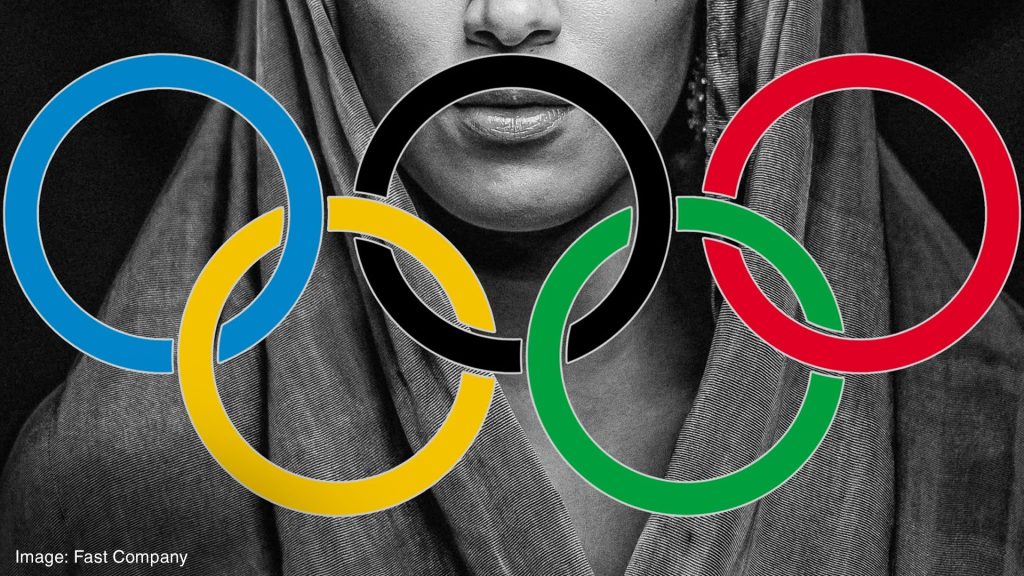
Amnesty HYPERLINK “https://www.amnesty.org/en/latest/campaigns/2024/07/why-hijab-bans-in-french-sports-defy-olympic-values-and-human-rights/”‘ HYPERLINK “https://www.amnesty.org/en/latest/campaigns/2024/07/why-hijab-bans-in-french-sports-defy-olympic-values-and-human-rights/”s research found France uniquely restrictive among the 38 European countries it examined. While other countries allow sports hijabs, France has embedded bans through federation rules and national-team policies.
The result is not religious neutrality. One group of women faces a condition that others do not: remove part of their religious identity or lose access to organised sport.
The Human Cost Of Exclusion
Muslim athletes have described being benched, blocked from competition and separated from sports that shaped their lives.
Assia Verhoeven has spoken about the depression that followed her exclusion. Sylvie Eberena has considered leaving France entirely. Other athletes have described lost opportunities, damaged careers and the humiliation of being told they may compete only after removing clothing they freely choose to wear.
The harm extends beyond professional careers. Federation restrictions affect local leagues, amateur clubs and young girls who may never pursue elite sport but still deserve the freedom to participate.
Sport is routinely promoted as a route toward confidence, health, community and social inclusion. Yet France’s rules tell some Muslim women that these benefits are available only if they dress according to the state’s preferred definition of an emancipated woman.
A Mainstream Policy, Not A Fringe Position
Support for broader restrictions is not confined to a political fringe.
A CSA poll found that 73 percent of the French public supported banning conspicuous religious symbols in sport. Senior political figures have also framed the hijab as evidence of religious “entryism” or Islamist separatism.
Former interior minister Bruno Retailleau declared: “Long live sport and down with the veil.”
That rhetoric matters because it recasts Muslim athletes not as women asking to participate, but as ideological threats whose clothing must be controlled.
Liberation Cannot Mean Exclusion
Women can face coercion in different directions. Some may be pressured by families or communities to wear religious clothing. Others may be pressured by governments and institutions to remove it.
A rights-based policy should protect women from both forms of coercion.
It should not claim to liberate Muslim women by excluding them from public life.
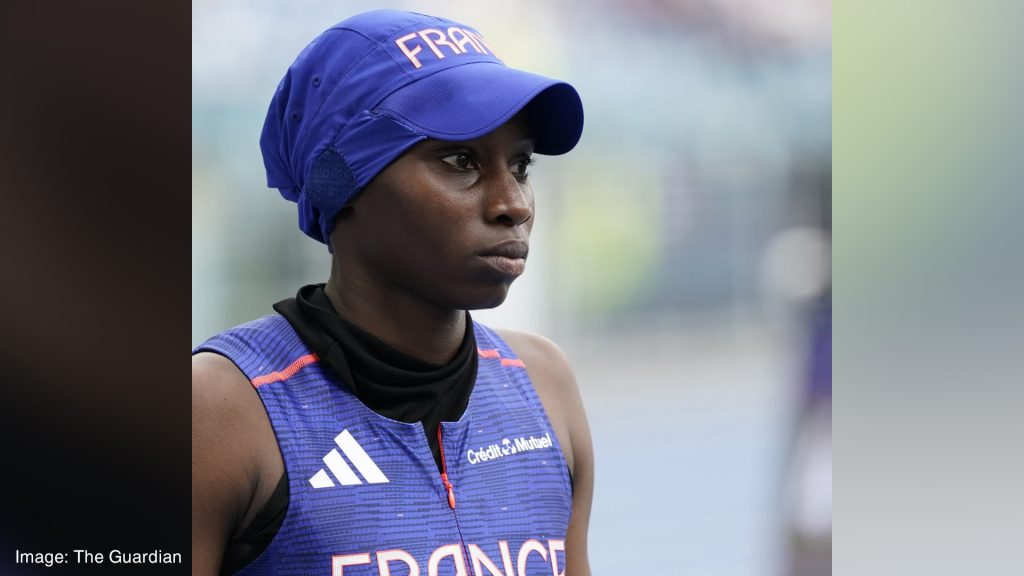
France’s existing restrictions have already forced athletes to choose between faith and sport. The proposed national expansion would not resolve that injustice. It would reproduce it across more federations, more competitions and more lives.
The debate is not merely about uniforms or sporting regulations.
It is about whether Muslim women are allowed to enter public spaces as themselves, or only after the state decides which parts of their identity must remain outside.
By Verity Quill
Sources Used
- Amnesty International: “Excellence, Respect, Friendship” — Why Hijab Bans In French Sports Defy Olympic Values And Human Rights
- Amnesty International: Hijab Ban In All Sports Would Violate Human Rights And Target Muslim Women And Girls
- Amnesty International: Hijab Bans In French Sport Expose Discriminatory Double Standards Ahead Of Olympic And Paralympic Games
- OHCHR: France — Hijab Bans In Sports Are Discriminatory And Must Be Reversed, Say Experts
- Reuters: France Struggles With Its Hijab Rules For Olympics Opening Ceremony
- French Senate: Proposition De Loi Visant À Assurer Le Respect Du Principe De Laïcité Dans Le Sport
- French National Assembly: Dossier Législatif — Proposition De Loi Visant À Assurer Le Respect Du Principe De Laïcité Dans Le Sport