By Shizza Umer
Iran says one of the world’s most consequential shipping disruptions could begin to unwind within seven days, but Tehran has attached a clear condition: Washington must move first.
A senior Iranian official told Reuters that Tehran is prepared to reopen the Strait of Hormuz within a week if the United States eases military pressure and lifts its blockade on Iranian ports. Iran submitted a proposal aimed at ending hostilities through mediators on September 16.
Iran Says Strait of Hormuz Could Reopen Within Seven Days
The proposal would potentially reopen a maritime route whose normal commercial traffic has been severely disrupted during the conflict.
But this is not an unconditional offer. Tehran wants Washington to reduce military pressure and remove its blockade on Iranian ports. Iran is presenting UNGA as an opportunity to restart diplomacy, while insisting that the United States demonstrate its intentions through concrete actions.
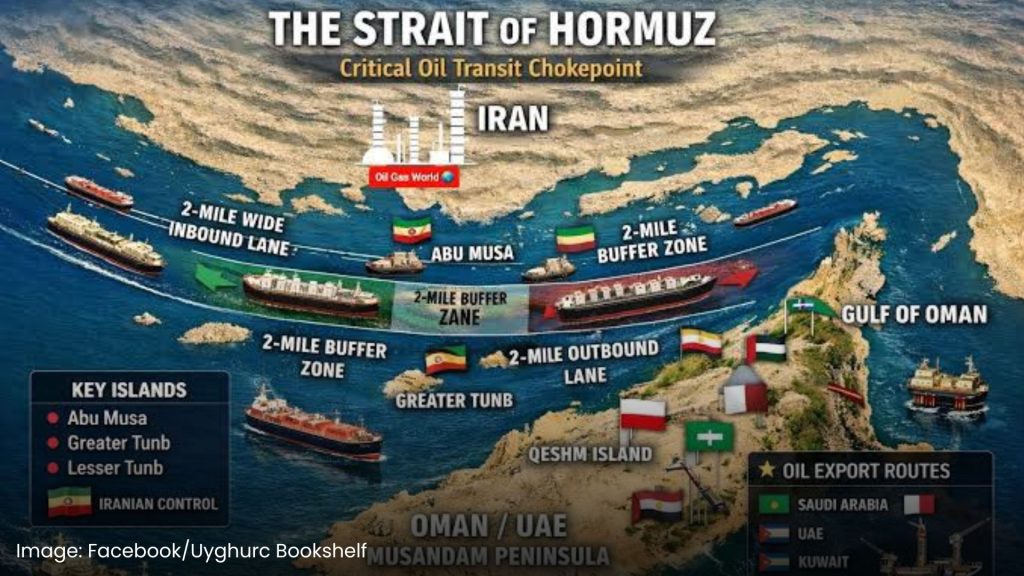
Hormuz Shipping Traffic Falls From 125 Vessels a Day to Just Two
The scale of the disruption is stark.
Before the conflict escalated on February 28, approximately 125 large commercial vessels crossed Hormuz every day. Preliminary shipping data showed only two commodity vessels crossing on Monday, down from ten the previous day.
There is an important limitation: vessels operating with their Automatic Identification System transponders switched off may not appear in the data. The figure therefore does not necessarily represent every vessel that crossed.
Even with that qualification, normal commercial traffic remains dramatically below its pre-conflict level.
Why the Strait of Hormuz Matters to Global Oil Prices
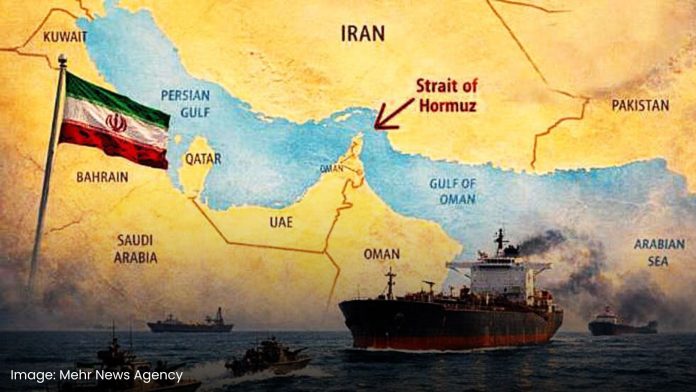
Hormuz connects the Persian Gulf with the Gulf of Oman and wider Arabian Sea. Before the disruption, approximately one-fifth of global oil and gas supplies passed through the route. That concentration means developments in a relatively narrow stretch of water can quickly affect energy markets far beyond the Middle East.
Markets demonstrated that sensitivity on Tuesday.
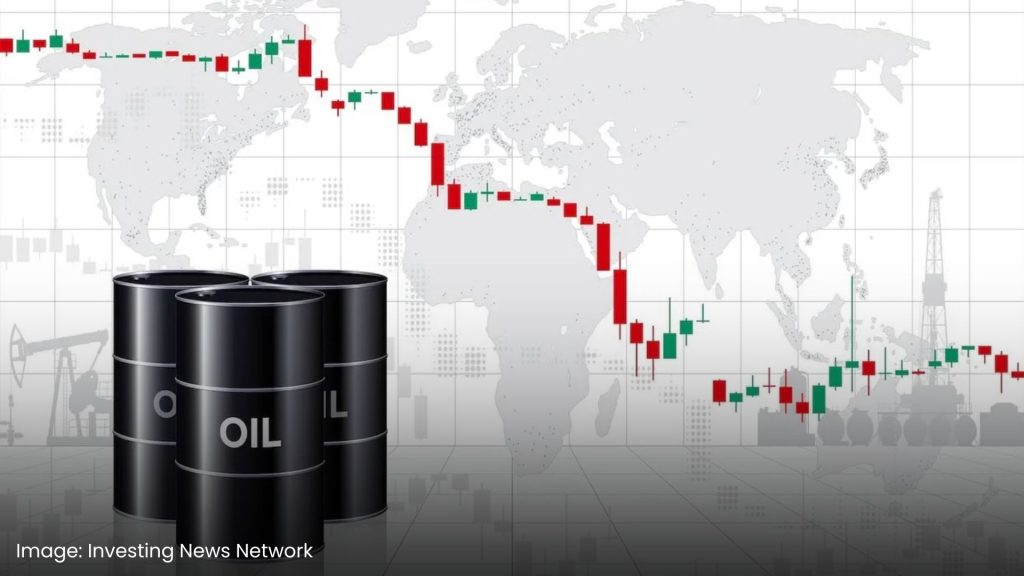
Hormuz has not reopened and no U.S.-Iran agreement has been reached. Yet Brent crude futures for November fell $2.01, or 2%, to $98.33 per barrel, reaching a two-week low as traders reacted to improved prospects for Gulf supply following reports of Iran’s offer.
Saudi Arabia is also adapting. Its East-West Pipeline has resumed operations and could allow exports through the Red Sea port of Yanbu, providing another route for crude that would otherwise depend heavily on Hormuz.
Iran and the U.S. Now Have a Diplomatic Opening at UNGA
The timing adds another dimension.
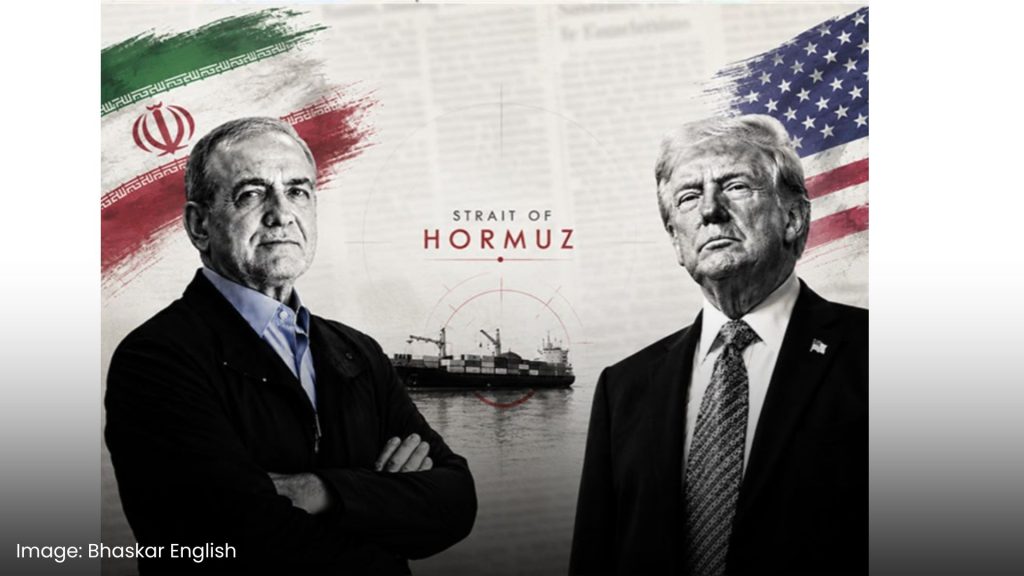
Iran’s delegation is now in New York for the United Nations General Assembly and, according to a senior Iranian official, has full authority to pursue diplomatic negotiations. President Masoud Pezeshkian is also attending UNGA.
Trump has separately said he is “probably” open to meeting Pezeshkian in New York. However, there is no confirmed presidential meeting, and Reuters reports that Pezeshkian currently does not plan to meet Trump.
That distinction matters. The presence of both sides in New York creates an opportunity for diplomacy, but it does not mean negotiations have succeeded, or even that the two presidents will sit across from each other.
Could U.S.-Iran Diplomacy Reopen the Strait of Hormuz?
For Washington, the immediate question is whether Iran’s conditions provide a basis for negotiation.
For Tehran, Hormuz provides considerable leverage because disruption affects shipping, oil supply and international markets well beyond the two countries themselves.
And for the rest of the world, the stakes are decidedly less theoretical. Oil prices have already reacted to the prospect of reopening before any agreement has been signed.
Iran says it can begin reopening the route within seven days if Washington moves first.
Trump says he may be open to talking.
For now, however, there is no confirmed deal, no confirmed presidential meeting, and no return to normal commercial traffic through Hormuz.
Sources
Reuters | Iran ready to reopen Strait of Hormuz if U.S. eases military pressure and lifts blockade
Reuters | Hormuz vessel traffic falls to two
Reuters | Oil falls to two-week low as Gulf supply outlook improvesReuters | Vessels trickle through Strait of Hormuz as Middle East conflict persists