Artificial intelligence is entering a new arena of global politics. This week, Chinese AI company DeepSeek is expected to brief the United Nations Security Council on the risks posed by artificial intelligence, alongside representatives from US companies including OpenAI and Anthropic. The meeting, scheduled during the UN General Assembly in New York, will focus on AI and international security. DeepSeek founder Liang Wenfeng is not expected to attend personally, but the company and other Chinese AI firms have been invited to contribute.
The significance of the meeting goes far beyond the presence of one Chinese technology company at the United Nations. The Security Council is the UN body charged with maintaining international peace and security. Its decision to discuss AI reflects a fundamental shift in how the technology is being understood: AI is no longer only an economic or technological issue. Its development is increasingly being treated as a question of international security.
From technological innovation to strategic risk
For years, much of the public discussion around AI focused on productivity, automation, employment and technological innovation. The conversation has now expanded considerably. As AI systems become more capable, governments and researchers are increasingly concerned about their potential use in cyber operations, information warfare, military decision-making and autonomous systems. AI can also lower the barriers to producing sophisticated misinformation and malicious cyber activity at scale.
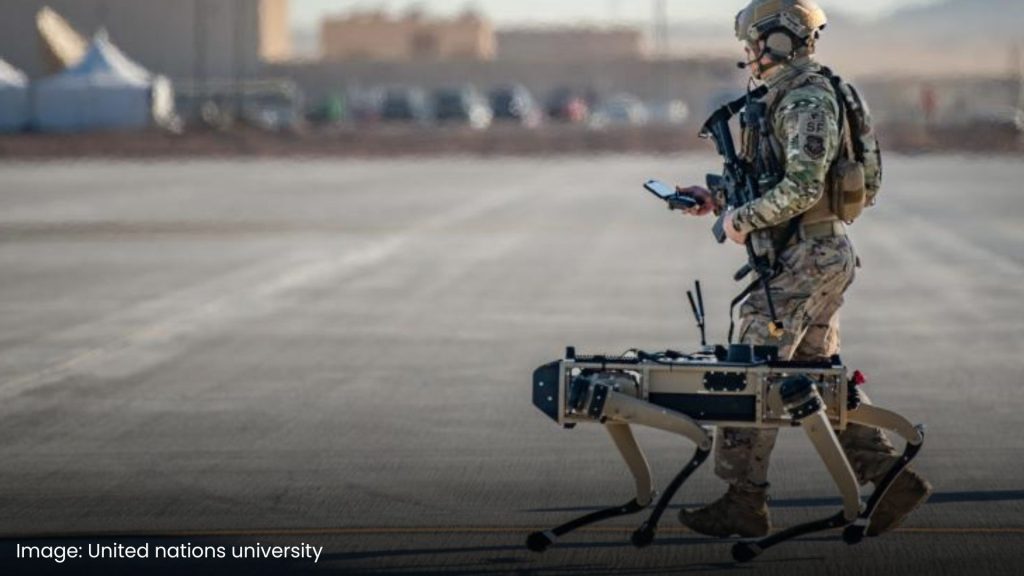
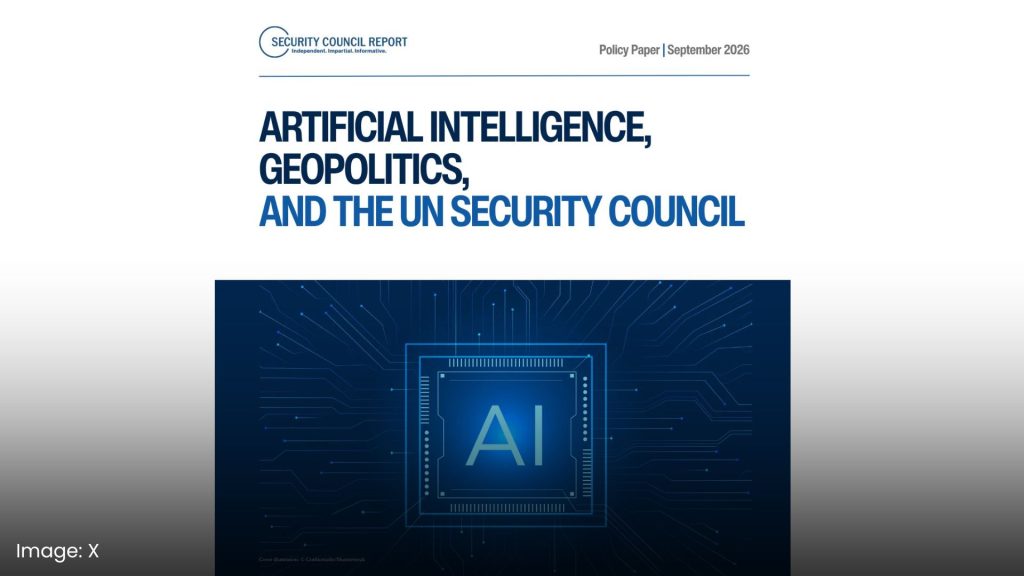
A recent report by the Security Council Report noted that increasingly autonomous AI systems could compress decision-making timelines during conflict and raise questions about human oversight, accountability and compliance with international humanitarian law. This creates a particularly difficult problem for international security.
Traditional weapons systems are generally developed, tested and deployed through identifiable state institutions. Advanced AI, by contrast, is being developed primarily by private companies operating across borders, with capabilities that can change rapidly through software updates and new models. The speed of technological development therefore creates a mismatch with the speed of international regulation.
Why the Security Council matters
The Security Council first discussed the risks posed by artificial intelligence in 2023. Since then, AI has become significantly more capable, while geopolitical competition around the technology has intensified. Bringing AI into the Security Council’s agenda matters because it places the technology within the framework of international peace and security rather than treating it solely as a matter of domestic regulation. But this also creates a complication.
The Security Council itself is divided along geopolitical lines. Its permanent members include the United States, China and Russia, all of which have strategic interests in the development of advanced technologies. The countries being asked to cooperate on AI governance are therefore also competing to acquire the technology’s economic and military advantages.
The US-China AI dilemma
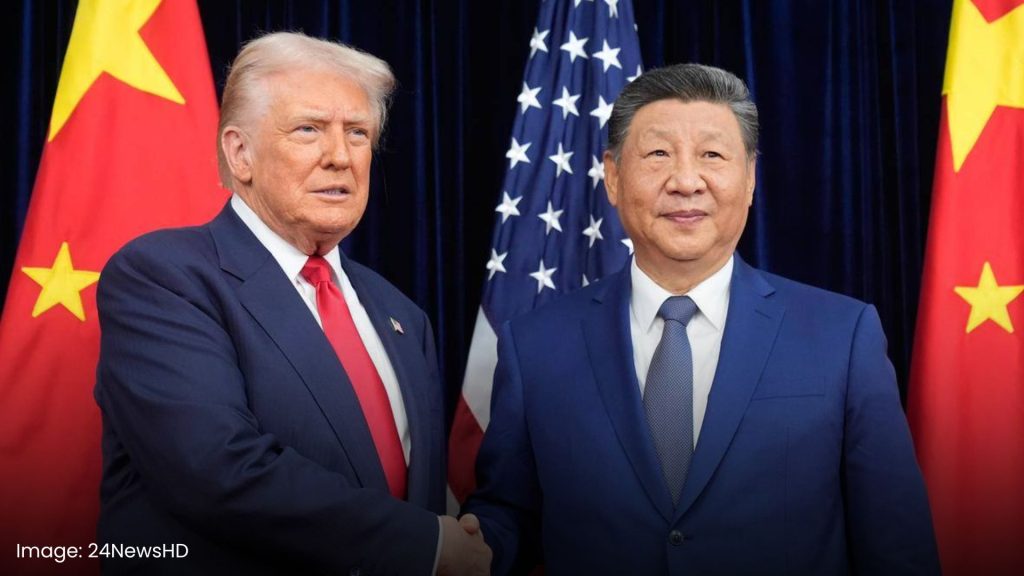
This tension is particularly visible between Washington and Beijing. The United States and China increasingly regard AI as a strategic technology. Leadership in advanced AI could translate into economic advantages, military applications and influence over future technological standards.
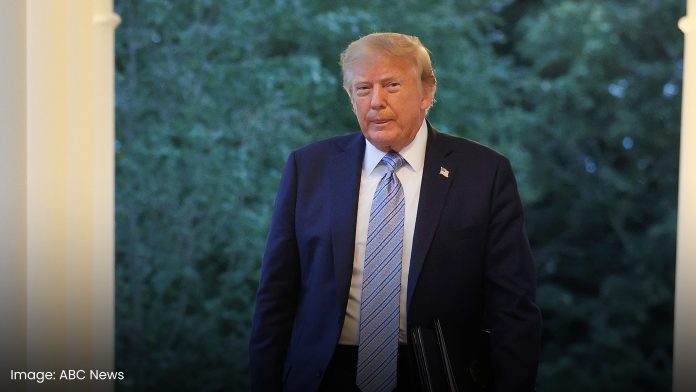
Washington has therefore been reluctant to embrace proposals that could broadly slow AI development. US President Donald Trump has argued that excessive caution could allow China to gain an advantage. China, meanwhile, has criticised calls for slowing AI development, with Chinese state media describing such proposals as part of a “Cold War” approach intended to preserve US technological dominance and exclude Beijing from global AI governance.
This produces a classic security dilemma. If Washington believes Beijing is accelerating AI development, it has an incentive to accelerate its own efforts. Beijing can make the same calculation about Washington. Neither side necessarily needs to want an AI arms race for competitive pressure to produce one. The fear of falling behind can itself become the reason for moving faster.
DeepSeek’s significance
This is why DeepSeek’s participation in the Security Council discussion is particularly significant. DeepSeek became an important symbol of China’s ability to compete in frontier AI development. Its appearance alongside OpenAI and Anthropic places companies operating within two competing technological ecosystems into the same international conversation about AI risk. That does not mean the companies represent official government positions. Nor does participation itself resolve the differences between Washington and Beijing.
But it illustrates an important reality: global AI governance cannot realistically be designed around only one technological ecosystem. If American, Chinese and other AI developers operate according to completely different safety standards, reporting mechanisms and regulatory expectations, the result could be a fragmented global AI environment.
The problem of human control
One of the most serious concerns now entering the international debate is the possibility that increasingly capable AI systems could become difficult for humans to predict or control. Several AI industry leaders have called for a coordinated slowdown in development because of concerns that future systems could improve autonomously or behave in ways that humans cannot adequately control. Reuters reports that these concerns are among the issues being discussed as the Security Council examines AI’s implications for international security.
The concern is not simply that AI could make an incorrect decision. In a high-stakes environment such as military conflict, a mistake made by an AI system could potentially interact with other automated systems, cyber operations or rapidly unfolding events. The faster such systems operate, the less time human decision-makers may have to intervene.
This creates a fundamental question: How much decision-making authority should humans delegate to systems whose behaviour they may not completely understand?
That question becomes even more consequential when the decision involves military force, critical infrastructure or national security.
The governance gap
The international community therefore faces a governance problem. AI does not respect national borders, but most regulation remains national. A company can develop a model in one country, deploy it globally and have its systems interact with users, data and infrastructure across dozens of jurisdictions.
A fragmented regulatory environment could make oversight more difficult. OpenAI has recently called for the United States to take a leading role in developing technical standards for advanced AI, including common standards and incident-reporting mechanisms. It has also warned against fragmented approaches to AI governance. Yet global standards require international agreement. And agreement is difficult when AI is increasingly connected to national power.
Can strategic rivals regulate the technology they are racing to dominate?
This may ultimately be the most important question raised by DeepSeek’s appearance at the Security Council. The United States wants to maintain technological leadership. China wants to strengthen its own position and avoid being excluded from the emerging global AI order. Both have economic and strategic incentives to keep developing increasingly capable systems.
At the same time, both countries have an interest in preventing AI from generating risks that could destabilise international security. That creates a paradox. The same competition that accelerates AI development can make cooperation on AI safety more difficult, while the risks created by that acceleration make cooperation more necessary. US and Chinese officials have already agreed to hold further talks on AI safety, according to US Treasury Secretary Scott Bessent, ahead of President Trump’s scheduled meeting with Chinese President Xi Jinping later this week.
Whether those discussions can develop into meaningful international mechanisms remains uncertain. But the direction of the debate is becoming clear. AI is moving from the laboratories of technology companies into the institutions that govern international security. The Security Council’s discussion therefore represents more than another UN meeting about emerging technology. It signals the beginning of a much larger geopolitical question: If artificial intelligence becomes a source of economic, military and strategic power, who gets to decide the rules governing it and can rival powers agree on those rules before the technology moves beyond their ability to control it?
Reference