Iraq Arrested 67 Officials for Corruption.

Iraq’s Green Zone Raids Were Not Just About Corruption

Before dawn, elite Iraqi security units swept through Baghdad’s fortified Green Zone, the district that houses top government institutions, embassies and the political class that has shaped Iraq since the US invasion.

The government called it an anti-corruption crackdown. Regional reporting put the number of arrests at 67 officials, lawmakers and businessmen, rising from an initial count of 47 as the operation expanded through the night. The message was dramatic: Iraq’s new prime minister, Ali al-Zaidi, was coming for a system long accused of stealing public money, protecting political elites and letting oil wealth disappear into private networks.

But in Iraq, corruption is rarely just corruption.

The raids landed inside a much bigger struggle over oil money, Iran-linked factions, political survival and Washington’s influence over the new government. That is why critics are asking whether this is the start of real reform, or a power move wearing the language of accountability.

The Official Story Is Reform

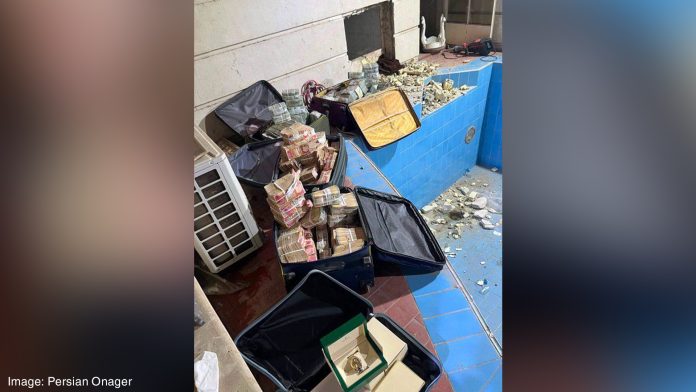
The arrests were tied to Iraq’s oil ministry, where the arrest of former deputy oil minister Adnan al-Jumaili in late May reportedly led investigators toward wider networks of cash, contracts and political protection. Following al-Jumaili’s detention, anti-corruption officers raided his residence and confiscated gold jewellery, assault rifles, ammunition and roughly $10 million in cash. Investigators then followed his testimony to additional hidden caches, some of them buried so deep that excavators and heavy machinery were required to unearth them. Total recovered assets linked to the case now exceed $107 million.

Al-Zaidi declared this was only the first phase. “Whoever works for the state and steals the money of orphans and the poor is wrong. I will chase him night and day,” he said during a cabinet meeting broadcast at dawn Monday.
On paper, that sounds like the kind of accountability Iraq badly needs.

The Detail Nobody Is Talking About

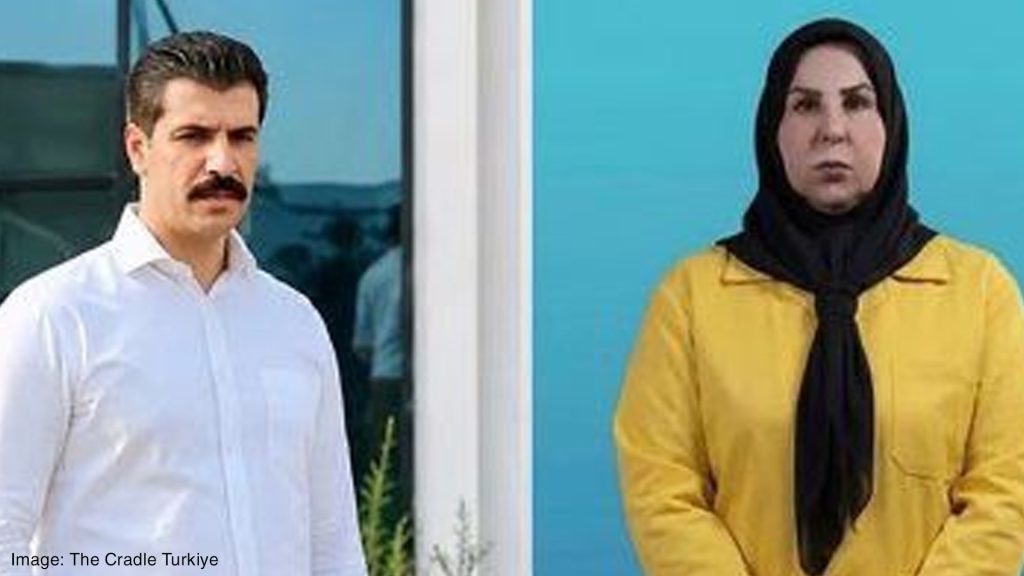
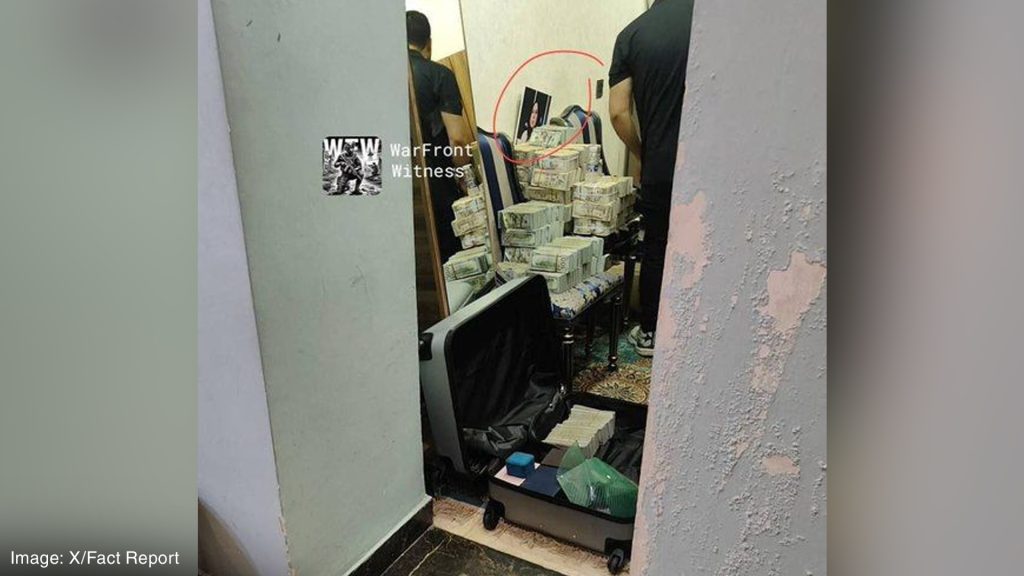
Among those arrested was Alia Nassif, a sitting member of parliament and a prominent figure on Iraq’s own parliamentary anti-corruption committee. Unverified videos circulating widely on social media purported to show stacks of cash seized from her home, with posts claiming the amount exceeded $15.5 million. The Iraqi anti-corruption official, arrested for corruption. That figure has not been independently verified, but it has already spread across Iraqi social media as a symbol of the scale and the irony of what was found.

The Shadow Behind The Crackdown

The problem is that Iraq’s political system is built around the same networks now being targeted.

Oil money funds the state. Political blocs compete over ministries, contracts and patronage. Armed factions operate inside and around the political order. Iran-linked groups have long held influence through parties, militias and economic networks. Washington, meanwhile, has pushed Baghdad to curb militia power and reduce Iranian influence.

That is where the timing matters.

Al-Zaidi is preparing for a Washington visit. A diplomat in Baghdad told AFP the security operation “is part of the Washington visit preparations” to show al-Zaidi’s commitment to his promises. The raids also coincided precisely with Iranian Foreign Minister Abbas Araghchi’s visit to Baghdad. Some of the arrested figures are tied to political blocs and oil-sector allegations that sit directly inside that Washington-Iran struggle.

So the skeptical reading is not that corruption is fake. Iraq’s corruption problem is real, massive and deeply documented. The skeptical reading is that anti-corruption campaigns can also be used to purge rivals, weaken one faction, strengthen another and send a message to foreign patrons.

Oil Money, Buried Cash and Iran-Linked Networks

The oil trail is what makes this story bigger than a normal corruption case.

Another security official told AFP the raids were carried out not only over corruption but also over “funding factions and the smuggling of dollars and Iranian oil,” referring to Tehran-backed armed groups. Al-Jumaili had previously been sanctioned by the United States over allegations involving Iraqi oil diversion, Iranian sanctions evasion and militia-linked financing. Iraq’s Oil Ministry rejected those US sanctions at the time, calling the claims baseless and politically motivated.

Iraq’s oil wealth is not just revenue. It is power. Control over oil contracts, smuggling routes, distribution networks and state funds can decide who wins elections, which factions survive and which foreign power gains leverage. When a corruption crackdown touches oil money, it is never only about stolen cash. It is about the political machine itself.

Why Iraqis Are Skeptical

Iraqis have heard anti-corruption promises before.

The country has faced years of scandals, most notoriously the Theft of the Century: approximately $2.5 to $2.8 billion stolen from the General Commission of Taxes through hundreds of forged cheques cashed between 2021 and 2022. Thirteen people were convicted in 2024. The case resurfaced in May 2026 with a recovery committee now estimating the true value at closer to $5 billion.

Since the 2003 US invasion, an estimated $150 billion in oil money has been stolen and smuggled out of Iraq. Iraq ranked 136th out of 181 countries on Transparency International’s 2025 Corruption Perceptions Index. Successive governments have promised accountability. Most of the system survived.

Reform Or A Power Move?

Former prime minister Nouri al-Maliki, who has himself faced long-standing corruption allegations, publicly congratulated al-Zaidi on X and called on him to “carry this mission through to its conclusion.” The man whose era produced some of Iraq’s worst documented corruption is now publicly endorsing the anti-corruption drive. Whether that is genuine support or an insurance policy for his own network is the question Baghdad is asking this week.

As The National’s editorial board wrote: if anti-corruption efforts falter amid “under-the-table negotiations and political bargaining, while leaving the same political order in place, then little will have changed.”

This may be a real corruption case. The accusations are serious, and Iraq’s public deserves accountability for stolen wealth, broken institutions and decades of elite impunity.
But the deeper question is what happens next. If the crackdown reaches only certain factions, it will look like a purge. If it stops before touching untouchable figures, it will look like theatre. If it helps al-Zaidi impress Washington while leaving Iraq’s political economy intact, it will confirm the skepticism.

The real test is not how many officials were arrested in one dramatic morning.

The real test is whether Iraq’s system is willing to arrest itself.

SOURCES

Al Jazeera — Iraq security forces arrest officials | Al Jazeera Opinion — A start, not a solution | Times of Israel — Iraqi forces raid Baghdad Green Zone | The National — Iraq PM: crackdown only in first phase | The National Editorial | Shafaq News — What we know so far | Middle East Eye | Iran International | CNN | FINCHANNEL — $107 million in buried cash | Asharq Al-Awsat
Iraq’s Green Zone Raids Were Not Just About Corruption

Before dawn, elite Iraqi security units swept through Baghdad’s fortified Green Zone, the district that houses top government institutions, embassies and the political class that has shaped Iraq since the US invasion.

The government called it an anti-corruption crackdown. Regional reporting put the number of arrests at 67 officials, lawmakers and businessmen, rising from an initial count of 47 as the operation expanded through the night. The message was dramatic: Iraq’s new prime minister, Ali al-Zaidi, was coming for a system long accused of stealing public money, protecting political elites and letting oil wealth disappear into private networks.

But in Iraq, corruption is rarely just corruption.

The raids landed inside a much bigger struggle over oil money, Iran-linked factions, political survival and Washington’s influence over the new government. That is why critics are asking whether this is the start of real reform, or a power move wearing the language of accountability.

The Official Story Is Reform

The arrests were tied to Iraq’s oil ministry, where the arrest of former deputy oil minister Adnan al-Jumaili in late May reportedly led investigators toward wider networks of cash, contracts and political protection. Following al-Jumaili’s detention, anti-corruption officers raided his residence and confiscated gold jewellery, assault rifles, ammunition and roughly $10 million in cash. Investigators then followed his testimony to additional hidden caches, some of them buried so deep that excavators and heavy machinery were required to unearth them. Total recovered assets linked to the case now exceed $107 million.

Al-Zaidi declared this was only the first phase. “Whoever works for the state and steals the money of orphans and the poor is wrong. I will chase him night and day,” he said during a cabinet meeting broadcast at dawn Monday.

On paper, that sounds like the kind of accountability Iraq badly needs.

The Detail Nobody Is Talking About

Among those arrested was Alia Nassif, a sitting member of parliament and a prominent figure on Iraq’s own parliamentary anti-corruption committee. Unverified videos circulating widely on social media purported to show stacks of cash seized from her home, with posts claiming the amount exceeded $15.5 million. The Iraqi anti-corruption official, arrested for corruption. That figure has not been independently verified, but it has already spread across Iraqi social media as a symbol of the scale and the irony of what was found.

The Shadow Behind The Crackdown

The problem is that Iraq’s political system is built around the same networks now being targeted.

Oil money funds the state. Political blocs compete over ministries, contracts and patronage. Armed factions operate inside and around the political order. Iran-linked groups have long held influence through parties, militias and economic networks. Washington, meanwhile, has pushed Baghdad to curb militia power and reduce Iranian influence.

That is where the timing matters.

Al-Zaidi is preparing for a Washington visit. A diplomat in Baghdad told AFP the security operation “is part of the Washington visit preparations” to show al-Zaidi’s commitment to his promises. The raids also coincided precisely with Iranian Foreign Minister Abbas Araghchi’s visit to Baghdad. Some of the arrested figures are tied to political blocs and oil-sector allegations that sit directly inside that Washington-Iran struggle.

So the skeptical reading is not that corruption is fake. Iraq’s corruption problem is real, massive and deeply documented. The skeptical reading is that anti-corruption campaigns can also be used to purge rivals, weaken one faction, strengthen another and send a message to foreign patrons.

Oil Money, Buried Cash and Iran-Linked Networks

The oil trail is what makes this story bigger than a normal corruption case.

Another security official told AFP the raids were carried out not only over corruption but also over “funding factions and the smuggling of dollars and Iranian oil,” referring to Tehran-backed armed groups. Al-Jumaili had previously been sanctioned by the United States over allegations involving Iraqi oil diversion, Iranian sanctions evasion and militia-linked financing. Iraq’s Oil Ministry rejected those US sanctions at the time, calling the claims baseless and politically motivated.

Iraq’s oil wealth is not just revenue. It is power. Control over oil contracts, smuggling routes, distribution networks and state funds can decide who wins elections, which factions survive and which foreign power gains leverage. When a corruption crackdown touches oil money, it is never only about stolen cash. It is about the political machine itself.

Why Iraqis Are Skeptical

Iraqis have heard anti-corruption promises before.

The country has faced years of scandals, most notoriously the Theft of the Century: approximately $2.5 to $2.8 billion stolen from the General Commission of Taxes through hundreds of forged cheques cashed between 2021 and 2022. Thirteen people were convicted in 2024. The case resurfaced in May 2026 with a recovery committee now estimating the true value at closer to $5 billion.

Since the 2003 US invasion, an estimated $150 billion in oil money has been stolen and smuggled out of Iraq. Iraq ranked 136th out of 181 countries on Transparency International’s 2025 Corruption Perceptions Index. Successive governments have promised accountability. Most of the system survived.

Reform Or A Power Move?

Former prime minister Nouri al-Maliki, who has himself faced long-standing corruption allegations, publicly congratulated al-Zaidi on X and called on him to “carry this mission through to its conclusion.” The man whose era produced some of Iraq’s worst documented corruption is now publicly endorsing the anti-corruption drive. Whether that is genuine support or an insurance policy for his own network is the question Baghdad is asking this week.

As The National’s editorial board wrote: if anti-corruption efforts falter amid “under-the-table negotiations and political bargaining, while leaving the same political order in place, then little will have changed.”

This may be a real corruption case. The accusations are serious, and Iraq’s public deserves accountability for stolen wealth, broken institutions and decades of elite impunity.

But the deeper question is what happens next. If the crackdown reaches only certain factions, it will look like a purge. If it stops before touching untouchable figures, it will look like theatre. If it helps al-Zaidi impress Washington while leaving Iraq’s political economy intact, it will confirm the skepticism.

The real test is not how many officials were arrested in one dramatic morning.

The real test is whether Iraq’s system is willing to arrest itself.

SOURCES

Al Jazeera — Iraq security forces arrest officials | Al Jazeera Opinion — A start, not a solution | Times of Israel — Iraqi forces raid Baghdad Green Zone | The National — Iraq PM: crackdown only in first phase | The National Editorial | Shafaq News — What we know so far | Middle East Eye | Iran International | CNN | FINCHANNEL — $107 million in buried cash | Asharq Al-Awsat
spot_img

Explore more

spot_img
Global Affairs

China Has Written Uyghur Erasure Into Law.

Christopher Nolan Filmed The Odyssey On Occupied Land. Behind It Sits...

From Teen Suicide To Fake Nudes: The Human Cost Of The...

She Was Blinded At 14. Bollywood Called It “Limited Damage.”

Isr*el’s Sexual Abuse Crisis Is Not A Scandal. It Is A...

Qualified, Shortlisted, Then Shut Out: Black Doctors In The UK Face...

Behind Messi’s Silence On Gaza Lies A Web Of Isr*eli Ties

The Fight For Jerusalem Begins With Who Controls Its Story