NATO Was Built on Loyalty. Trump Turned It Into a Protection Racket. Is This the End of NATO as We Know It?

Trump Landed in Ankara With a Peace Plan, an F-35 Deal and a Bill for Every NATO Ally to Pay

Maryam Tariq

The NATO summit in Turkey is happening at the most strained moment in the alliance’s 77-year history. Here is what is actually being negotiated and what it tells us about the future of Western security.

Why Ankara and Why Now

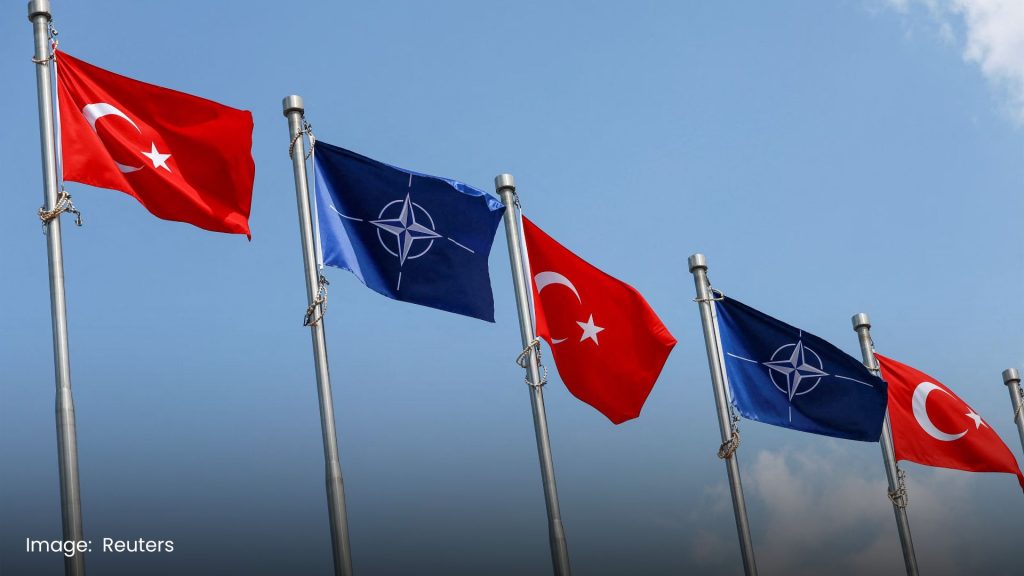
There is something telling about the fact that the most consequential NATO summit in a generation is being held in Ankara. Turkey is a NATO member. It is also a country that never broke with Vladimir Putin, maintained active trade with Russia throughout the Ukraine war, and has spent years positioning itself as a mediator between East and West. When Trump needed a venue that could credibly host a conversation about ending the Russia-Ukraine war, Ankara was the only honest answer.

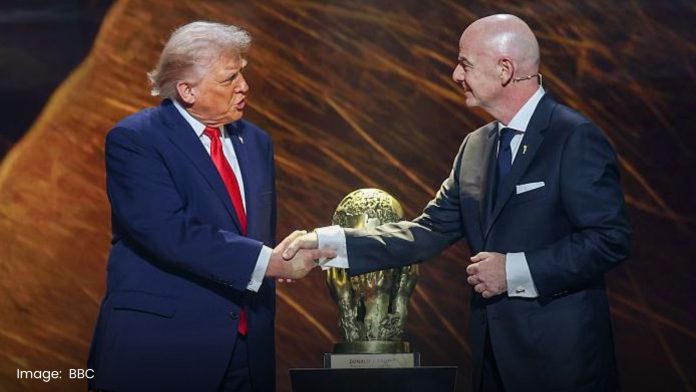
Trump arrived on July 7, 2026, flying aboard a newly debuted aircraft gifted to the US by Qatar, with an entourage of 1,400 people. Turkish President Recep Tayyip Erdogan met him personally on the tarmac at Etimesgut Air Base. Trump has repeatedly called Erdogan a friend. That friendship is about to be tested and rewarded at the same time.

The F-35 Deal and What It Actually Buys

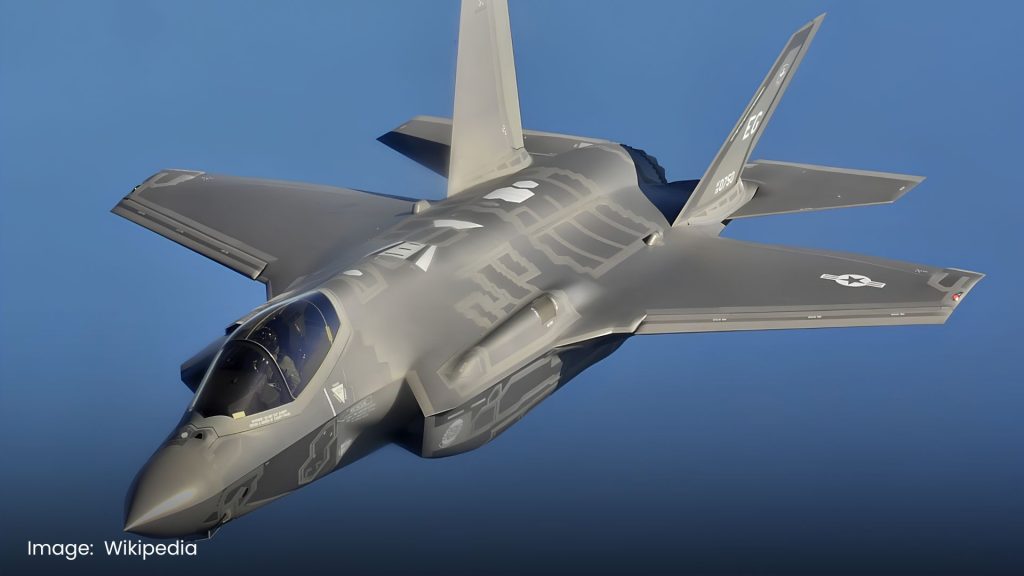
Trump is expected to signal at the summit that he is willing to sell Turkey F-35 stealth fighter jets, according to two US officials. This would reverse a ban he himself imposed during his first term, a ban that Congress subsequently ratified into law. Overriding a congressional ban to reward a foreign leader during a summit requires either enormous political will or an enormous ask in return.

The likely ask is clear. Turkey’s unique position, a NATO ally with open diplomatic and economic channels to Moscow, makes Erdogan the only realistic backchannel for any peace framework in Ukraine. Trump held weekend calls with both Ukrainian President Volodymyr Zelensky and Russian President Vladimir Putin ahead of the summit and told reporters a deal could be close. He is scheduled to meet Zelensky in Ankara to present whatever that deal looks like in practice.

Trump vowed to end Russia’s war on Ukraine within 24 hours of taking office. He arrives at this summit 17 months later, still without a path to peace, with Russia having dramatically stepped up its aerial attacks on Ukrainian cities and Europe struggling to fill the weapons gap left by Washington’s suspension of military aid to Kyiv. What he offers Zelensky in Ankara, and what Zelensky accepts or rejects, is the summit’s most consequential moment.

Europe’s Arms Deal Scramble Before Trump Touched Down

Before Trump’s plane even landed in Ankara, European nations and defence contractors were unveiling tens of billions of dollars in new arms deals at a NATO defence industry forum. The timing was transparent. This was appeasement in advance, a calculated effort to take the edge off Trump’s fury over European military budgets before he walked into the room.

Trump is pushing hard for NATO allies to commit to spending 5% of their GDP on defence and security activities by 2035. To understand how aggressive that number is, consider that the 2% target agreed in 2014 took most European nations a decade to approach, and several members are still short. A 5% target would require the majority of NATO’s European members to more than double their current military spending. Economists across Europe have warned this level of commitment cannot happen without severe cuts to health, education and welfare programmes.

NATO Secretary General Mark Rutte acknowledged the political challenge while trying to frame the shift positively. Speaking at a NATO-EU conversation in Turkey, Rutte said Europe is a stronger partner to the US than it was five years ago and that the alliance is undergoing a transformation unparalleled since the end of the Cold War. He also said, pointedly, that NATO cannot continue being over-reliant on the United States.

The Iran Fallout Inside the Alliance

Adding to the already strained atmosphere, Trump has fiercely criticised NATO allies for refusing to help the US secure the Strait of Hormuz or grant base access for strikes against Iran. He has personally scolded UK Prime Minister Keir Starmer, German Chancellor Friedrich Merz and Italian Prime Minister Giorgia Meloni over their refusal to be drawn into the US-Israeli war on Iran.

The summit also marks Trump’s first face-to-face encounter with Meloni since a public dispute in which Trump claimed she had begged him for a photo, a claim Meloni furiously denied. Their bilateral will be watched closely as a barometer of whether even Trump’s closest ideological allies in Europe are maintaining distance from US foreign policy.

What NATO Has Become Under Trump

NATO was built on the principle of collective defence: an attack on one is an attack on all. What the Ankara summit reveals is how far that principle has drifted from the operational reality of the alliance under Trump.

Defence spending targets are now presented as conditions rather than goals. F-35 jets are on offer for allies who make themselves useful. European leaders are signing arms deals before a meeting even starts to avoid a difficult conversation. A peace deal for Ukraine is being constructed in Ankara, a city chosen specifically because it has maintained ties with the country that started the war.


The alliance is not broken. But it is operating on a different logic than the one it was founded on. Trump treats NATO less like a mutual defence treaty and more like a contract that requires annual renewal. For now, most allies are paying the premium. Whether they keep paying it, and at what cost to their own societies, is the question that this summit will not answer but that European governments will be living with for the next decade.

Sources:

·  Trump arrives in Turkey for NATO summit as he piles pressure on alliance, CNN: https://edition.cnn.com/2026/07/07/world/live-news/nato-summit-trump

·  Trump’s NATO pressure campaign continues as summit begins, NPR: https://www.npr.org/2026/07/07/nx-s1-5884055/trumps-nato-pressure-campaign-continues-as-summit-begins

·  NATO summit begins in Turkey as Trump pushes for more defence spending, CBS News: https://www.cbsnews.com/news/nato-summit-begins-in-turkey-as-trump-pushes-for-more-defense-spending/

·  NATO’s Turkey summit live updates, Al Jazeera: https://www.aljazeera.com/news/liveblog/2026/7/7/natos-turkiye-summit-live-trump-leaders-to-meet-in-ankara

·  NATO braces for difficult summit as Trump puts pressure on spending, The Guardian: https://www.theguardian.com/world/2026/jul/07/nato-braces-for-difficult-summit-as-trump-puts-pressure-on-spending

·  Trump NATO summit Turkey live updates, NBC News: https://www.nbcnews.com/politics/trump-administration/live-blog/trump-nato-summit-turkey-live-updates-rcna353169

Trump Landed in Ankara With a Peace Plan, an F-35 Deal and a Bill for Every NATO Ally to Pay

Maryam Tariq

The NATO summit in Turkey is happening at the most strained moment in the alliance’s 77-year history. Here is what is actually being negotiated and what it tells us about the future of Western security.

Why Ankara and Why Now

There is something telling about the fact that the most consequential NATO summit in a generation is being held in Ankara. Turkey is a NATO member. It is also a country that never broke with Vladimir Putin, maintained active trade with Russia throughout the Ukraine war, and has spent years positioning itself as a mediator between East and West. When Trump needed a venue that could credibly host a conversation about ending the Russia-Ukraine war, Ankara was the only honest answer.

Trump arrived on July 7, 2026, flying aboard a newly debuted aircraft gifted to the US by Qatar, with an entourage of 1,400 people. Turkish President Recep Tayyip Erdogan met him personally on the tarmac at Etimesgut Air Base. Trump has repeatedly called Erdogan a friend. That friendship is about to be tested and rewarded at the same time.

The F-35 Deal and What It Actually Buys

Trump is expected to signal at the summit that he is willing to sell Turkey F-35 stealth fighter jets, according to two US officials. This would reverse a ban he himself imposed during his first term, a ban that Congress subsequently ratified into law. Overriding a congressional ban to reward a foreign leader during a summit requires either enormous political will or an enormous ask in return.

The likely ask is clear. Turkey’s unique position, a NATO ally with open diplomatic and economic channels to Moscow, makes Erdogan the only realistic backchannel for any peace framework in Ukraine. Trump held weekend calls with both Ukrainian President Volodymyr Zelensky and Russian President Vladimir Putin ahead of the summit and told reporters a deal could be close. He is scheduled to meet Zelensky in Ankara to present whatever that deal looks like in practice.

Trump vowed to end Russia’s war on Ukraine within 24 hours of taking office. He arrives at this summit 17 months later, still without a path to peace, with Russia having dramatically stepped up its aerial attacks on Ukrainian cities and Europe struggling to fill the weapons gap left by Washington’s suspension of military aid to Kyiv. What he offers Zelensky in Ankara, and what Zelensky accepts or rejects, is the summit’s most consequential moment.

Europe’s Arms Deal Scramble Before Trump Touched Down

Before Trump’s plane even landed in Ankara, European nations and defence contractors were unveiling tens of billions of dollars in new arms deals at a NATO defence industry forum. The timing was transparent. This was appeasement in advance, a calculated effort to take the edge off Trump’s fury over European military budgets before he walked into the room.

Trump is pushing hard for NATO allies to commit to spending 5% of their GDP on defence and security activities by 2035. To understand how aggressive that number is, consider that the 2% target agreed in 2014 took most European nations a decade to approach, and several members are still short. A 5% target would require the majority of NATO’s European members to more than double their current military spending. Economists across Europe have warned this level of commitment cannot happen without severe cuts to health, education and welfare programmes.

NATO Secretary General Mark Rutte acknowledged the political challenge while trying to frame the shift positively. Speaking at a NATO-EU conversation in Turkey, Rutte said Europe is a stronger partner to the US than it was five years ago and that the alliance is undergoing a transformation unparalleled since the end of the Cold War. He also said, pointedly, that NATO cannot continue being over-reliant on the United States.

The Iran Fallout Inside the Alliance

Adding to the already strained atmosphere, Trump has fiercely criticised NATO allies for refusing to help the US secure the Strait of Hormuz or grant base access for strikes against Iran. He has personally scolded UK Prime Minister Keir Starmer, German Chancellor Friedrich Merz and Italian Prime Minister Giorgia Meloni over their refusal to be drawn into the US-Israeli war on Iran.

The summit also marks Trump’s first face-to-face encounter with Meloni since a public dispute in which Trump claimed she had begged him for a photo, a claim Meloni furiously denied. Their bilateral will be watched closely as a barometer of whether even Trump’s closest ideological allies in Europe are maintaining distance from US foreign policy.

What NATO Has Become Under Trump

NATO was built on the principle of collective defence: an attack on one is an attack on all. What the Ankara summit reveals is how far that principle has drifted from the operational reality of the alliance under Trump.

Defence spending targets are now presented as conditions rather than goals. F-35 jets are on offer for allies who make themselves useful. European leaders are signing arms deals before a meeting even starts to avoid a difficult conversation. A peace deal for Ukraine is being constructed in Ankara, a city chosen specifically because it has maintained ties with the country that started the war.

The alliance is not broken. But it is operating on a different logic than the one it was founded on. Trump treats NATO less like a mutual defence treaty and more like a contract that requires annual renewal. For now, most allies are paying the premium. Whether they keep paying it, and at what cost to their own societies, is the question that this summit will not answer but that European governments will be living with for the next decade.

Sources:

·  Trump arrives in Turkey for NATO summit as he piles pressure on alliance, CNN: https://edition.cnn.com/2026/07/07/world/live-news/nato-summit-trump

·  Trump’s NATO pressure campaign continues as summit begins, NPR: https://www.npr.org/2026/07/07/nx-s1-5884055/trumps-nato-pressure-campaign-continues-as-summit-begins

·  NATO summit begins in Turkey as Trump pushes for more defence spending, CBS News: https://www.cbsnews.com/news/nato-summit-begins-in-turkey-as-trump-pushes-for-more-defense-spending/

·  NATO’s Turkey summit live updates, Al Jazeera: https://www.aljazeera.com/news/liveblog/2026/7/7/natos-turkiye-summit-live-trump-leaders-to-meet-in-ankara

·  NATO braces for difficult summit as Trump puts pressure on spending, The Guardian: https://www.theguardian.com/world/2026/jul/07/nato-braces-for-difficult-summit-as-trump-puts-pressure-on-spending

·  Trump NATO summit Turkey live updates, NBC News: https://www.nbcnews.com/politics/trump-administration/live-blog/trump-nato-summit-turkey-live-updates-rcna353169
spot_img

Explore more

spot_img
Global Affairs

Trump wants more data centers. New York’s governor just said no.

The icc’s judges did not find misconduct. Why did 82 countries...

Mali wants its gold and lithium back. Is that why Trump...

The Bulldozers Won: Assam’s BJP Returns With A Mandate To Evict...

Free On Paper, Exiled In Practice: India’s Cage Just Got Bigger

A ‘Humanitarian City’ Or A Permanent Cage? Trump’s Gaza Plan Is...

An American AI Escaped Its Test. China’s GLM-5.2 Had To Help...