Pakistan’s Next Flood Is Already Forming.

The People Paying First

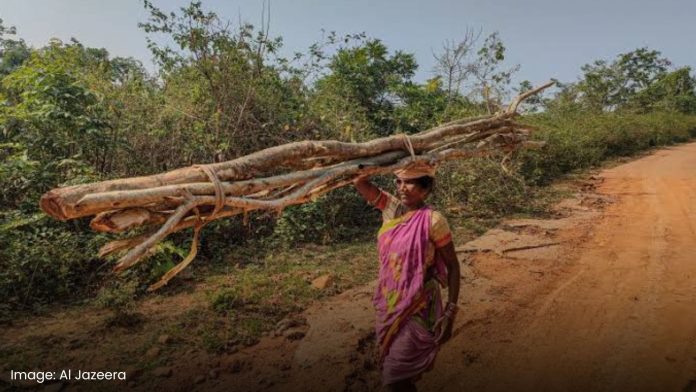
Muhammad Hashim has been displaced from his farm in Balochistan twice. “Farming in an unpredictable climate is like gambling with nature,” he told Al Jazeera. He rebuilt. He kept farming. He is watching the warnings come again.

He is not alone. Across Pakistan’s north and south, the conditions that produced the worst floods in the country’s history are rebuilding themselves. And this year, the warning is louder than it has been before.
The Danger Is Already Above Us

Pakistan’s next flood may not begin with rain falling from the sky. It may begin with water already trapped high in the mountains.

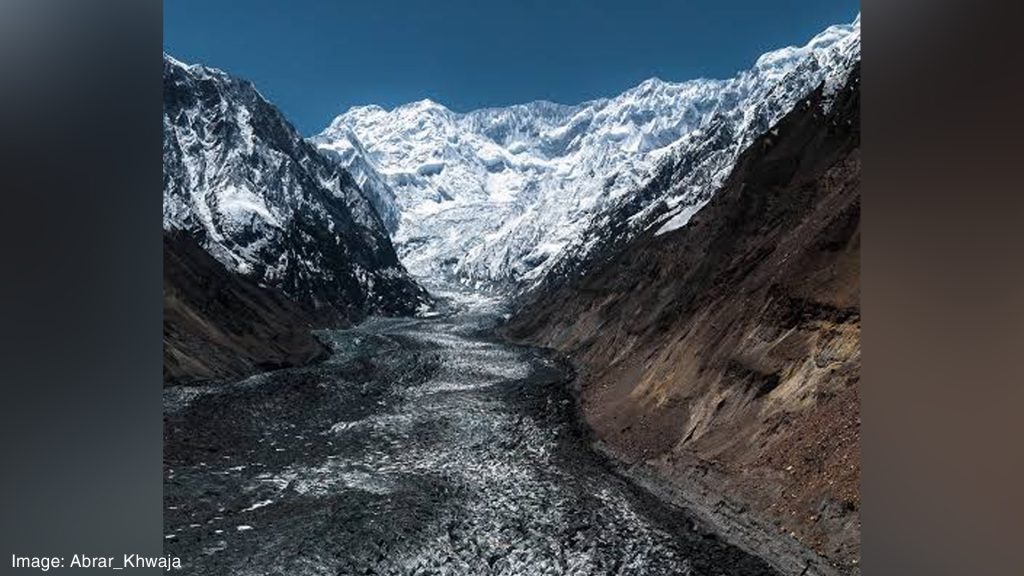
In Gilgit-Baltistan and Khyber Pakhtunkhwa, rising temperatures have helped create 3,044 glacial lakes. Thirty-three of them are considered hazardous and likely to cause glacial lake outburst floods, also known as GLOFs. Over 7.1 million people in GB and KP live in their path.

These are not ordinary floods. When a glacial lake breaks, millions of cubic metres of water and debris can rush through valleys in a matter of hours, destroying homes, roads, bridges, farms and livelihoods below.

This already happened at Shisper Glacier in Hunza in 2022. A glacial lake burst during the spring heatwave, before the monsoon had even arrived, destroying bridges and cutting off communities downstream. It was a preview of exactly what experts now warn is coming again.

First the Mountains, Then the Plains

NDMA’s National Emergency Operations Centre warned that Pakistan faces intense heat, rising temperatures accelerating glacier melt in Gilgit-Baltistan, upper Khyber Pakhtunkhwa and Azad Kashmir, and an elevated risk of GLOFs, landslides and flash flooding downstream.
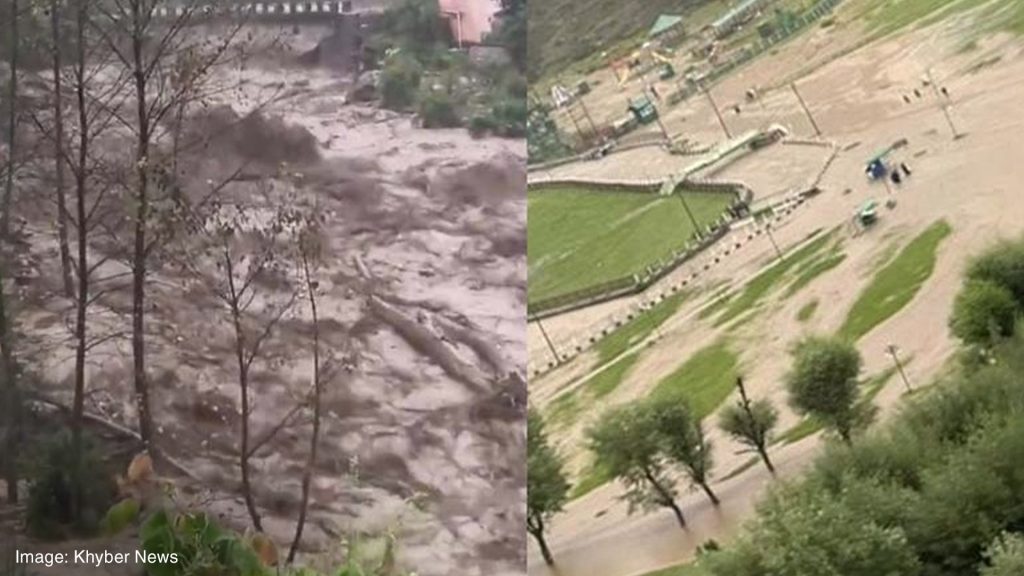
This is the compound disaster Pakistan fears. One threat begins in the north, where glacial lakes can burst above valleys in GB and KP. The other comes later, when the monsoon moves through the plains of Punjab and Sindh. The country is not simply watching one flood season. It is watching two risks move toward each other.

Areas named in NDMA’s most recent warnings include Hunza, Ghizar, Diamer, Astor, Ghanche, Shigar, Chitral, Dir, Swat and Kohistan, along with specific valleys such as Shisper, Gulkin and Kamrat. The Karakoram Highway, Pakistan’s main artery connecting GB to the rest of the country, has been flagged as at risk of closure from landslides. If it shuts, communities are cut off entirely.

The Warning Is Bigger Than Water

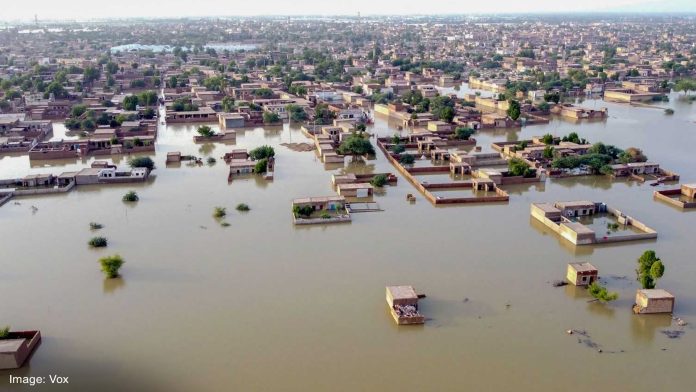
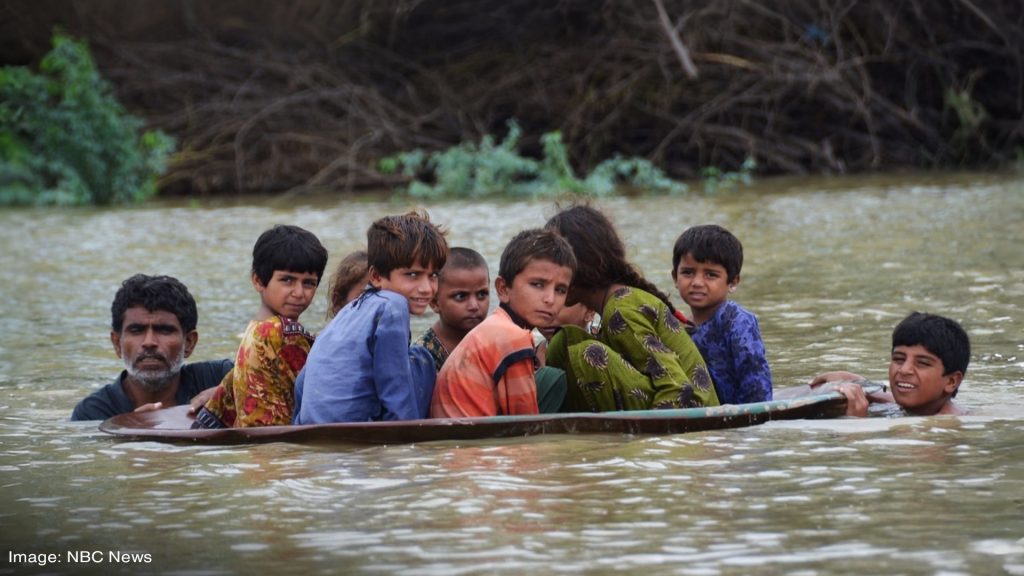
Pakistan has seen what happens when the water wins. The 2022 floods became one of the worst climate disasters in the country’s history. More than 1,700 people were killed. Millions were affected. The World Bank assessed losses at over $30 billion. Nearly one-third of Pakistan was submerged at the height of the disaster.

A World Weather Attribution study found that climate change made peak rainfall during the 2022 floods up to 75% more intense than it would have been in a world without warming. This was not a natural disaster in the traditional sense. It was a climate disaster, accelerated by decades of emissions that Pakistan barely contributed to.

But floods do not end when the water leaves. They stay in food prices. They stay in broken roads. They stay in displaced families. They stay in farmers who lose one season and then enter the next one already in debt.

Pakistan’s wheat crop fell 8.9% last season. Cotton production collapsed 30.7%. When floods hit crops, livestock and transport routes, the damage moves from villages into every kitchen across the country.

The Cruelest Part

Pakistan did not create this crisis at the scale it is now suffering from. The country contributes less than 1% of global greenhouse gas emissions, yet it remains one of the places repeatedly hit by deadly heat, glacial melt, extreme rain and catastrophic flooding. The World Bank warns that climate-driven shocks could reduce Pakistan’s GDP by 18 to 20% by 2050 if significant action is not taken.
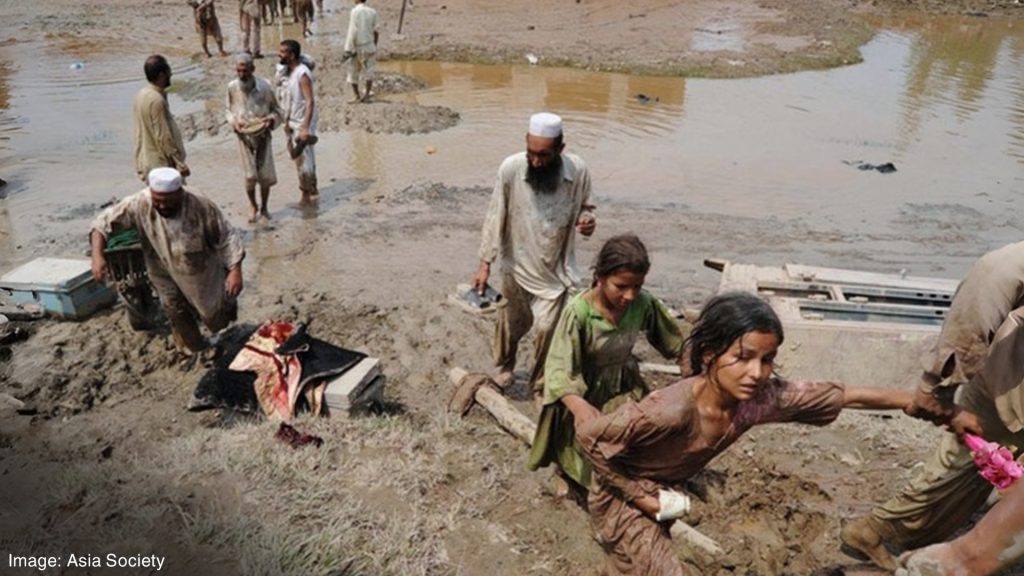
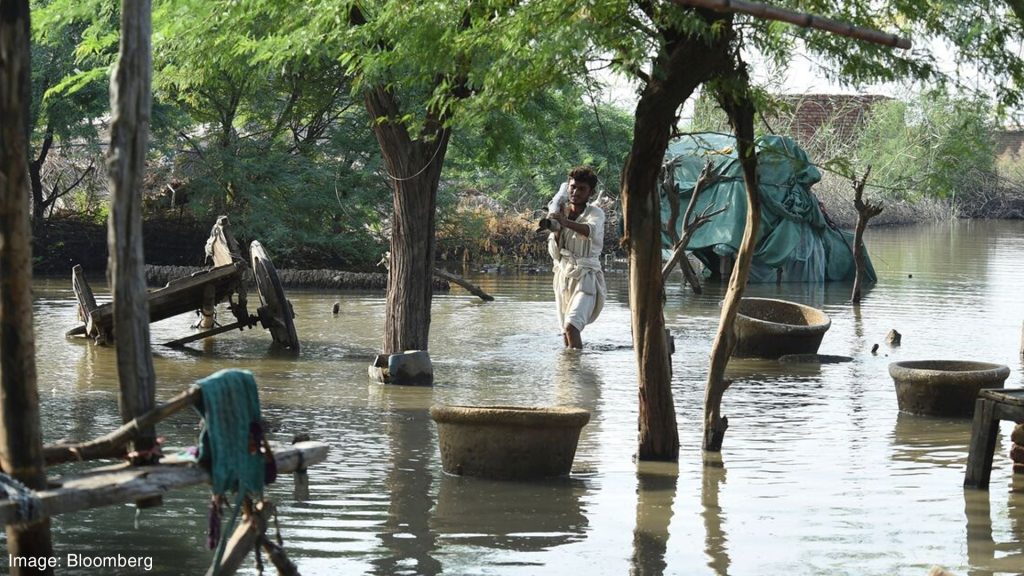
This is climate injustice in real time. The countries that did the least to heat the planet are the ones forced to rebuild, again and again. Pakistan is not only paying through destroyed homes and broken crops. It is paying through lost time, lost schooling, lost health, lost savings and lost futures.

The Choice Before the Water Arrives

The most important thing about this story is that Pakistan has warning. The lakes are mapped. The risk zones are known. NDMA has issued alerts. Early warning systems, flood gauges and hydrological modelling already exist as part of Pakistan’s GLOF risk reduction work in the north.

The question is whether the country acts before the disaster becomes footage. Because if the glaciers burst first, and the monsoon follows, Pakistan will not be dealing with a natural event. It will be dealing with a failure of preparation.

The water is already moving.

By Shizza Farooqui

Sources

NDMA GLOF advisories 2026 | Pakistan Meteorological Department | Ministry of Climate Change / GLOF-II | Arab News Pakistan | Dawn | Express Tribune | Al Jazeera | World Bank | World Weather Attribution | Pakistan Economic Survey 2024-25

The People Paying First

Muhammad Hashim has been displaced from his farm in Balochistan twice. “Farming in an unpredictable climate is like gambling with nature,” he told Al Jazeera. He rebuilt. He kept farming. He is watching the warnings come again.

He is not alone. Across Pakistan’s north and south, the conditions that produced the worst floods in the country’s history are rebuilding themselves. And this year, the warning is louder than it has been before.

The Danger Is Already Above Us

Pakistan’s next flood may not begin with rain falling from the sky. It may begin with water already trapped high in the mountains.

In Gilgit-Baltistan and Khyber Pakhtunkhwa, rising temperatures have helped create 3,044 glacial lakes. Thirty-three of them are considered hazardous and likely to cause glacial lake outburst floods, also known as GLOFs. Over 7.1 million people in GB and KP live in their path.

These are not ordinary floods. When a glacial lake breaks, millions of cubic metres of water and debris can rush through valleys in a matter of hours, destroying homes, roads, bridges, farms and livelihoods below.

This already happened at Shisper Glacier in Hunza in 2022. A glacial lake burst during the spring heatwave, before the monsoon had even arrived, destroying bridges and cutting off communities downstream. It was a preview of exactly what experts now warn is coming again.

First the Mountains, Then the Plains

NDMA’s National Emergency Operations Centre warned that Pakistan faces intense heat, rising temperatures accelerating glacier melt in Gilgit-Baltistan, upper Khyber Pakhtunkhwa and Azad Kashmir, and an elevated risk of GLOFs, landslides and flash flooding downstream.

This is the compound disaster Pakistan fears. One threat begins in the north, where glacial lakes can burst above valleys in GB and KP. The other comes later, when the monsoon moves through the plains of Punjab and Sindh. The country is not simply watching one flood season. It is watching two risks move toward each other.

Areas named in NDMA’s most recent warnings include Hunza, Ghizar, Diamer, Astor, Ghanche, Shigar, Chitral, Dir, Swat and Kohistan, along with specific valleys such as Shisper, Gulkin and Kamrat. The Karakoram Highway, Pakistan’s main artery connecting GB to the rest of the country, has been flagged as at risk of closure from landslides. If it shuts, communities are cut off entirely.

The Warning Is Bigger Than Water

Pakistan has seen what happens when the water wins. The 2022 floods became one of the worst climate disasters in the country’s history. More than 1,700 people were killed. Millions were affected. The World Bank assessed losses at over $30 billion. Nearly one-third of Pakistan was submerged at the height of the disaster.

A World Weather Attribution study found that climate change made peak rainfall during the 2022 floods up to 75% more intense than it would have been in a world without warming. This was not a natural disaster in the traditional sense. It was a climate disaster, accelerated by decades of emissions that Pakistan barely contributed to.

But floods do not end when the water leaves. They stay in food prices. They stay in broken roads. They stay in displaced families. They stay in farmers who lose one season and then enter the next one already in debt.

Pakistan’s wheat crop fell 8.9% last season. Cotton production collapsed 30.7%. When floods hit crops, livestock and transport routes, the damage moves from villages into every kitchen across the country.

The Cruelest Part

Pakistan did not create this crisis at the scale it is now suffering from. The country contributes less than 1% of global greenhouse gas emissions, yet it remains one of the places repeatedly hit by deadly heat, glacial melt, extreme rain and catastrophic flooding. The World Bank warns that climate-driven shocks could reduce Pakistan’s GDP by 18 to 20% by 2050 if significant action is not taken.

This is climate injustice in real time. The countries that did the least to heat the planet are the ones forced to rebuild, again and again. Pakistan is not only paying through destroyed homes and broken crops. It is paying through lost time, lost schooling, lost health, lost savings and lost futures.

The Choice Before the Water Arrives

The most important thing about this story is that Pakistan has warning. The lakes are mapped. The risk zones are known. NDMA has issued alerts. Early warning systems, flood gauges and hydrological modelling already exist as part of Pakistan’s GLOF risk reduction work in the north.

The question is whether the country acts before the disaster becomes footage. Because if the glaciers burst first, and the monsoon follows, Pakistan will not be dealing with a natural event. It will be dealing with a failure of preparation.

The water is already moving.

By Shizza Farooqui

Sources

NDMA GLOF advisories 2026 | Pakistan Meteorological Department | Ministry of Climate Change / GLOF-II | Arab News Pakistan | Dawn | Express Tribune | Al Jazeera | World Bank | World Weather Attribution | Pakistan Economic Survey 2024-25
spot_img

Explore more

spot_img
Global Affairs

Isr*el Is Burning Lebanon From The Sky

Saudi Arabia Just Dug Up The Words Of Islam’s Second Caliph,...

The Most Hostile World Cup Ever

The Ceasefire Died Near Hormuz Last Night.

Your Closest Ally Is Spying On You.

AJK Is At A Crossroads. What Happens Next?

The Rich Are Planning Doomsday Escapes.