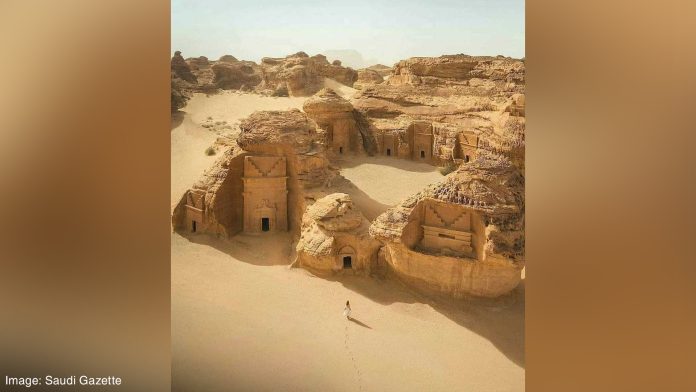
Saudi Arabia is uncovering more than ruins. Across two major heritage efforts in the Madinah region, archaeologists are documenting the written, carved, and physical memory of early Islamic history, pre-Islamic Arabia, and the ancient pilgrimage routes to Makkah. In Al-Mahd governorate, the Saudi Heritage Commission documented 1,774 archaeological discoveries including Islamic inscriptions, Thamudic inscriptions, rock art, caravan routes, wells, and historical palaces. At Miqat Al-Juhfah, another excavation uncovered more than 1,700 finds at one of Islam’s historic pilgrimage gateways northwest of Makkah.
The Prayer That Survived 1,400 Years
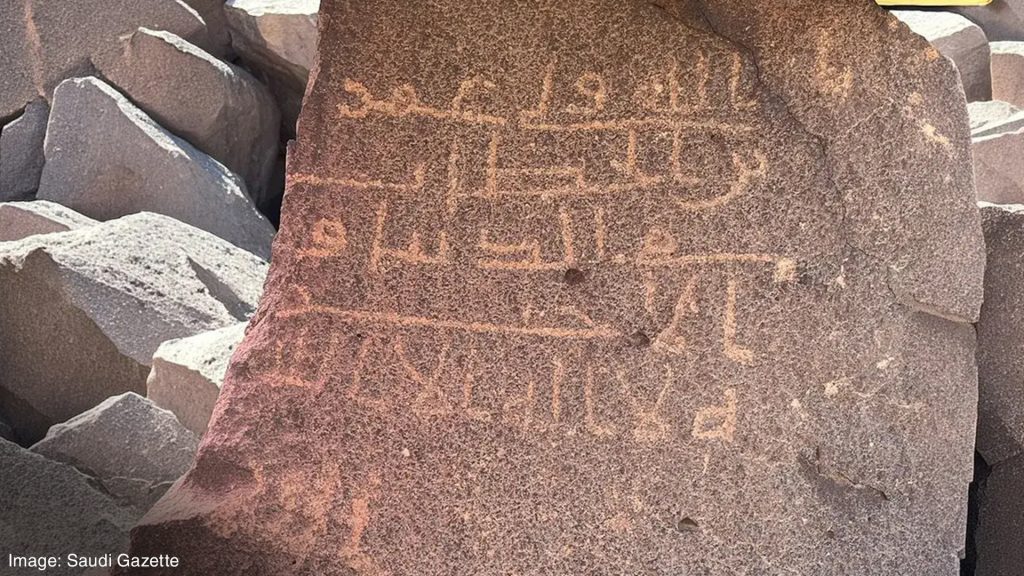
The most striking find came from Al-Mahd, where archaeologists documented a rare rock inscription bearing the name of Umar ibn Al-Khattab (RA), Islam’s second caliph. The inscription reads in full: “Allah is the Protecting Guardian of Umar ibn Al-Khattab in this world and the next. There is no god but Allah.”
That single inscription has moved Muslims around the world. Umar (RA) was one of the most consequential figures in Islamic history, remembered for justice, leadership, and the expansion of the early Muslim state. The possibility that these words were carved by Umar (RA) himself makes the discovery extraordinary, though archaeologists have not yet confirmed that as established fact. What is confirmed is that someone from the earliest generation of Islam carved his name and this prayer into basalt rock in the Saudi desert, where it survived untouched for fourteen centuries.
A Landscape Of Memory And Power
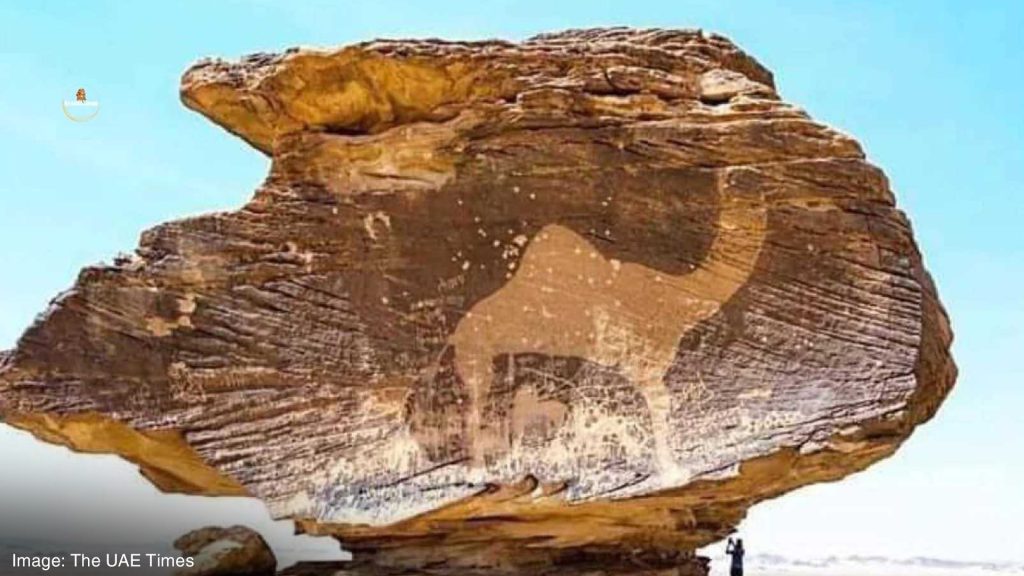
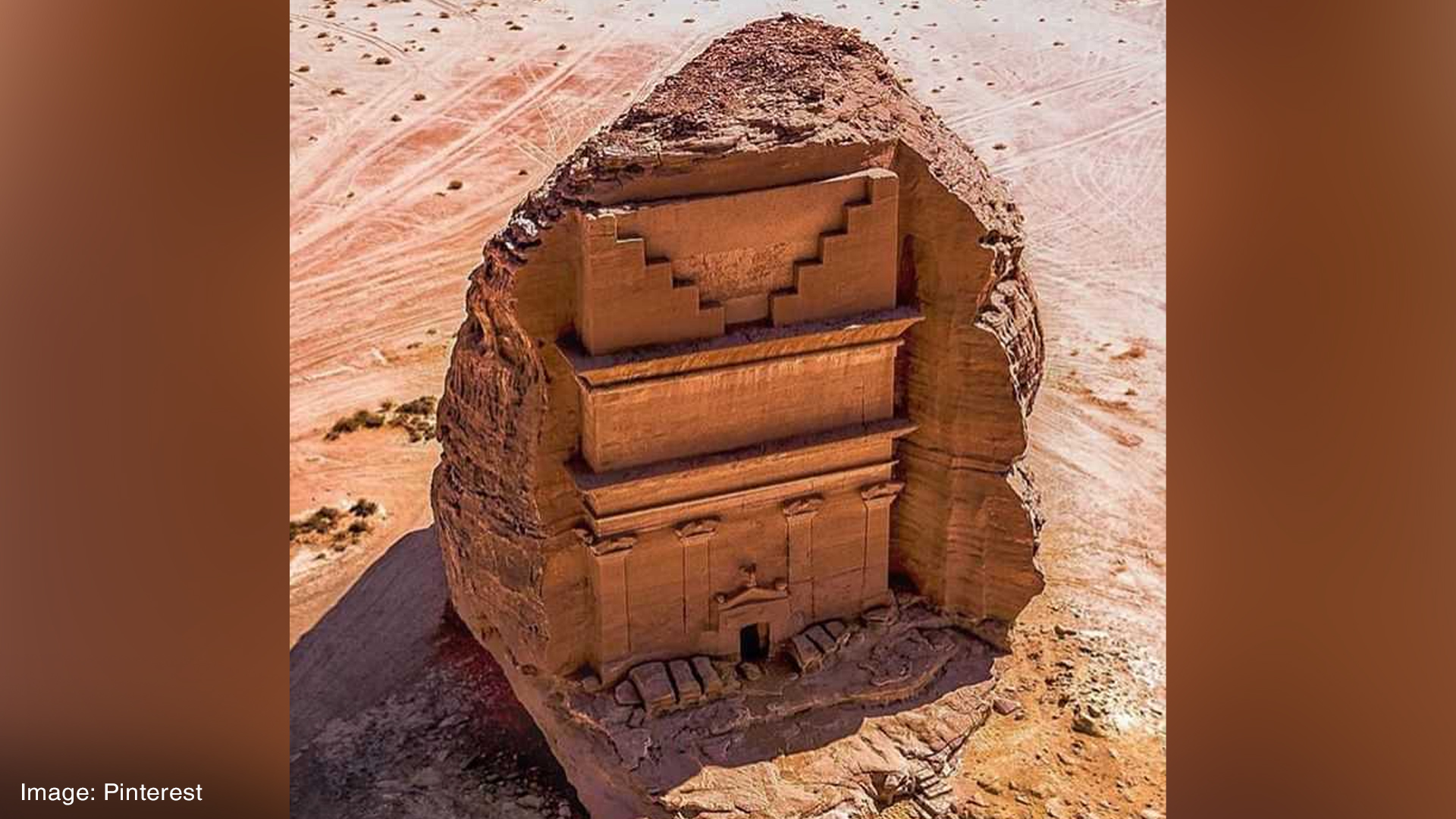
The Umar (RA) inscription was not found in isolation. The wider Al-Mahd survey documented 461 Islamic inscriptions, 34 Thamudic inscriptions, 1,259 rock art panels, 11 stone structures, three historical palaces, two caravan routes, and four wells. Al-Mahd was not empty desert. It was a landscape of movement, settlement, writing, water, memory, and power.
The Islamic inscriptions and Arabic poetry carved into rock faces are particularly striking. They turn the land into a written archive, preserving the marks of people who crossed, prayed, and carved their words into stone. The palaces, wells, and caravan routes show that this was part of a connected landscape shaped by travel, authority, and survival.
The People The Quran Condemned
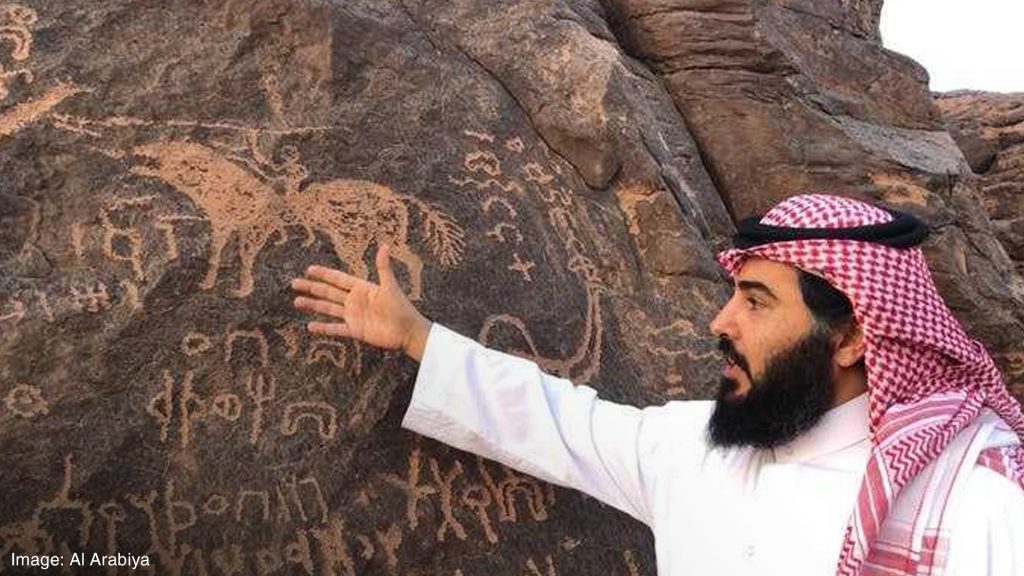
The Al-Mahd survey also documented 34 Thamudic inscriptions, linked to pre-Islamic Arabian writing dated roughly from 1000 BCE to 500 CE. The Thamud are mentioned in the Quran as a condemned people who rejected Prophet Salih (AS). Finding their inscriptions on the same rock faces that later carried early Islamic carvings places two entirely different worlds, one destroyed by history, one that changed it, in the same physical space.
The Cradle Of Gold
Al-Mahd carries another layer of history that reaches far beyond Islam. The region is known as Mahd adh Dhahab, the Cradle of Gold, and has been mined since approximately 3,000 BC. Some archaeologists believe it may be the biblical Ophir, the source of King Solomon’s legendary gold. The same ground that held Solomon’s gold also held Umar’s (RA) words. History here does not end. It layers.
The Ancient Road To Makkah
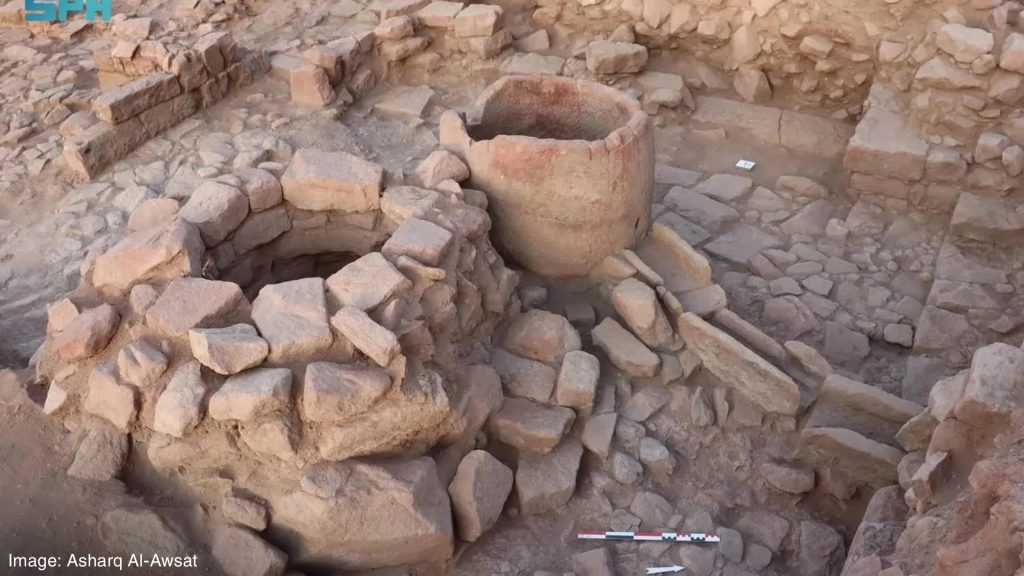
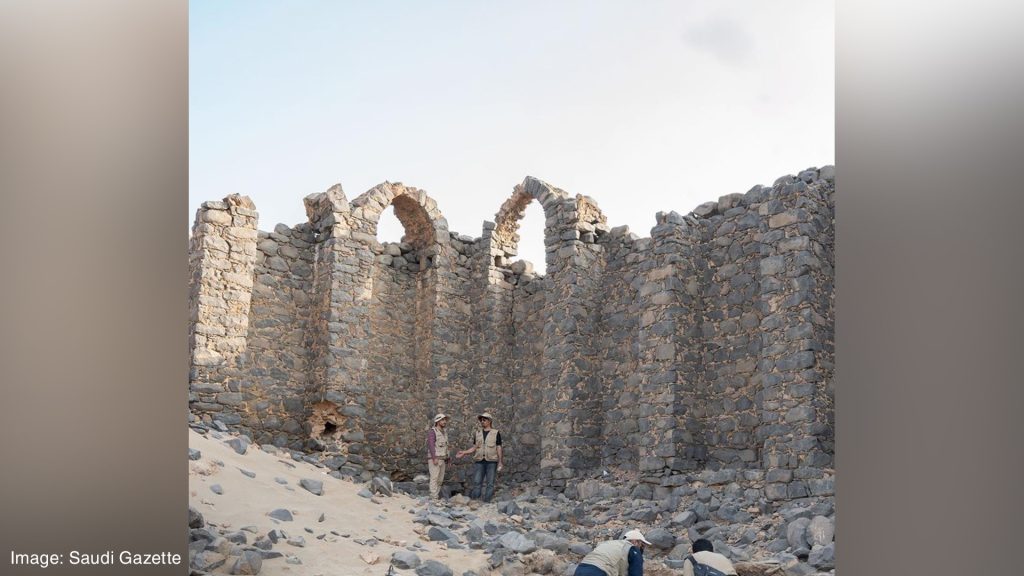
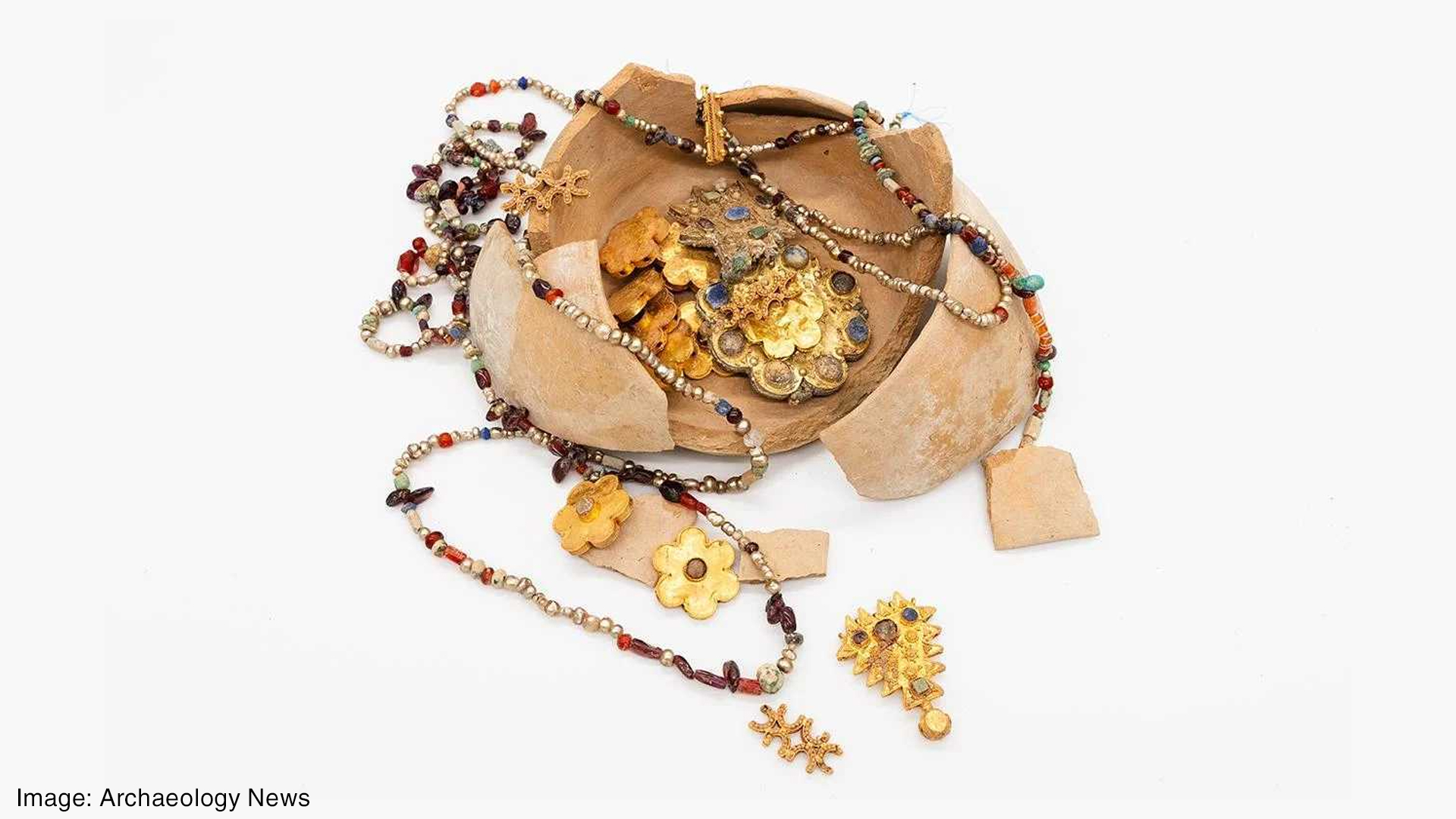
The second major site, Miqat Al-Juhfah, is one of Islam’s historic miqat points, the boundary where pilgrims enter the state of ihram before performing Hajj or Umrah. At Al-Juhfah, archaeologists uncovered pottery, glass, shells, beads, metal objects, six pottery kilns, a water channel built for travelers, and 13 tombstones dating to the Umayyad and Abbasid periods.
These finds show that Al-Juhfah was a working pilgrimage station where people stopped, drank, traded, prayed, lived, and were buried. The Prophet Muhammad (PBUH) stopped here in 632 CE on his way to the Farewell Pilgrimage and assumed ihram at this exact site. Every pilgrim who enters ihram at Al-Juhfah today is performing the same sacred act in the same sacred place. The artifacts found here, pottery from Egypt, objects from the Levant, items linked to Abyssinia, show that Islam was a global civilisation from its very first century.
A Desert Archive
Together, the discoveries turn the desert into an archive. Umar’s (RA) prayer carved into rock. Thamudic inscriptions from Arabia’s pre-Islamic past. Thirteen pilgrim graves. A water channel someone built so strangers would not go thirsty. Objects from three continents in the same earth.
These were not just ruins. They were signs of a land that was walked, written on, prayed through, lived in, and remembered. More than a thousand years later, Saudi Arabia is finally reading what was left behind.
By Shizza Farooqui
Sources
Arab News (Al-Mahd): https://www.arabnews.com/node/2646542/saudi-arabia
Arab News (Al-Juhfah): https://www.arabnews.com/node/2646009/saudi-arabia
Saudi Gazette (Al-Mahd): https://saudigazette.com.sa/article/661974/saudi-arabia
Saudi Gazette (Al-Juhfah): https://saudigazette.com.sa/article/661862/saudi-arabia
Asharq Al-Awsat: https://english.aawsat.com/culture/5280476Saudipedia: https://saudipedia.com/article/3247/religion/miqat-al-juhfah