
Super El Niño Could Push Earth Into Record Heat

Scientists Warn ‘Super El Niño’ Could Trigger Record Global Heat

Maryam Tariq

Rapid Pacific Warming Raises Alarm

Scientists are increasingly concerned that a developing El Niño in the Pacific Ocean could become one of the strongest ever recorded. New forecasts from global climate agencies suggest the phenomenon may intensify into a “super El Niño” by the end of 2026, bringing severe global consequences.

According to the US National Oceanic and Atmospheric Administration (NOAA), sea surface temperatures in parts of the tropical Pacific are already significantly above normal levels. Climate experts say the current pace of warming is unusually rapid and could lead to historic temperature records worldwide.

Fears of Extreme Weather and Food Crises

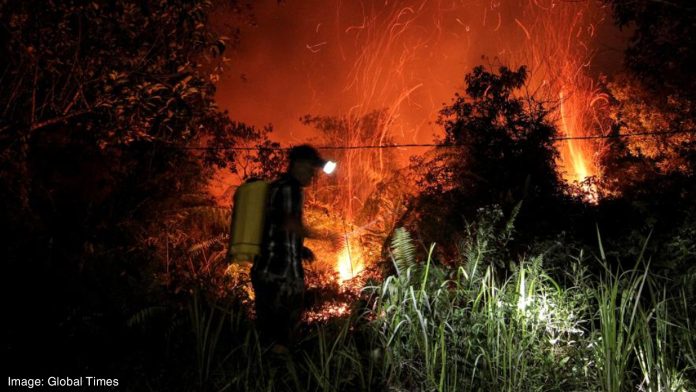
A strong El Niño typically raises global average temperatures and disrupts weather systems across multiple continents. Scientists warn the world could face more droughts, floods, wildfires, and agricultural losses over the coming months.

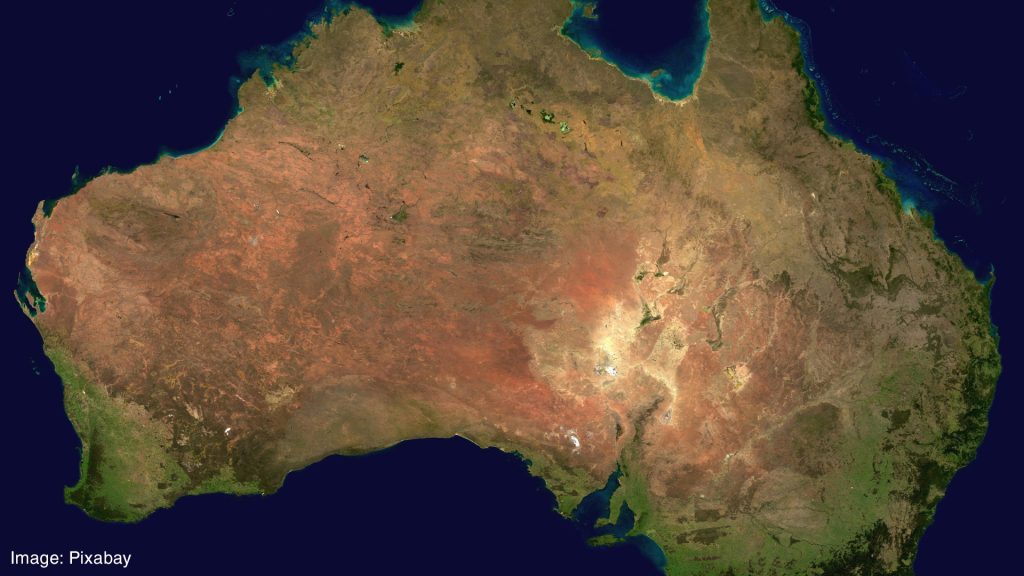
Regions such as Australia, Indonesia, and parts of South America may experience severe drought conditions and increased wildfire risks. Meanwhile, Peru, East Africa, and other vulnerable regions could face intense flooding.
Experts also fear that declining crop yields and rising fertiliser costs may worsen global food insecurity, especially in countries already struggling with inflation or conflict.

2027 Could Become the Hottest Year on Record

Climate researchers believe the developing El Niño could make 2027 the warmest year ever recorded globally. The last major El Niño event in 2015–16 contributed to record-breaking temperatures worldwide.

Sources: BBC \ NOAA
Scientists Warn ‘Super El Niño’ Could Trigger Record Global Heat

Maryam Tariq

Rapid Pacific Warming Raises Alarm

Scientists are increasingly concerned that a developing El Niño in the Pacific Ocean could become one of the strongest ever recorded. New forecasts from global climate agencies suggest the phenomenon may intensify into a “super El Niño” by the end of 2026, bringing severe global consequences.

According to the US National Oceanic and Atmospheric Administration (NOAA), sea surface temperatures in parts of the tropical Pacific are already significantly above normal levels. Climate experts say the current pace of warming is unusually rapid and could lead to historic temperature records worldwide.

Fears of Extreme Weather and Food Crises

A strong El Niño typically raises global average temperatures and disrupts weather systems across multiple continents. Scientists warn the world could face more droughts, floods, wildfires, and agricultural losses over the coming months.

Regions such as Australia, Indonesia, and parts of South America may experience severe drought conditions and increased wildfire risks. Meanwhile, Peru, East Africa, and other vulnerable regions could face intense flooding.

Experts also fear that declining crop yields and rising fertiliser costs may worsen global food insecurity, especially in countries already struggling with inflation or conflict.

2027 Could Become the Hottest Year on Record

Climate researchers believe the developing El Niño could make 2027 the warmest year ever recorded globally. The last major El Niño event in 2015–16 contributed to record-breaking temperatures worldwide.

Sources: BBC \ NOAA

spot_img

Explore more

spot_img
Global Affairs

Chinese Nationals Smuggled Human Tissue Out of Pakistani Hospitals to Sell...

History Is Repeating. A Cold War Soviet Playbook Is Running Across...

Germany’s Power Grid Attacks Fit a Pattern Tied to Ukraine Support

Is the US-Venezuela Oil Deal Really About Gas Prices, or a...

How Ratko Mladic Personally Ignited and Directed the Bosnian Genocide

Kuwait’s New Pact With Pakistan Could Reshape Gulf Alliances, and It’s...

Political Scapegoating: Why Islamophobia Spikes Every Election Cycle

China Calls New US Sanctions on Iran “Illegal,” Answering the Question...