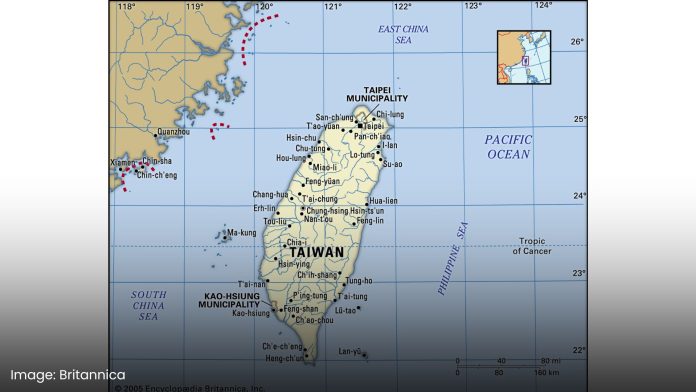
Taiwan occupies one of the most unusual positions in international politics. It governs itself as a functioning political entity, yet its sovereignty remains contested, and its formal diplomatic recognition is limited. This ambiguity has persisted for decades and has now become increasingly important to the wider strategic competition between China and the United States.
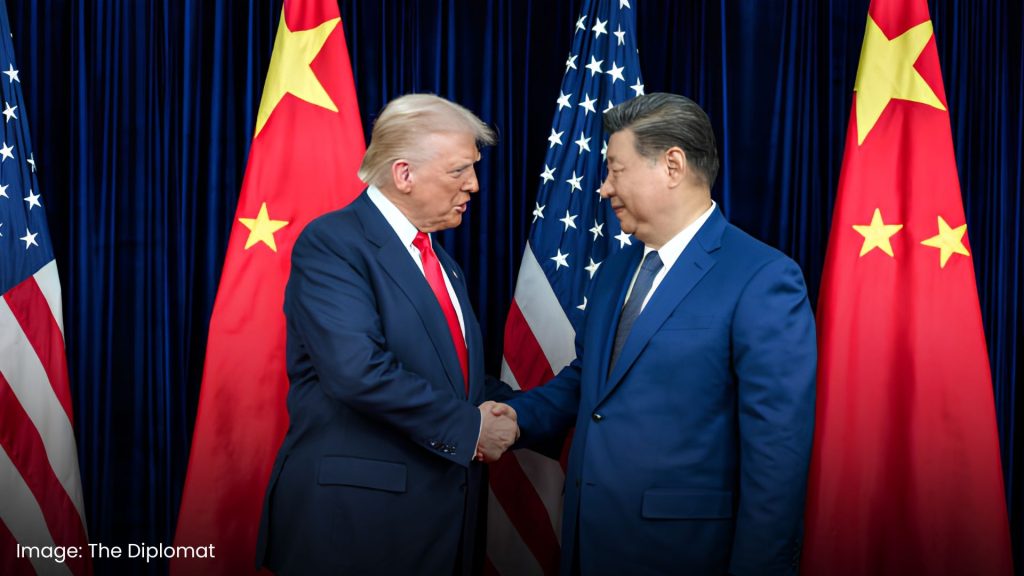
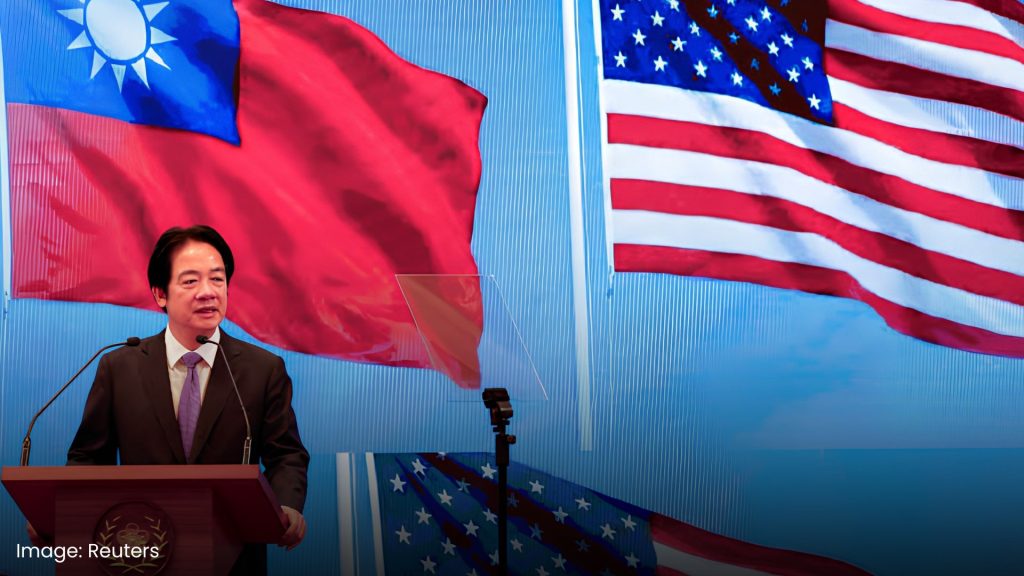
The immediate focus returned to Taiwan after Chinese President Xi Jinping told US President Donald Trump on September 24 that Washington should oppose “Taiwan independence” and reiterated Beijing’s position on reunification. The statement once again highlighted a fundamental question: if Taiwan already governs itself independently, what exactly does “Taiwan independence” mean?
A Political Reality Created by History
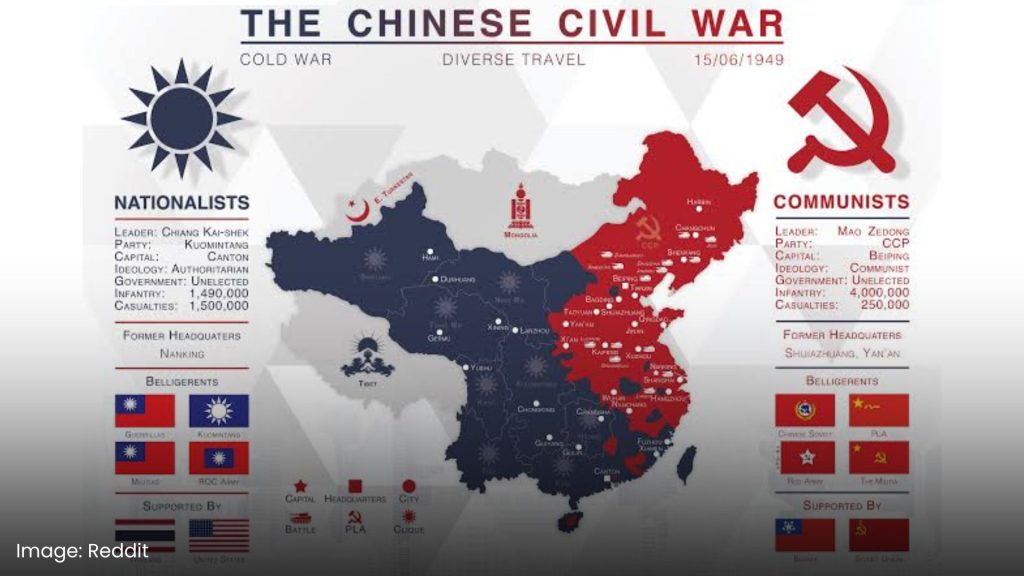
Taiwan’s current status is rooted in the Chinese Civil War. In 1949, Communist forces established the People’s Republic of China (PRC) on the mainland, while the Republic of China (ROC) government relocated to Taiwan. For years, both governments claimed to represent China.
That diplomatic competition changed significantly in 1971, when the PRC replaced the ROC as the representative of China at the United Nations. In 1979, the United States also shifted diplomatic recognition from Taipei to Beijing. Taiwan consequently lost much of the formal diplomatic recognition it had previously enjoyed, even though the PRC never established governmental control over the island. The result is an unusual separation between political control and diplomatic status.
Independent in Practice
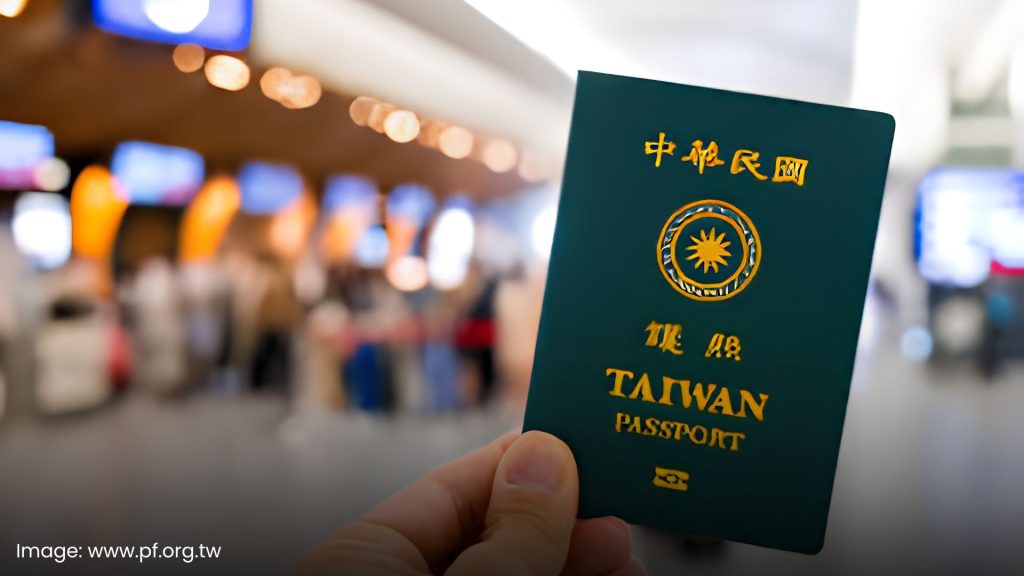
By virtually every practical measure of self-government, Taiwan operates separately from Beijing. Its population elects its own leaders, its government controls its territory, and it maintains its own military, currency and passport. Taiwan’s government therefore describes the Republic of China as a sovereign state and rejects Beijing’s authority to represent it. Reuters characterises this situation as de facto independence, while noting that it is not formally recognised by most countries.
However, formal independence would be a different matter. Declaring a new state of “Republic of Taiwan” would require constitutional changes and a referendum rather than simply a presidential announcement. Taiwan has not taken that step, and its major political parties have different positions on changing the island’s constitutional framework and name.
Why Beijing Opposes “Taiwan Independence”
For Beijing, Taiwan is not an unresolved foreign territory but part of China. The Chinese government regards any move toward permanent separation as “Taiwan independence” and has repeatedly stated that it will not renounce the use of force to achieve reunification.
China has also proposed a “one country, two systems” framework for Taiwan, although Reuters reports that no major political party on the island supports that proposal. This leaves a fundamental disagreement: Beijing frames the issue around national sovereignty and reunification, while Taiwan’s government frames it around its existing self-government and the authority of its own political system.
Washington’s Deliberate Ambiguity
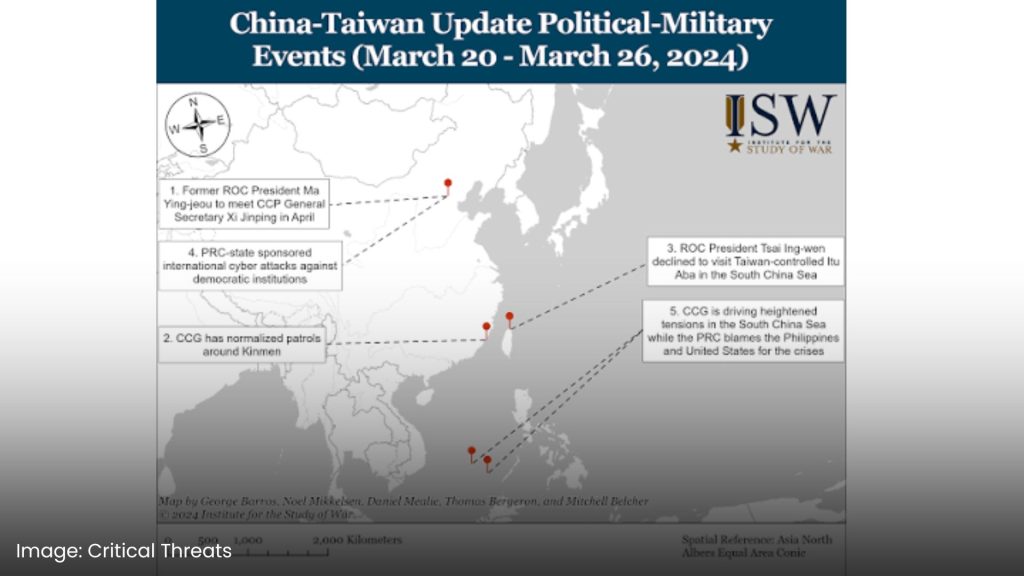
The United States occupies an equally complicated position. Washington formally recognises the PRC rather than Taiwan, but maintains extensive unofficial relations with Taipei. Under the Taiwan Relations Act, the US provides Taiwan with the means to maintain its self-defence capabilities. Washington also states that it opposes unilateral changes to the status quo and does not support Taiwan independence.
This is the logic behind strategic ambiguity. The US does not formally recognise Taiwan as an independent state, but neither does it accept Beijing’s control over the island. At the same time, Washington has historically avoided giving Beijing or Taipei a completely predictable answer about how it would respond to a conflict. This ambiguity is intended to preserve the existing balance—but it also means that Taiwan’s international position remains deliberately unresolved.
The Status Quo Is the Real Battleground
The Taiwan question is therefore not simply a dispute over whether an island is “independent.” It is a contest over sovereignty, recognition and the future of the existing political order.
Taiwan already possesses many characteristics associated with sovereign statehood. Yet formal recognition remains limited, Beijing continues to claim sovereignty, and Washington maintains a policy designed to avoid formally resolving the question.
That ambiguity has allowed the status quo to persist, but it has also made Taiwan a central flashpoint in US-China relations. Any attempt to fundamentally alter that status, whether through formal Taiwanese independence, Chinese coercion or a major shift in US policy, would challenge an arrangement that has remained unresolved for decades.
The Taiwan question therefore survives precisely because the political reality and the diplomatic reality do not completely match. And as US-China rivalry deepens, that gap is becoming increasingly difficult to manage.
References