They Offered To Show Their Faces. Police Used Force Instead.
By Shizza Umer
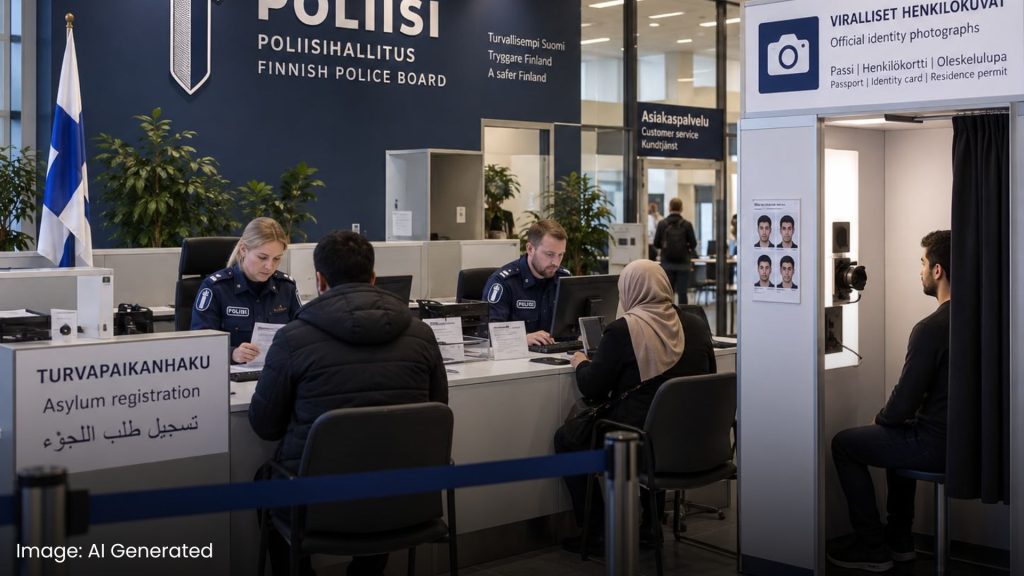
Two women walked into a police station in Hämeenlinna in May 2017 to register asylum applications. Nine years later, what happened in that room has been settled by Finland’s highest court, and the answer will shape how police across the country treat Muslim women who wear the hijab.
What Happened At Hämeenlinna Police Station
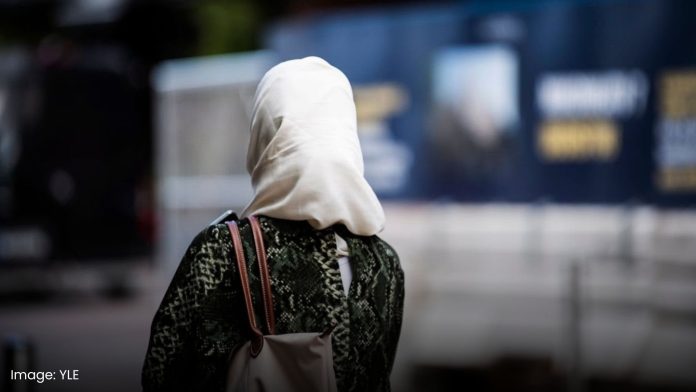
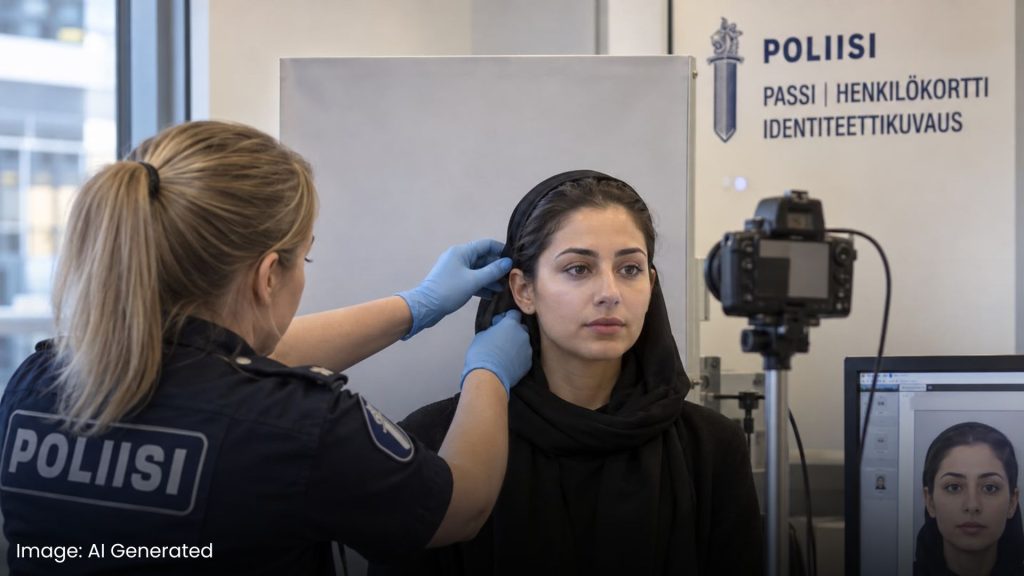
The women were told their registration photographs had to be taken without their headscarves. Their hijabs covered their hair and heads but left their faces visible. They refused on religious grounds.
This was not an officer’s personal preference. Police Board guidelines in force at the time required that where a person wears a headscarf or veil for religious reasons, the photographs be taken both with the covering and without it. The officers were applying written policy.
The Offer The Police Turned Down
What makes this case difficult is that the women never refused to be identified.
They proposed being photographed at another station, where they said earlier registration pictures had already been taken while they wore their scarves. They also indicated they would accept photographs with the scarves moved toward the backs of their heads, leaving their faces and ears visible while some hair stayed covered.
Police offered only that female staff alone would be present during the photography. The alternatives were declined.
Force, Then Nine Years Of Courts
A senior officer then instructed his officers to obtain the photographs without the scarves, using no more force than necessary.
One woman was restrained by the arms and pressed against a wall before being seated, her scarf moved from her head, and her shoulder and upper arm held while the photograph was taken. The other was held by the arms while she was photographed.
Seven defendants, police officers and security guards, were charged with assault, incitement to assault and breach of official duty. Kanta-Häme District Court dismissed the charges in September 2022. The Court of Appeal upheld that dismissal in 2024. Not one defendant was convicted at any stage.
What Finland’s Supreme Court Decided
On 22 September 2026 the Supreme Court upheld the outcome. It found that photographing an asylum seeker without a religious head covering pursued the legitimate aim of reliable identification throughout the asylum process, and that the force used was proportionate to the resistance encountered.
The judgment also states that police measures must respect fundamental and human rights, and that any use of force must meet tests of necessity and proportionality. The ruling is significant beyond these two women because it is seen as setting a precedent for similar cases in future.
The Justice Who Said It Was Not Necessary
Justice Tuija Turpeinen drew a distinction the majority did not.
Controlling an escalating situation is one thing. Using force specifically to obtain completely scarf-free photographs is another. Because the women had already offered an arrangement that left their faces and ears visible, identification was achievable without removing the scarves at all. On that reasoning, the force was neither necessary nor justified.
Austria Is Pulling In The Opposite Direction
Weeks before the Finnish ruling, Austria began enforcing a different kind of hijab law.
From the start of the 2026/27 school year, girls under 14 are prohibited from wearing Islamic headscarves in state and private schools, with repeated breaches carrying fines of 150 to 800 euros for parents. Austria’s Constitutional Court struck down an earlier version of the ban in 2020, finding it discriminated against Muslims. The court has said it expects to rule on the new law in the first half of 2027.
Two Countries, One Question
These are not the same laws. One is about police powers during identification. The other is about what children may wear to school.
But within a month, two European states have placed the hijab at the centre of a dispute over who holds authority over it. One has settled when it can be taken off by force. The other is deciding when it cannot be put on at all.
Who ultimately gets to decide when a Muslim woman or girl removes her hijab?
By Shizza Umer

Sources
Finlex, Supreme Court of Finland KKO:2026:67