As world leaders prepared to gather in Evian, shopkeepers in Geneva were already boarding up their windows.
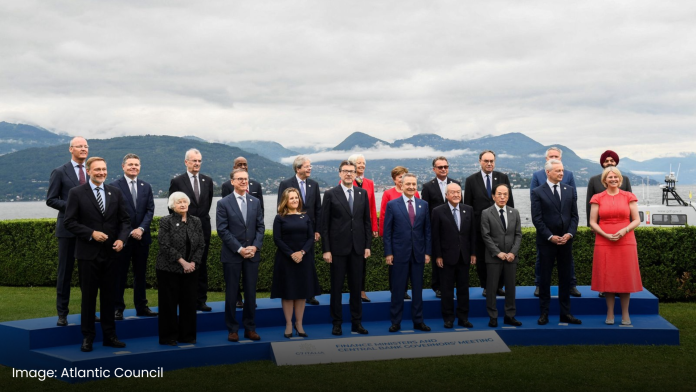
The G7 summit opened in the polished world of diplomacy: security barriers, formal welcomes, closed-door meetings and lakeside optics. Leaders gathered in Évian-les-Bains to discuss Iran, Ukraine, artificial intelligence, global trade, debt, critical minerals and the economic pressures shaping the world.
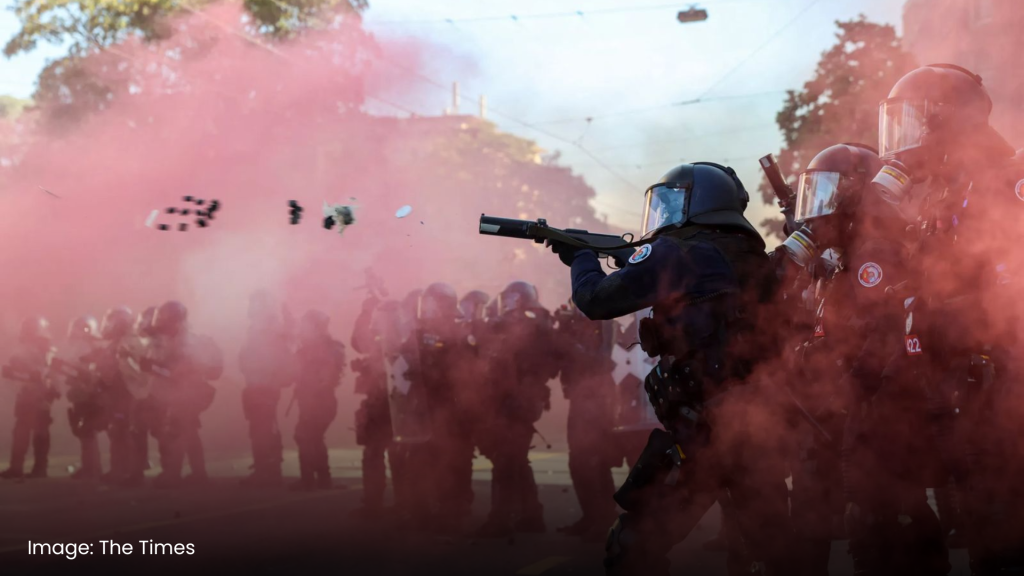
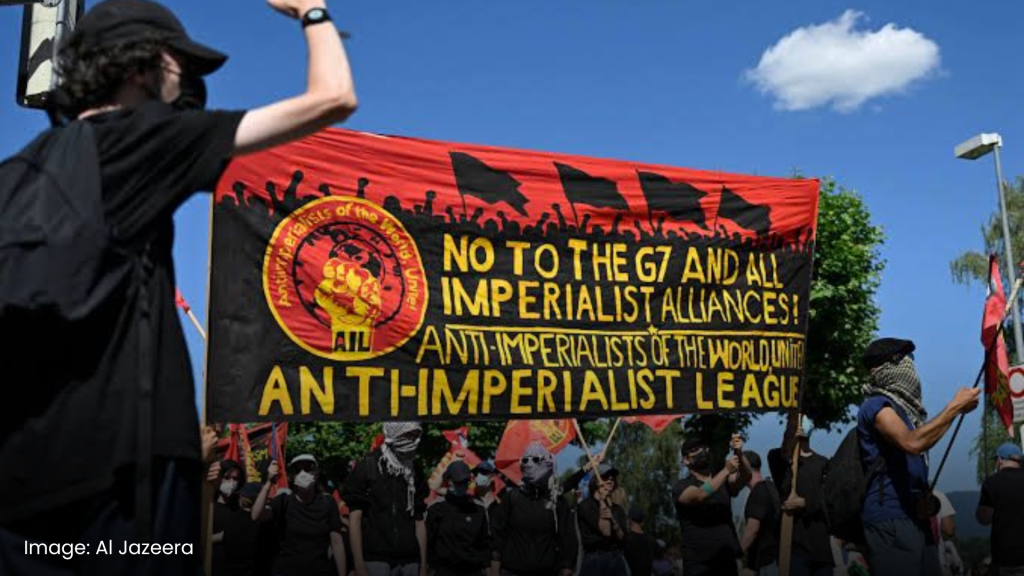
But nearby Geneva told the other half of the story. Protesters filled the streets, police prepared for confrontation, and the summit’s carefully managed image collided with public anger over inequality, war and elite power.
The summit opened with luxury and security.
Evian was chosen for a reason. It offered control, beauty and symbolism. World leaders could meet by Lake Geneva while the machinery of global power carried on behind security lines. For the G7, the agenda was broad and urgent. Iran and regional escalation were high on the list. Ukraine remained central. AI and online safety were part of the discussion. So were debt, supply chains and economic instability.
But summits like this are never just about the official agenda. They are also about who gets to sit at the table, and who is left outside the barricades.
Geneva became the answer to that image.
Reuters reported that Geneva stepped up security ahead of a planned anti-G7 protest, with scores of shops boarded up and Switzerland mobilising thousands of soldiers to support security during the summit. France also deployed thousands of police officers for the summit in Evian.
The key is not to flatten every protester into one image. Many came out peacefully. But the confrontation became the visual counterpoint to the summit itself: world leaders protected by security, while public anger was pushed back in the streets.
The contrast was the real story.
That is why this story works for Verum. The G7 was discussing the world’s crises, but Geneva showed what those crises feel like from below. The cost of war. The cost of sanctions. The cost of inflation. The cost of debt. The cost of climate instability. The cost of decisions made far away by people ordinary citizens never voted for.
Evian had the microphones. Geneva had the anger.
Iran and Hormuz gave the summit even more weight.
The timing made the summit more charged. The US-Iran ceasefire framework and the reopening of the Strait of Hormuz turned global energy into an immediate concern. Leaders were not only discussing long-term policy. They were reacting to a world that had just stepped back from a dangerous regional escalation.
For markets, that meant oil prices and stability. For ordinary people, it meant whether another war would raise costs, destabilize supply chains or push the region deeper into crisis.
The agenda was broad. The anger was broader.
The G7 wanted to project responsibility. Protesters wanted to expose contradiction. Leaders spoke about stability while wars continued. They spoke about AI safety while economic inequality deepened. They spoke about global cooperation while much of the world remains outside the room where decisions are shaped.
That tension is not new. But in Geneva, it became visible again.
The G7 came to Evian. Geneva answered back.
The summit may produce statements, commitments and carefully worded communiqués. But the streets delivered their own message: global power is not trusted simply because it gathers under flags and microphones.
For the G7, Evian was a stage of order.
For Geneva, it was a reminder that order without justice still looks like control.
Sources:
This story is based on reporting from Reuters, the US Embassy Bern security alert, SwissInfo, Le Monde and regional reporting on G7 security and protests.