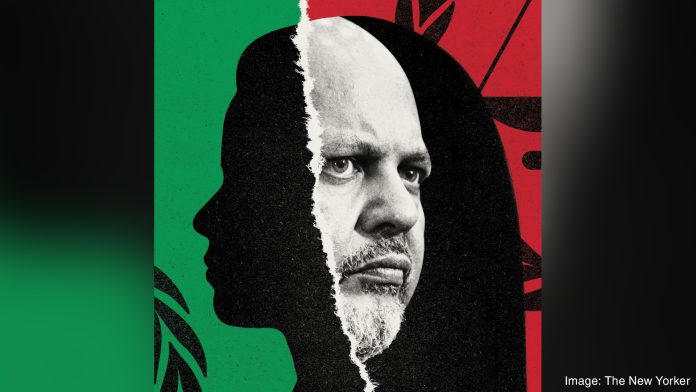
The ICC Wanted Netanyahu Arrested. Now Its Own Prosecutor Is Fighting For His Job

Karim Khan’s Suspension Has Put The ICC In Crisis

The International Criminal Court was built to prosecute the crimes that states often refuse to touch: war crimes, crimes against humanity, genocide and crimes of aggression.

Now, the court itself is facing one of the most serious credibility tests in its history.

Karim Khan, the ICC’s chief prosecutor, has been suspended while the court’s 125 member states decide whether he should remain in office. The suspension follows sexual misconduct allegations involving a female aide. Khan denies wrongdoing and has argued that the decision against him is unfair, unlawful and unsupported by evidence. Khan has not led the ICC’s Office of the Prosecutor since May 2025, when he voluntarily stepped aside pending the outcome of the inquiry. Monday’s formal suspension changes his legal status but not the day-to-day functioning of the court, which his deputies have been running for over a year.

The allegations are serious and must be treated seriously. But the political timing is also impossible to ignore.

The ICC Prosecutor Who Pursued Netanyahu Is Now Fighting For His Job

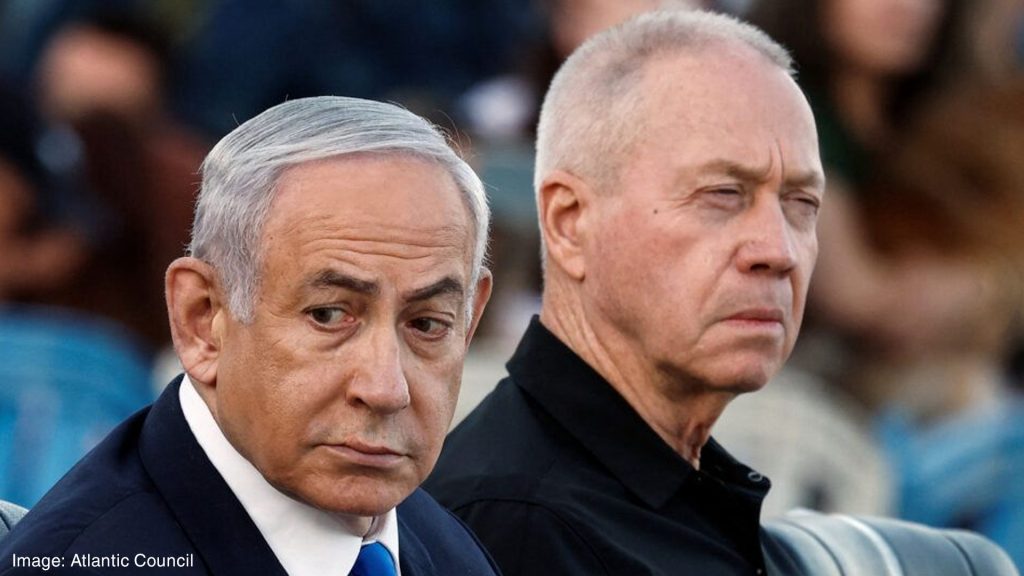
Khan is the same prosecutor who sought arrest warrants for Isr*eli Prime Minister Benjamin Netanyahu and former defence minister Yoav Gallant over alleged war crimes and crimes against humanity in Gaza.
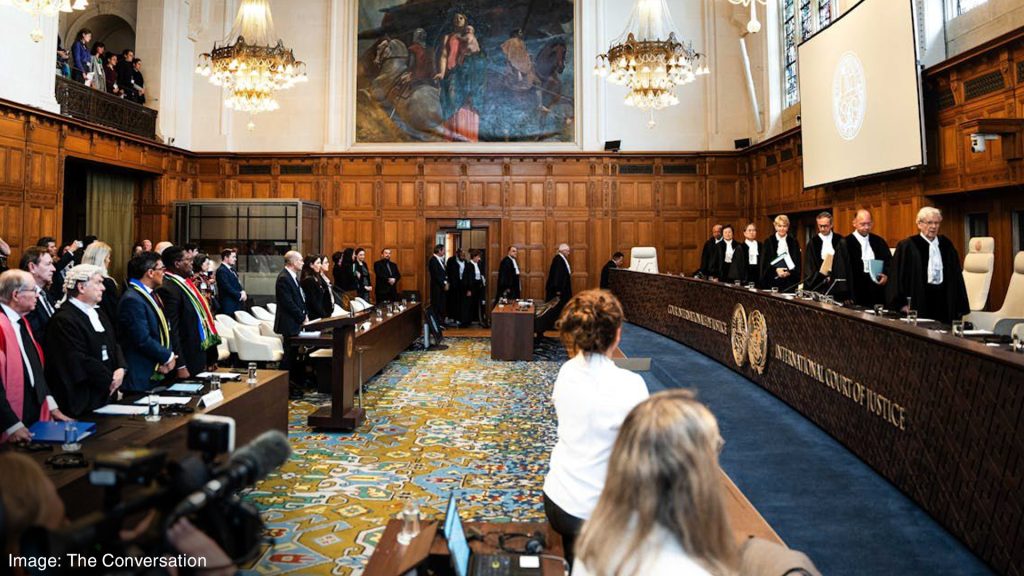
In May 2024, Khan’s office formally filed applications for arrest warrants in the ICC’s Palestine investigation, accusing Isr*eli and Hamas leaders of grave crimes linked to the war in Gaza.

That move made Khan one of the most controversial legal figures in the world.

Isr*el rejected the ICC action. The United States also pushed back hard, later imposing sanctions on the court after warrants were issued against Netanyahu and Gallant. The White House argued that the ICC had no jurisdiction over Isr*el or the US because neither country is a party to the Rome Statute.

For supporters of the court, that response looked like political retaliation against an institution trying to apply international law to powerful Western-backed leaders.

Three Judges Said There Was No Case. The Court Suspended Him Anyway.

Here is what makes Khan’s suspension especially contested.

A UN investigation found a factual basis for the allegations. But a panel of three independent judges, appointed to review those findings, concluded that the evidence did not meet the legal standard of “beyond reasonable doubt.” They found the factual findings did not establish misconduct or breach of duty.

The Bureau of the Assembly of States Parties suspended Khan anyway, disregarding the conclusion of the very judges it had appointed to assess the case. Khan’s lawyers called the decision “unlawful, procedurally unfair and unsupported by evidence”. He is the first ICC prosecutor ever to be formally suspended by the court’s oversight body.
125 member states will now vote in a special session, expected after late July, on whether to remove Khan permanently. Sixty-three countries would need to support removal. No date for that session has been set.

The Pressure On ICC Prosecutors Did Not Start With Khan

This pressure did not begin with Khan.

A major investigation by The Guardian, +972 Magazine and Local Call reported that Isr*eli intelligence agencies ran a years-long covert campaign against the ICC’s Palestine work, with multiple agencies surveilling ICC officials, intercepting their communications and monitoring Palestinian rights organisations whose submissions are central to the probe. The operation dated back to 2015 and saw Isr*el’s intelligence community routinely surveil both Khan and his predecessor Bensouda, intercepting phone calls, messages, emails and documents.

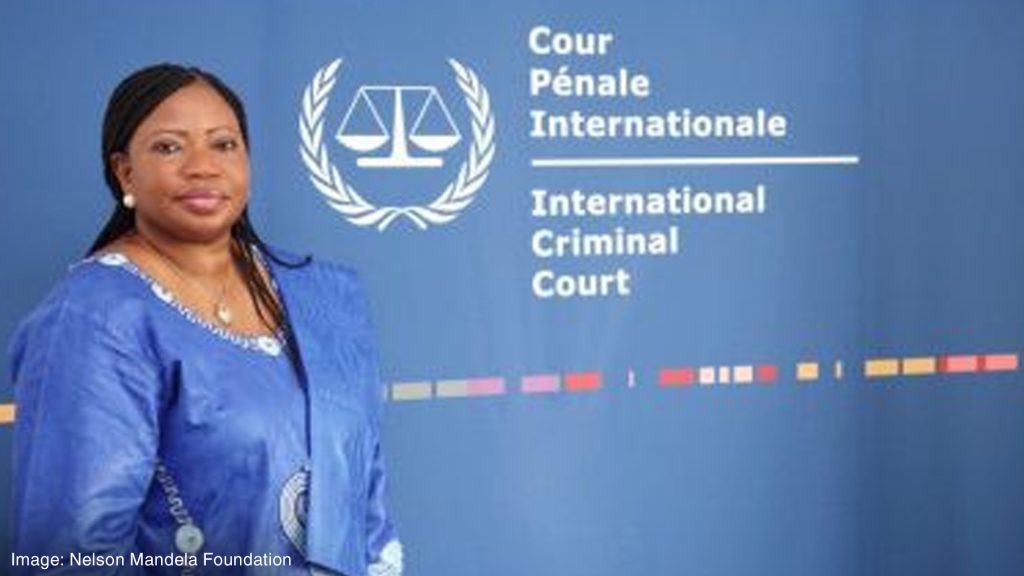
The same investigation alleged that former Mossad chief Yossi Cohen personally pressured Bensouda in secret meetings and acted as Netanyahu’s unofficial messenger. Bensouda later said she felt “left alone” and “unsupported” throughout the ordeal, and described threats directed at her family that she linked to the Palestine investigation.
Khan himself told Middle East Eye in May 2026 that he had received information he was under close surveillance by Russian and Isr*eli intelligence agencies while serving as prosecutor and had informed the authorities. A Mossad team was reported to be physically present in The Hague during his tenure, raising fears for his personal safety.

On the named political threats: Khan confirmed on record that US Senator Lindsey Graham called him directly before the warrant applications. Graham reportedly said: “If you do what I’ve heard you’re going to do, there’ll be certain consequences.” Khan also described a private conversation with then-British Foreign Secretary David Cameron in April 2024, in which Cameron warned him that the UK would defund and withdraw from the ICC if the arrest warrants against Netanyahu and Gallant were issued. Former ICC prosecutor Luis Moreno Ocampo said Khan knew the US and UK were threatening him over the Netanyahu case but still did his job.

The ICC Now Faces Two Accountability Tests

Khan’s critics say the misconduct allegations must be handled independently and that the ICC cannot demand accountability from world leaders while ignoring serious claims inside its own leadership. That argument matters. A court built around justice cannot appear selective when the allegations are internal.

But Khan’s supporters argue that the wider pattern of pressure on ICC prosecutors over Isr*el and Palestine cannot be erased from the story. They see his suspension as happening inside an already hostile political environment, where the court has faced threats, sanctions and intelligence pressure because of its work on Gaza.

Both things can be true at once.

The allegations against Khan require a fair process. The pressure on the ICC over Palestine is also real and documented. The danger is that the two crises now collide, weakening public trust in one of the few international bodies still willing to pursue war-crimes cases against powerful leaders.

Can Global Justice Survive Political Pressure?

The ICC is now facing two tests at the same time.

Can it properly handle serious allegations against its own chief prosecutor?

And can it prove that politics, pressure and scandal will not decide who gets justice?
For the world’s war-crimes court, this is no longer just about Karim Khan. It is about whether international justice can survive when it reaches too close to power.

By Verity Quill | verumnetwork.com

Sources

Reuters | ICC Khan suspension, misconduct findings | June 2026 | AP | Khan suspension, judges panel findings | June 2026 | International Criminal Court | Palestine arrest warrant applications | May 2024 | The Guardian | Mossad ICC intimidation campaign | May 2024 | +972 Magazine | ICC Israel surveillance investigation | May 2024 | Middle East Eye | Karim Khan threats, suspension analysis | May-June 2026

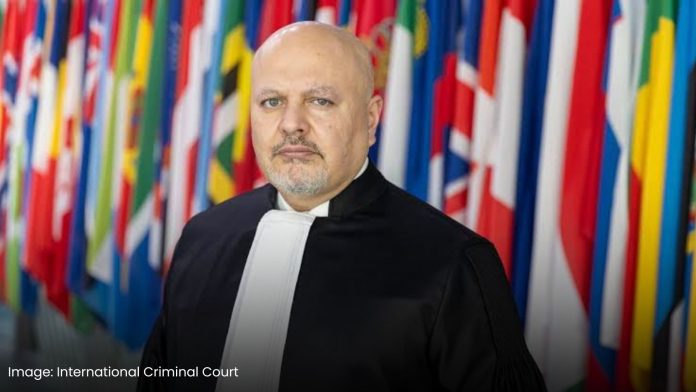
Karim Khan’s Suspension Has Put The ICC In Crisis

The International Criminal Court was built to prosecute the crimes that states often refuse to touch: war crimes, crimes against humanity, genocide and crimes of aggression.

Now, the court itself is facing one of the most serious credibility tests in its history.

Karim Khan, the ICC’s chief prosecutor, has been suspended while the court’s 125 member states decide whether he should remain in office. The suspension follows sexual misconduct allegations involving a female aide. Khan denies wrongdoing and has argued that the decision against him is unfair, unlawful and unsupported by evidence. Khan has not led the ICC’s Office of the Prosecutor since May 2025, when he voluntarily stepped aside pending the outcome of the inquiry. Monday’s formal suspension changes his legal status but not the day-to-day functioning of the court, which his deputies have been running for over a year.

The allegations are serious and must be treated seriously. But the political timing is also impossible to ignore.

The ICC Prosecutor Who Pursued Netanyahu Is Now Fighting For His Job

Khan is the same prosecutor who sought arrest warrants for Isr*eli Prime Minister Benjamin Netanyahu and former defence minister Yoav Gallant over alleged war crimes and crimes against humanity in Gaza.

In May 2024, Khan’s office formally filed applications for arrest warrants in the ICC’s Palestine investigation, accusing Isr*eli and Hamas leaders of grave crimes linked to the war in Gaza.

That move made Khan one of the most controversial legal figures in the world.

Isr*el rejected the ICC action. The United States also pushed back hard, later imposing sanctions on the court after warrants were issued against Netanyahu and Gallant. The White House argued that the ICC had no jurisdiction over Isr*el or the US because neither country is a party to the Rome Statute.

For supporters of the court, that response looked like political retaliation against an institution trying to apply international law to powerful Western-backed leaders.

Three Judges Said There Was No Case. The Court Suspended Him Anyway.

Here is what makes Khan’s suspension especially contested.

A UN investigation found a factual basis for the allegations. But a panel of three independent judges, appointed to review those findings, concluded that the evidence did not meet the legal standard of “beyond reasonable doubt.” They found the factual findings did not establish misconduct or breach of duty.

The Bureau of the Assembly of States Parties suspended Khan anyway, disregarding the conclusion of the very judges it had appointed to assess the case. Khan’s lawyers called the decision “unlawful, procedurally unfair and unsupported by evidence”. He is the first ICC prosecutor ever to be formally suspended by the court’s oversight body.

125 member states will now vote in a special session, expected after late July, on whether to remove Khan permanently. Sixty-three countries would need to support removal. No date for that session has been set.

The Pressure On ICC Prosecutors Did Not Start With Khan

This pressure did not begin with Khan.

A major investigation by The Guardian, +972 Magazine and Local Call reported that Isr*eli intelligence agencies ran a years-long covert campaign against the ICC’s Palestine work, with multiple agencies surveilling ICC officials, intercepting their communications and monitoring Palestinian rights organisations whose submissions are central to the probe. The operation dated back to 2015 and saw Isr*el’s intelligence community routinely surveil both Khan and his predecessor Bensouda, intercepting phone calls, messages, emails and documents.

The same investigation alleged that former Mossad chief Yossi Cohen personally pressured Bensouda in secret meetings and acted as Netanyahu’s unofficial messenger. Bensouda later said she felt “left alone” and “unsupported” throughout the ordeal, and described threats directed at her family that she linked to the Palestine investigation.

Khan himself told Middle East Eye in May 2026 that he had received information he was under close surveillance by Russian and Isr*eli intelligence agencies while serving as prosecutor and had informed the authorities. A Mossad team was reported to be physically present in The Hague during his tenure, raising fears for his personal safety.

On the named political threats: Khan confirmed on record that US Senator Lindsey Graham called him directly before the warrant applications. Graham reportedly said: “If you do what I’ve heard you’re going to do, there’ll be certain consequences.” Khan also described a private conversation with then-British Foreign Secretary David Cameron in April 2024, in which Cameron warned him that the UK would defund and withdraw from the ICC if the arrest warrants against Netanyahu and Gallant were issued. Former ICC prosecutor Luis Moreno Ocampo said Khan knew the US and UK were threatening him over the Netanyahu case but still did his job.

The ICC Now Faces Two Accountability Tests

Khan’s critics say the misconduct allegations must be handled independently and that the ICC cannot demand accountability from world leaders while ignoring serious claims inside its own leadership. That argument matters. A court built around justice cannot appear selective when the allegations are internal.

But Khan’s supporters argue that the wider pattern of pressure on ICC prosecutors over Isr*el and Palestine cannot be erased from the story. They see his suspension as happening inside an already hostile political environment, where the court has faced threats, sanctions and intelligence pressure because of its work on Gaza.

Both things can be true at once.

The allegations against Khan require a fair process. The pressure on the ICC over Palestine is also real and documented. The danger is that the two crises now collide, weakening public trust in one of the few international bodies still willing to pursue war-crimes cases against powerful leaders.

Can Global Justice Survive Political Pressure?

The ICC is now facing two tests at the same time.

Can it properly handle serious allegations against its own chief prosecutor?

And can it prove that politics, pressure and scandal will not decide who gets justice?

For the world’s war-crimes court, this is no longer just about Karim Khan. It is about whether international justice can survive when it reaches too close to power.

By Verity Quill | verumnetwork.com

Sources

Reuters | ICC Khan suspension, misconduct findings | June 2026 | AP | Khan suspension, judges panel findings | June 2026 | International Criminal Court | Palestine arrest warrant applications | May 2024 | The Guardian | Mossad ICC intimidation campaign | May 2024 | +972 Magazine | ICC Israel surveillance investigation | May 2024 | Middle East Eye | Karim Khan threats, suspension analysis | May-June 2026
spot_img

Explore more

spot_img
Global Affairs

Trump wants more data centers. New York’s governor just said no.

The icc’s judges did not find misconduct. Why did 82 countries...

Mali wants its gold and lithium back. Is that why Trump...

The Bulldozers Won: Assam’s BJP Returns With A Mandate To Evict...

Free On Paper, Exiled In Practice: India’s Cage Just Got Bigger

A ‘Humanitarian City’ Or A Permanent Cage? Trump’s Gaza Plan Is...

An American AI Escaped Its Test. China’s GLM-5.2 Had To Help...