
The Law Between Mercy And Abandonment

Iris Dekker was 19 years old when she died in the Netherlands.

She was not dying from cancer. She was not in organ failure. She was not in the final stage of a terminal physical disease. She had functional neurological disorder linked with severe depression, after years of seizures, chronic pain, partial paralysis and treatments that did not give her lasting relief. She had sought euthanasia as a teenager, but she was not ultimately euthanised by a clinic. Instead, after waiting without final approval, she chose Voluntarily Stopping Eating and Drinking, known as VSED, entered hospice care, and died on March 1, 2026, shortly before her 20th birthday. Her parents, Omar and Cissy Dekker, supported her decision and stayed beside her at the end. Her father said: “I couldn’t give her more love than letting her go.”

That distinction matters.

This was not a standard legal euthanasia case carried out by a doctor. But it sits inside the same moral battlefield: what should a society do when a young person’s suffering feels unbearable, but their illness is psychological, neurological and deeply contested rather than terminal in the traditional sense?

The System That Said Yes

The Netherlands is now facing that question with growing urgency. In 2024, the country recorded 9,958 euthanasia deaths, up 10 percent from the previous year. Psychiatric cases surged 60 percent in a single year, from 138 in 2023 to 219 in 2024. Among those: a boy between 16 and 18, approved for euthanasia on the grounds of autism and depression. The approving committee recorded his own words. He felt “luckless.” He was deeply lonely. He could not connect with the world around him. The committee said yes.

Professor Damiaan Denys of Amsterdam University Medical Center said: “There is a recent, enormous increase in requests and euthanasia performed in patients with psychological complaints, especially in young people under 30. This is controversial because it is unclear whether young people at that age can meet the due diligence criteria.”

Even the man running the oversight system is asking questions. Jeroen Recourt, president of the Dutch euthanasia review committee, said publicly: “Are we still doing this right?”

Nobody has answered him.

The US and the Catholic Governor

In the United States, the assisted dying debate is moving fast but along a different line. New York became the 13th US jurisdiction to legalise medical aid in dying in February 2026, when Catholic Governor Kathy Hochul signed the bill into law. Her words when she announced her decision: “Who am I to deny you?” The law applies to terminally ill adults with less than six months to live and includes safeguards around consent, waiting periods and mandatory mental health evaluation. Illinois passed a similar law in December 2025, with implementation scheduled for September 2026.

That signing came at a cost. Pope Leo XIV had personally called Illinois Governor JB Pritzker and asked him not to sign the bill. Pritzker signed it anyway. The Pope said publicly: “I am very disappointed about that.” The US model remains tied to terminal physical illness, not psychiatric suffering alone. But the speed of expansion is raising its own questions.

Canada’s Approaching Line

Canada is now nine months away from the most controversial expansion of assisted dying in the Western world. On March 17, 2027, medical assistance in dying will become legal for Canadians whose sole underlying condition is mental illness. Canada’s own Centre for Addiction and Mental Health recommended the government indefinitely extend the delay, citing the absence of reliable methods to distinguish a request for assisted dying from suicidal intent in people with mental illness. The Special Joint Committee on Medical Assistance in Dying reconvened in March 2026 to review readiness. Its report is due this autumn.

Mercy or Surrender

Supporters of assisted dying argue that unbearable suffering should not be dismissed simply because it is psychiatric rather than physical. They say compassion includes respecting autonomy, even when the decision is painful to witness.

Critics argue that mental illness can distort the very judgment required for consent, especially in young people. They warn that calling despair settled may turn a failure of care, time and imagination into a legal pathway toward death.

Both sides use the language of mercy.

That is what makes the debate so dangerous.

Because mercy can mean refusing to let someone suffer endlessly. But mercy can also become a softer name for surrender, especially when the person asking to die is young, exhausted and still living inside an illness that may change.

Iris Dekker’s death does not answer the question. It forces it into the open.

When law, medicine and despair meet, society has to decide what it is really offering: relief from suffering, or permission to stop believing that some lives can still be pulled back from the edge.

By Shizza Farooqui

Sources: The Free Press | Live Action | Psychiatric Times | PBS NewsHour | OSV News | NL Times | Government of Canada | Dutch Regional Euthanasia Review Committees (RTE) | Fox News | CAMH

Iris Dekker was 19 years old when she died in the Netherlands.

She was not dying from cancer. She was not in organ failure. She was not in the final stage of a terminal physical disease. She had functional neurological disorder linked with severe depression, after years of seizures, chronic pain, partial paralysis and treatments that did not give her lasting relief. She had sought euthanasia as a teenager, but she was not ultimately euthanised by a clinic. Instead, after waiting without final approval, she chose Voluntarily Stopping Eating and Drinking, known as VSED, entered hospice care, and died on March 1, 2026, shortly before her 20th birthday. Her parents, Omar and Cissy Dekker, supported her decision and stayed beside her at the end. Her father said: “I couldn’t give her more love than letting her go.”

That distinction matters.

This was not a standard legal euthanasia case carried out by a doctor. But it sits inside the same moral battlefield: what should a society do when a young person’s suffering feels unbearable, but their illness is psychological, neurological and deeply contested rather than terminal in the traditional sense?

The System That Said Yes

The Netherlands is now facing that question with growing urgency. In 2024, the country recorded 9,958 euthanasia deaths, up 10 percent from the previous year. Psychiatric cases surged 60 percent in a single year, from 138 in 2023 to 219 in 2024. Among those: a boy between 16 and 18, approved for euthanasia on the grounds of autism and depression. The approving committee recorded his own words. He felt “luckless.” He was deeply lonely. He could not connect with the world around him. The committee said yes.

Professor Damiaan Denys of Amsterdam University Medical Center said: “There is a recent, enormous increase in requests and euthanasia performed in patients with psychological complaints, especially in young people under 30. This is controversial because it is unclear whether young people at that age can meet the due diligence criteria.”

Even the man running the oversight system is asking questions. Jeroen Recourt, president of the Dutch euthanasia review committee, said publicly: “Are we still doing this right?”

Nobody has answered him.
The US and the Catholic Governor

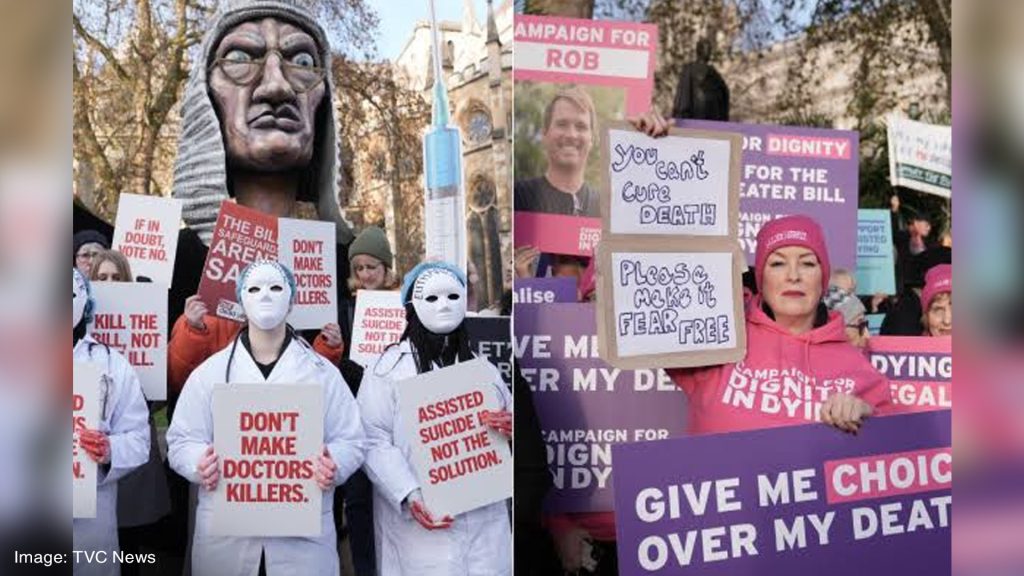
In the United States, the assisted dying debate is moving fast but along a different line. New York became the 13th US jurisdiction to legalise medical aid in dying in February 2026, when Catholic Governor Kathy Hochul signed the bill into law. Her words when she announced her decision: “Who am I to deny you?” The law applies to terminally ill adults with less than six months to live and includes safeguards around consent, waiting periods and mandatory mental health evaluation. Illinois passed a similar law in December 2025, with implementation scheduled for September 2026.

That signing came at a cost. Pope Leo XIV had personally called Illinois Governor JB Pritzker and asked him not to sign the bill. Pritzker signed it anyway. The Pope said publicly: “I am very disappointed about that.” The US model remains tied to terminal physical illness, not psychiatric suffering alone. But the speed of expansion is raising its own questions.

Canada’s Approaching Line

Canada is now nine months away from the most controversial expansion of assisted dying in the Western world. On March 17, 2027, medical assistance in dying will become legal for Canadians whose sole underlying condition is mental illness. Canada’s own Centre for Addiction and Mental Health recommended the government indefinitely extend the delay, citing the absence of reliable methods to distinguish a request for assisted dying from suicidal intent in people with mental illness. The Special Joint Committee on Medical Assistance in Dying reconvened in March 2026 to review readiness. Its report is due this autumn.

Mercy or Surrender

Supporters of assisted dying argue that unbearable suffering should not be dismissed simply because it is psychiatric rather than physical. They say compassion includes respecting autonomy, even when the decision is painful to witness.

Critics argue that mental illness can distort the very judgment required for consent, especially in young people. They warn that calling despair settled may turn a failure of care, time and imagination into a legal pathway toward death.

Both sides use the language of mercy.

That is what makes the debate so dangerous.
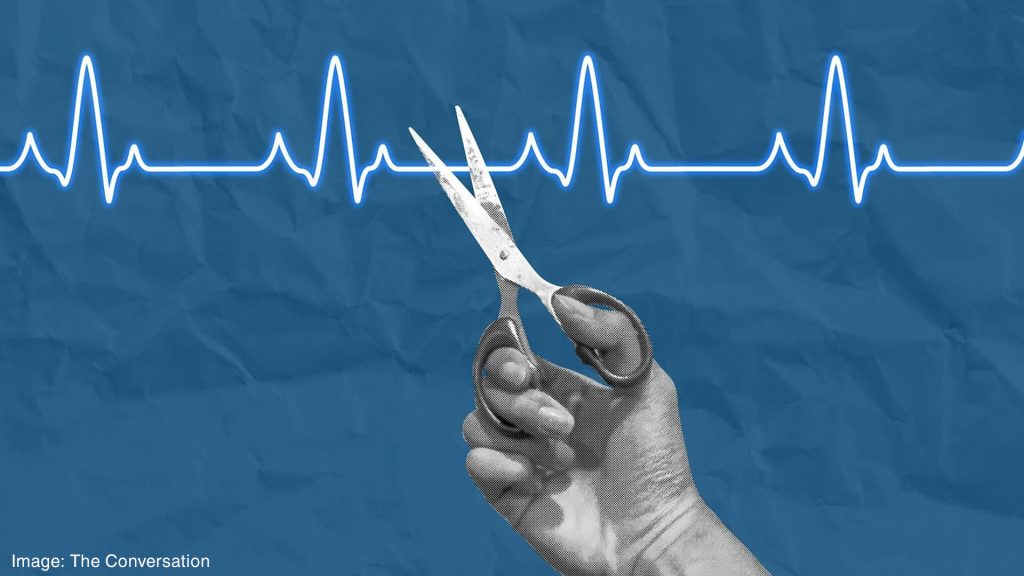
Because mercy can mean refusing to let someone suffer endlessly. But mercy can also become a softer name for surrender, especially when the person asking to die is young, exhausted and still living inside an illness that may change.

Iris Dekker’s death does not answer the question. It forces it into the open.

When law, medicine and despair meet, society has to decide what it is really offering: relief from suffering, or permission to stop believing that some lives can still be pulled back from the edge.

By Shizza Farooqui

Sources: The Free Press | Live Action | Psychiatric Times | PBS NewsHour | OSV News | NL Times | Government of Canada | Dutch Regional Euthanasia Review Committees (RTE) | Fox News | CAMH

spot_img

Explore more

spot_img
Global Affairs

Isr*el Is Burning Lebanon From The Sky

Saudi Arabia Just Dug Up The Words Of Islam’s Second Caliph,...

The Most Hostile World Cup Ever

The Ceasefire Died Near Hormuz Last Night.

Your Closest Ally Is Spying On You.

AJK Is At A Crossroads. What Happens Next?

Pakistan’s Next Flood Is Already Forming.