How Trump’s Iran Threats Became Market-Moving Events
Oil traders do not wait for missiles to launch. They price what they believe could happen next. A single presidential statement about Iran can alter expectations surrounding shipping, energy supplies and regional escalation before any military action occurs.
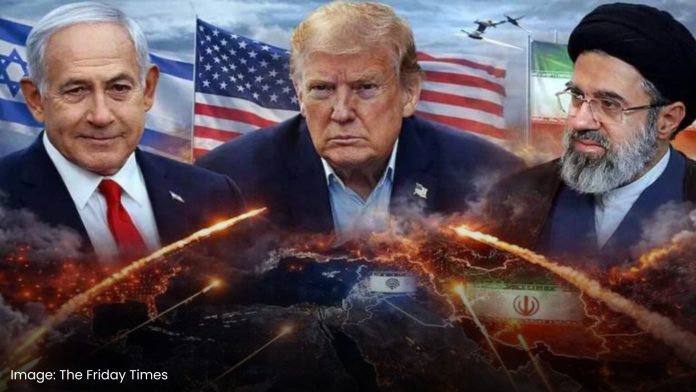
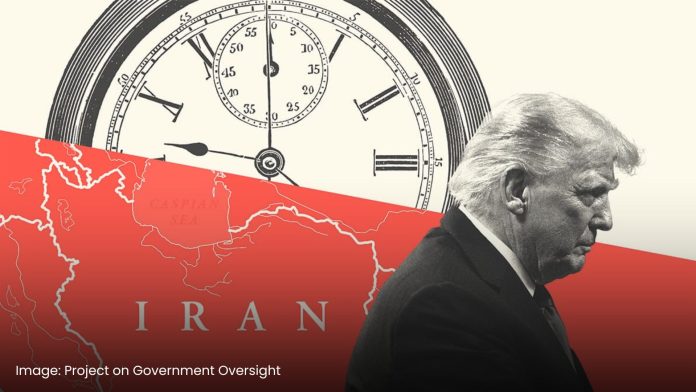
That helps explain why Donald Trump’s repeated threats, deadlines and sudden diplomatic reversals have attracted increasing scrutiny. Since January 2026, his Iran strategy has repeatedly moved between public escalation and restraint, leaving governments and financial markets attempting to determine which announcement represents actual policy.
A Timeline of Trump’s Repeated Iran Threats and Retreats
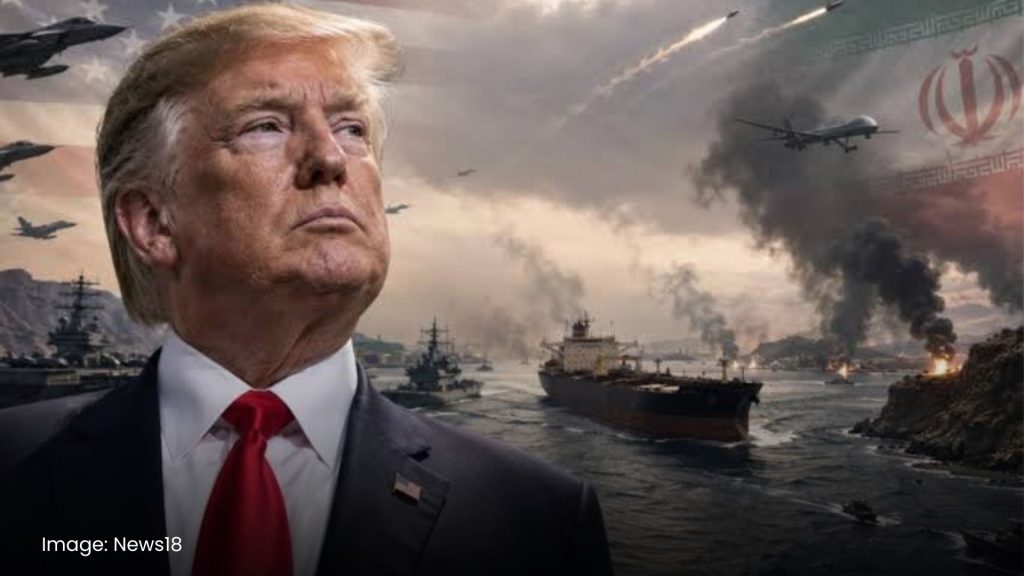
In late January, Trump said a “massive armada” of American naval forces was heading toward Iran and warned the country would face an attack “with speed and violence” if it did not meet US demands. February brought a new ten-day ultimatum, reinforced during his State of the Union address.
On March 21, Trump threatened to “hit and obliterate” Iranian power infrastructure unless the Strait of Hormuz reopened within 48 hours. That warning landed on a Saturday, and Brent crude fell more than 10 percent the following Monday after Trump ordered a five-day pause on the planned strikes — one of the clearest examples yet of escalation immediately before a new trading week.
In April, Trump warned that “a whole civilization will die” unless an agreement was reached, and less than two hours before his deadline expired, the United States accepted a two-week ceasefire. The reversal happened on a Tuesday, showing the weekend pattern doesn’t explain every episode.
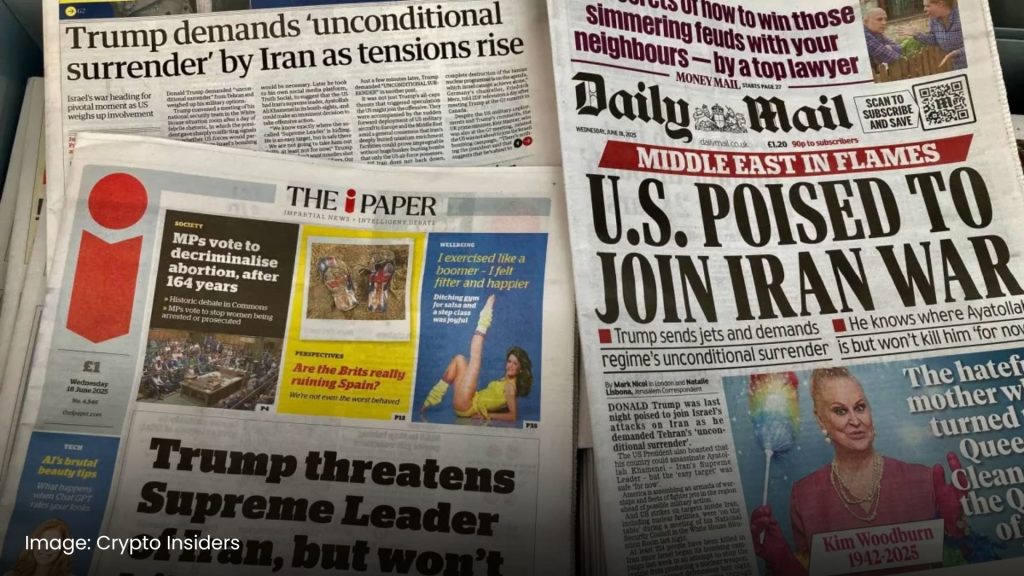
In May, Trump said he was “an hour away” from ordering a new strike before postponing it at the request of Gulf allies, after Iran floated a peace proposal that bought the delay.
June produced the most abrupt reversal of all. Trump warned Iran would be hit “very hard” and threatened to seize Kharg Island, Iran’s key oil export hub, only to cancel the planned strikes hours later that same day, citing progress in talks with Iran’s leadership. Brent fell 3.6 percent to $89.73 a barrel and WTI fell 3.6 percent to $86.83.
The cycle returned in July as Trump again threatened broader escalation, before Washington paused its bombing campaign and Iran said it would hold its own fire in return. Then, on Saturday, August 1, he held off another planned attack in the hope of securing a rapid agreement.
Why the Strait of Hormuz Moves Global Oil Prices
The Strait of Hormuz is one of the world’s most consequential energy corridors. Threats affecting the waterway force traders to reconsider the risk of disrupted tanker traffic, reduced Gulf exports, higher insurance costs and wider regional instability.
When escalation appears more likely, oil markets typically price in greater supply risk. When military action is postponed or negotiations return, part of that risk premium can disappear.
How Oil Markets Reacted When Trump Stepped Back
After Trump suspended fresh action at the beginning of August, oil prices dropped roughly 7 percent to a three-week low. Brent crude fell $6.35 to settle at $83.77 a barrel, while West Texas Intermediate declined $4.33 to settle at $80.34.
March produced an even sharper move: Brent plunged more than 10 percent to around $100 a barrel the Monday after that weekend’s threat.
Maximum Pressure Strategy or Dangerous Uncertainty?
Supporters describe the pattern as maximum-pressure diplomacy: raise the cost of refusal, create urgency and step back when negotiations become possible.
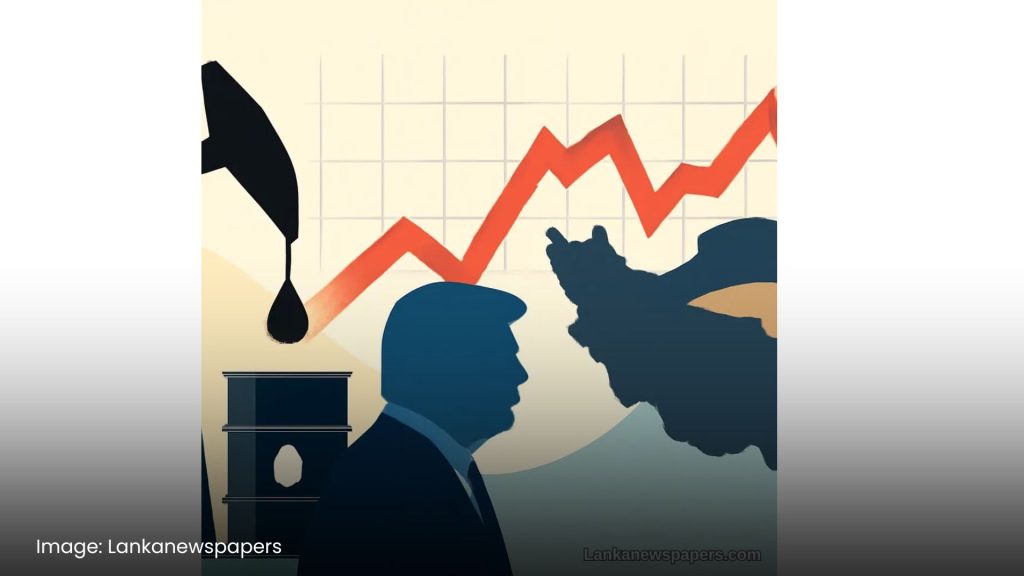
Critics argue that repeatedly shifting between escalation and restraint produces geopolitical uncertainty with real economic consequences. Businesses, governments and consumers can all be affected when oil, transport and insurance markets reprice regional danger.
The evidence does not establish deliberate market manipulation. It also does not show that every reversal occurred immediately before a Monday opening. The precise weekend-to-Monday pattern is clearest in at least three of the seven major cycles, while several other reversals occurred during the working week.
What the evidence does establish is that Trump’s rhetoric repeatedly became a market-moving event. Whether that uncertainty is intentional leverage or the by-product of an unpredictable negotiating strategy remains unresolved.
By Shizza Umer
Hyperlinked Sources