The Real Test of “Economic D-Day” on Iran Isn’t Iran, It’s China

Maryam Tariq

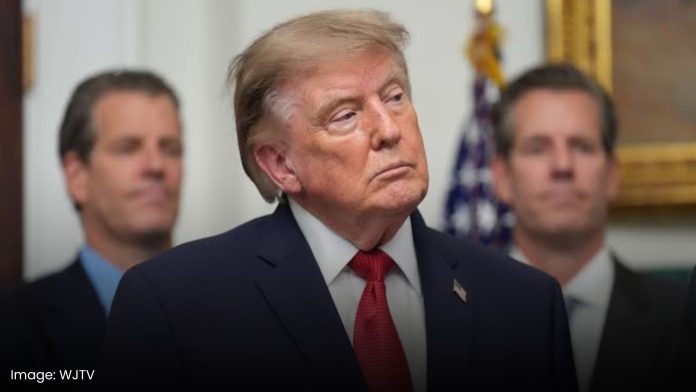
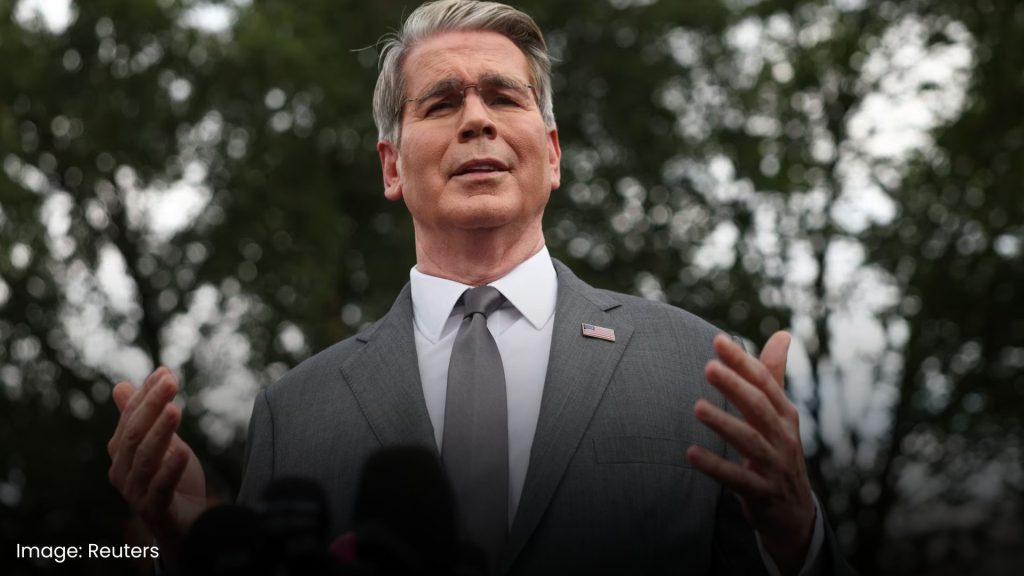
US Treasury Secretary Scott Bessent has promised what he calls an economic D-Day against Iran, describing it as the single greatest financial offensive ever marshalled against an adversary. But the campaign’s actual effectiveness hinges on a detail getting far less attention than the dramatic language surrounding it, whether Washington is willing to directly target China, the buyer of roughly 90 percent of Iran’s oil exports.

What Bessent Actually Announced

In a Financial Times op-ed published Sunday, ahead of a Monday press conference where full details are expected, Bessent wrote that at dawn begins an economic D-Day, describing the plan as designed to sever every economic lifeline that sustains the Iranian government until Tehran stands alone. He specifically called out countries that purchase and transport Iranian petroleum while turning a blind eye to seaborne fuel transfers and illicit banking activity, writing that these countries calculate appeasement of the regime to be the safer course, but they would do well to consider the consequences of sustaining it. Bessent also warned that if Iran responds militarily to the economic pressure, President Trump would respond swiftly and decisively.
Why China Is the Real Variable

The rhetoric is sweeping, but the substance depends almost entirely on one relationship. China accounts for roughly 90 percent of Iran’s oil exports, making Chinese refiners and banks the single largest financial pipeline keeping Iran’s economy connected to global trade. Sanctions expert Brett Erickson, managing principal of Obsidian Risk Advisors, said the administration’s willingness to actually target China will be the clearest indication of how serious this campaign really is, noting that the US-China relationship is not one Washington would degrade lightly. If the sanctions package meaningfully targets China, analysts say it would signal Washington intends to wage sustained economic war for the long term. If it avoids China, the campaign’s reach over Iran’s actual oil revenue remains limited regardless of how forcefully it’s announced.

The Stakes for the Broader US-China Relationship

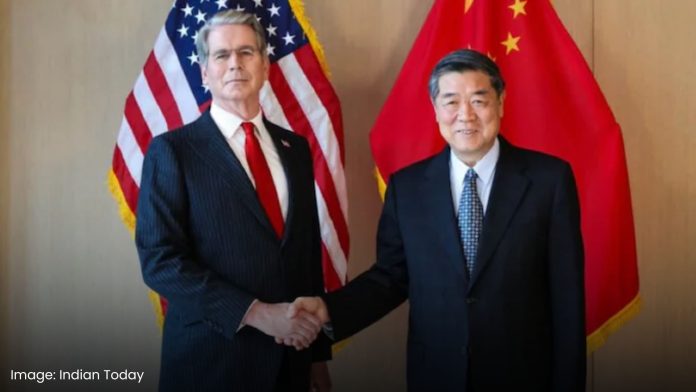
This isn’t a decision made in isolation. The Trump administration has been navigating a fragile trade detente with Beijing, and directly sanctioning Chinese oil purchases from Iran would represent a significant escalation in that separate, already sensitive relationship. Analysts monitoring the situation describe Monday’s press conference as the real test of resolve, since going after China requires Washington to accept genuine economic friction with its most consequential trading relationship in exchange for pressure on Iran specifically.
What’s Already Happening to Iran’s Economy

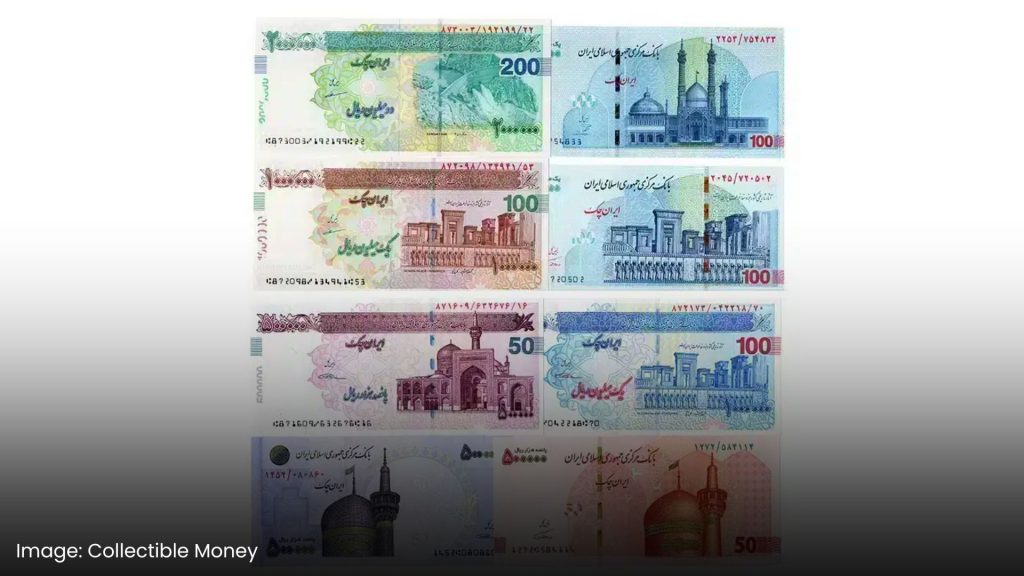
Notably, Iran’s economy has been deteriorating even before any new sanctions take effect. Iran’s currency, the rial, dropped to a record low of roughly 2.02 million per US dollar on the open market this week, compared to the central bank’s official rate of about 1.5 million. Since the US Navy’s blockade disrupted trade following the February war, government revenue has fallen sharply, and the International Monetary Fund forecasts a 5 percent contraction in Iran’s economy this year. Consumer prices have already spiked dramatically, with rice up 60 percent and beef up 150 percent in just a few months, even as Iranian crude loadings had already fallen more than 80 percent from July levels through mid-August.

The Fracture This Campaign Is Designed to Exploit

Analysts note that economic D-Day appears specifically aimed at widening an existing split inside Iran’s own leadership, between economically exposed political actors facing domestic discontent, and a military-security establishment comparatively insulated from those costs. President Masoud Pezeshkian has publicly pushed to end the war, saying it is better to end it today, while we are in a position of strength and dignity, and rebuking hardline colleagues opposed to the ceasefire framework reached with the US in June. Iran’s parliamentary speaker, by contrast, has struck a far more defiant tone, and parliament is simultaneously advancing legislation to charge ships transit fees through the Strait of Hormuz.

What to Watch on Monday
Until Bessent’s press conference actually reveals operational details, the economic D-Day framing remains closer to a political declaration of intent than a fully defined policy. Whether it becomes something more consequential will depend less on the dramatic language used to announce it, and more on a single, concrete question, does it include real, enforceable measures against the country actually buying most of Iran’s oil.

Sources:

·  US threat of ‘economic D-Day’ for Iran tests Trump’s China detente — Al Jazeera: https://www.aljazeera.com/economy/2026/8/24/us-threat-of-economic-d-day-for-iran-tests-trumps-china-detente

·  Bessent promises ‘economic D-Day’ ahead of expected Iran sanctions — CNN: https://www.cnn.com/2026/08/23/world/live-news/iran-war-trump

·  Economic D-Day, The New US War of Attrition Against Iran — SpecialEurasia: https://www.specialeurasia.com/2026/08/24/economic-war-united-states-iran/

·  Entering the Endgame, Bessent to Unveil “Economic D-Day” Assault to Isolate Iran — ZeroHedge: https://www.zerohedge.com/geopolitical/entering-endgame-bessent-unveil-economic-d-day-assault-isolate-iran
Maryam Tariq

US Treasury Secretary Scott Bessent has promised what he calls an economic D-Day against Iran, describing it as the single greatest financial offensive ever marshalled against an adversary. But the campaign’s actual effectiveness hinges on a detail getting far less attention than the dramatic language surrounding it, whether Washington is willing to directly target China, the buyer of roughly 90 percent of Iran’s oil exports.

What Bessent Actually Announced

In a Financial Times op-ed published Sunday, ahead of a Monday press conference where full details are expected, Bessent wrote that at dawn begins an economic D-Day, describing the plan as designed to sever every economic lifeline that sustains the Iranian government until Tehran stands alone. He specifically called out countries that purchase and transport Iranian petroleum while turning a blind eye to seaborne fuel transfers and illicit banking activity, writing that these countries calculate appeasement of the regime to be the safer course, but they would do well to consider the consequences of sustaining it. Bessent also warned that if Iran responds militarily to the economic pressure, President Trump would respond swiftly and decisively.

Why China Is the Real Variable

The rhetoric is sweeping, but the substance depends almost entirely on one relationship. China accounts for roughly 90 percent of Iran’s oil exports, making Chinese refiners and banks the single largest financial pipeline keeping Iran’s economy connected to global trade. Sanctions expert Brett Erickson, managing principal of Obsidian Risk Advisors, said the administration’s willingness to actually target China will be the clearest indication of how serious this campaign really is, noting that the US-China relationship is not one Washington would degrade lightly. If the sanctions package meaningfully targets China, analysts say it would signal Washington intends to wage sustained economic war for the long term. If it avoids China, the campaign’s reach over Iran’s actual oil revenue remains limited regardless of how forcefully it’s announced.

The Stakes for the Broader US-China Relationship

This isn’t a decision made in isolation. The Trump administration has been navigating a fragile trade detente with Beijing, and directly sanctioning Chinese oil purchases from Iran would represent a significant escalation in that separate, already sensitive relationship. Analysts monitoring the situation describe Monday’s press conference as the real test of resolve, since going after China requires Washington to accept genuine economic friction with its most consequential trading relationship in exchange for pressure on Iran specifically.

What’s Already Happening to Iran’s Economy

Notably, Iran’s economy has been deteriorating even before any new sanctions take effect. Iran’s currency, the rial, dropped to a record low of roughly 2.02 million per US dollar on the open market this week, compared to the central bank’s official rate of about 1.5 million. Since the US Navy’s blockade disrupted trade following the February war, government revenue has fallen sharply, and the International Monetary Fund forecasts a 5 percent contraction in Iran’s economy this year. Consumer prices have already spiked dramatically, with rice up 60 percent and beef up 150 percent in just a few months, even as Iranian crude loadings had already fallen more than 80 percent from July levels through mid-August.

The Fracture This Campaign Is Designed to Exploit

Analysts note that economic D-Day appears specifically aimed at widening an existing split inside Iran’s own leadership, between economically exposed political actors facing domestic discontent, and a military-security establishment comparatively insulated from those costs. President Masoud Pezeshkian has publicly pushed to end the war, saying it is better to end it today, while we are in a position of strength and dignity, and rebuking hardline colleagues opposed to the ceasefire framework reached with the US in June. Iran’s parliamentary speaker, by contrast, has struck a far more defiant tone, and parliament is simultaneously advancing legislation to charge ships transit fees through the Strait of Hormuz.

What to Watch on Monday

Until Bessent’s press conference actually reveals operational details, the economic D-Day framing remains closer to a political declaration of intent than a fully defined policy. Whether it becomes something more consequential will depend less on the dramatic language used to announce it, and more on a single, concrete question, does it include real, enforceable measures against the country actually buying most of Iran’s oil.

Sources:

·  US threat of ‘economic D-Day’ for Iran tests Trump’s China detente — Al Jazeera: https://www.aljazeera.com/economy/2026/8/24/us-threat-of-economic-d-day-for-iran-tests-trumps-china-detente

·  Bessent promises ‘economic D-Day’ ahead of expected Iran sanctions — CNN: https://www.cnn.com/2026/08/23/world/live-news/iran-war-trump

·  Economic D-Day, The New US War of Attrition Against Iran — SpecialEurasia: https://www.specialeurasia.com/2026/08/24/economic-war-united-states-iran/

·  Entering the Endgame, Bessent to Unveil “Economic D-Day” Assault to Isolate Iran — ZeroHedge: https://www.zerohedge.com/geopolitical/entering-endgame-bessent-unveil-economic-d-day-assault-isolate-iran

spot_img

Explore more

spot_img
Global Affairs

IDF Finally Admits It Fired on Hind Rajab’s Car. Why Now,...

Trump Administration Is Making Haitians Choose Between an Ankle Monitor and...

Why Argentina, Not Israel, Is Leading the Push for New Allies...

Three West Bank Villages Hit at Once, Israel’s Own Ally Calls...

Al-Aqsa Incursions Are Getting Bigger and More Frequent Through 2026

West Bank Violence Is Surging as Israel Heads Toward October Elections