

You Can’t Hide Anywhere

The Psychological Impact of WiFi Sensing: When Invisible Systems Change How We Feel in a Room

Maryam Tariq

INVISIBLE SENSING AND HUMAN PERCEPTION
WiFi based sensing technology is being developed to detect human presence and movement by analyzing how wireless signals change inside a room. While the technical side focuses on signal processing and AI interpretation, researchers say the psychological effects may be just as important.

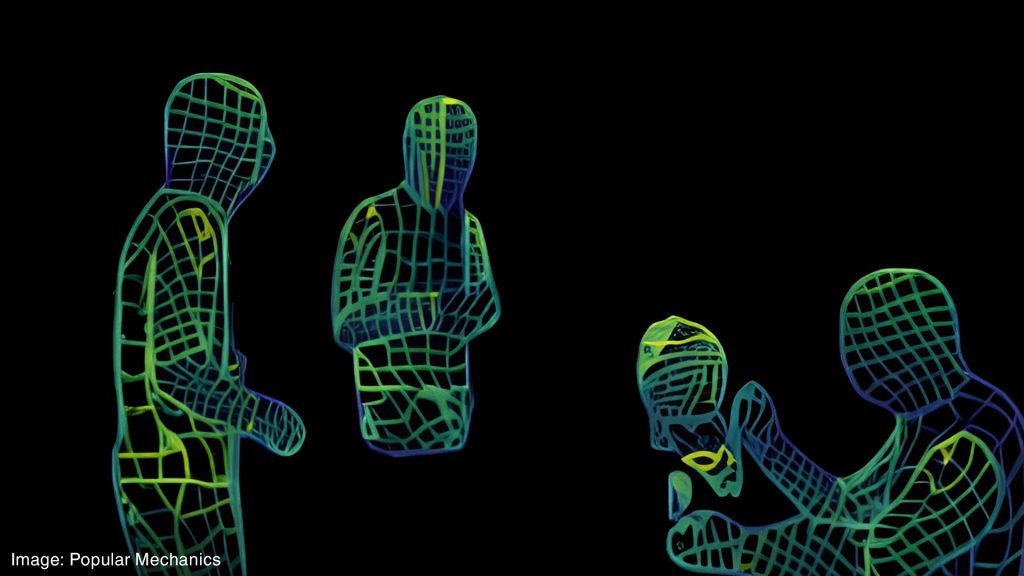
Unlike cameras or microphones, WiFi sensing systems are invisible. There is no lens, no recording device, and often no obvious indication that any form of monitoring is taking place.

PERCEIVED OBSERVATION EFFECT
Studies in behavioral psychology show that humans often change their behavior when they believe they are being observed, even if no direct surveillance exists. This is known as the perceived observation effect.

In the context of WiFi sensing, this effect becomes more complex because the “observer” is not visible. The uncertainty itself can influence behavior more than the actual technology.

SURVEY FINDINGS ON USER COMFORT
Human computer interaction research has explored how people react to invisible sensing systems. Surveys indicate that over 60 percent of participants report discomfort when informed that their presence could be detected without cameras or microphones.

Participants often express greater trust in visible systems, even if those systems are more intrusive, because visibility provides clarity and control.

BEHAVIORAL AND SPATIAL CHANGES
Research in environmental psychology suggests that when individuals believe a space is monitoring them, they may unconsciously alter their behavior. This can include reduced movement, increased self awareness, or changes in posture and activity patterns.

Over time, repeated exposure to sensing environments may influence how people define personal space and privacy.

PRIVACY UNCERTAINTY AND DIGITAL SPACES
One of the key concerns raised by researchers is not just data collection, but uncertainty. Invisible systems create ambiguity about when sensing is active and what is being measured.

This uncertainty can lead to cognitive discomfort, where individuals feel a subtle lack of control over their environment.
CONCLUSION HUMAN COMFORT IN SMART ENVIRONMENTS
WiFi sensing technology highlights a shift in how environments interact with humans. Even without visible surveillance tools, the idea that a space can interpret presence changes how people emotionally experience that space.

As smart environments become more common, researchers say understanding psychological comfort will be as important as improving technical accuracy.

Sources: IEEE Human Computer Interaction Studies / University of Cambridge Psychology Research / MIT Media Lab Smart Environments Research


The Psychological Impact of WiFi Sensing: When Invisible Systems Change How We Feel in a Room

Maryam Tariq

INVISIBLE SENSING AND HUMAN PERCEPTION
WiFi based sensing technology is being developed to detect human presence and movement by analyzing how wireless signals change inside a room. While the technical side focuses on signal processing and AI interpretation, researchers say the psychological effects may be just as important.

Unlike cameras or microphones, WiFi sensing systems are invisible. There is no lens, no recording device, and often no obvious indication that any form of monitoring is taking place.

PERCEIVED OBSERVATION EFFECT
Studies in behavioral psychology show that humans often change their behavior when they believe they are being observed, even if no direct surveillance exists. This is known as the perceived observation effect.

In the context of WiFi sensing, this effect becomes more complex because the “observer” is not visible. The uncertainty itself can influence behavior more than the actual technology.

SURVEY FINDINGS ON USER COMFORT
Human computer interaction research has explored how people react to invisible sensing systems. Surveys indicate that over 60 percent of participants report discomfort when informed that their presence could be detected without cameras or microphones.

Participants often express greater trust in visible systems, even if those systems are more intrusive, because visibility provides clarity and control.

BEHAVIORAL AND SPATIAL CHANGES
Research in environmental psychology suggests that when individuals believe a space is monitoring them, they may unconsciously alter their behavior. This can include reduced movement, increased self awareness, or changes in posture and activity patterns.

Over time, repeated exposure to sensing environments may influence how people define personal space and privacy.

PRIVACY UNCERTAINTY AND DIGITAL SPACES
One of the key concerns raised by researchers is not just data collection, but uncertainty. Invisible systems create ambiguity about when sensing is active and what is being measured.

This uncertainty can lead to cognitive discomfort, where individuals feel a subtle lack of control over their environment.

CONCLUSION HUMAN COMFORT IN SMART ENVIRONMENTS
WiFi sensing technology highlights a shift in how environments interact with humans. Even without visible surveillance tools, the idea that a space can interpret presence changes how people emotionally experience that space.

As smart environments become more common, researchers say understanding psychological comfort will be as important as improving technical accuracy.

Sources: IEEE Human Computer Interaction Studies / University of Cambridge Psychology Research / MIT Media Lab Smart Environments Research

spot_img

Explore more

spot_img
Global Affairs

AI Created the Vaccine

FIFA Wants the Money Back

Major Blow to US Peace Efforts

FIFA Introduces AI offside tech for 2026 World Cup

One Sided Ceasefire Is Rejected

Can You Buy Shares in SpaceX

Ceasefire With Conditions on One Side

World Cup 2026 Kicks Off Across Three Nations in Biggest Edition...