Behind The Ceasefire Headlines, The Middle East Is Still Burning

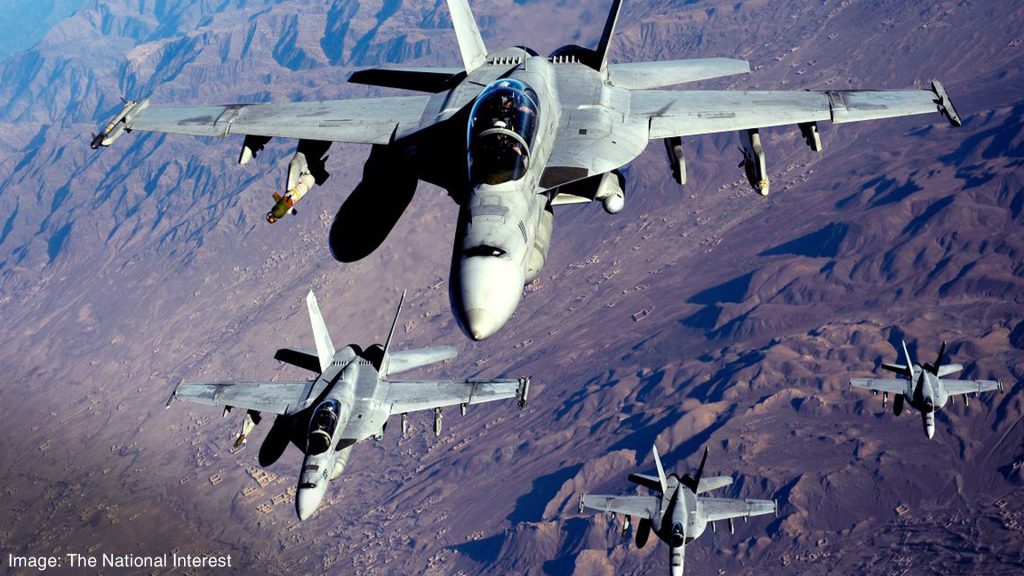
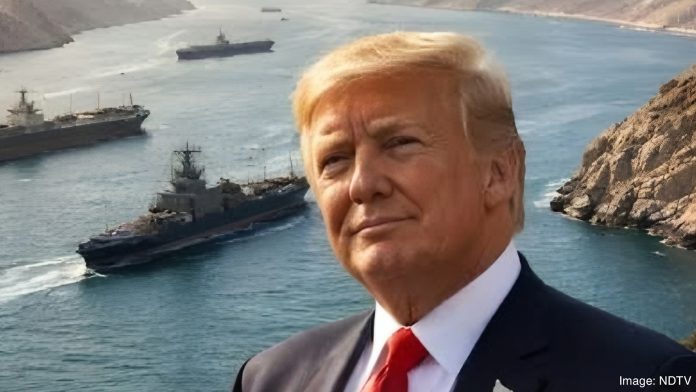
The Iran-US conflict may finally be moving toward a diplomatic opening, but the reality across the Middle East still looks deeply unstable. Donald Trump confirmed he had been briefed on what he called a “concept of the deal” from Iran, while reports from multiple outlets suggest Tehran’s latest proposal includes nuclear non-proliferation guarantees in exchange for phased sanctions relief. At the same time, Trump described recent US pressure on Iranian ships as a love tap, a framing that sits awkwardly alongside the fact that naval confrontations in the Gulf have continued in parallel with the ceasefire discussions themselves.

The Back Channel Nobody Is Talking About

One of the most significant and least reported developments in the crisis is Pakistan’s role behind the scenes. According to multiple reports, Pakistani officials quietly carried messages and proposals between Tehran and Washington after direct communication became increasingly difficult, working as an intermediary during one of the most dangerous phases of the confrontation. Some analysts believe the current diplomatic opening may not have happened without Islamabad maintaining those communication channels, yet the story has received a fraction of the coverage given to military escalation.

The Strait That Is Holding The World’s Energy Hostage

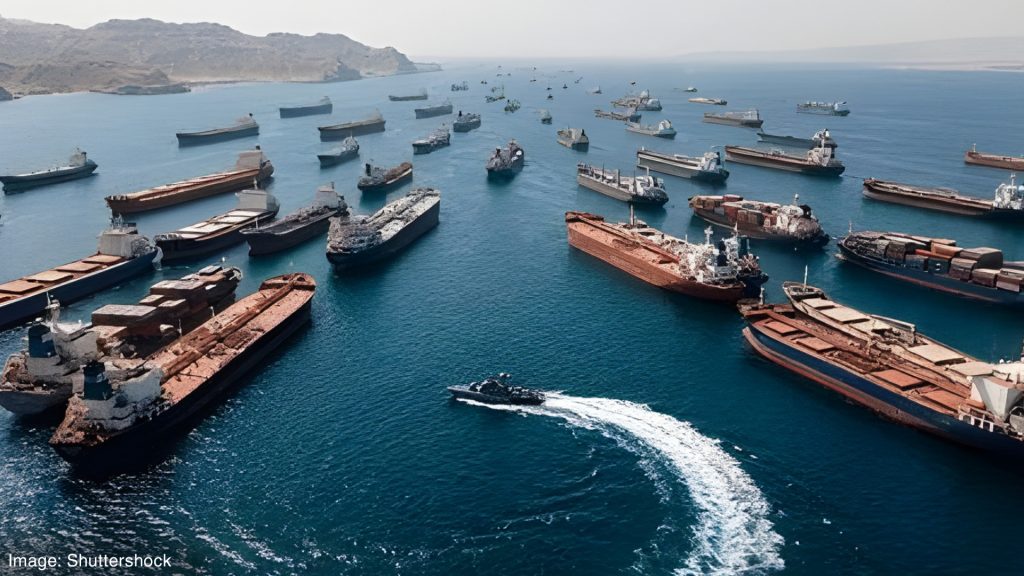
The physical center of the crisis remains the Strait of Hormuz, where around 1,600 ships are stranded as shipping companies wait for clearer conditions before risking passage. The bottleneck has already started reshaping global supply chains, with freight prices surging, insurance costs climbing sharply and analysts openly discussing the possibility of oil reaching $200 a barrel if the instability continues. The UAE has been quietly rerouting and disguising tanker movements to reduce exposure inside the Gulf, while strikes connected to Iran’s South Pars gas infrastructure and Qatar’s Ras Laffan LNG facilities have added fresh anxiety to energy markets already stretched thin.

What The Headlines Are Not Showing

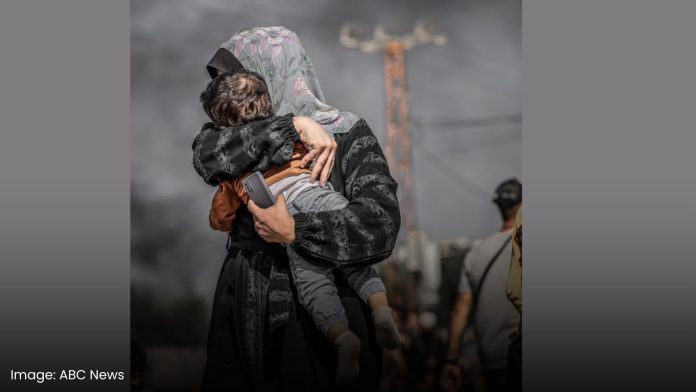
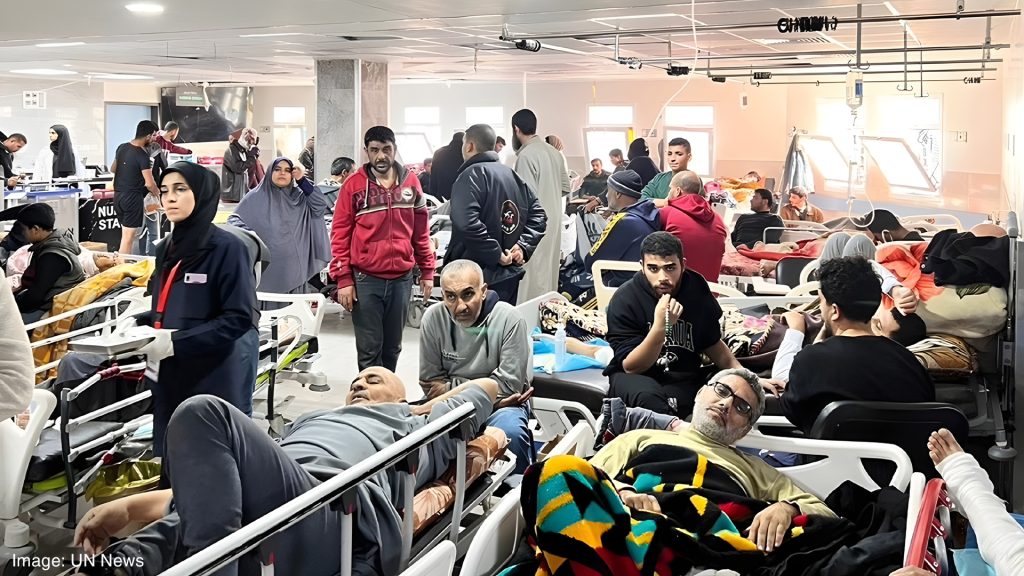
While diplomatic momentum builds, the humanitarian situation across the region continues deteriorating in ways that ceasefire language does not capture. Aid groups warn that Gaza is approaching a public health disaster, with destroyed sewage systems, severe overcrowding and rising fears of cholera and hepatitis outbreaks. In southern Lebanon, repeated Israeli strikes have reduced entire villages to what observers described as moonscapes, devastating roads, water systems and civilian infrastructure across multiple areas. The seizure of Freedom Flotilla vessels near Greece also reignited debate surrounding Israel’s blockade policies and international maritime law.
Inside Iran, The War Is Showing Up In Grocery Baskets

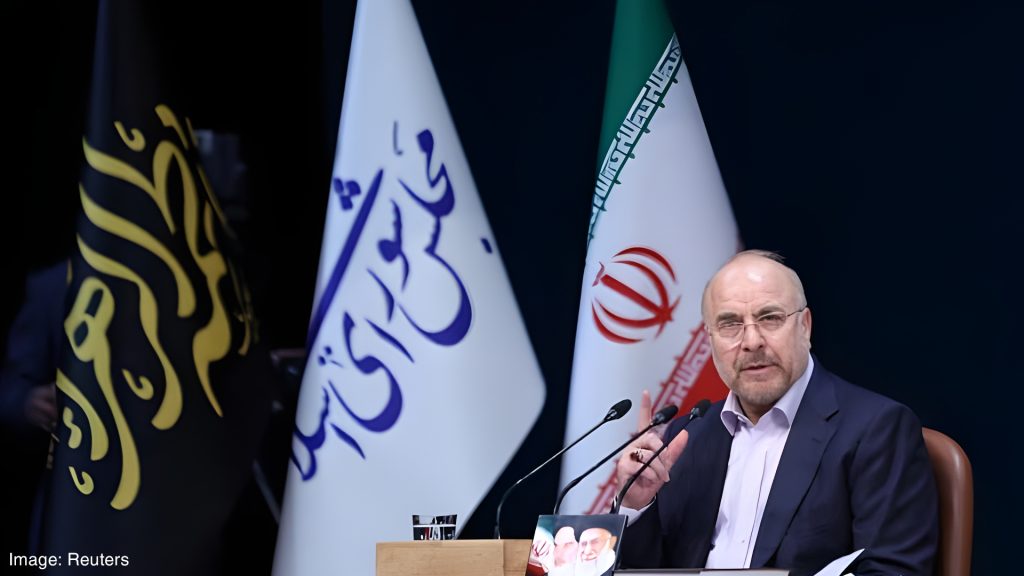
Inside Iran, the pressure from the conflict is increasingly visible in daily life. Human rights groups report one of the fastest waves of political executions in recent years, with dozens executed on political, protest-related or espionage charges since the escalation began. Iranian parliament speaker Mohammad Bagher Ghalibaf recently urged citizens to embrace frugality, describing it as a form of resistance, a speech that revealed how deeply wartime anxiety and economic deterioration have penetrated ordinary civilian life. Even if diplomacy eventually succeeds, the economic, humanitarian and psychological damage may outlast the ceasefire headlines by years.

Sources: CNN, Reuters, AP, Al Jazeera, Democracy Now, Bloomberg, Arab News, Tasnim News Agency, Amnesty International, WHO, Dawn, Gulf News, IRNA, Indian Express

#Verum #Iran #USA #Hormuz #MiddleEast #OilCrisis #Gaza #Lebanon #Pakistan #WorldNews

The Iran-US conflict may finally be moving toward a diplomatic opening, but the reality across the Middle East still looks deeply unstable. Donald Trump confirmed he had been briefed on what he called a “concept of the deal” from Iran, while reports from multiple outlets suggest Tehran’s latest proposal includes nuclear non-proliferation guarantees in exchange for phased sanctions relief. At the same time, Trump described recent US pressure on Iranian ships as a love tap, a framing that sits awkwardly alongside the fact that naval confrontations in the Gulf have continued in parallel with the ceasefire discussions themselves.

The Back Channel Nobody Is Talking About

One of the most significant and least reported developments in the crisis is Pakistan’s role behind the scenes. According to multiple reports, Pakistani officials quietly carried messages and proposals between Tehran and Washington after direct communication became increasingly difficult, working as an intermediary during one of the most dangerous phases of the confrontation. Some analysts believe the current diplomatic opening may not have happened without Islamabad maintaining those communication channels, yet the story has received a fraction of the coverage given to military escalation.

The Strait That Is Holding The World’s Energy Hostage

The physical center of the crisis remains the Strait of Hormuz, where around 1,600 ships are stranded as shipping companies wait for clearer conditions before risking passage. The bottleneck has already started reshaping global supply chains, with freight prices surging, insurance costs climbing sharply and analysts openly discussing the possibility of oil reaching $200 a barrel if the instability continues. The UAE has been quietly rerouting and disguising tanker movements to reduce exposure inside the Gulf, while strikes connected to Iran’s South Pars gas infrastructure and Qatar’s Ras Laffan LNG facilities have added fresh anxiety to energy markets already stretched thin.

What The Headlines Are Not Showing

While diplomatic momentum builds, the humanitarian situation across the region continues deteriorating in ways that ceasefire language does not capture. Aid groups warn that Gaza is approaching a public health disaster, with destroyed sewage systems, severe overcrowding and rising fears of cholera and hepatitis outbreaks. In southern Lebanon, repeated Israeli strikes have reduced entire villages to what observers described as moonscapes, devastating roads, water systems and civilian infrastructure across multiple areas. The seizure of Freedom Flotilla vessels near Greece also reignited debate surrounding Israel’s blockade policies and international maritime law.
Inside Iran, The War Is Showing Up In Grocery Baskets

Inside Iran, the pressure from the conflict is increasingly visible in daily life. Human rights groups report one of the fastest waves of political executions in recent years, with dozens executed on political, protest-related or espionage charges since the escalation began. Iranian parliament speaker Mohammad Bagher Ghalibaf recently urged citizens to embrace frugality, describing it as a form of resistance, a speech that revealed how deeply wartime anxiety and economic deterioration have penetrated ordinary civilian life. Even if diplomacy eventually succeeds, the economic, humanitarian and psychological damage may outlast the ceasefire headlines by years.

Sources: CNN, Reuters, AP, Al Jazeera, Democracy Now, Bloomberg, Arab News, Tasnim News Agency, Amnesty International, WHO, Dawn, Gulf News, IRNA, Indian Express

#Verum #Iran #USA #Hormuz #MiddleEast #OilCrisis #Gaza #Lebanon #Pakistan #WorldNews
spot_img

Explore more

spot_img
Health

A Supplement Millions Trust Is Now Linked To Faster Alzheimer’s Decline.

Trump Tried To Cut China Off. China Built The Fastest Machine...

The UAE’s Great Betrayal: How Abu Dhabi Played the Muslim World

British Muslims Say They No Longer Feel Safe. The Attacks Are...

Britain Is Getting Its Seventh Prime Minister In A Decade.

Pakistan Helped Build A Peace Roadmap in Switzerland. Isr*el And Its...

The Lebanon Ceasefire Was Supposed To Stop The Strikes. It Barely...

The Plan To End Al-Aqsa Has Already Started.