
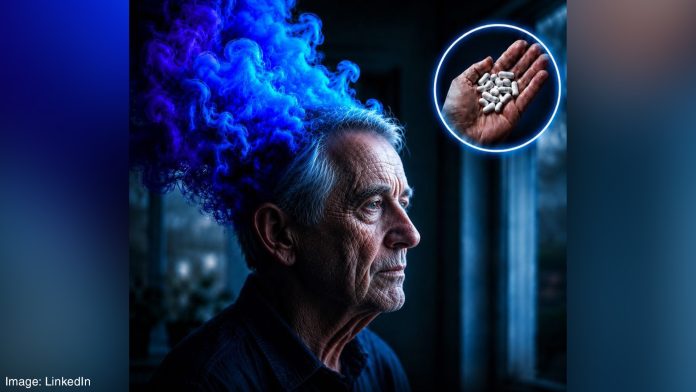
A Supplement Millions Trust Is Now Linked To Faster Alzheimer’s Decline.

The Joint Supplement Now Under Scrutiny

It sits in medicine cabinets like something harmless: a joint-pain supplement, bought over the counter, taken by millions, trusted because it feels ordinary.

But a new Nature Metabolism study has linked glucosamine supplementation to faster Alzheimer’s-related decline and worse survival in people already showing cognitive disease. The researchers reported that glucosamine use was associated with a higher likelihood of mild cognitive impairment progressing to Alzheimer’s disease or related dementia, and with worsened survival among patients already diagnosed with Alzheimer’s-related dementia. Nature Metabolism

What The Study Found

The research team analyzed medical records from University of Florida Health, covering patients with mild cognitive impairment and Alzheimer’s disease or related dementia. According to the University of Florida, glucosamine use was associated with a 25% higher risk of progression from mild cognitive impairment to Alzheimer’s disease. Among patients already diagnosed with Alzheimer’s disease or related dementia, glucosamine use was also associated with a 25% higher mortality risk. University of Florida McKnight Brain Institute

Health.com reported the same key warning: glucosamine users with mild cognitive impairment had a higher likelihood of progressing to dementia, while patients with Alzheimer’s-related disease who used glucosamine had a higher risk of death within five years.

The Brain Sugar-Coating Theory

The biological concern is something called hyperglycosylation. In simpler terms, it means too much sugar-based tagging on proteins. Normal glycosylation helps cells function. But the study argues that excessive glycosylation may help drive Alzheimer’s pathology by disrupting protein function in the brain.
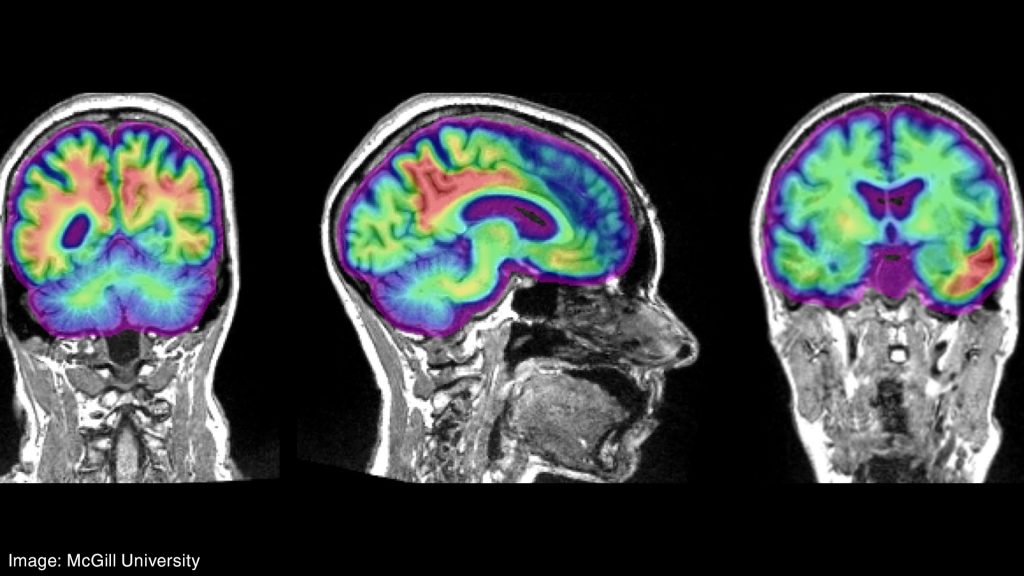
The researchers did not rely only on patient records. They also studied Alzheimer’s brain tissue and mouse models. In mouse experiments, glucosamine worsened cognitive deficits, while reducing key glycosylation enzymes improved cognitive outcomes. That makes the finding more serious than a simple database link, though still not final proof in humans. Nature Metabolism

The Important Caveat

This study does not prove glucosamine causes Alzheimer’s disease. It does not mean every healthy person taking glucosamine is suddenly at risk of dementia. The clearest warning is for people already showing cognitive decline or already diagnosed with Alzheimer’s-related disease.

Outside experts also urged caution. Health.com quoted UCLA neurologist Jason Hinman saying the findings appear robust, but the study cannot prove causation and does not separate different forms of glucosamine supplementation. Large clinical trials are still needed before doctors can make definitive recommendations.

That caveat matters because older research has not all pointed in the same direction. A UK Biobank-linked study previously found regular glucosamine use was associated with lower dementia risk among people without dementia at baseline. Other observational research has also linked glucosamine to lower all-cause mortality. Glucosamine Mortality Study / PMC

Why This Warning Still Matters

The story is not that glucosamine has been proven dangerous for everyone. The story is that a common supplement, used heavily by older adults, is now linked to worse outcomes in the exact population most vulnerable to cognitive decline.

That is why the warning matters. Supplements often escape the seriousness people apply to prescription drugs, even when the people taking them are elderly, medically fragile or already living with complex disease. For anyone with memory problems, mild cognitive impairment or Alzheimer’s-related disease, glucosamine is no longer just another harmless bottle in the cabinet. It is something to discuss with a doctor before using casually.

By Verity Quill | verumnetwork.com

Sources

Nature Metabolism

University of Florida McKnight Brain Institute

ScienceDaily / UF Health

Health.com

New York Post

UK Biobank / PMC

Glucosamine Mortality Study / PMC

The Joint Supplement Now Under Scrutiny

It sits in medicine cabinets like something harmless: a joint-pain supplement, bought over the counter, taken by millions, trusted because it feels ordinary.

But a new Nature Metabolism study has linked glucosamine supplementation to faster Alzheimer’s-related decline and worse survival in people already showing cognitive disease. The researchers reported that glucosamine use was associated with a higher likelihood of mild cognitive impairment progressing to Alzheimer’s disease or related dementia, and with worsened survival among patients already diagnosed with Alzheimer’s-related dementia. Nature Metabolism

What The Study Found

The research team analyzed medical records from University of Florida Health, covering patients with mild cognitive impairment and Alzheimer’s disease or related dementia. According to the University of Florida, glucosamine use was associated with a 25% higher risk of progression from mild cognitive impairment to Alzheimer’s disease. Among patients already diagnosed with Alzheimer’s disease or related dementia, glucosamine use was also associated with a 25% higher mortality risk. University of Florida McKnight Brain Institute

Health.com reported the same key warning: glucosamine users with mild cognitive impairment had a higher likelihood of progressing to dementia, while patients with Alzheimer’s-related disease who used glucosamine had a higher risk of death within five years.

The Brain Sugar-Coating Theory

The biological concern is something called hyperglycosylation. In simpler terms, it means too much sugar-based tagging on proteins. Normal glycosylation helps cells function. But the study argues that excessive glycosylation may help drive Alzheimer’s pathology by disrupting protein function in the brain.

The researchers did not rely only on patient records. They also studied Alzheimer’s brain tissue and mouse models. In mouse experiments, glucosamine worsened cognitive deficits, while reducing key glycosylation enzymes improved cognitive outcomes. That makes the finding more serious than a simple database link, though still not final proof in humans. Nature Metabolism

The Important Caveat

This study does not prove glucosamine causes Alzheimer’s disease. It does not mean every healthy person taking glucosamine is suddenly at risk of dementia. The clearest warning is for people already showing cognitive decline or already diagnosed with Alzheimer’s-related disease.

Outside experts also urged caution. Health.com quoted UCLA neurologist Jason Hinman saying the findings appear robust, but the study cannot prove causation and does not separate different forms of glucosamine supplementation. Large clinical trials are still needed before doctors can make definitive recommendations.

That caveat matters because older research has not all pointed in the same direction. A UK Biobank-linked study previously found regular glucosamine use was associated with lower dementia risk among people without dementia at baseline. Other observational research has also linked glucosamine to lower all-cause mortality. Glucosamine Mortality Study / PMC

Why This Warning Still Matters

The story is not that glucosamine has been proven dangerous for everyone. The story is that a common supplement, used heavily by older adults, is now linked to worse outcomes in the exact population most vulnerable to cognitive decline.

That is why the warning matters. Supplements often escape the seriousness people apply to prescription drugs, even when the people taking them are elderly, medically fragile or already living with complex disease. For anyone with memory problems, mild cognitive impairment or Alzheimer’s-related disease, glucosamine is no longer just another harmless bottle in the cabinet. It is something to discuss with a doctor before using casually.

By Verity Quill | verumnetwork.com

Sources

Nature Metabolism

University of Florida McKnight Brain Institute

ScienceDaily / UF Health

Health.com

New York Post

UK Biobank / PMC

Glucosamine Mortality Study / PMC

spot_img

Explore more

spot_img
Science & Technology

Trump Tried To Cut China Off. China Built The Fastest Machine...

The UAE’s Great Betrayal: How Abu Dhabi Played the Muslim World

British Muslims Say They No Longer Feel Safe. The Attacks Are...

Britain Is Getting Its Seventh Prime Minister In A Decade.

Pakistan Helped Build A Peace Roadmap in Switzerland. Isr*el And Its...

The Lebanon Ceasefire Was Supposed To Stop The Strikes. It Barely...

The Plan To End Al-Aqsa Has Already Started.

Congress Just Made Isr*el Harder To Hold Accountable