The UAE’s Hidden Record: Beyond the Image
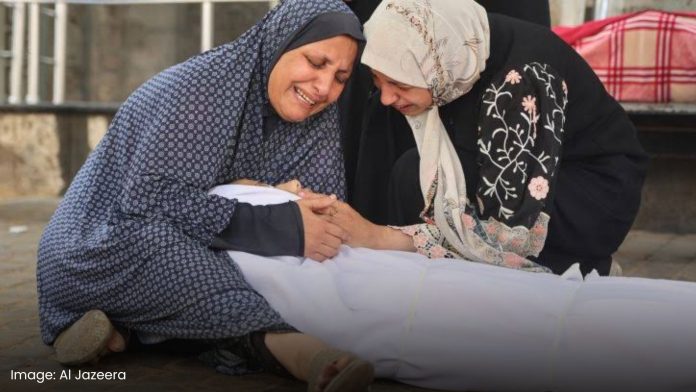
Mennel Ibtissem was a French-Syrian singer who rose to fame on a television talent show. Then she was placed on a list. A list compiled by a Swiss private intelligence firm, paid for by the UAE government, that branded her a Muslim Brotherhood sympathizer. She lost work. She lost her platform. Under the weight of coordinated online harassment that followed, she removed her hijab. She told reporters she had “never said or done anything” that could justify the accusation. Her name was just one of more than a thousand names on a UAE-funded targeting operation running across 18 European countries.
That story is where this one begins. Not in a military briefing room, not in a diplomatic signing ceremony. With a Muslim woman in France whose life was upended by Abu Dhabi’s money and Abu Dhabi’s choices.
The UAE has spent years presenting itself as a model of Arab stability, Muslim leadership and regional moderation. But the record behind that image tells a much darker story. This is not about one meeting, one weapons deal or one war. It is about a system of power that stretches from Isr*el to Iran, from Europe to Sudan, and from public diplomacy to covert influence. Reports from Reuters, The Wall Street Journal, Middle East Eye, The New Arab, Human Rights Watch, Amnesty International, The Guardian and DeSmog point to the same uncomfortable pattern: Abu Dhabi keeps selling Muslim leadership while building alliances, deals and proxy networks that repeatedly harm Muslim lives and Muslim political power.
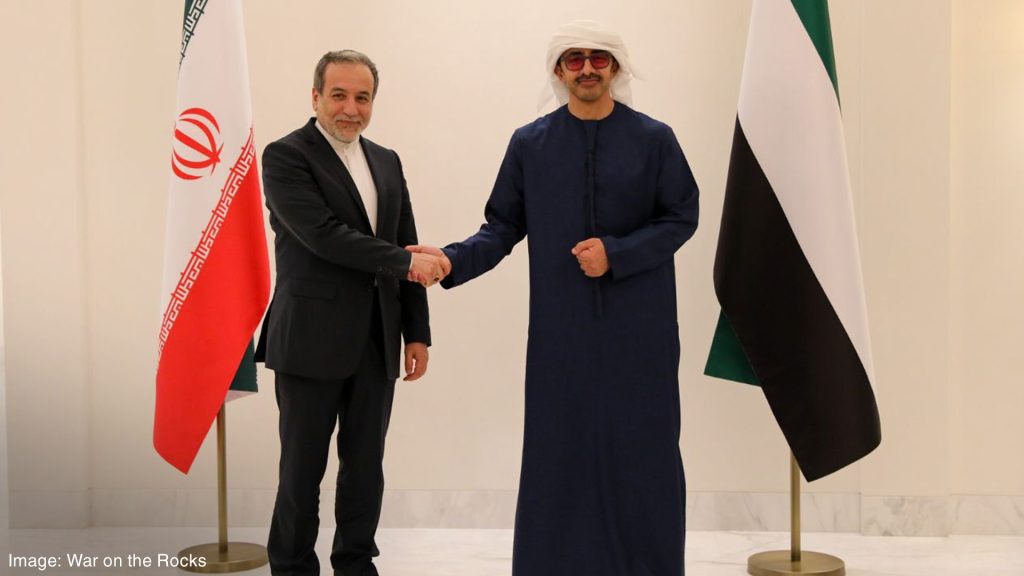
The UAE-Isr*el War Track
During the 2026 Iran war, The Wall Street Journal reported that the UAE had secretly carried out attacks on Iran, including a strike on an oil refinery on Lavan Island. Iran responded by targeting the UAE with more than 2,800 missiles and drones, more than any other country in the region, including Isr*el itself.
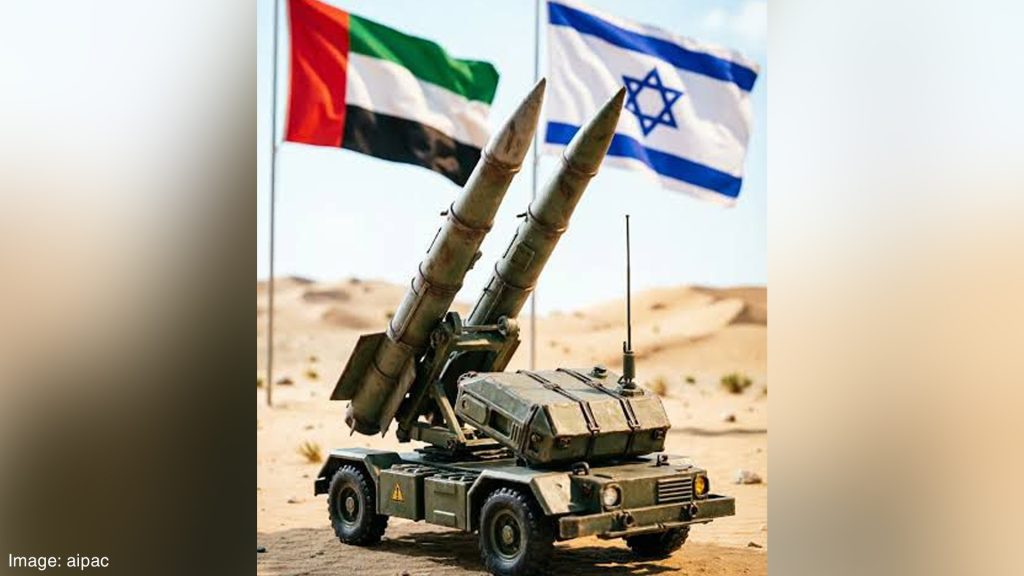
The Isr*el connection went further. US Ambassador Mike Huckabee confirmed that Isr*el sent Iron Dome air-defense systems and personnel to the UAE to help defend it against Iranian attacks. That matters because this was not just diplomatic normalization. It meant Isr*eli military systems and Isr*eli soldiers were physically operating inside an Arab country during a regional war.
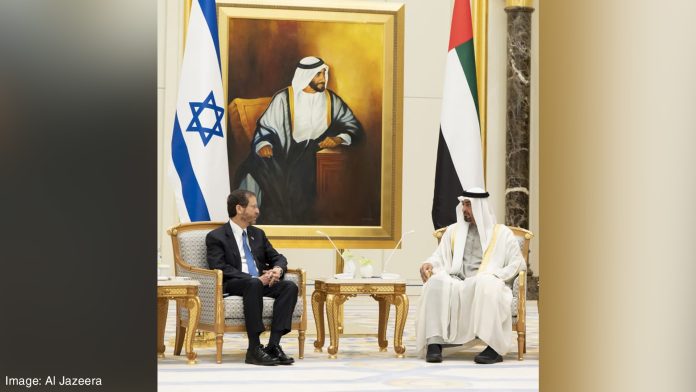
Netanyahu’s office then claimed he had secretly visited the UAE during the conflict, meeting with Sheikh Mohammed bin Zayed in Al Ain on March 26. The meeting reportedly lasted several hours and resulted in what Netanyahu called a “historic breakthrough.” The UAE immediately denied the visit had taken place.
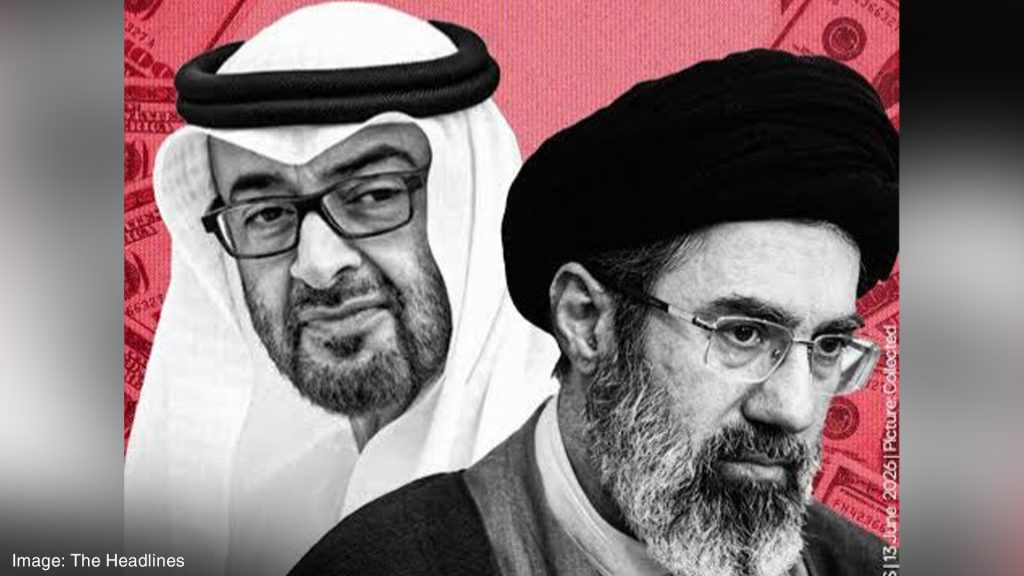
The Iran Double Game
While the UAE was reportedly coordinating with Isr*el, Reuters reported that sources said Abu Dhabi agreed to unlock billions of dollars for Iran after weeks of Iranian attacks on the Gulf state. Two regional sources told Reuters the UAE agreed to release $10 billion in total, with more than $3 billion already delivered. Two other sources put the figure at $20 billion, saying the arrangement was agreed in return for Iran halting its strikes on UAE territory.
The UAE denied the report as “entirely false and unfounded.”
That denial must be stated clearly. The confirmed fact is not that the UAE paid Iran to protect Isr*el. What Reuters reported, citing four sources, is that the UAE unlocked funds for Iran after Iranian attacks on the UAE itself, and that Abu Dhabi denied it. Even with that caution, the political meaning is explosive. Abu Dhabi was reportedly defending itself with Isr*eli systems while being accused by Reuters sources of using money to stop Iran’s fire. That is not neutrality. That is a double game.

Normalization Became A Weapons Market
The UAE-Isr*el relationship also moved deeper through defense economics. Middle East Eye reported that the UAE and Isr*el established a fund to jointly acquire and develop new weapons systems, with the partnership potentially including UAE funding for Isr*eli air-defense technology.
Separately, Middle East Eye reported that the UAE was identified as the secret buyer in a $2.3 billion deal with Isr*eli arms giant Elbit Systems, the largest deal in Elbit’s history, involving aircraft protection systems. This deal was agreed while Isr*el’s genocidal war on Gaza was ongoing.
This is the part Abu Dhabi’s polished branding cannot hide. Normalization was not only about embassies, trade forums and smiling handshakes. It became a weapons economy.
The Anti-Muslim Smear Machine In Europe
The betrayal did not stop in the Middle East.
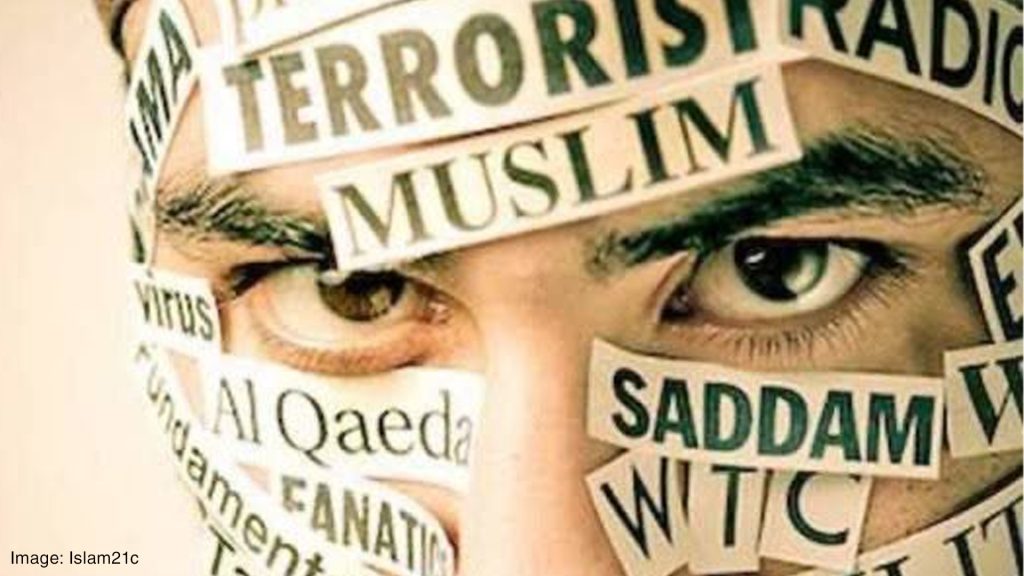
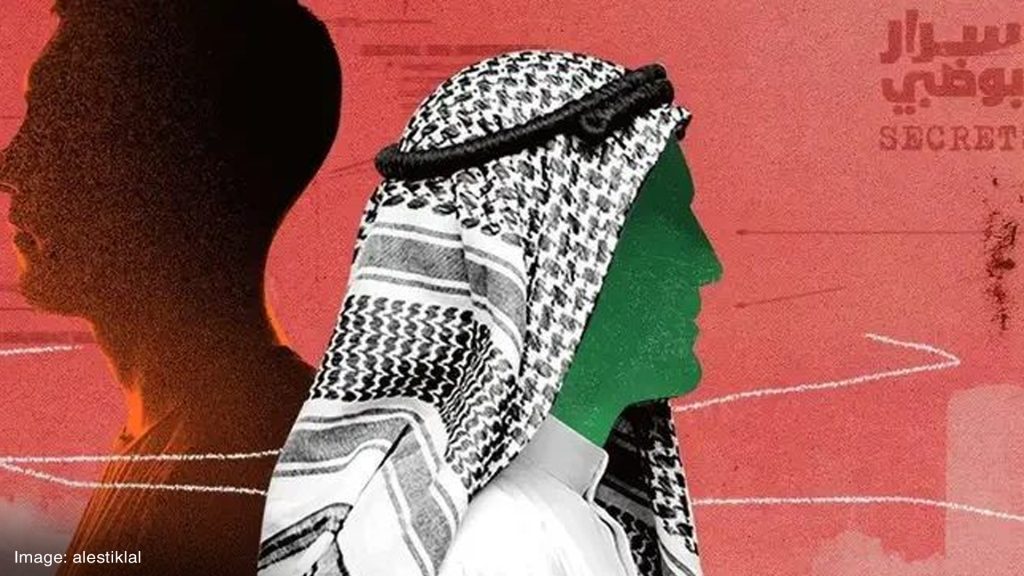
The Abu Dhabi Secrets investigation, conducted by Mediapart and the European Investigative Collaborations network, alleged that the UAE paid Swiss intelligence firm Alp Services between 2017 and 2020 to target Muslims, Muslim organizations, charities, academics, journalists and politicians across 18 European countries, branding them as extremists or Muslim Brotherhood sympathizers through fake accounts, media manipulation and coordinated disinformation.
More than a thousand individuals and 400 organizations were named in the files. A German-based businessman saw his oil company collapse after being falsely accused of funding terrorism. Belgium formally summoned the UAE ambassador and filed official protests. Georgetown University was named in a lawsuit over the same network.
A separate 2019 investigation by Mediapart also reported that Marine Le Pen’s party received an €8 million loan reportedly routed through a financial institution based in Abu Dhabi, funding that, if confirmed, would violate French laws prohibiting foreign financing of political parties. Le Pen’s party ran on an openly anti-Islam platform.
The UAE sold itself as a Muslim state while investigations alleged it was helping build the machinery that painted Muslims as threats.
Sudan: The Cost Of Proxy Power
Then comes Sudan.
Human Rights Watch reported that Colombian private military contractors, apparently hired by a UAE-based company, transited through UAE military bases before being deployed to Sudan to support the Rapid Support Forces, the militia carrying out mass atrocities across Darfur. HRW said this added to evidence indicating the UAE was assisting or substantially contributing to the RSF’s capacity to commit war crimes.
Amnesty International separately reported that advanced Chinese-made weapons used in Sudan had been provided by the UAE, calling their presence in Darfur a clear violation of the arms embargo.
The Guardian reported that UK MPs were set to hear testimony alleging that Britain prioritized ties with the UAE over preventing mass atrocities in Sudan, with claims that UK officials suppressed information implicating Abu Dhabi under diplomatic pressure.
The UAE has repeatedly denied supporting the RSF. That denial must be stated. But so must the pattern: multiple human rights, investigative and media reports have placed the UAE at the center of allegations about the RSF’s war machine.
Food Security For Abu Dhabi, Starvation In Sudan
The contradiction becomes even darker when placed beside food security. DeSmog reported that subsidiaries controlled by the UAE’s ruling Al Nahyan family, with a net worth of $320 billion, collected more than €71 million in EU farm subsidies over six years for mega-farms in Romania, Italy and Spain. The payouts were possible because EU subsidies are calculated on land size rather than need, meaning a billionaire dynasty qualified for the same payments as struggling European farmers.
That is the moral fracture: a ruling family collecting European food-security wealth while the UAE faces serious and documented allegations over the RSF, a militia accused of using starvation as a weapon of war in a country where children were reportedly forced to eat tree leaves and charcoal to survive.
This Was Not One Betrayal
The UAE did not betray the Muslim world in one moment. It built a system.
Normalize with Isr*el. Deepen weapons ties. Coordinate against Iran, then reportedly hedge with Iran when the war hit home. Target Muslim civil society in Europe through alleged smear networks. Face repeated accusations of fueling Sudan’s devastation.
For South Asian and Pakistani workers, hundreds of thousands of whom live and work inside the UAE sending remittances home that keep entire families alive, this pattern raises a question that has no comfortable answer: whose interests does this state actually serve?
This is not simply foreign policy. It is power without loyalty.
And for a state that keeps selling itself as a guardian of Arab Muslim stability, that may be the greatest betrayal of all.
By Verity Quill | verumnetwork.com
Sources