The NY Times Just Put Isr*el On The Defensive

In December 2023, the New York Times published “Screams Without Words,” an investigation into allegations of sexual violence by Hamas on October 7. The article became central to international messaging around the war. It ran on the front page, was widely cited by Western governments and shaped how much of the world understood the justification for what followed in Gaza. Palestinian survivors questioned its evidence. The families of those named in it rejected its conclusions. The Times kept it up.

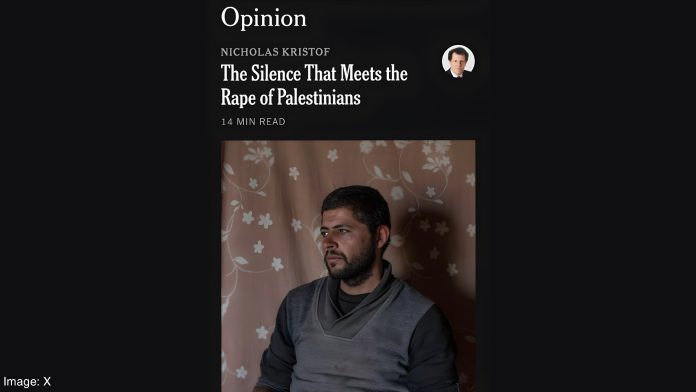
Eighteen months later, the same newspaper published a column by Nicholas Kristof detailing allegations of systematic rape, torture and sexual abuse inside Isr*eli detention facilities. Within hours, Isr*el’s Foreign Ministry called it one of the worst blood libels ever to appear in the modern press. The testimony of Palestinian survivors did not change between those two moments. The byline did.

Who Nicholas Kristof Is And Why This Matters

Kristof is not a fringe commentator or an activist journalist. He is a two-time Pulitzer Prize winner who has spent decades reporting on sexual violence, genocide and human rights atrocities across some of the world’s most dangerous conflict zones. He has covered Darfur, Congo, Cambodia and the systematic rape of women in war. He is also someone who has described himself as a friend of Isr*el and has written critically of Hamas. He is precisely the kind of voice that cannot be easily dismissed as ideologically motivated, which is exactly why his decision to spend weeks in the West Bank documenting Palestinian detainee testimony has landed with the force it has. When Kristof writes that something constitutes a pattern of systematic abuse, the world has decades of reason to take that seriously.

What Kristof Found

Kristof spoke to 14 Palestinian men, women and children who described being sexually abused by Isr*eli soldiers, settlers, Shin Bet interrogators and prison guards. What they described is among the most disturbing testimony to emerge from this genocide. A man raped three times in a single day inside an Isr*eli prison, the third time after he tried to protest. A woman stripped naked at the start of every guard shift as new staff were introduced to her body as a matter of routine. A Palestinian journalist held down, blindfolded and handcuffed while a rubber baton was used to penetrate him as guards laughed and smoked cigarettes afterward. Guards at Megiddo Prison reportedly called this ritual the reception party, carried out on new arrivals as standard practice. Three children told Kristof directly that they had been sexually abused while in Isr*eli custody. Some former detainees alleged that specially trained dogs were used to sexually assault prisoners while guards watched, laughed and filmed the assaults on their phones.

Kristof did not allege that Isr*eli leaders explicitly ordered these acts. What he argued, based on testimony, documentation and independent research, was that sexual violence had become one of Isr*el’s standard operating procedures inside its detention system, enabled by a culture of impunity that extends from the prison floor to the political leadership. He also made an observation that has since gone almost entirely unreported in Western coverage: that American tax dollars directly subsidize the Isr*eli security establishment, making the United States a financially complicit party in what happens inside those facilities.

The Case That Proved The Pattern

The Kristof investigation did not arrive in a vacuum. In July 2024, five Isr*eli reserve soldiers gang-raped a Palestinian detainee inside the Sde Teiman detention facility in the Negev desert. The assault was so severe the victim required emergency hospitalization, with doctors documenting a perforated rectum, broken ribs and a punctured lung. Security camera footage of the assault was leaked and broadcast on Isr*eli television, triggering international outrage and what appeared, briefly, to be a moment of institutional accountability.
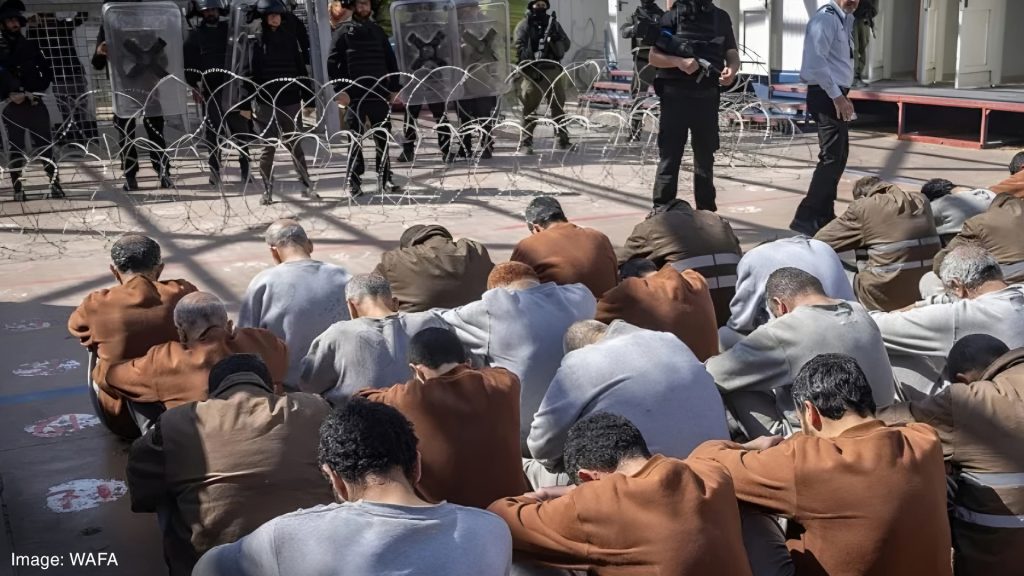
In March 2026, all charges were dropped. Prosecutors argued the footage did not show abuse violent enough to meet the criminal threshold for conviction, and noted that the victim had by then been returned to Gaza, creating what they called an absence of certainty that he could testify. Isr*el had returned the victim to an active war zone and then used his absence to permanently close the case against his attackers. The soldiers were celebrated rather than punished. National Security Minister Itamar Ben-Gvir called them our best heroes and Finance Minister Bezalel Smotrich called them heroic warriors, demanding an investigation not into the rape itself but into whoever had leaked the footage that exposed it. The Military Advocate General who had authorized leaking that footage to counter public denial of the abuse resigned under pressure, was later found at a Tel Aviv beach and arrested on suspicion of being the source. The rapists walked free while the person who tried to hold them accountable faced criminal charges for doing so.

The Surgeon They Left To Die

Before Kristof, before Sde Teiman became a household name, there was Dr. Adnan Al-Bursh, and his case remains the most chilling individual account to emerge from Isr*el’s detention system.

Al-Bursh was the head of orthopedics at Al-Shifa Hospital in Gaza and one of the most respected surgeons in the Palestinian territories. In 2018, during the Great March of Return, a photograph of him went viral globally: exhausted, still in surgical scrubs, covered in the blood of patients after performing 28 operations in a single day as Isr*eli snipers fired on Palestinian protesters. On December 14, 2023, Isr*eli forces arrested him while he was treating patients at Al-Awda Hospital in northern Gaza. He was taken to Sde Teiman. He was never charged with any crime.

By April 2024 he was dead. A fellow prisoner held at Ofer Prison described seeing Al-Bursh arrive in mid-April in a state of severe physical deterioration, naked from the waist down, thrown into a prison yard by guards and left there unable to stand. Another prisoner helped him into a room. Minutes later screams were heard and Dr. Adnan Al-Bursh was gone. UN Special Rapporteur Francesca Albanese said he was likely raped to death. His body was withheld by Isr*eli authorities for over a year. His family received no explanation. He was a doctor who had spent his life treating the wounded and he died alone, naked, on a prison floor, having never been charged with anything.

The UN Said This Before Kristof Did

In March 2026, two months before the Kristof column, UN Special Rapporteur Francesca Albanese submitted a formal report to the Human Rights Council concluding that torture inside Isr*eli detention facilities had become a coordinated state plan rather than a series of isolated incidents. The report named National Security Minister Itamar Ben-Gvir’s so-called prison revolution as having institutionalized a policy of systematic degradation against Palestinian detainees, and called for ICC arrest warrants against Ben-Gvir, Smotrich and senior Isr*eli Prison Service officials. That report received a fraction of the international attention that Kristof’s column generated within 48 hours of publication, which itself speaks to the credibility gap at the center of this crisis.

A Battle Over Whose Testimony Counts

At the center of this controversy is a question that has run through this entire genocide: whose testimony is considered credible and whose is dismissed without consequence. Isr*eli officials and supporters have rejected the Kristof piece as defamatory, politically motivated and based on compromised sources, recycling the blood libel accusation that was also deployed against the soldiers’ prosecutor, the UN rapporteur and every Palestinian rights organization that raised these allegations since 2023. The Public Committee Against Torture in Isr*el has documented that despite hundreds of reported abuse cases since October 2023, not a single prosecution has resulted in a prison sentence for abuse of a Palestinian detainee. The Sde Teiman case, the most filmed and documented abuse incident of the entire war, ended with charges dropped and the accused publicly celebrated by senior government ministers.
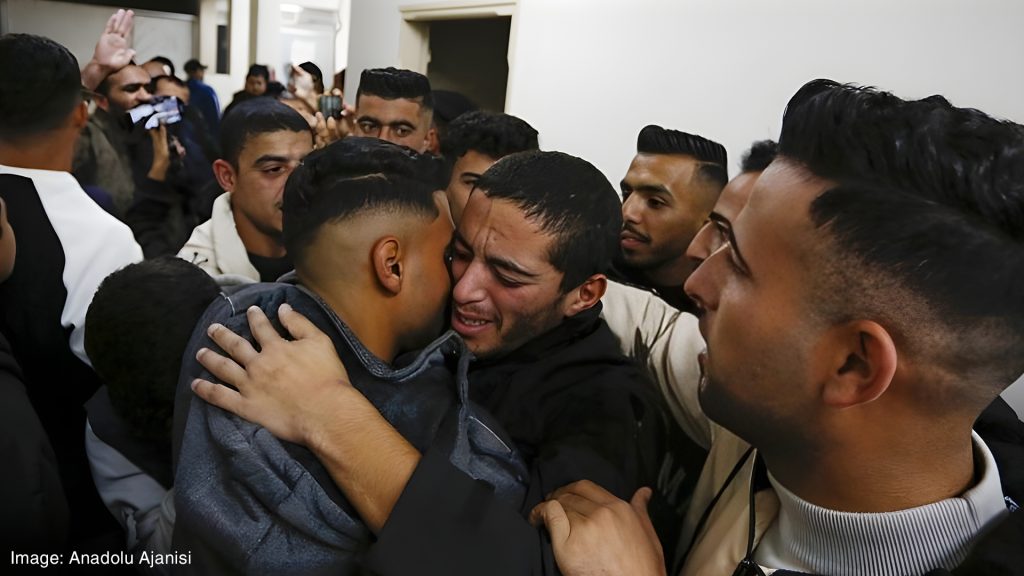
Palestinian survivors have been making these allegations since the first weeks of this genocide. They were dismissed, ignored and labeled as propaganda. Then a two-time Pulitzer Prize winner spent weeks in the West Bank, listened to the same testimony, and published it in the same newspaper that spent eighteen months anchoring international support for this war. Isr*el’s response was not to open its prisons to independent inspection or address the substance of the allegations. It was to call that newspaper a purveyor of blood libels, the same accusation it used against its own military prosecutor when she tried to hold five soldiers accountable for a rape caught on camera.

Sources: The New York Times, UN Human Rights Council, Francesca Albanese report March 2026, Middle East Eye, Al Jazeera, Truthout, AP, OHCHR, Public Committee Against Torture in Isr*el, CBC, CNN, HaMoked, Sky News.

#Gaza #Palestine #Isr*el #NYTimes #NicholasKristof #HumanRights #SdeTeiman #MiddleEast #WarCrimes #UN #GenocideInGaza #Journalism #WorldNews #Geopolitics #BreakingNews #Verum

In December 2023, the New York Times published “Screams Without Words,” an investigation into allegations of sexual violence by Hamas on October 7. The article became central to international messaging around the war. It ran on the front page, was widely cited by Western governments and shaped how much of the world understood the justification for what followed in Gaza. Palestinian survivors questioned its evidence. The families of those named in it rejected its conclusions. The Times kept it up.

Eighteen months later, the same newspaper published a column by Nicholas Kristof detailing allegations of systematic rape, torture and sexual abuse inside Isr*eli detention facilities. Within hours, Isr*el’s Foreign Ministry called it one of the worst blood libels ever to appear in the modern press. The testimony of Palestinian survivors did not change between those two moments. The byline did.

Who Nicholas Kristof Is And Why This Matters

Kristof is not a fringe commentator or an activist journalist. He is a two-time Pulitzer Prize winner who has spent decades reporting on sexual violence, genocide and human rights atrocities across some of the world’s most dangerous conflict zones. He has covered Darfur, Congo, Cambodia and the systematic rape of women in war. He is also someone who has described himself as a friend of Isr*el and has written critically of Hamas. He is precisely the kind of voice that cannot be easily dismissed as ideologically motivated, which is exactly why his decision to spend weeks in the West Bank documenting Palestinian detainee testimony has landed with the force it has. When Kristof writes that something constitutes a pattern of systematic abuse, the world has decades of reason to take that seriously.

What Kristof Found

Kristof spoke to 14 Palestinian men, women and children who described being sexually abused by Isr*eli soldiers, settlers, Shin Bet interrogators and prison guards. What they described is among the most disturbing testimony to emerge from this genocide. A man raped three times in a single day inside an Isr*eli prison, the third time after he tried to protest. A woman stripped naked at the start of every guard shift as new staff were introduced to her body as a matter of routine. A Palestinian journalist held down, blindfolded and handcuffed while a rubber baton was used to penetrate him as guards laughed and smoked cigarettes afterward. Guards at Megiddo Prison reportedly called this ritual the reception party, carried out on new arrivals as standard practice. Three children told Kristof directly that they had been sexually abused while in Isr*eli custody. Some former detainees alleged that specially trained dogs were used to sexually assault prisoners while guards watched, laughed and filmed the assaults on their phones.

Kristof did not allege that Isr*eli leaders explicitly ordered these acts. What he argued, based on testimony, documentation and independent research, was that sexual violence had become one of Isr*el’s standard operating procedures inside its detention system, enabled by a culture of impunity that extends from the prison floor to the political leadership. He also made an observation that has since gone almost entirely unreported in Western coverage: that American tax dollars directly subsidize the Isr*eli security establishment, making the United States a financially complicit party in what happens inside those facilities.

The Case That Proved The Pattern

The Kristof investigation did not arrive in a vacuum. In July 2024, five Isr*eli reserve soldiers gang-raped a Palestinian detainee inside the Sde Teiman detention facility in the Negev desert. The assault was so severe the victim required emergency hospitalization, with doctors documenting a perforated rectum, broken ribs and a punctured lung. Security camera footage of the assault was leaked and broadcast on Isr*eli television, triggering international outrage and what appeared, briefly, to be a moment of institutional accountability.

In March 2026, all charges were dropped. Prosecutors argued the footage did not show abuse violent enough to meet the criminal threshold for conviction, and noted that the victim had by then been returned to Gaza, creating what they called an absence of certainty that he could testify. Isr*el had returned the victim to an active war zone and then used his absence to permanently close the case against his attackers. The soldiers were celebrated rather than punished. National Security Minister Itamar Ben-Gvir called them our best heroes and Finance Minister Bezalel Smotrich called them heroic warriors, demanding an investigation not into the rape itself but into whoever had leaked the footage that exposed it. The Military Advocate General who had authorized leaking that footage to counter public denial of the abuse resigned under pressure, was later found at a Tel Aviv beach and arrested on suspicion of being the source. The rapists walked free while the person who tried to hold them accountable faced criminal charges for doing so.

The Surgeon They Left To Die

Before Kristof, before Sde Teiman became a household name, there was Dr. Adnan Al-Bursh, and his case remains the most chilling individual account to emerge from Isr*el’s detention system.

Al-Bursh was the head of orthopedics at Al-Shifa Hospital in Gaza and one of the most respected surgeons in the Palestinian territories. In 2018, during the Great March of Return, a photograph of him went viral globally: exhausted, still in surgical scrubs, covered in the blood of patients after performing 28 operations in a single day as Isr*eli snipers fired on Palestinian protesters. On December 14, 2023, Isr*eli forces arrested him while he was treating patients at Al-Awda Hospital in northern Gaza. He was taken to Sde Teiman. He was never charged with any crime.

By April 2024 he was dead. A fellow prisoner held at Ofer Prison described seeing Al-Bursh arrive in mid-April in a state of severe physical deterioration, naked from the waist down, thrown into a prison yard by guards and left there unable to stand. Another prisoner helped him into a room. Minutes later screams were heard and Dr. Adnan Al-Bursh was gone. UN Special Rapporteur Francesca Albanese said he was likely raped to death. His body was withheld by Isr*eli authorities for over a year. His family received no explanation. He was a doctor who had spent his life treating the wounded and he died alone, naked, on a prison floor, having never been charged with anything.

The UN Said This Before Kristof Did

In March 2026, two months before the Kristof column, UN Special Rapporteur Francesca Albanese submitted a formal report to the Human Rights Council concluding that torture inside Isr*eli detention facilities had become a coordinated state plan rather than a series of isolated incidents. The report named National Security Minister Itamar Ben-Gvir’s so-called prison revolution as having institutionalized a policy of systematic degradation against Palestinian detainees, and called for ICC arrest warrants against Ben-Gvir, Smotrich and senior Isr*eli Prison Service officials. That report received a fraction of the international attention that Kristof’s column generated within 48 hours of publication, which itself speaks to the credibility gap at the center of this crisis.

A Battle Over Whose Testimony Counts

At the center of this controversy is a question that has run through this entire genocide: whose testimony is considered credible and whose is dismissed without consequence. Isr*eli officials and supporters have rejected the Kristof piece as defamatory, politically motivated and based on compromised sources, recycling the blood libel accusation that was also deployed against the soldiers’ prosecutor, the UN rapporteur and every Palestinian rights organization that raised these allegations since 2023. The Public Committee Against Torture in Isr*el has documented that despite hundreds of reported abuse cases since October 2023, not a single prosecution has resulted in a prison sentence for abuse of a Palestinian detainee. The Sde Teiman case, the most filmed and documented abuse incident of the entire war, ended with charges dropped and the accused publicly celebrated by senior government ministers.

Palestinian survivors have been making these allegations since the first weeks of this genocide. They were dismissed, ignored and labeled as propaganda. Then a two-time Pulitzer Prize winner spent weeks in the West Bank, listened to the same testimony, and published it in the same newspaper that spent eighteen months anchoring international support for this war. Isr*el’s response was not to open its prisons to independent inspection or address the substance of the allegations. It was to call that newspaper a purveyor of blood libels, the same accusation it used against its own military prosecutor when she tried to hold five soldiers accountable for a rape caught on camera.

Sources: The New York Times, UN Human Rights Council, Francesca Albanese report March 2026, Middle East Eye, Al Jazeera, Truthout, AP, OHCHR, Public Committee Against Torture in Isr*el, CBC, CNN, HaMoked, Sky News.

#Gaza #Palestine #Isr*el #NYTimes #NicholasKristof #HumanRights #SdeTeiman #MiddleEast #WarCrimes #UN #GenocideInGaza #Journalism #WorldNews #Geopolitics #BreakingNews #Verum
spot_img

Explore more

spot_img
Health

A Supplement Millions Trust Is Now Linked To Faster Alzheimer’s Decline.

Trump Tried To Cut China Off. China Built The Fastest Machine...

The UAE’s Great Betrayal: How Abu Dhabi Played the Muslim World

British Muslims Say They No Longer Feel Safe. The Attacks Are...

Britain Is Getting Its Seventh Prime Minister In A Decade.

Pakistan Helped Build A Peace Roadmap in Switzerland. Isr*el And Its...

The Lebanon Ceasefire Was Supposed To Stop The Strikes. It Barely...

The Plan To End Al-Aqsa Has Already Started.