By Shizza Farooqui
The UN sees it. The UN cannot stop it.
The Report That Changed the Language
On 18 May 2026, the United Nations Human Rights Office published its most comprehensive account of Isr*el’s military conduct in Gaza. The report spans 7 October 2023 to 31 May 2025. Its conclusion is unambiguous: Isr*el committed serious violations of international humanitarian law that in many cases amounted to war crimes and atrocity crimes.
Then came something no sitting UN High Commissioner had formally delivered before. Volker Turk, the world’s top human rights official, directly called on Isr*el to prevent the commission of acts of genocide. He also called on Isr*el to end its unlawful presence in the Palestinian territory. The language is institutional. It is permanent in the official record of the United Nations. It cannot be walked back.
For nearly two years, global institutions framed the crisis through the language of humanitarian catastrophe and civilian harm. This report went further. Legal terminology inside the UN carries diplomatic consequences. Once phrases linked to genocide prevention appear in official documentation, the conversation shifts from whether the situation is tragic to whether the international system failed to stop something it was legally obligated to prevent.
72,769 Killed. The Numbers Behind the Warning.
The report is precise. 72,769 Palestinians killed by Isr*eli forces in Gaza since 7 October 2023. 738 of them killed after a ceasefire was already in effect. In the occupied West Bank, 1,096 Palestinians have been killed in the same period. One in five was a child. 79 Palestinians died in Isr*eli detention during the reporting period. Forced displacement in the West Bank is occurring at a rate described as unseen in decades. Between November 2024 and October 2025, Isr*el issued 121 displacement orders to Palestinians.
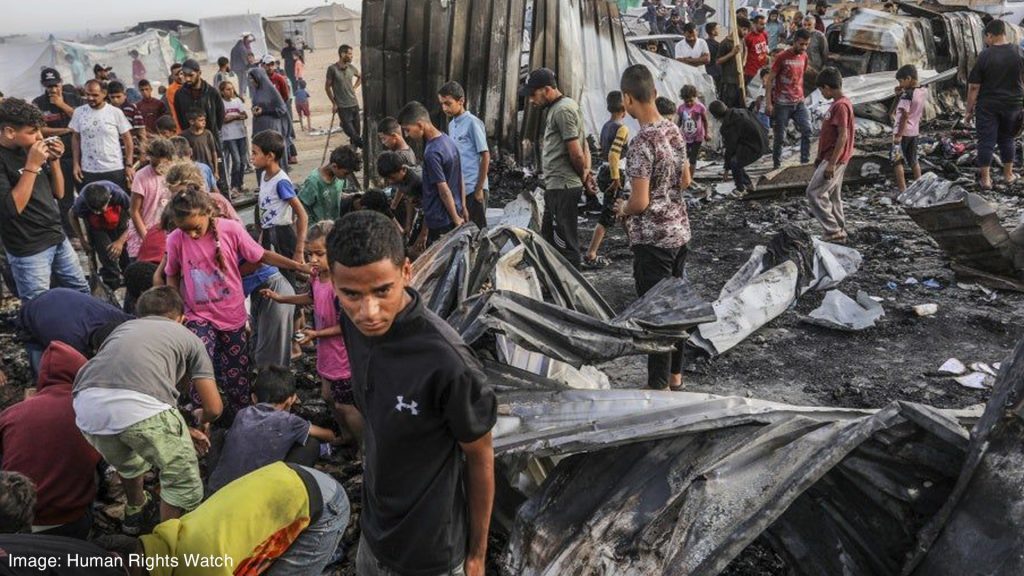
The report also documents what happened to those who tried to stay safe. Isr*el designated Al Mawasi as a humanitarian safe zone and directed civilians to evacuate there. It then struck that same area 161 times, killing 134 people. Across Gaza, 642 attacks on civilian tents killed 1,677 people, including 695 women and children. By October 2025, 82 percent of Gaza had been placed inside Isr*eli-militarized zones.
Starvation as a Method, Not a Side Effect
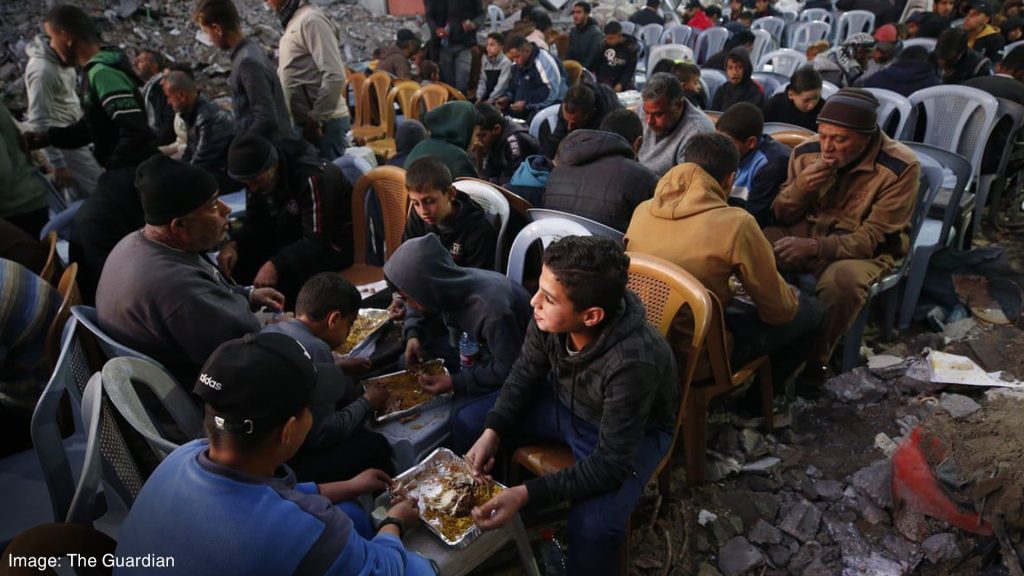
At least 463 Palestinians, including 157 children, starved to death across one twelve-month reporting period. Famine was officially confirmed in Gaza in August 2025, the first famine officially confirmed anywhere in the Middle East. As of May 2026, 43,400 children face severe risk of death from malnutrition by end of June. 55,000 pregnant and breastfeeding women face the same. One in five babies is now being born prematurely or underweight. Bread production has collapsed to 200 tonnes daily, less than half the 450 tonnes Gaza requires.
The report does not frame this as an unintended consequence of war. It frames starvation as a method of it, tied directly to the blocking of humanitarian aid and the systematic destruction of food supply infrastructure.
After the Iran Ceasefire, Gaza Got Worse
When Isr*el reached a ceasefire with Iran last month, the expectation was that pressure on Gaza would ease. Instead, conflict monitors warn that Isr*eli bombardment of Gaza has accelerated since the Iran deal. Settler raids and military operations in the West Bank have intensified. Annexation of Palestinian land is moving faster. The Gaza Government Media Office recorded 2,400 military violations by Isr*eli forces since the Hamas ceasefire came into effect.
The UN report describes this trajectory as a concerted and accelerating practice of undermining the fabric of Palestinian life while consolidating the annexation of large parts of the occupied territories. It is not presented as a regional side effect. It is framed as a deliberate, sustained course of action.
“Impunity Is Not Abstract. It Kills.”
One line from the report captured the core of the crisis more than any statistic. Impunity is not abstract. It kills. The report documents a pervasive climate of impunity inside Isr*el’s justice system. In over two years, not one meaningful accountability step has been taken domestically. The report also details allegations of torture and abuse against Palestinian detainees including waterboarding, repeated beatings, stress positions, sexual and gender-based violence, starvation, and medical negligence.
The Institution Warning the World Is Also Weakening
At almost the exact moment the UN issued one of its strongest Gaza warnings ever, the organisation admitted it is facing a severe financial crisis. Budget shortfalls, delayed payments, and deepening funding gaps are threatening staffing and operations across the system. Programmes dedicated to humanitarian monitoring, legal documentation, and civilian protection are all under pressure.
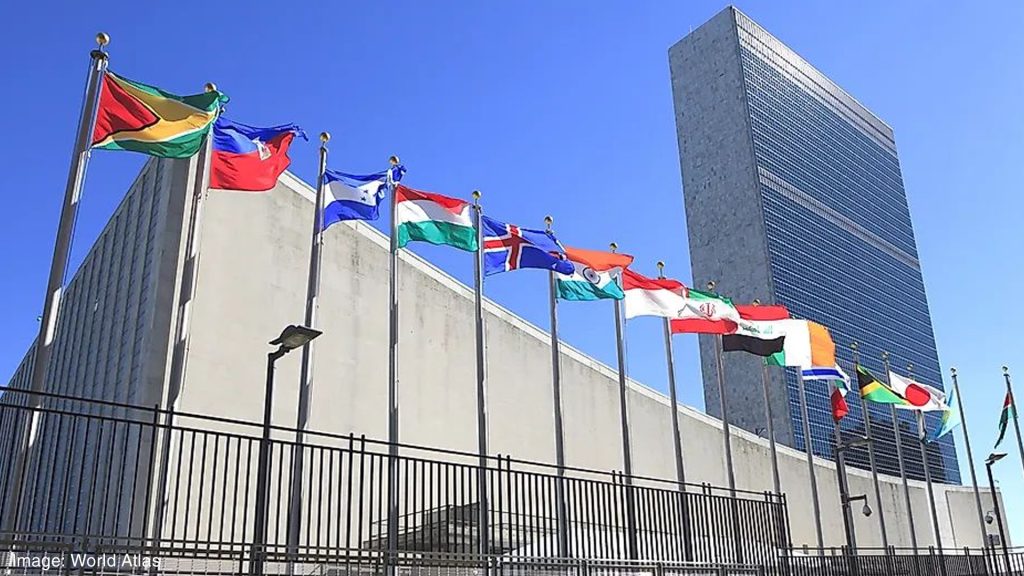
That contradiction is difficult to ignore. The body warning the world about atrocity crimes is itself struggling to maintain authority, funding, and political leverage at a time when wars, famine risks, and geopolitical instability are all accelerating simultaneously.
The warnings are getting stronger. The enforcement is getting weaker. The institution warning the world may no longer have the power to stop what it sees.
By Shizza Farooqui
SOURCES
Al Jazeera (18 May 2026) [1] | UN Human Rights Office, OHCHR Comprehensive Report OPT 2023-2025 (18 May 2026) [2] | OHCHR Ethnic Cleansing Report (19 February 2026) [3] | OCHA Humanitarian Situation Report (1 May 2026) [4] | Al Jazeera Economy (15 April 2026) [5] | WHO Famine Confirmation (22 August 2025) [6] | OHCHR Ceasefire Statement (10 April 2026) [7] | Associated Press, UN Financial Crisis (May 2026) [8] | Amnesty International Gaza Documentation (2026) [9]