The Image Isr*el Can’t Escape

How A Gaza Aid Flotilla Turned Into A Global Optics Crisis

What began as a civilian aid mission at sea rapidly became one of the most politically damaging visual moments of the Gaza war and exposed a fracture running through the heart of the Western alliance itself.

On 19 May 2026, Isr*eli forces intercepted the Global Sumud Flotilla in international waters as the civilian convoy attempted to bring symbolic humanitarian aid toward Gaza. Around 430 international activists from multiple countries were detained during the operation. Within hours, images began spreading online showing activists kneeling on a dock in restraints under armed supervision.

Then the story escalated dramatically.
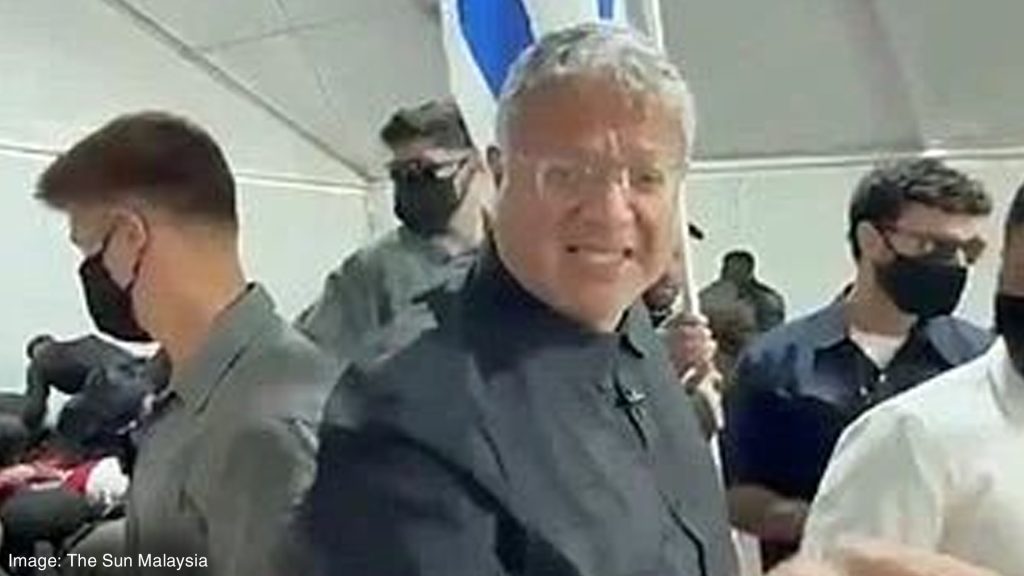
The Minister Who Posted The Video Himself

Rather than distancing the government from the imagery, Isr*el’s National Security Minister Itamar Ben Gvir posted the footage himself. The video spread rapidly across social media platforms and triggered immediate international backlash. Critics argued the footage transformed the interception from a security operation into a humiliation spectacle viewed by millions worldwide.

The symbolism was especially explosive because the footage did not emerge through leaks or unofficial channels. A senior government minister chose to publish it directly.
The clip rapidly spread across TikTok, X, Instagram, Telegram, and global television networks, transforming the flotilla interception into one of the defining optics crises of the war. Critics accused Ben Gvir of turning detainees into political theatre. Prime Minister Benjamin Netanyahu publicly distanced himself from the footage, rebuking Ben Gvir directly. Isr*el’s own foreign minister called the episode “disgraceful” and told Ben Gvir on X: “No, you are not the face of Israel.”

Allegations Of Physical Abuse

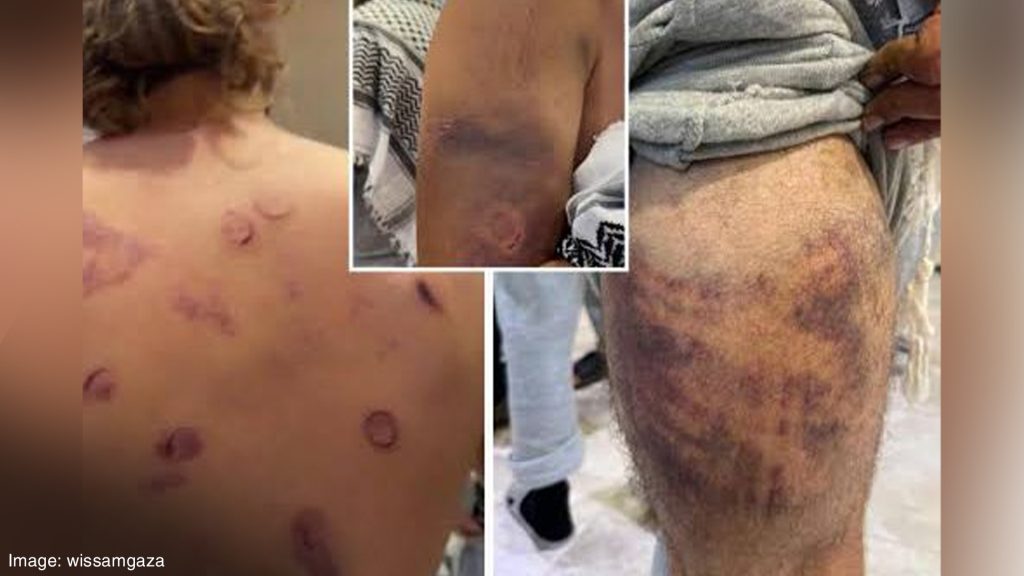
The controversy deepened further after multiple detainees alleged mistreatment while in custody.

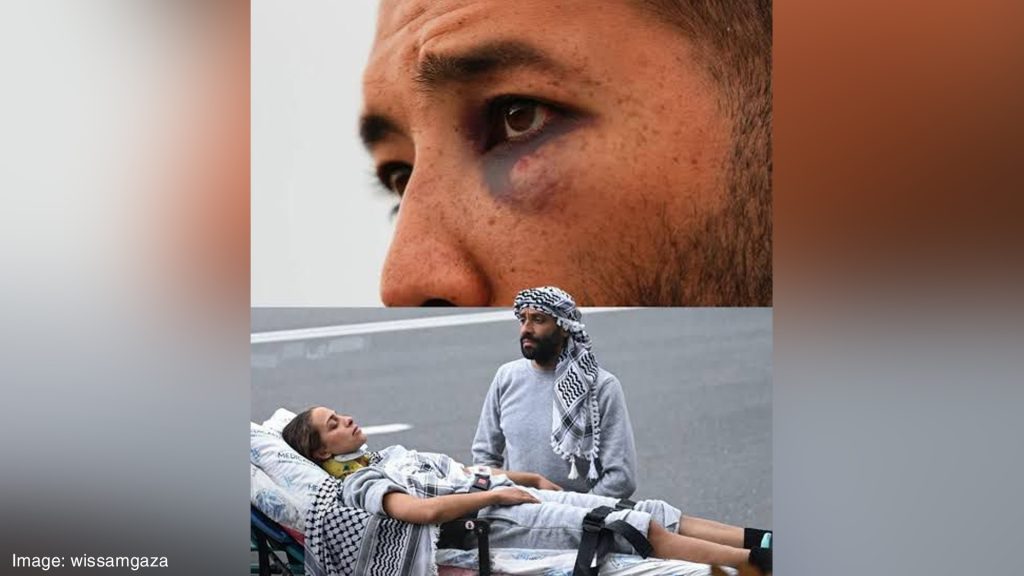
Italian citizens returning from detention publicly claimed they were beaten by Isr*eli authorities. Italian lawmaker Dario Carotenuto said he experienced the “longest seconds” of his life when Isr*eli forces pointed rifles at activists inside a detention facility. Journalist Alessandro Mantovani was more direct. “They kicked me in the legs and punched me in the face,” he said. Isr*eli prison officials denied all allegations, calling them “false and entirely without factual basis.”

The accusations rapidly escalated the incident into a diplomatic crisis across Europe. Several governments summoned Isr*eli diplomats. The backlash became particularly intense because many of the detainees were not militants but journalists, humanitarian volunteers, and elected public officials from multiple countries.

The West Itself Fractured Publicly

Here is where the story became something larger than a naval operation.

While European governments condemned the treatment of detainees and called for accountability, the United States moved in the opposite direction. The US Treasury Department sanctioned several European flotilla participants, labelling them “pro-terror.” The flotilla publicly described itself as a humanitarian mission carrying aid, not weapons.

Within less than 48 hours, the same activists were being treated as victims deserving protection by some Western governments and as security threats deserving sanctions by others. That contradiction, playing out simultaneously and in public, revealed how deeply Gaza is now fracturing Western political institutions, alliances, and publics alike.

A $1 Million PR Campaign, Undone In Hours

The timing of the flotilla crisis carried a particular irony. In the same week, a New York Times investigation revealed that Isr*eli government bodies had spent more than $1 million on Eurovision-linked promotional campaigns, coordinating efforts to improve Isr*el’s international image during the war. The flotilla footage, posted by Isr*el’s own minister, destroyed more goodwill in hours than that campaign could have built in months.

The Economic And Diplomatic Fallout

The political damage is already translating into concrete pressure. Multiple European nations moved to sanction Ben Gvir personally. Calls intensified across European parliaments for a formal review of EU-Isr*el trade and diplomatic agreements. Turkey’s role as the receiving state for deported activists further cemented Ankara’s position as one of the most vocal international critics of Isr*el’s campaign in Gaza, strengthening its diplomatic hand in the region.

Why The Images May Last Longer Than The Operation

The military operation lasted only hours.

As deported activists arrived in Istanbul wearing keffiyehs and flashing peace signs, some visibly limping as they descended the aircraft stairs, the scenes spread globally online, cementing the detainees as symbols inside the wider Gaza solidarity movement.
Modern conflicts are no longer shaped primarily through official briefings and state narratives. Global opinion now shifts through short viral clips, emotionally charged imagery, and moments of public humiliation capable of overpowering years of diplomatic messaging in minutes.

Other flotillas have tried before. Others will try again. And the next time they do, governments on every side of this debate will be looking at these images to decide how far they are willing to go.

The military operation lasted hours. The images may last for decades.

By Shizza Farooqui

Sources

Reuters, AP, Al Jazeera, Middle East Eye, The Times of Israel, Euronews, OPB, CP24, Italian parliamentary statements, Turkish Anadolu Agency
How A Gaza Aid Flotilla Turned Into A Global Optics Crisis

What began as a civilian aid mission at sea rapidly became one of the most politically damaging visual moments of the Gaza war and exposed a fracture running through the heart of the Western alliance itself.

On 19 May 2026, Isr*eli forces intercepted the Global Sumud Flotilla in international waters as the civilian convoy attempted to bring symbolic humanitarian aid toward Gaza. Around 430 international activists from multiple countries were detained during the operation. Within hours, images began spreading online showing activists kneeling on a dock in restraints under armed supervision.

Then the story escalated dramatically.

The Minister Who Posted The Video Himself

Rather than distancing the government from the imagery, Isr*el’s National Security Minister Itamar Ben Gvir posted the footage himself. The video spread rapidly across social media platforms and triggered immediate international backlash. Critics argued the footage transformed the interception from a security operation into a humiliation spectacle viewed by millions worldwide.

The symbolism was especially explosive because the footage did not emerge through leaks or unofficial channels. A senior government minister chose to publish it directly.

The clip rapidly spread across TikTok, X, Instagram, Telegram, and global television networks, transforming the flotilla interception into one of the defining optics crises of the war. Critics accused Ben Gvir of turning detainees into political theatre. Prime Minister Benjamin Netanyahu publicly distanced himself from the footage, rebuking Ben Gvir directly. Isr*el’s own foreign minister called the episode “disgraceful” and told Ben Gvir on X: “No, you are not the face of Israel.”

Allegations Of Physical Abuse

The controversy deepened further after multiple detainees alleged mistreatment while in custody.

Italian citizens returning from detention publicly claimed they were beaten by Isr*eli authorities. Italian lawmaker Dario Carotenuto said he experienced the “longest seconds” of his life when Isr*eli forces pointed rifles at activists inside a detention facility. Journalist Alessandro Mantovani was more direct. “They kicked me in the legs and punched me in the face,” he said. Isr*eli prison officials denied all allegations, calling them “false and entirely without factual basis.”

The accusations rapidly escalated the incident into a diplomatic crisis across Europe. Several governments summoned Isr*eli diplomats. The backlash became particularly intense because many of the detainees were not militants but journalists, humanitarian volunteers, and elected public officials from multiple countries.

The West Itself Fractured Publicly

Here is where the story became something larger than a naval operation.

While European governments condemned the treatment of detainees and called for accountability, the United States moved in the opposite direction. The US Treasury Department sanctioned several European flotilla participants, labelling them “pro-terror.” The flotilla publicly described itself as a humanitarian mission carrying aid, not weapons.

Within less than 48 hours, the same activists were being treated as victims deserving protection by some Western governments and as security threats deserving sanctions by others. That contradiction, playing out simultaneously and in public, revealed how deeply Gaza is now fracturing Western political institutions, alliances, and publics alike.

A $1 Million PR Campaign, Undone In Hours

The timing of the flotilla crisis carried a particular irony. In the same week, a New York Times investigation revealed that Isr*eli government bodies had spent more than $1 million on Eurovision-linked promotional campaigns, coordinating efforts to improve Isr*el’s international image during the war. The flotilla footage, posted by Isr*el’s own minister, destroyed more goodwill in hours than that campaign could have built in months.

The Economic And Diplomatic Fallout

The political damage is already translating into concrete pressure. Multiple European nations moved to sanction Ben Gvir personally. Calls intensified across European parliaments for a formal review of EU-Isr*el trade and diplomatic agreements. Turkey’s role as the receiving state for deported activists further cemented Ankara’s position as one of the most vocal international critics of Isr*el’s campaign in Gaza, strengthening its diplomatic hand in the region.

Why The Images May Last Longer Than The Operation

The military operation lasted only hours.

As deported activists arrived in Istanbul wearing keffiyehs and flashing peace signs, some visibly limping as they descended the aircraft stairs, the scenes spread globally online, cementing the detainees as symbols inside the wider Gaza solidarity movement.

Modern conflicts are no longer shaped primarily through official briefings and state narratives. Global opinion now shifts through short viral clips, emotionally charged imagery, and moments of public humiliation capable of overpowering years of diplomatic messaging in minutes.

Other flotillas have tried before. Others will try again. And the next time they do, governments on every side of this debate will be looking at these images to decide how far they are willing to go.

The military operation lasted hours. The images may last for decades.

By Shizza Farooqui

Sources

Reuters, AP, Al Jazeera, Middle East Eye, The Times of Israel, Euronews, OPB, CP24, Italian parliamentary statements, Turkish Anadolu Agency

spot_img

Explore more

spot_img
Health

A Supplement Millions Trust Is Now Linked To Faster Alzheimer’s Decline.

Trump Tried To Cut China Off. China Built The Fastest Machine...

The UAE’s Great Betrayal: How Abu Dhabi Played the Muslim World

British Muslims Say They No Longer Feel Safe. The Attacks Are...

Britain Is Getting Its Seventh Prime Minister In A Decade.

Pakistan Helped Build A Peace Roadmap in Switzerland. Isr*el And Its...

The Lebanon Ceasefire Was Supposed To Stop The Strikes. It Barely...

The Plan To End Al-Aqsa Has Already Started.