
The Files Came Out. The TRUTH Didn’t.
By Shizza Farooqui
In late 2025, the US government passed a law promising something many believed would never happen.
Transparency.
After years of secrecy, lawsuits, conspiracy theories, sealed documents, survivor testimony, and public outrage, Congress passed the Epstein Files Transparency Act. President Donald Trump signed it into law on 19 November 2025, forcing federal agencies to release records connected to Jeffrey Epstein, Ghislaine Maxwell, and the investigations surrounding them.
What followed became one of the largest public document releases tied to an elite abuse scandal in modern history.
More than 3.5 million pages were eventually published.
The archive included over 2,000 videos, 180,000 images, FBI investigative files, internal memos, court records, interviews, flight logs, emails, and evidence collected across decades.
But six months later, many survivors, investigators, and ordinary people around the world are asking the same question.
If the files are finally public, why does it still feel like nobody powerful was truly held accountable?
Millions Of Pages. No New US Arrests.
The scale of the release was historic.
The Department of Justice created a public archive to host millions of pages tied to the case. The disclosures confirmed how deeply Epstein’s world intersected with elite circles across politics, finance, royalty, philanthropy, business, and entertainment.
But the DOJ identified over 6 million potentially responsive pages and released only roughly half of them, while publicly claiming full compliance with the law. Democrats in Congress have disputed that claim and are continuing to push for the remainder.
And despite the unprecedented volume of material made public, there have been no major new arrests in the United States. A Congressional letter sent to the DOJ noted that even with access to testimony and documentation detailing the abuse of more than 1,000 women and children, the Department had brought no new charges.
That contradiction has become the emotional centre of the entire story.
Critics say the files exposed a justice system unwilling to seriously confront powerful networks. Supporters of the DOJ argue that many allegations are decades old, statutes of limitations have expired, and appearing in the files does not itself prove criminal wrongdoing.
Legally, that distinction matters. But politically and emotionally, public frustration has continued growing.
Survivors Say The System Failed Them Again
The files were supposed to represent transparency.
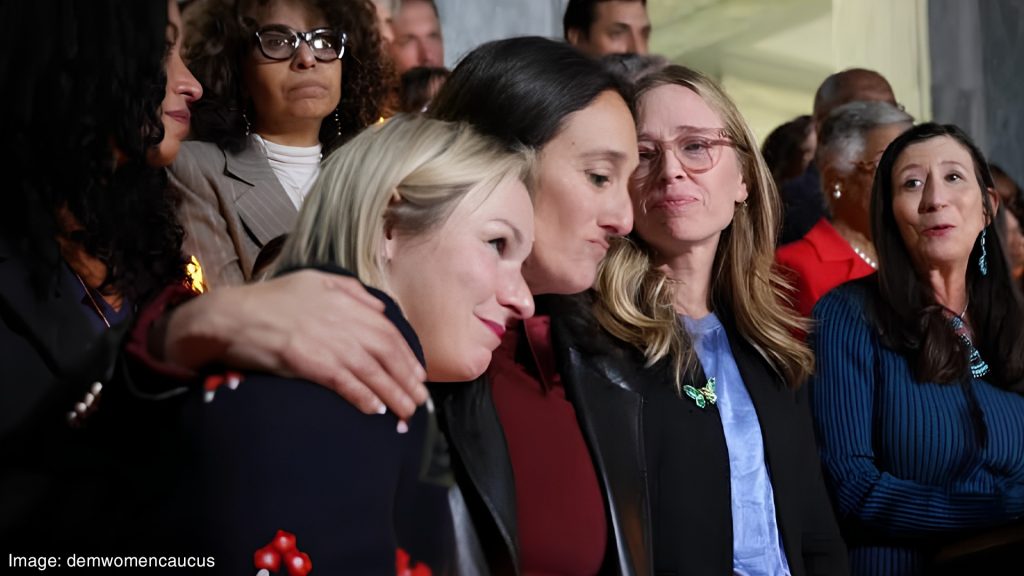
Instead, many survivors say they became another trauma.
On 19 May 2026, acting Attorney General Todd Blanche admitted during Senate testimony that the Justice Department “failed” during the rollout after victims’ names and personal information appeared unredacted in released materials. Survivors say the release exposed deeply private details that should never have been made public.
Shortly after, eighteen Epstein survivors publicly accused Blanche of misleading Congress after he claimed he had met with victims. The survivors released a statement saying he had never met with them at all.
“We should not have to be this persistent to engage with DOJ,” the statement read. “The department responsible for handling the Epstein files, protecting our privacy, and answering for years of secrecy and failure.”
For many victims, the issue was no longer only Epstein. It was whether governments and institutions had learned anything at all.
Britain Acted. America Didn’t.
The biggest contradiction in the story may be happening across the Atlantic.
In the United Kingdom, authorities moved aggressively after waves of disclosures connected to the files.
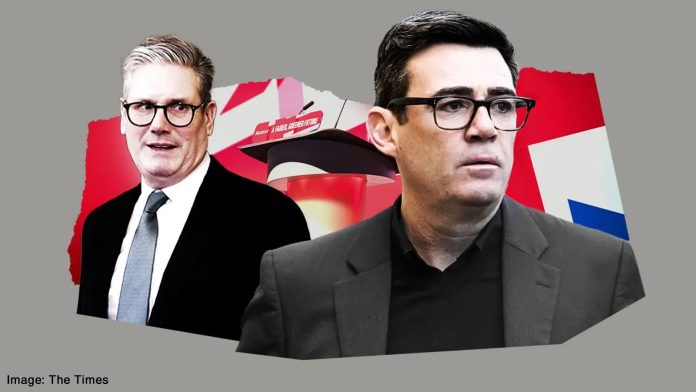
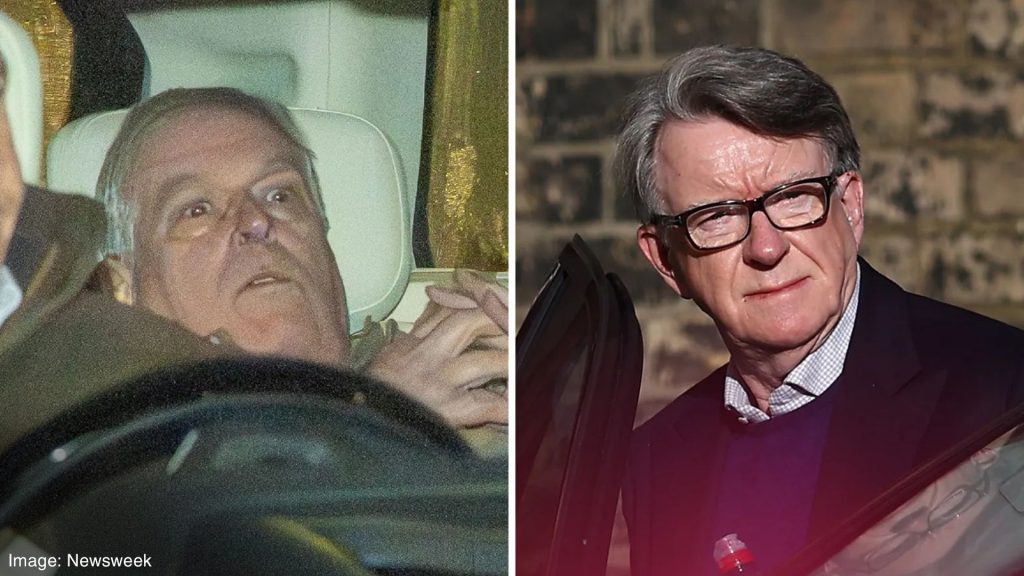
Former British ambassador Peter Mandelson was arrested in February 2026 following investigations into his relationship with Epstein, including allegations that he passed sensitive government and market information to the financier. Around the same time, Andrew Mountbatten-Windsor, formerly known as Prince Andrew, was also arrested and later released under investigation.
British police forces have since reopened or expanded multiple historic abuse inquiries linked to names and allegations resurfacing from the files.
Meanwhile in the United States, federal officials have repeatedly signalled that the public should not expect major new prosecutions tied to the released archive.
That contrast has fuelled growing accusations that the American system protects elite figures differently.
The Sarah Kellen Testimony Changed Everything Again
Just as attention around the files began slowing, the story exploded again this week.
On 21 May 2026, Epstein’s longtime assistant Sarah Kellen testified behind closed doors before the House Oversight Committee. Kellen described her own alleged abuse by Epstein in graphic detail, including claims that he violently raped her inside a Palm Beach property after trapping her behind a metal hurricane shutter.
She also testified that Epstein regularly visited Mar-a-Lago to work out, but was eventually removed by Trump after Epstein reportedly made an advance toward a member’s daughter.
According to committee officials, Kellen then provided the names of three previously unknown alleged abusers. The names have not yet been released publicly.
Committee chairman James Comer described the testimony as one of the most significant developments in months. “The new names, that’s what we’ve been waiting for,” he said. “I’m more optimistic today than I have been in a long time.”
The Epstein network was no longer a closed chapter. It was still evolving.
The Maxwell Pardon Fear
Another fear now hangs over the story.
During Senate testimony, acting Attorney General Todd Blanche committed to not recommending a pardon for Ghislaine Maxwell. But legally, Trump could still issue one unilaterally.
Recent reports suggest Maxwell’s legal team believes cooperation or testimony could potentially help secure clemency. That possibility has horrified survivors and reignited accusations that powerful people connected to Epstein continue receiving institutional protection.
Even prediction markets have reacted. On Polymarket, the odds of Maxwell receiving a pardon by end of 2026 surged from 7% to as high as 22% in a matter of days.
For many people watching this story unfold, the symbolism would be devastating.
Millions of pages released. Years of outrage. Countless survivors. And the woman convicted of child sex trafficking alongside Epstein potentially walking free.
The Archive Is Open. The Reckoning Still Isn’t.
The Epstein files exposed something darker than most people expected.
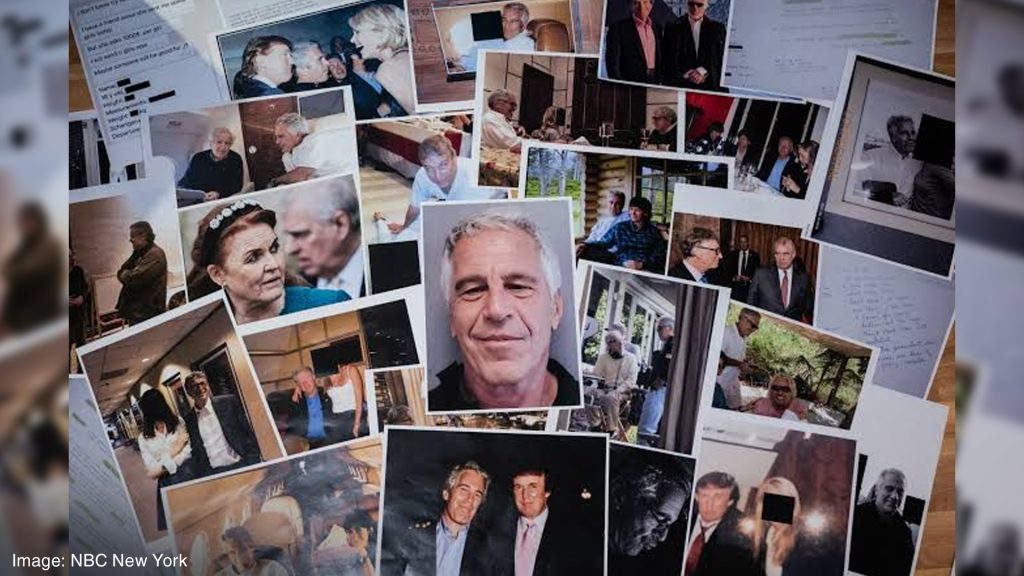
Not only the scale of Epstein’s network, but the scale of institutional failure surrounding it. How power, wealth, political connections, secrecy, and bureaucracy repeatedly collided around one of the most disturbing abuse scandals in modern history.
And even after millions of pages became public, many people still believe the full truth remains hidden behind redactions, sealed testimony, missing files, and protected names.
The archive is now open.
The reckoning people expected still hasn’t arrived.
By Shizza Farooqui
Sources
DOJ Epstein Library | CNN | NPR | PBS NewsHour | Bloomberg | BBC | TIME | Washington Post | UN News | House Oversight Committee statements | Senate testimony records