Atacama Desert Darkness Under Threat as Light Pollution Spreads in Chile
Maryam Tariq
ATACAMA DARKNESS
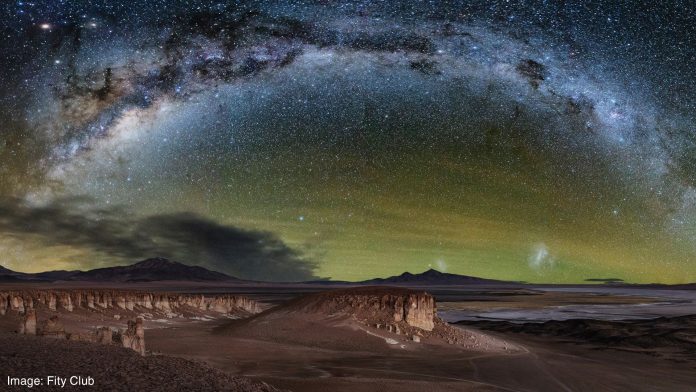
The Atacama Desert in Chile is known as one of the darkest places on Earth and a critical location for astronomy. Scientists working at Paranal Observatory say this rare darkness is now being threatened by increasing artificial light from cities, mining operations, and industrial expansion nearby.
PARANAL OBSERVATORY IMPORTANCE
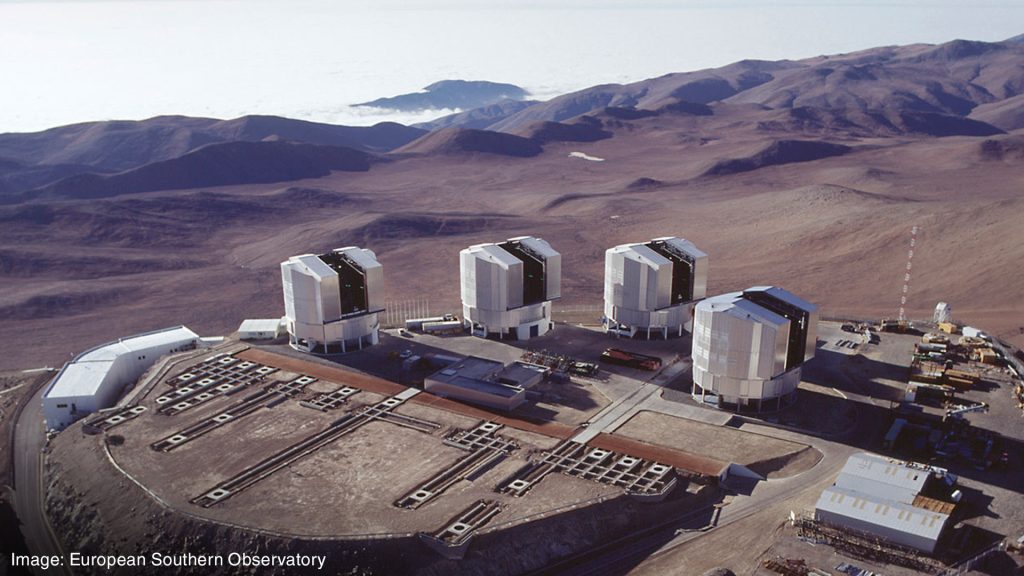
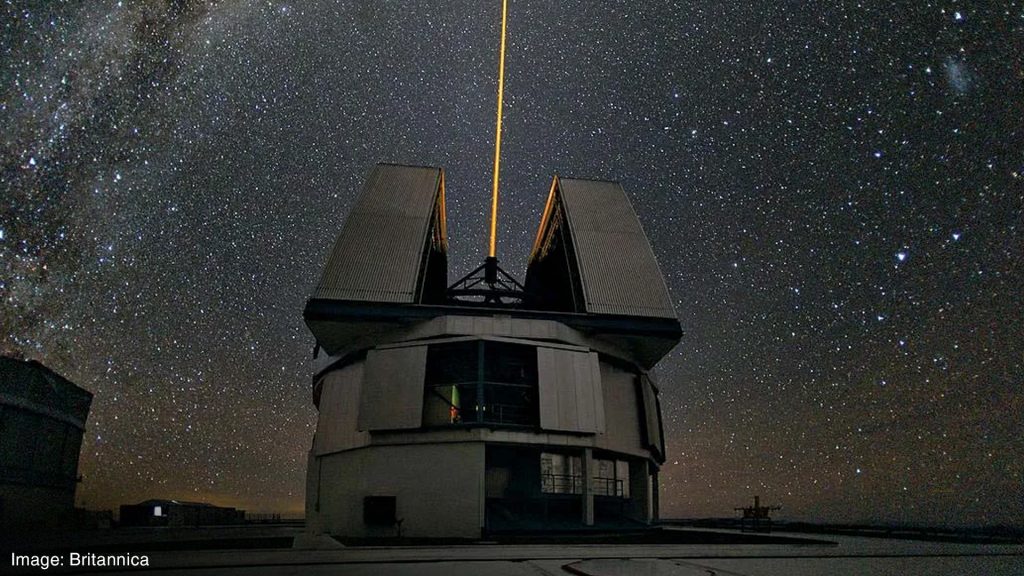
Paranal Observatory hosts some of the most advanced telescopes in the world and has contributed to major discoveries including imaging exoplanets and studying the black hole at the center of the Milky Way. Its location in the Atacama provides clear skies and minimal light interference, making it essential for deep space observation.
LIGHT POLLUTION RISE
Researchers warn that light pollution is steadily increasing across the region. Around 80 percent of the global population now lives under light polluted skies. Studies show that global night sky brightness increased sharply between 2011 to 2022, and star visibility has dropped from about 250 visible stars to nearly 100 in many areas.
INDUSTRIAL EXPANSION THREAT
The biggest concern for scientists is industrial growth near the observatory. Mining and energy projects are expanding closer to protected zones. One proposed project was expected to increase light pollution by up to 50 percent, raising fears about long term damage to observations and atmospheric stability.
GLOBAL ASTRONOMY IMPACT
Experts say even small increases in artificial light can disrupt sensitive measurements. Ground based telescopes like those in Chile rely on extreme darkness that cannot be fully replaced by space telescopes. Scientists warn that losing these conditions could limit future discoveries about the universe.
ENVIRONMENTAL AND HUMAN EFFECTS
Beyond astronomy, researchers highlight that artificial light affects ecosystems by altering animal behavior and plant cycles. Psychologists also suggest that reduced visibility of stars may weaken human connection to nature and impact wellbeing.
DARK FUTURE
Scientists describe the Atacama as one of the last remaining natural dark environments. Without stronger regulation, they warn that this rare resource could continue to disappear, leaving both science and humanity with a diminished view of the universe.
Sources: BBC / European Southern Observatory / International Astronomical Union