Border Conflict Afghanistan Pakistan
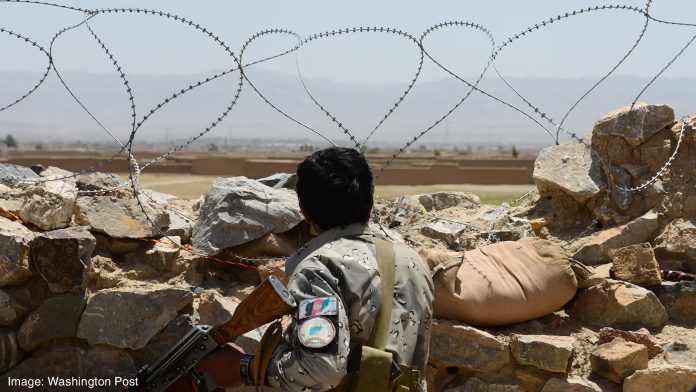
The renewed violence between Afghanistan and Pakistan has escalated into one of the most serious cross border confrontations in recent years. Airstrikes, drone attacks, and ground operations have intensified tensions along the Durand Line, raising fears of a prolonged regional conflict.
Both sides accuse each other of violating sovereignty and supporting armed groups, particularly the Tehreek e Taliban Pakistan or TTP.
Pakistan Position TTP Militants Afghanistan
Pakistan says the core reason for the conflict is militancy originating from Afghan territory. Islamabad claims that TTP networks operate from inside Afghanistan and carry out attacks inside Pakistan.
In recent operations, Pakistan said it conducted calibrated airstrikes targeting militant hideouts and killed 26 militants. Officials argue that these strikes are defensive responses to repeated terrorist incidents inside Pakistan.
Pakistan also maintains that Afghanistan has failed to prevent its territory from being used against Pakistani civilians and security forces.
Afghanistan Taliban Response Civilian Casualties
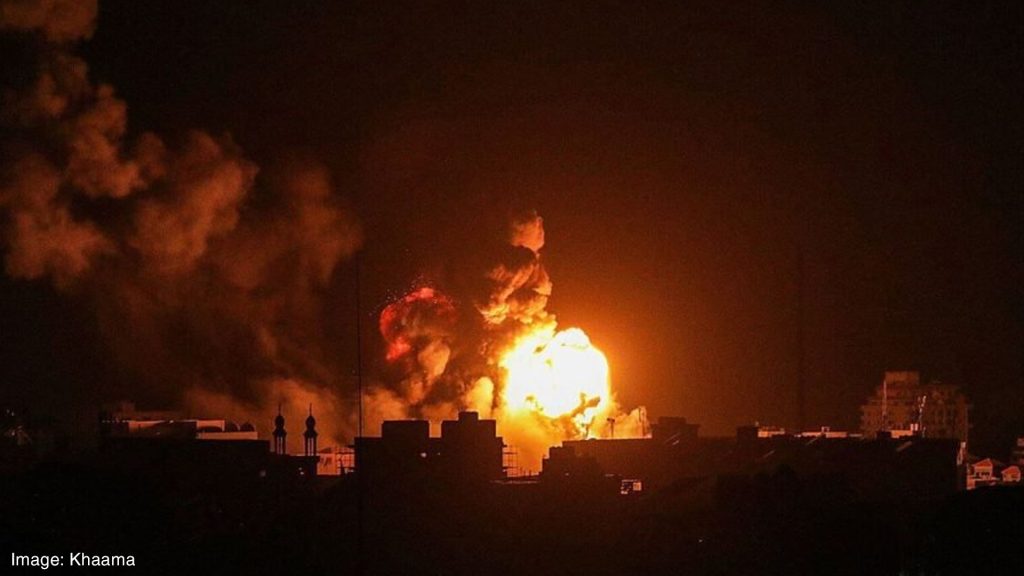
Afghanistan’s Taliban government rejects these claims and accuses Pakistan of carrying out airstrikes that kill civilians. Afghan officials reported deaths including children in provinces such as Kunar, Khost, and Paktika.
The Taliban government says its military actions are retaliatory, triggered by what it calls Pakistani incursions into Afghan territory. It argues that Pakistan is violating Afghan sovereignty and targeting civilian areas under the pretext of counter terrorism.
Airstrikes Drone Warfare Afghanistan Pakistan
The latest escalation has introduced new forms of warfare into the conflict. Pakistan has conducted airstrikes in multiple Afghan provinces including Kabul, Paktia, and Kandahar.
In response, Afghan forces have reportedly used drones against Pakistani targets near the border. Analysts say this shift toward drone warfare is changing the intensity and unpredictability of the conflict.
The lack of independent verification in border areas makes it difficult to confirm battlefield claims from either side.
Why Afghanistan Pakistan Fight Repeatedly
The conflict is driven by several long standing issues. The disputed Durand Line remains a major source of tension. Pakistan accuses Afghanistan of harboring militant groups, while Afghanistan accuses Pakistan of violating its sovereignty.
Repeated ceasefire breakdowns, failed negotiations, and mutual distrust have prevented long term peace. Trade routes between the two countries have also been disrupted, affecting supplies and worsening economic pressure in border regions.
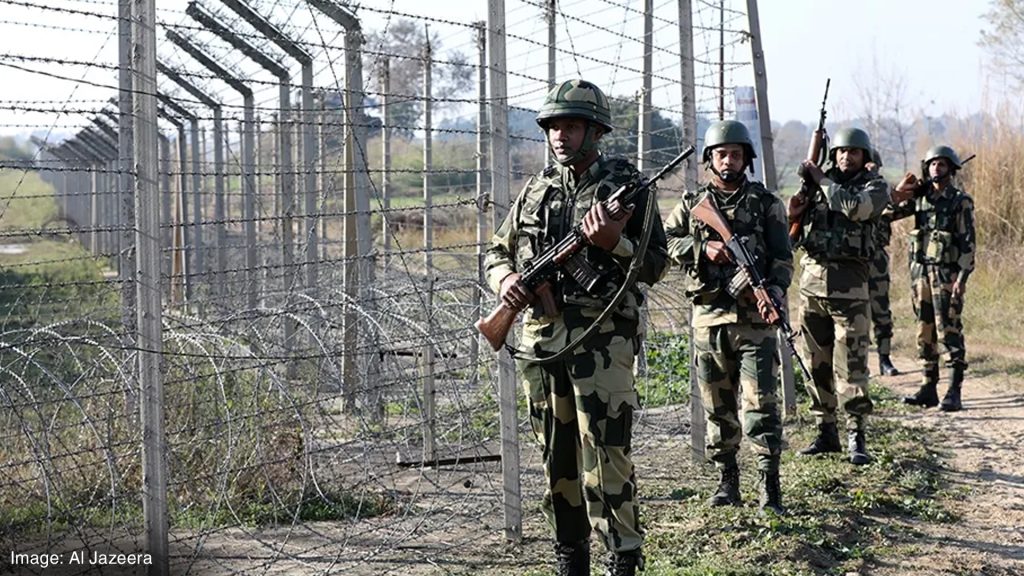
Militarily, Pakistan holds an advantage in conventional power, but Afghanistan’s guerrilla capabilities and asymmetric tactics continue to fuel instability.
Conclusion Regional Stability South Asia
The Afghanistan Pakistan conflict continues because both sides define the threat differently. Pakistan focuses on militant groups attacking its territory, while Afghanistan frames the issue as sovereignty violations and civilian harm.
Without a trusted diplomatic framework and sustained ceasefire enforcement, the cycle of retaliation is likely to continue, keeping the border region unstable.
Sources:
Why are Afghanistan and Pakistan fighting? (Cross border escalation report)
BBC News
https://www.bbc.com/news/world-asia-68200000
Pakistan launches deadly air strikes in Afghanistan, reigniting tensions
BBC News
https://www.bbc.com/news/world-asia-68210000
Pakistan says it struck militant hideouts in Afghanistan after attacks at home
Al Jazeera
https://www.aljazeera.com/news/2026/2/27/pakistan-strikes-afghanistan-militants-border-clashes
Taliban says Pakistani strikes killed civilians including children
Reuters coverage via regional conflict reporting
https://www.reuters.com/world/asia-pacific/afghanistan-pakistan-border-clashes-2026-02-27/