Where the Money Is Going and Where It Isn’t, Ukraine’s Missile Shortage Versus Trump’s Fight for a $1.8 Billion Fund
The same weekend that Russian missiles killed nine people in Ukraine, partly due to a documented shortage of Patriot interceptors, President Trump was in Washington fighting to preserve a 1.8 billion dollar fund benefiting his own political allies. The juxtaposition raises a pointed question about priorities, not through speculation, but through the plain facts of what happened in both places over the same 48 hours.
What Happened in Ukraine
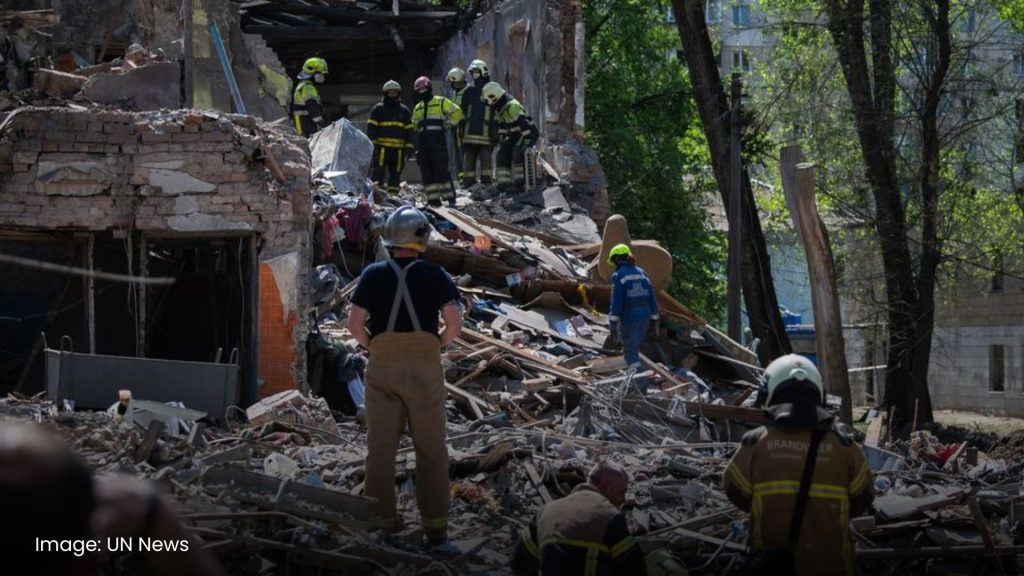
Russia launched a major aerial assault on Ukraine overnight, firing 27 ballistic missiles at Kyiv and surrounding regions. Only one was successfully intercepted. At least nine people were killed and 30 wounded, including four children, according to Kyiv mayor Vitali Klitschko. Eighteen buildings, a school, the Lithuanian embassy, and critical infrastructure facilities were damaged. A 22 year old police officer, Yehor Terekhin, was killed while helping victims at the scene of an earlier strike when a second missile hit the same location. Over the past 24 hours across the country, at least 14 civilians were killed and 87 injured. President Zelensky wrote plainly on Telegram that Ukraine lacks missiles for its Patriot systems, and that this exact shortage is what encourages Russia to keep carrying out deadly strikes. Russia’s ballistic missiles travel at extremely high speeds, and only US-made Patriot systems can reliably intercept the most advanced among them.

The Reversal That Preceded the Attack
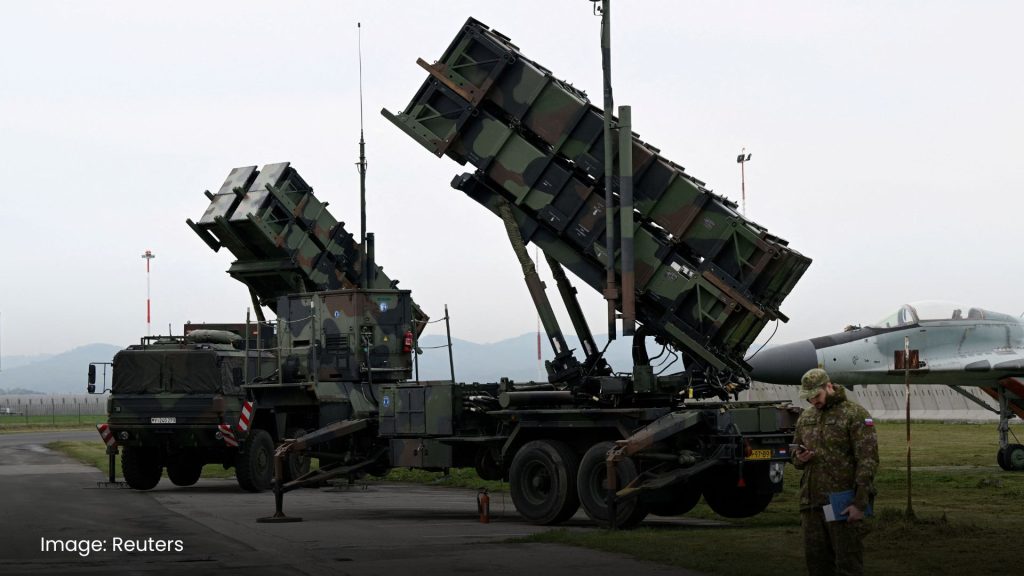
This shortage did not emerge without warning. Just weeks earlier, at a NATO summit in Turkey, Trump had signaled he would let Ukraine manufacture its own Patriot missile interceptors domestically, a move that could have significantly eased the country’s supply shortage. By Friday, one day before this latest deadly strike, Trump had backed away from that pledge. We’re talking about it, but it’s a hard thing to give away that kind of technology, he told reporters at a Cabinet meeting at Camp David, adding, we have to be very careful. He specifically cited concern that Ukraine could someday use the interceptors against the US, while simultaneously acknowledging that outcome is unlikely.
What Trump Was Fighting for in Washington
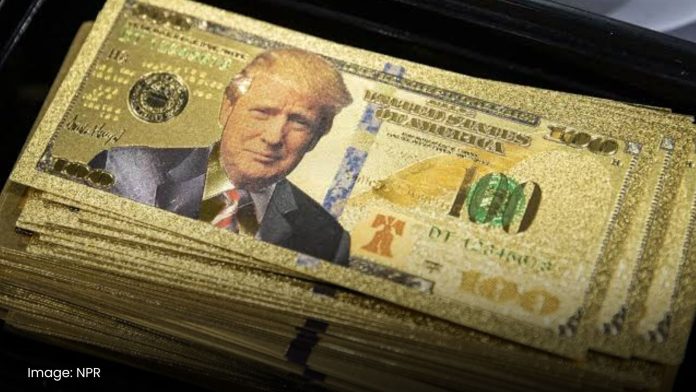
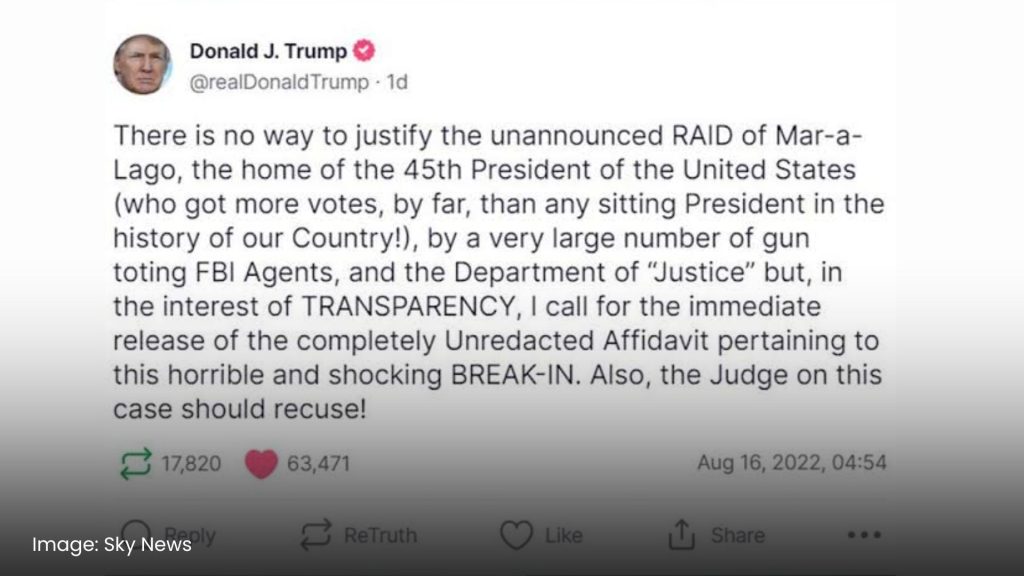
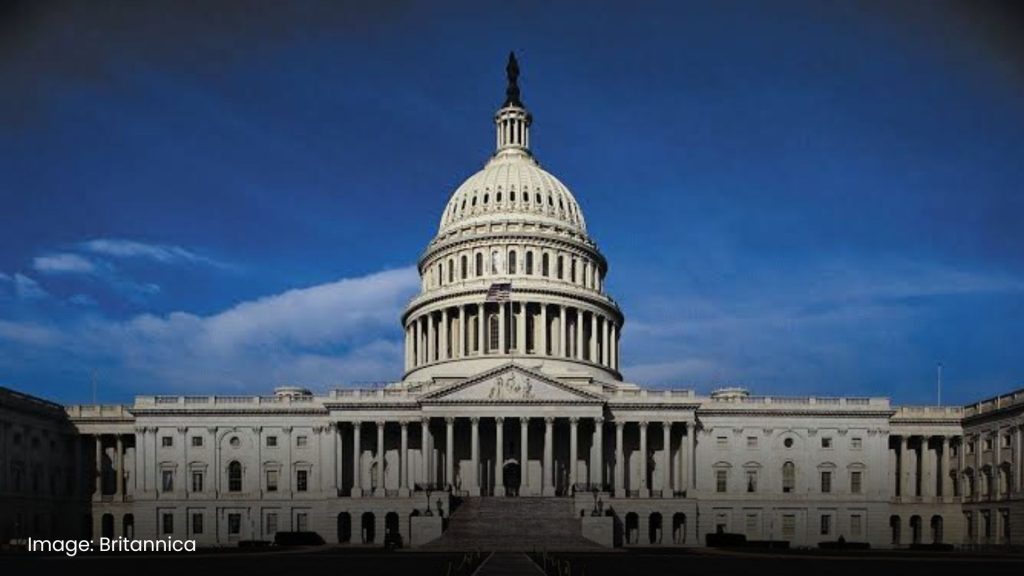
At the same time, back home, Trump was engaged in a different funding battle entirely. On Saturday, he declared on Truth Social that he would push hard to get the Anti-Weaponization Bill passed, codifying a 1.8 billion dollar fund into federal law, even as it threatened to derail his own attorney general nominee. The fund originated as part of a legal settlement resolving Trump’s 10 billion dollar lawsuit against the IRS over alleged mishandling of his tax records, and has been on hold amid Republican opposition. Republican Senators John Cornyn of Texas and Thom Tillis of North Carolina, both departing Congress after breaking with Trump, have refused to advance the nomination of Todd Blanche for attorney general without written assurances the Justice Department won’t establish the fund. Critics have described the fund as a slush fund, since it would compensate Trump allies, including people who say they were unfairly targeted by federal law enforcement in connection with the January 6 Capitol attack. Trump had called the fund dead as recently as Friday, then reversed course the next day, saying it would immediately be back on the table.
Two Very Different Fights Over Money
Set side by side, the numbers tell a stark story. In Ukraine, a documented shortage of missile interceptors, the exact system needed to protect civilians from ballistic strikes, was allowed to persist after Trump personally stepped back from a pledge that could have addressed it. In Washington, Trump spent that same weekend actively fighting, at real political cost to his own nominee, to preserve funding benefiting a much narrower group of his own political allies. Neither dollar figure was randomly chosen, one represents a defensive shortfall with an immediate civilian death toll attached, the other represents a political fight over money that remains legally blocked and directly benefits people connected to Trump’s own political battles.

Why This Comparison Matters
This is not a story about one decision causing the other. It is a story about where presidential attention and political capital were actually spent during the same 48 hour window, one measured in lives lost to a preventable shortage, the other measured in a fight to protect funding for allies, a contrast that speaks for itself once both numbers are placed next to each other.
Sources:
· Zelensky warns air defenses are being overwhelmed as Russia pounds Ukraine, killing 9 — CNN: https://www.cnn.com/2026/08/01/europe/zelensky-air-defenses-russia-attack
· Trump Pushes $1.8 Billion DOJ Fund, Risks Blanche Attorney General Nomination — Bloomberg: https://www.bloomberg.com/news/articles/2026-08-01/trump-pushes-1-8-billion-doj-fund-over-blanche-nomination
· Trump says he’ll revive anti-weaponization fund if Blanche’s nomination for AG is blocked — NBC News: https://www.nbcnews.com/politics/congress/trump-revive-anti-weaponization-blanche-attorney-general-cornyn-tillis-rcna590370 · Trump defends DOJ weaponization fund and attacks Cornyn, further imperiling Blanche nomination — CNN: https://edition.cnn.com/2026/07/31/politics/todd-blanche-weaponization-fund-trump