US Walks Out on France at the UN, and It’s Part of a Bigger Pattern

Maryam Tariq

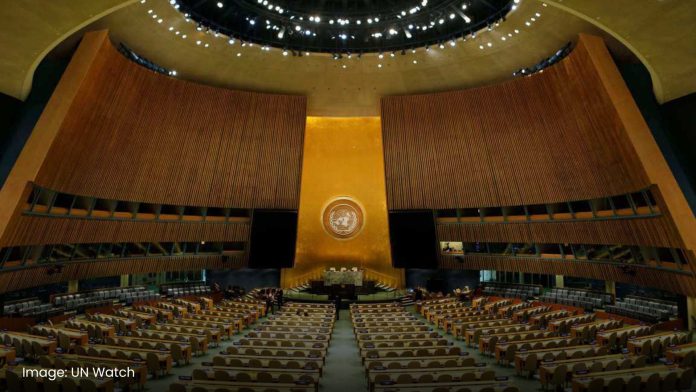
A US delegation walked out of a United Nations Security Council meeting this week as France’s ambassador began addressing the chamber, an unusually public diplomatic rupture between two of the world’s oldest allies. While the immediate trigger was a specific personnel vote, the incident sits inside a far longer pattern of friction between the Trump administration and its European partners.

How the Dispute Actually Started

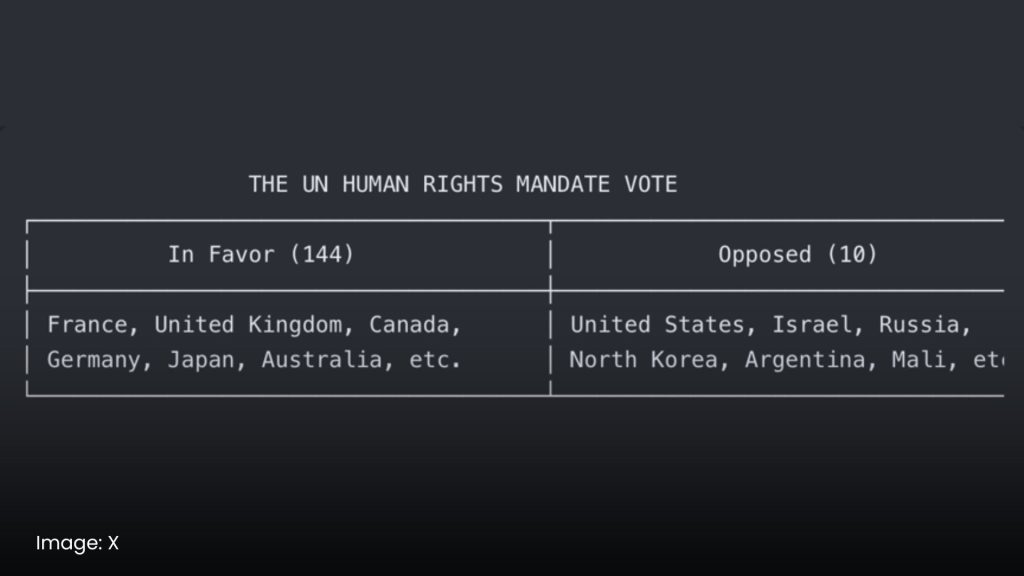
The row began with a routine seeming UN General Assembly vote to renew Volker Turk’s term as UN High Commissioner for Human Rights. The US voted no, joining nine other countries including North Korea, Russia, Nicaragua, Mali and Israel. Despite that opposition, the reappointment passed overwhelmingly, 144 in favor, 10 against, and 13 abstentions. US Ambassador Jeff Bartos told the General Assembly the reappointment would have consequences, accusing the UN’s human rights system of tolerating procedural overreach and warning that Washington would immediately reassess its engagement, participation and funding.
The Online Exchange That Escalated Things

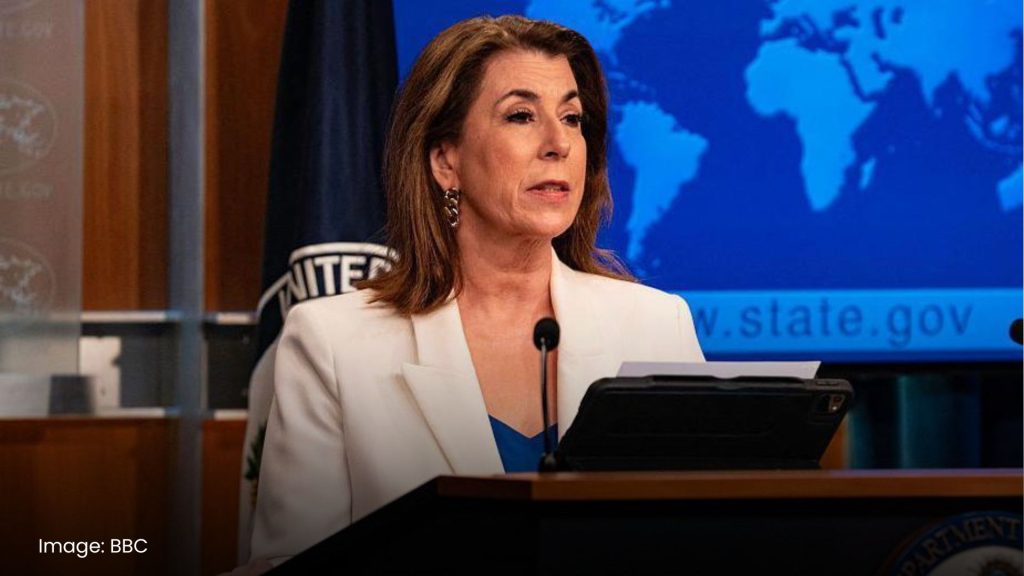
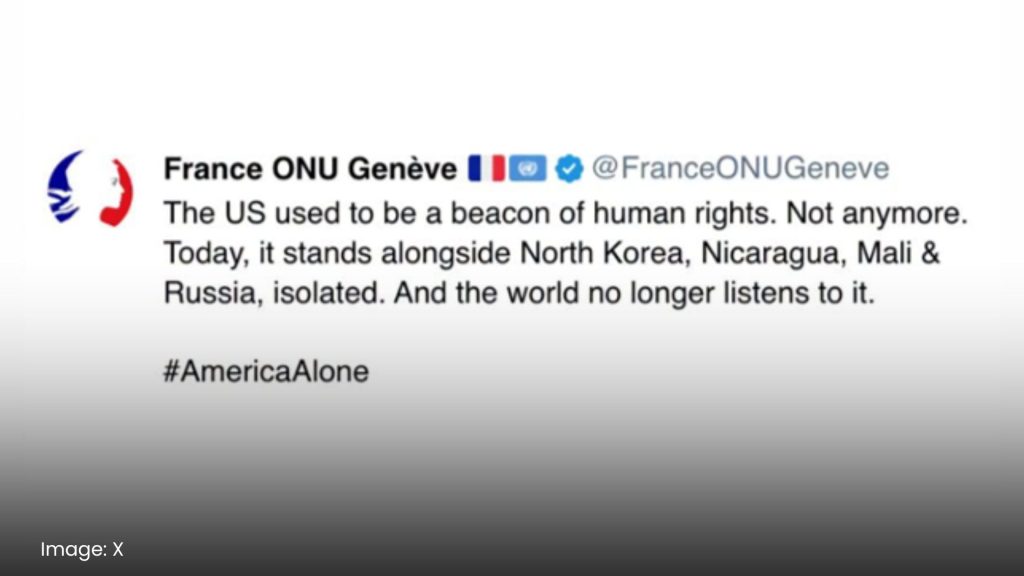
Following the Friday vote, France’s UN mission in Geneva posted a pointed statement on social media, stating the US used to be a beacon of human rights, not anymore, and that it now stands isolated alongside North Korea, Nicaragua, Mali and Russia, adding that the world no longer listens to it. US Ambassador to the UN Mike Waltz responded directly, accusing France of voting for a rights chief who has been lecturing free, sovereign democracies like the United States, the UK and Israel, while cozying up to the world’s worst oppressors.

The Security Council Walkout

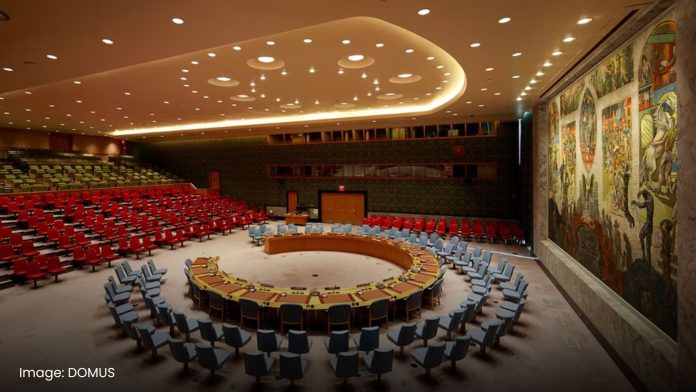
Two days later, on Monday, US diplomats walked out of an emergency Security Council meeting on Russia’s war in Ukraine as French Ambassador Jerome Bonnafont began speaking. Deputy US Ambassador Dan Negrea later returned to the chamber and delivered a sharp rebuke, describing France’s criticism as politicized drivel and moral outrage, and said the US had tolerated French grandstanding out of camaraderie and respect, but no more. He said the walkouts would continue until France renounces what he called its condescending and disrespectful rhetoric. Bonnafont, notably, chose not to directly address the walkout in his remarks, instead pointing to the 250th anniversary of US independence that France had celebrated alongside the United States this year, a pointed reminder of the two countries’ historical alliance.

Why Both Sides Have a Real Grievance

The dispute isn’t as one sided as either side’s public statements suggest. Turk has been an outspoken critic of specific US and Israeli conduct during his first term, criticizing Israel’s military campaign in Gaza and calling in June for prompt, independent investigations into deaths occurring inside US immigration custody. That record gives Washington a genuine argument that Turk functions less as a neutral arbiter and more as a direct critic of the countries now being asked to evaluate his reappointment. At the same time, France’s underlying claim carries its own factual weight, the US did vote against Turk’s renewal in the same column as North Korea, Russia, Nicaragua and Mali, an association that is accurate regardless of how provocatively it was framed.

Part of a Longer Pattern With Europe

This incident cannot be fully separated from the broader trajectory of Trump administration policy toward multilateral institutions. Since 2025, the US has cut funding to multiple UN agencies and formally withdrawn from dozens of UN entities, reducing its role as the organization’s historically largest financial contributor by more than 8 billion dollars. The same week as this walkout, the administration also imposed sweeping new tariffs on dozens of countries, citing forced labor allegations, a justification critics have called a convenient pretext. Washington has separately clashed with European allies over NATO defense spending targets and Trump’s stated interest in acquiring Greenland, a territory belonging to NATO member Denmark.

What Comes Next

Reports have since suggested the dispute could escalate further, with the US reportedly considering blocking France’s pick for its next ambassador to Washington. UN officials have largely declined to weigh in directly, with deputy spokesperson Farhan Haq saying only that the organization expects all member states to respect the General Assembly’s decision on Turk’s mandate, leaving the underlying tension between Washington and its closest historical ally unresolved.

Sources:

Inanc

·  US walks out of UN Security Council meeting during France’s remarks — BBC: https://www.bbc.com/news/articles/c87nj3w9gxjo

·  US diplomats walk out as France addresses UN Security Council — Al Jazeera: https://www.aljazeera.com/news/2026/7/27/us-diplomats-walk-out-as-france-addresses-un-security-council

·  US diplomats stage UN walkout after France criticizes human rights record under Trump — The Guardian via AOL: https://www.aol.com/articles/us-diplomats-staged-un-walkout-213951000.html

Maryam Tariq

A US delegation walked out of a United Nations Security Council meeting this week as France’s ambassador began addressing the chamber, an unusually public diplomatic rupture between two of the world’s oldest allies. While the immediate trigger was a specific personnel vote, the incident sits inside a far longer pattern of friction between the Trump administration and its European partners.

How the Dispute Actually Started

The row began with a routine seeming UN General Assembly vote to renew Volker Turk’s term as UN High Commissioner for Human Rights. The US voted no, joining nine other countries including North Korea, Russia, Nicaragua, Mali and Israel. Despite that opposition, the reappointment passed overwhelmingly, 144 in favor, 10 against, and 13 abstentions. US Ambassador Jeff Bartos told the General Assembly the reappointment would have consequences, accusing the UN’s human rights system of tolerating procedural overreach and warning that Washington would immediately reassess its engagement, participation and funding.
The Online Exchange That Escalated Things

Following the Friday vote, France’s UN mission in Geneva posted a pointed statement on social media, stating the US used to be a beacon of human rights, not anymore, and that it now stands isolated alongside North Korea, Nicaragua, Mali and Russia, adding that the world no longer listens to it. US Ambassador to the UN Mike Waltz responded directly, accusing France of voting for a rights chief who has been lecturing free, sovereign democracies like the United States, the UK and Israel, while cozying up to the world’s worst oppressors.

The Security Council Walkout

Two days later, on Monday, US diplomats walked out of an emergency Security Council meeting on Russia’s war in Ukraine as French Ambassador Jerome Bonnafont began speaking. Deputy US Ambassador Dan Negrea later returned to the chamber and delivered a sharp rebuke, describing France’s criticism as politicized drivel and moral outrage, and said the US had tolerated French grandstanding out of camaraderie and respect, but no more. He said the walkouts would continue until France renounces what he called its condescending and disrespectful rhetoric. Bonnafont, notably, chose not to directly address the walkout in his remarks, instead pointing to the 250th anniversary of US independence that France had celebrated alongside the United States this year, a pointed reminder of the two countries’ historical alliance.

Why Both Sides Have a Real Grievance

The dispute isn’t as one sided as either side’s public statements suggest. Turk has been an outspoken critic of specific US and Israeli conduct during his first term, criticizing Israel’s military campaign in Gaza and calling in June for prompt, independent investigations into deaths occurring inside US immigration custody. That record gives Washington a genuine argument that Turk functions less as a neutral arbiter and more as a direct critic of the countries now being asked to evaluate his reappointment. At the same time, France’s underlying claim carries its own factual weight, the US did vote against Turk’s renewal in the same column as North Korea, Russia, Nicaragua and Mali, an association that is accurate regardless of how provocatively it was framed.

Part of a Longer Pattern With Europe

This incident cannot be fully separated from the broader trajectory of Trump administration policy toward multilateral institutions. Since 2025, the US has cut funding to multiple UN agencies and formally withdrawn from dozens of UN entities, reducing its role as the organization’s historically largest financial contributor by more than 8 billion dollars. The same week as this walkout, the administration also imposed sweeping new tariffs on dozens of countries, citing forced labor allegations, a justification critics have called a convenient pretext. Washington has separately clashed with European allies over NATO defense spending targets and Trump’s stated interest in acquiring Greenland, a territory belonging to NATO member Denmark.

What Comes Next

Reports have since suggested the dispute could escalate further, with the US reportedly considering blocking France’s pick for its next ambassador to Washington. UN officials have largely declined to weigh in directly, with deputy spokesperson Farhan Haq saying only that the organization expects all member states to respect the General Assembly’s decision on Turk’s mandate, leaving the underlying tension between Washington and its closest historical ally unresolved.

Sources:

Inanc

·  US walks out of UN Security Council meeting during France’s remarks — BBC: https://www.bbc.com/news/articles/c87nj3w9gxjo

·  US diplomats walk out as France addresses UN Security Council — Al Jazeera: https://www.aljazeera.com/news/2026/7/27/us-diplomats-walk-out-as-france-addresses-un-security-council

·  US diplomats stage UN walkout after France criticizes human rights record under Trump — The Guardian via AOL: https://www.aol.com/articles/us-diplomats-staged-un-walkout-213951000.html

spot_img

Explore more

spot_img
Global Affairs

Israel Paid $46.5 Million to Shape What AI Chatbots Say About...

Shopkeeper’s Death Raises Questions Over Belgium’s Response to Hate Crimes

Magnitude 7.1 Earthquake Hits Japan, Mall Explosion Traps Dozens

Foreign Countries Are Fueling Myanmar’s War for Their Own Benefit

What Are the US and Iran Actually Negotiating Through Oman

UN Official Calls West Bank Attacks “Pogroms,” Wants Weapons Ban on...

UN Rights Chief Wins Second Term, But the US, Israel and...

A Super El Nino Could Cost the World Up to 7...