
Shopkeeper’s Death Raises Questions Over Belgium’s Response to Hate Crimes

Maryam Tariq

What Happened
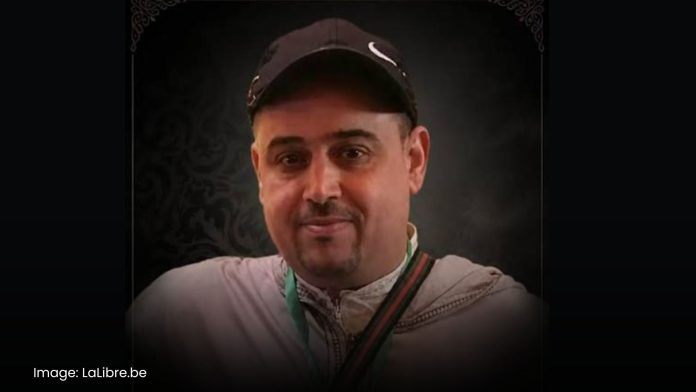
A 54-year-old shopkeeper died after being severely assaulted while intervening to defend a woman who was allegedly subjected to racist and Islamophobic abuse on a tram in Brussels. The incident occurred on July 23 aboard Tram 55 in the Evere municipality. Driss Atouane, who managed a supermarket in the Schaerbeek district, stepped in after a man allegedly directed racist and anti-Muslim remarks at a woman. The suspect then turned on Atouane in what local media described as an exceptionally violent assault. Atouane died in hospital on Sunday from his injuries.

A Case That Moved Fast, But Where It Goes Next Is Unclear
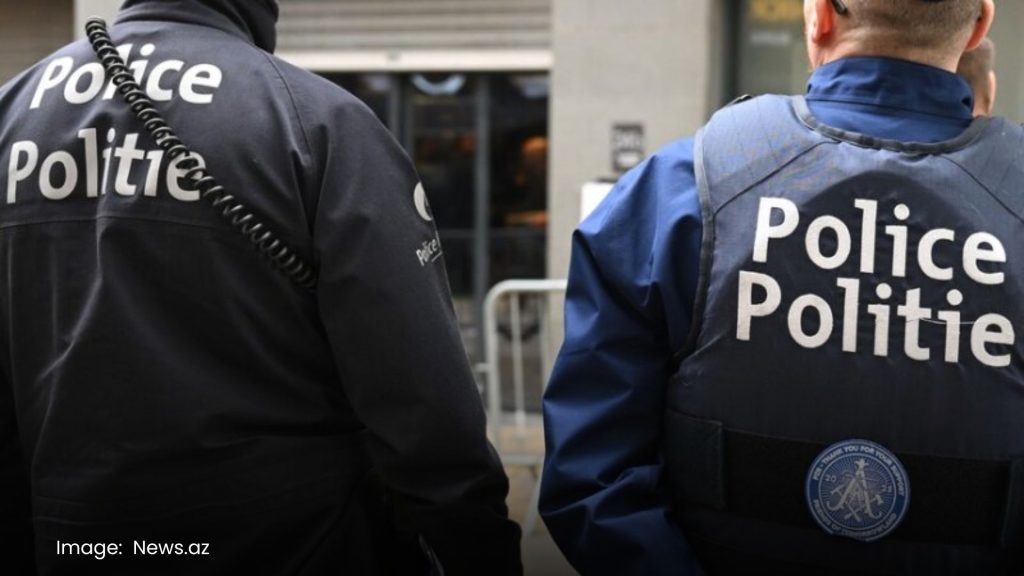
Police say they arrested the suspect within minutes of the attack, and the Brussels Public Prosecutor’s Office confirmed he has been placed under an arrest warrant. An investigating judge has since appointed a psychiatric expert to assess him. While the swift arrest is notable, the psychiatric evaluation introduces uncertainty about how the case will ultimately be prosecuted, and whether hate crime enhancements will apply if the suspect is found to have diminished capacity. For a case with this much public attention, the path to actual accountability is still far from settled.

Local Voices, but Limited National Response
So far, the most visible public response has come from local figures. Hasan Koyuncu, the incoming mayor of Schaerbeek, called Atouane’s death an unbearable injustice and said he hoped justice would be served. Social media users have widely praised Atouane as a hero. What has been notably quieter is any broader national government response addressing hate crime policy, transit safety, or protections for bystanders who intervene, the kind of structural response advocates often call for after high profile hate-motivated attacks.
A Familiar Pattern
Cases like this tend to follow a recognizable arc in Europe: an outpouring of local grief and praise for the victim, a swift arrest, and then a slower, less visible legal process that can take months or years to conclude. Critics of how such cases are typically handled argue that without sustained political attention, hate crime prosecutions can lose momentum once the initial news cycle fades, and that psychiatric evaluations, while sometimes warranted, can also become a way cases stall in the public eye.

What to Watch
The key questions going forward are whether Belgian prosecutors pursue hate crime charges specifically, what the psychiatric evaluation concludes, and whether this case prompts any policy discussion at the national level about protecting bystanders or addressing Islamophobic violence on public transit. As of now, the investigation remains open, and no timeline for next steps has been announced.


Maryam Tariq

What Happened
A 54-year-old shopkeeper died after being severely assaulted while intervening to defend a woman who was allegedly subjected to racist and Islamophobic abuse on a tram in Brussels. The incident occurred on July 23 aboard Tram 55 in the Evere municipality. Driss Atouane, who managed a supermarket in the Schaerbeek district, stepped in after a man allegedly directed racist and anti-Muslim remarks at a woman. The suspect then turned on Atouane in what local media described as an exceptionally violent assault. Atouane died in hospital on Sunday from his injuries.

A Case That Moved Fast, But Where It Goes Next Is Unclear
Police say they arrested the suspect within minutes of the attack, and the Brussels Public Prosecutor’s Office confirmed he has been placed under an arrest warrant. An investigating judge has since appointed a psychiatric expert to assess him. While the swift arrest is notable, the psychiatric evaluation introduces uncertainty about how the case will ultimately be prosecuted, and whether hate crime enhancements will apply if the suspect is found to have diminished capacity. For a case with this much public attention, the path to actual accountability is still far from settled.

Local Voices, but Limited National Response
So far, the most visible public response has come from local figures. Hasan Koyuncu, the incoming mayor of Schaerbeek, called Atouane’s death an unbearable injustice and said he hoped justice would be served. Social media users have widely praised Atouane as a hero. What has been notably quieter is any broader national government response addressing hate crime policy, transit safety, or protections for bystanders who intervene, the kind of structural response advocates often call for after high profile hate-motivated attacks.

A Familiar Pattern
Cases like this tend to follow a recognizable arc in Europe: an outpouring of local grief and praise for the victim, a swift arrest, and then a slower, less visible legal process that can take months or years to conclude. Critics of how such cases are typically handled argue that without sustained political attention, hate crime prosecutions can lose momentum once the initial news cycle fades, and that psychiatric evaluations, while sometimes warranted, can also become a way cases stall in the public eye.

What to Watch
The key questions going forward are whether Belgian prosecutors pursue hate crime charges specifically, what the psychiatric evaluation concludes, and whether this case prompts any policy discussion at the national level about protecting bystanders or addressing Islamophobic violence on public transit. As of now, the investigation remains open, and no timeline for next steps has been announced.

spot_img

Explore more

spot_img
Global Affairs

Israel Paid $46.5 Million to Shape What AI Chatbots Say About...

US Walks Out on France at the UN, and It’s Part...

Magnitude 7.1 Earthquake Hits Japan, Mall Explosion Traps Dozens

Foreign Countries Are Fueling Myanmar’s War for Their Own Benefit

What Are the US and Iran Actually Negotiating Through Oman

UN Official Calls West Bank Attacks “Pogroms,” Wants Weapons Ban on...

UN Rights Chief Wins Second Term, But the US, Israel and...

A Super El Nino Could Cost the World Up to 7...