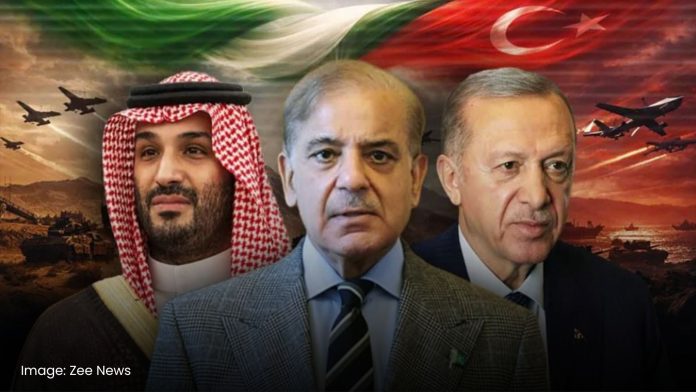
Saudi Money. Turkish Firepower. Pakistan’s Bomb. Islamic NATO?

Three Powers, One Collective-Defence Promise

Saudi Arabia, Türkiye and Pakistan have signed the Mecca Joint Defence Agreement, declaring that an armed attack against any one of the three countries will be regarded as an attack against them all.

That language gives the pact genuine strategic weight. But the joint statement did not publicly explain the exact military obligations accepted by each government, how decisions would be made during a crisis or whether an integrated command will be created.

The agreement therefore sits somewhere between a powerful collective-defence promise and an alliance whose operational machinery remains largely undisclosed. It combines three complementary strengths: Saudi Arabia’s wealth and strategic geography, Türkiye’s military experience and expanding defence industry, and Pakistan’s armed forces and nuclear status.
Saudi Arabia Is Buying Strategic Insurance

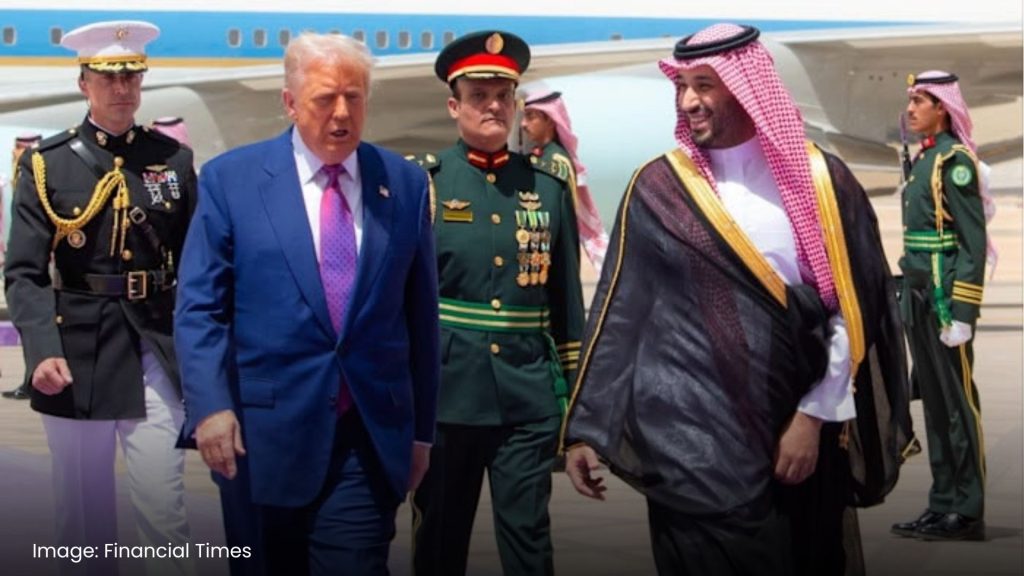
The pact does not mean Saudi Arabia is abandoning the United States. Riyadh remains deeply connected to American weapons, intelligence and military cooperation.

It does suggest that Saudi leaders no longer want national security to depend entirely on one external guarantor.

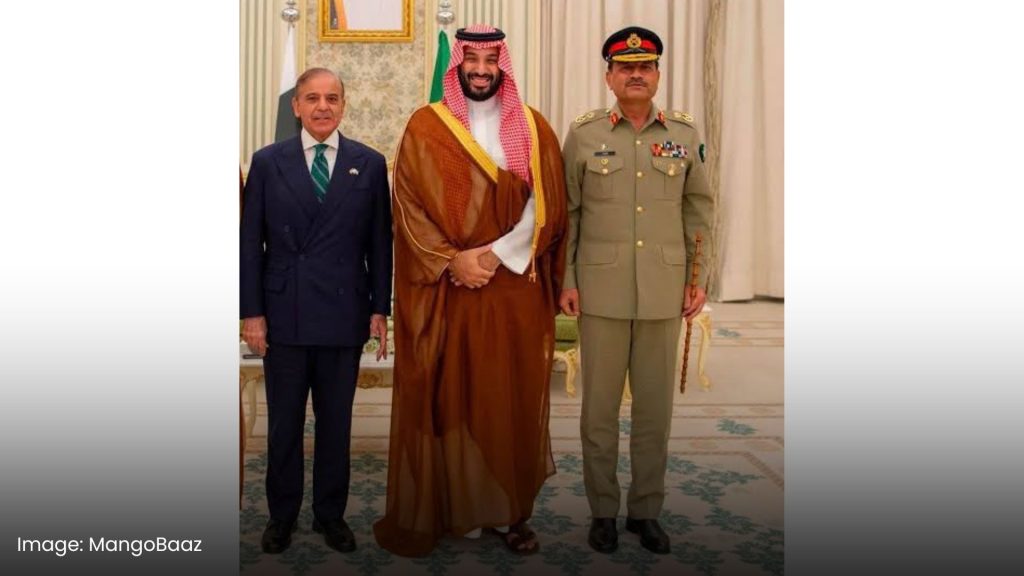
The roots extend beyond the current Iran w∗r. After Isr∗el’s 2025 strike in Doha, Gulf capitals confronted the possibility that even states hosting major American forces could remain exposed. Saudi Arabia and Pakistan subsequently signed a bilateral Strategic Mutual Defence Agreement intended to strengthen joint deterrence.

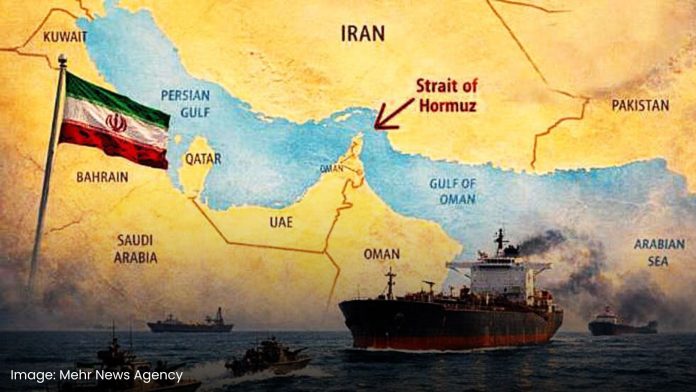
The current conflict added urgency. Missile and drone threats, pressure on energy infrastructure and disruption around Hormuz have made diversified protection more valuable. Saudi Arabia can retain Washington while adding Pakistani military support and Turkish technology.

That is not a divorce from America. It is insurance against uncertainty.
Pakistan’s Nuclear Shadow

Nothing publicly released confirms that Pakistan will transfer nuclear weapons, station them in Saudi Arabia or automatically use them during a regional conflict.

Yet nuclear deterrence does not operate only through explicit promises. Journalist Bob Woodward has reported that Crown Prince Mohammed bin Salman once told a US senator, in reference to Saudi Arabia’s own nuclear options, that he would not need uranium to build a bomb because he could simply buy one from Pakistan. Whether or not the remark was literal, it captures exactly the kind of ambiguity now surrounding this pact.

After the 2025 Saudi-Pakistan pact, public statements created uncertainty about whether Pakistan’s nuclear capabilities might eventually influence Gulf security. Officials later stressed that nuclear weapons were not formally included, but analysts still concluded that Pakistan’s nuclear status had entered regional calculations.

That ambiguity may itself deter potential adversaries. Pakistan does not need to announce a nuclear umbrella for Isr∗el, Iran, India or Washington to consider how far Islamabad might go if Saudi Arabia faced an existential threat.

The pact’s nuclear dimension is therefore an implication, not a confirmed clause.

Türkiye’s NATO Contradiction

Türkiye’s participation creates the agreement’s most complicated structural question.
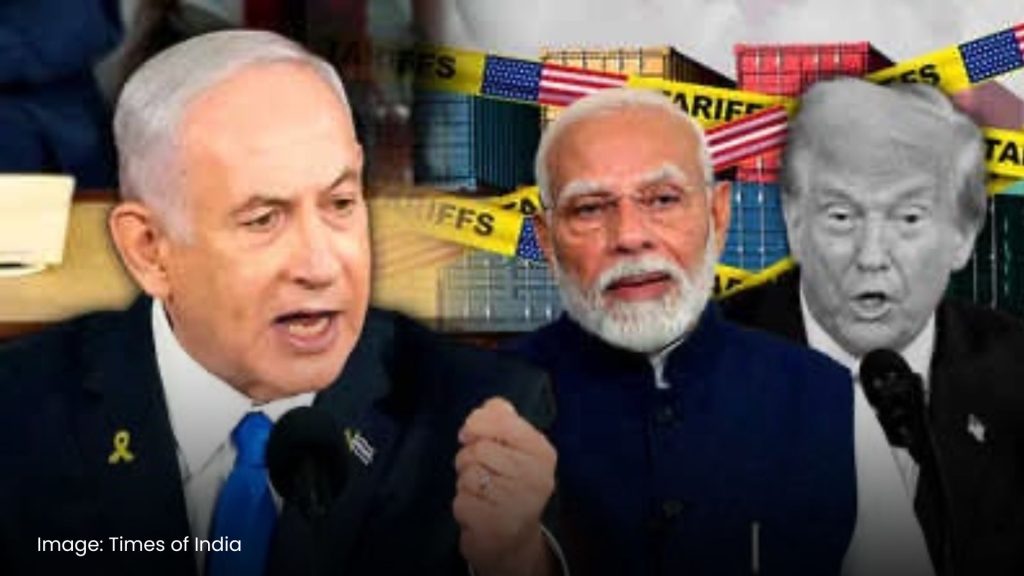
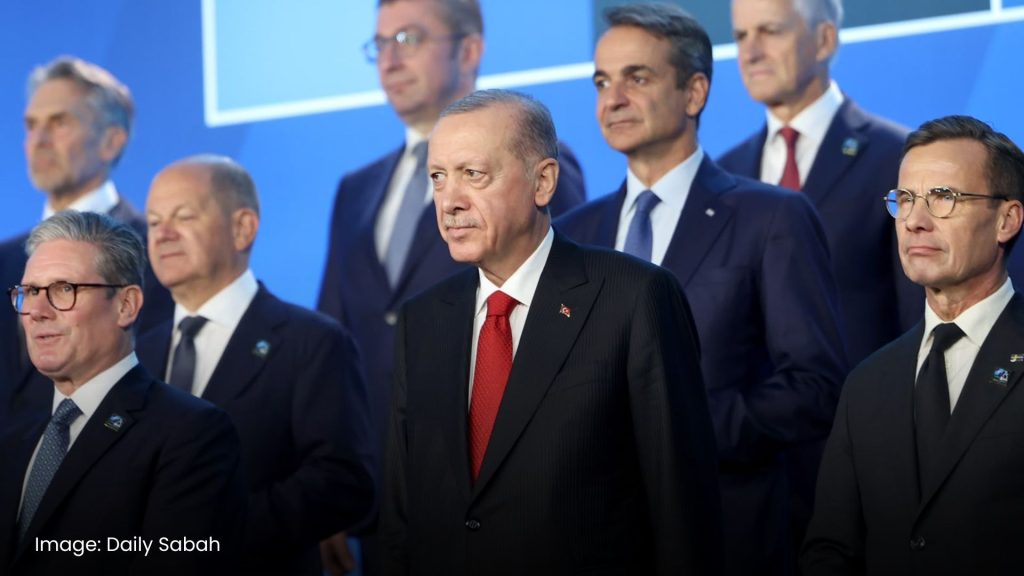
Ankara remains a NATO member, protected by an alliance with its own command structure, planning system and collective-defence obligations. Saudi Arabia and Pakistan do not gain NATO protection merely because Türkiye has signed a separate pact with them.

The reverse is also true: Türkiye’s NATO partners are not automatically bound by its new commitments.

That arrangement gives Ankara wider regional influence, but it could produce strategic confusion if NATO expects restraint while Saudi Arabia or Pakistan expects intervention. No public statement has explained how Türkiye would manage conflicting obligations.

Kuwait Is Already Following the Same Path

This pact is not an isolated deal between three countries. Weeks before the Mecca signing, Kuwait ratified a broader defence cooperation agreement with Pakistan, and Reuters has reported, citing five sources familiar with the talks, that Pakistan is now negotiating an expanded pact with Kuwait modelled directly on the Saudi arrangement, potentially including Pakistani troops, fighter jets, drones and air defence systems on Kuwaiti soil in exchange for energy cooperation and investment.

That timing matters. It suggests the Mecca pact is not a one-time alignment but the opening move of a wider pattern, with Gulf states increasingly treating Pakistani military depth as a resource available for purchase.

Why Isr∗el, India and Washington Must Recalculate

The pact is officially presented as defensive and is not publicly directed at any one country.

For Isr∗el, however, it raises uncertainty about whether future regional operations could produce consequences involving a NATO power and a nuclear-armed state.

For India, deeper Pakistani access to Saudi financing and Turkish defence technology could strengthen Islamabad’s long-term military and diplomatic position, even though the agreement contains no public commitment relating to Kashmir.

For Washington, the signal may be broader: its partners still value American protection, but they are increasingly constructing security arrangements that do not require US permission or leadership.
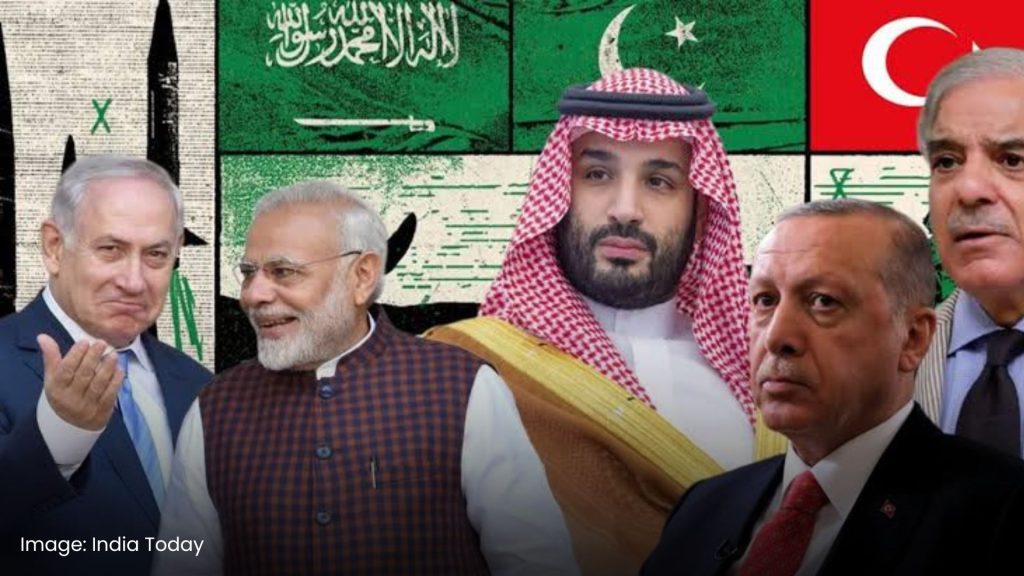
Islamic NATO, or an Ambitious Beginning?

Calling the agreement an Islamic NATO remains premature. NATO possesses an integrated command, decades of common planning and established procedures for collective action. The new pact has not publicly demonstrated comparable institutions.

But alliances can alter behaviour before their structures are complete. Rival states may adjust diplomacy, procurement and military planning simply because of what the agreement could become.

Saudi Arabia has the capital. Türkiye has the industrial capacity. Pakistan has the military depth and nuclear shadow.

The question is whether they have signed only a defensive agreement, or laid the foundations of a new regional order.

By Shizza Umer

Sources

Reuters, via Internazionale: Saudi Arabia, Turkey and Pakistan to sign joint defence deal amid regional turmoil

Middle East Eye: Turkey, Pakistan, Saudi Arabia sign “Mecca Joint Defence Agreement”

Wikipedia: Strategic Mutual Defence Agreement

Belfer Center: Beyond the Hype, Pakistan-Saudi Defense Pact Is Not a Saudi Nuclear Umbrella

The Times of Israel: Pakistan says its nuclear program available to Saudi Arabia under defense pact

Kuwait Times: Kuwait, Pakistan seal defense pact

The News: Pakistan, Kuwait explore closer defence cooperation, economic partnership
Three Powers, One Collective-Defence Promise

Saudi Arabia, Türkiye and Pakistan have signed the Mecca Joint Defence Agreement, declaring that an armed attack against any one of the three countries will be regarded as an attack against them all.

That language gives the pact genuine strategic weight. But the joint statement did not publicly explain the exact military obligations accepted by each government, how decisions would be made during a crisis or whether an integrated command will be created.

The agreement therefore sits somewhere between a powerful collective-defence promise and an alliance whose operational machinery remains largely undisclosed. It combines three complementary strengths: Saudi Arabia’s wealth and strategic geography, Türkiye’s military experience and expanding defence industry, and Pakistan’s armed forces and nuclear status.

Saudi Arabia Is Buying Strategic Insurance

The pact does not mean Saudi Arabia is abandoning the United States. Riyadh remains deeply connected to American weapons, intelligence and military cooperation.

It does suggest that Saudi leaders no longer want national security to depend entirely on one external guarantor.

The roots extend beyond the current Iran w∗r. After Isr∗el’s 2025 strike in Doha, Gulf capitals confronted the possibility that even states hosting major American forces could remain exposed. Saudi Arabia and Pakistan subsequently signed a bilateral Strategic Mutual Defence Agreement intended to strengthen joint deterrence.

The current conflict added urgency. Missile and drone threats, pressure on energy infrastructure and disruption around Hormuz have made diversified protection more valuable. Saudi Arabia can retain Washington while adding Pakistani military support and Turkish technology.

That is not a divorce from America. It is insurance against uncertainty.

Pakistan’s Nuclear Shadow

Nothing publicly released confirms that Pakistan will transfer nuclear weapons, station them in Saudi Arabia or automatically use them during a regional conflict.

Yet nuclear deterrence does not operate only through explicit promises. Journalist Bob Woodward has reported that Crown Prince Mohammed bin Salman once told a US senator, in reference to Saudi Arabia’s own nuclear options, that he would not need uranium to build a bomb because he could simply buy one from Pakistan. Whether or not the remark was literal, it captures exactly the kind of ambiguity now surrounding this pact.

After the 2025 Saudi-Pakistan pact, public statements created uncertainty about whether Pakistan’s nuclear capabilities might eventually influence Gulf security. Officials later stressed that nuclear weapons were not formally included, but analysts still concluded that Pakistan’s nuclear status had entered regional calculations.

That ambiguity may itself deter potential adversaries. Pakistan does not need to announce a nuclear umbrella for Isr∗el, Iran, India or Washington to consider how far Islamabad might go if Saudi Arabia faced an existential threat.

The pact’s nuclear dimension is therefore an implication, not a confirmed clause.

Türkiye’s NATO Contradiction

Türkiye’s participation creates the agreement’s most complicated structural question.

Ankara remains a NATO member, protected by an alliance with its own command structure, planning system and collective-defence obligations. Saudi Arabia and Pakistan do not gain NATO protection merely because Türkiye has signed a separate pact with them.

The reverse is also true: Türkiye’s NATO partners are not automatically bound by its new commitments.

That arrangement gives Ankara wider regional influence, but it could produce strategic confusion if NATO expects restraint while Saudi Arabia or Pakistan expects intervention. No public statement has explained how Türkiye would manage conflicting obligations.

Kuwait Is Already Following the Same Path

This pact is not an isolated deal between three countries. Weeks before the Mecca signing, Kuwait ratified a broader defence cooperation agreement with Pakistan, and Reuters has reported, citing five sources familiar with the talks, that Pakistan is now negotiating an expanded pact with Kuwait modelled directly on the Saudi arrangement, potentially including Pakistani troops, fighter jets, drones and air defence systems on Kuwaiti soil in exchange for energy cooperation and investment.

That timing matters. It suggests the Mecca pact is not a one-time alignment but the opening move of a wider pattern, with Gulf states increasingly treating Pakistani military depth as a resource available for purchase.

Why Isr∗el, India and Washington Must Recalculate

The pact is officially presented as defensive and is not publicly directed at any one country.

For Isr∗el, however, it raises uncertainty about whether future regional operations could produce consequences involving a NATO power and a nuclear-armed state.

For India, deeper Pakistani access to Saudi financing and Turkish defence technology could strengthen Islamabad’s long-term military and diplomatic position, even though the agreement contains no public commitment relating to Kashmir.

For Washington, the signal may be broader: its partners still value American protection, but they are increasingly constructing security arrangements that do not require US permission or leadership.

Islamic NATO, or an Ambitious Beginning?

Calling the agreement an Islamic NATO remains premature. NATO possesses an integrated command, decades of common planning and established procedures for collective action. The new pact has not publicly demonstrated comparable institutions.

But alliances can alter behaviour before their structures are complete. Rival states may adjust diplomacy, procurement and military planning simply because of what the agreement could become.

Saudi Arabia has the capital. Türkiye has the industrial capacity. Pakistan has the military depth and nuclear shadow.

The question is whether they have signed only a defensive agreement, or laid the foundations of a new regional order.

By Shizza Umer

Sources

Reuters, via Internazionale: Saudi Arabia, Turkey and Pakistan to sign joint defence deal amid regional turmoil

Middle East Eye: Turkey, Pakistan, Saudi Arabia sign “Mecca Joint Defence Agreement”

Wikipedia: Strategic Mutual Defence Agreement

Belfer Center: Beyond the Hype, Pakistan-Saudi Defense Pact Is Not a Saudi Nuclear Umbrella

The Times of Israel: Pakistan says its nuclear program available to Saudi Arabia under defense pact

Kuwait Times: Kuwait, Pakistan seal defense pact

The News: Pakistan, Kuwait explore closer defence cooperation, economic partnership
spot_img

Explore more

spot_img
Global Affairs

Iran To America: Back Off And Hormuz Reopens In 7 Days.

The UAE Files: Gold. W.rs. Spies. And One Disturbing Pattern.

Yemen Just Became Everyone’s Problem

Isr.el’s W.r on G.za’s Children: K.lled, Starved, Orphaned and Scarred

$1 BILLION For Isr.ael. A Palestinian Lawyer In Handcuffs. Welcome To...

Did the Houthis T*rget Makkah? Or Is Makkah Being Used To...

Sheeran’s own band quit, and named the “z*ionist lobby” on their...

Mosques. Homes. Water. Madrasas. How far will BJP go against India’s...