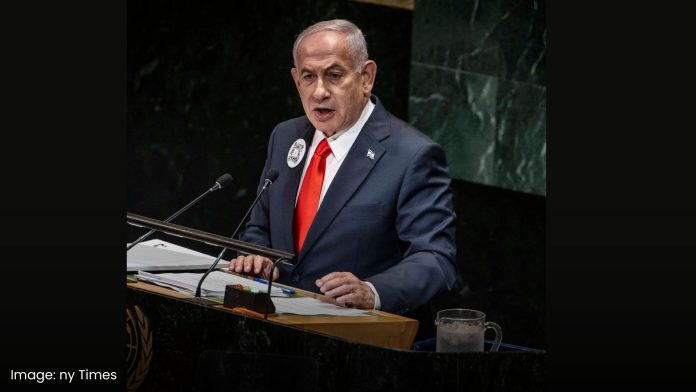
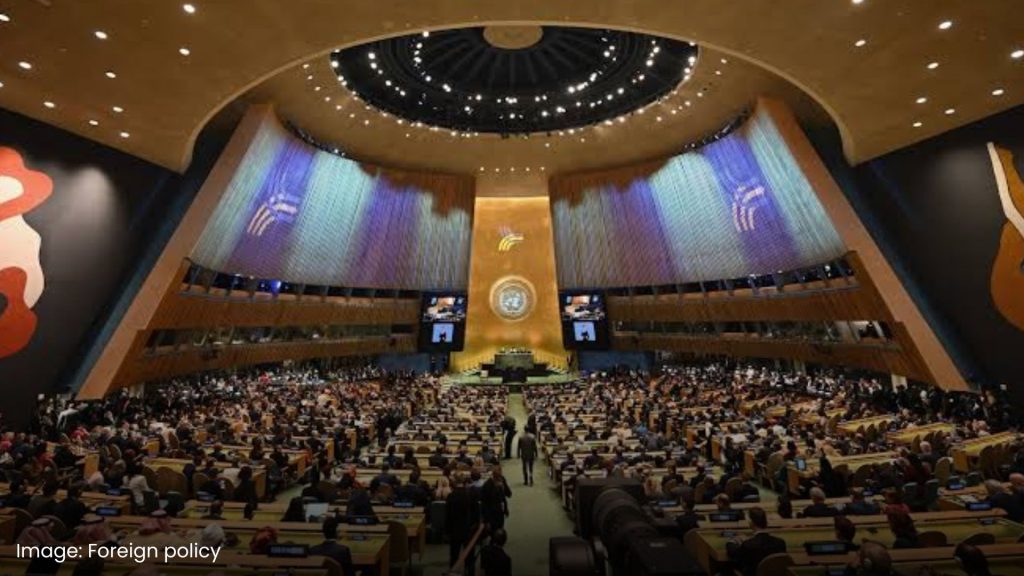
When Isr*eli Prime Minister Benjamin Netanyahu arrived in New York to address the 81st United Nations General Assembly, the trip stood out not for grand bilateral summits or extensive diplomatic engagements, but for its unprecedented brevity. Scheduled to remain on American soil for under eight hours before immediately departing back to Isr*el, Netanyahu’s whirlwind appearance represents a dramatic shift from his historical visits to the United States. Just last year, the Isr*eli leader spent a full week navigating Washington corridors, conducting high-profile White House talks, and addressing joint sessions of Congress. Today, the starkly truncated itinerary serves as a powerful barometer for the growing diplomatic rift separating Tel Aviv from its primary international patron.
An Unprecedented Absence of High-Level Washington Meetings
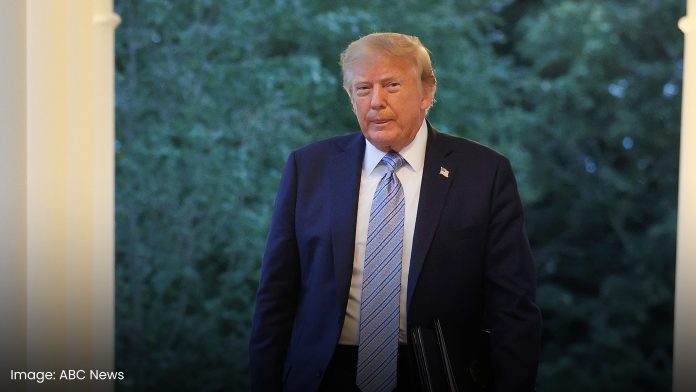
The most striking element of Netanyahu’s visit is what is missing from his calendar: any formal meeting with US President Donald Trump or senior American cabinet officials. For decades, an Isr*eli prime minister setting foot on US soil without securing a high-level presidential meeting was virtually unheard of in international diplomacy. Michael Oren, a former Isr*eli ambassador to the United States, underscored the gravity of this omission, remarking that visiting America without an invitation to the White House or a scheduled sit-down with the president marks a historic departure from standard protocol and a distinct disappointment for Netanyahu’s administration.
Officially, Netanyahu’s office attributed the tight schedule to logistical constraints, citing the need to return to Jerusalem immediately prior to the commencement of the Jewish holiday of Sukkot. However, foreign policy analysts and diplomatic observers view the brief stopover as a clear sign of mutual coolness. Rather than navigating the complex political optics of a public disagreement or an awkw*rd photo opportunity in Washington, both administrations appear content to keep their distance during this critical political window.
Domestic Pressures and a Critical Election Deadline
The geopolitical context surrounding the trip is heavily dictated by domestic politics. Isr*el is less than a month away from a crucial general election scheduled for October 27. Opinion polling across Isr*el indicates that Netanyahu is locked in a fierce, uphill reelection campaign, with his foundational narrative as “Mr. Security” severely damaged in the aftermath of the October 7, 2023 attacks by Hamas.
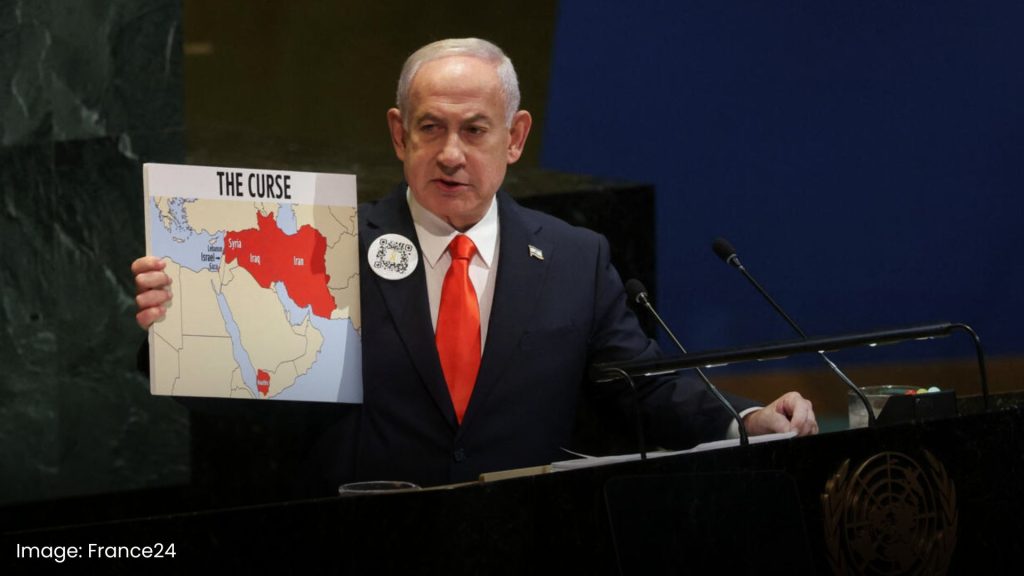
In previous campaign cycles, a trip to the UN General Assembly allowed Netanyahu to project global statesman credentials to voters back home, leveraging visible backing from Washington to reassure the Isr*eli public. Without the traditional White House backing this year, Netanyahu’s address to the UN rostrum is widely seen as a tailored campaign speech designed primarily for an audience in Isr*el rather than the international community. Facing intense political competition, the Prime Minister is attempting to demonstrate strength, independence, and resolve despite growing international isolation.
Pivot Tow*rd Alternative Bilateral Alliances
Deprived of standard top-level US engagements, Netanyahu’s office announced an eclectic slate of bilateral meetings packed into his few hours in New York. His itinerary focused on leaders from non-traditional partner states, including discussions with the presidents of Argentina, Bolivia, Paraguay, Panama, and Ethiopia, the vice president of Colombia, and the prime ministers of Greece, Slovenia, and Papua New Guinea.
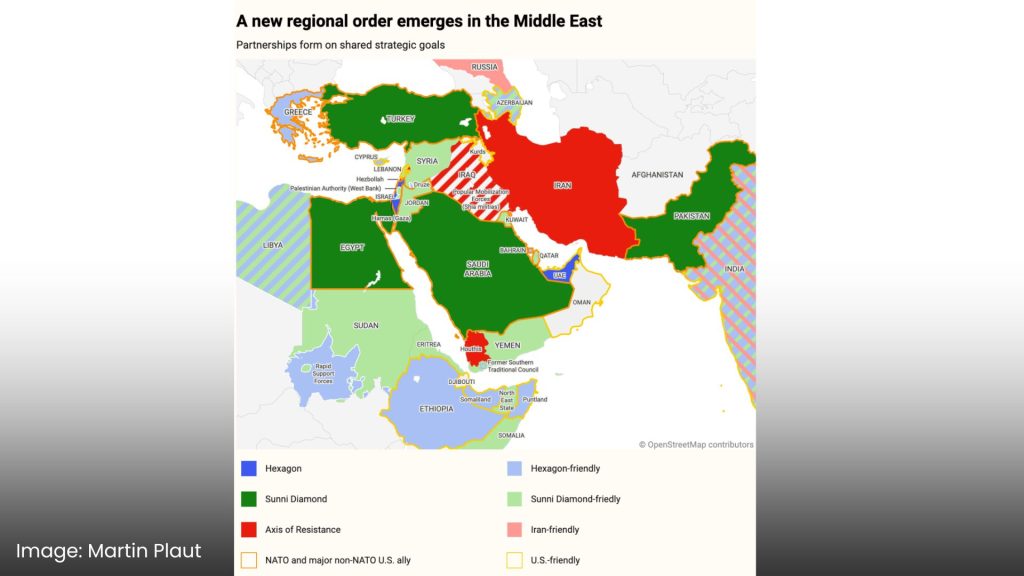
This diplomatic outreach highlights a conscious effort by Isr*el to diversify its global relationships as ties with traditional Western allies deteriorate. Over recent months, key partners in Western Europe and North America have adopted a noticeably firmer stance against Isr*eli policies. Notably, long-standing allies such as Britain, France, and Canada recently enacted coordinated sanctions against Isr*eli entities and individual leaders associated with settlement expansion in the West Bank. Washington’s decision not to forcefully oppose or shield Isr*el from these allied sanctions delivered a quiet but unmistakable signal that US patience with unilateral territorial moves is wearing thin.
Strategic Fractures Over Iran and Regional Security
Beyond domestic elections and West Bank settlement policies, deeper strategic disagreements over regional security have eroded the foundation of the US-Isr*el relationship. Earlier this year, Washington and Tel Aviv demonstrated significant strategic alignment when they jointly launched direct military str*kes against targets in Iran in February. However, the aftermath of those military operations exposed sharp divergence in their long-term foreign policy objectives.
As the conflict progressed without key objectives being fully achieved, Washington sought to extricate itself from an escalating regional w*r. In June, the US administration attempted to negotiate an interim agreement with Tehran to de-escalate tensions, a diplomatic initiative that Isr*el vehemently opposed. Although those interim talks ultimately unravelled weeks later, the episode demonstrated that Washington’s priority of avoiding prolonged Middle Eastern entanglements is increasingly at odds with Isr*el’s posture tow*rd regional foes.
Changing Domestic Public Sentiment in America
Compounding the diplomatic chill is a broader, structural shift in American public opinion. Polling data in the United States shows that public backing for Isr*el’s military strategy has declined significantly since the onset of the Gaza conflict. This drop in support is particularly pronounced among Democratic voters and younger demographics, making unconditional backing for Isr*eli policies politically costly for American leaders.
As a result, Washington’s willingness to extend unconditional political cover has eroded. The rapid, eight-hour visit to New York exemplifies this new reality. Netanyahu’s fleeting appearance at the UN underscores an alliance in transition, one where traditional diplomatic rituals are giving way to visible strategic friction, shifting public priorities, and an uncertain political future for both nations.
References