Paul Mackenzie Sentenced to 200 Years for Shakahola Killings
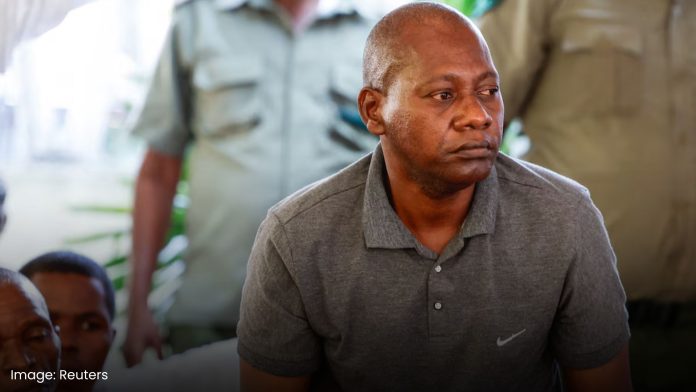
Kenyan preacher Paul Nthenge Mackenzie was sentenced on Friday 6 November to 200 years in prison for the murder of 191 people, 190 of them children, whose bodies were buried in Shakahola Forest near Malindi on Kenya’s coast. Justice Diana Kavedza handed down 100 years for murder by starvation and a further 100 years for direct homicide, to run consecutively, at the High Court in Mombasa. Twenty-eight of his followers, convicted alongside him in October, received sentences ranging from 10 to 160 years. Mackenzie denied forcing anyone to starve, and his lawyer, Lawrence Obonyo, said he would appeal.

What the Court Heard About the Shakahola Starvation Cult
Mackenzie, who preached through a YouTube channel with thousands of subscribers, told followers to starve themselves and their children to death so they could reach heaven before the world ended. The court found the fasting was enforced, not voluntary. “Children observed as their siblings dropped dead after enduring hunger for days,” the judge said, adding that “those who stole food or water were beaten, their hands tied and locked up in houses, turned into fasting bays to die.”
Kenya’s human rights commission counts 448 bodies recovered from the forest. Mackenzie also faces a separate case over 52 more deaths at Kwa Binzaro, about 30 kilometres away, to which he has pleaded not guilty.
Six Years of Warnings Before the Shakahola Graves
The graves were opened in April 2023, but the warnings came years earlier. Police searched Mackenzie’s premises in 2017, and in 2019 authorities shut his church in Malindi, after which he moved his followers into the forest. He had been arrested twice and released.
According to findings from Kenya’s Senate, its human rights commission and its Ombudsman, a planned official visit to his Shakahola property in October 2021 never took place, and in November 2022 a former follower’s online warnings were removed after police summoned the platform’s administrators. The Ombudsman later recommended disciplinary action against six public officers.
Shakahola Families Still Searching for the Missing
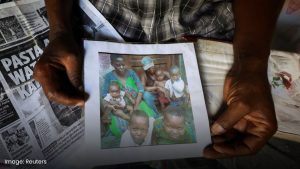
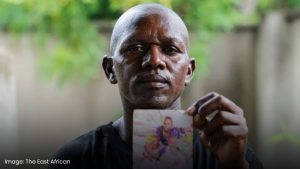
For the families, the sentence brings an ending but not answers. Stephen Mwiti, 48, lost six children, and his wife was among those convicted. “I lost children and I will not be able to get them back no matter what happens to Mackenzie and his accomplices,” he said. Suleiman Zero, whose wife and six children are still missing, wept outside court. “I am happy but where is my family?” he asked.
Prosecutors had asked for the death penalty, but the judge refused, saying a death sentence would “extinguish the possibility that a living convict may disclose the location of the remains.” Mackenzie’s son Dan, who fled the group as a teenager, said: “I lost friends too, and my younger brother. It’s justice to the people who we lost over there in Shakahola.”

Who Answers for Kenya’s Shakahola Failures?
In 2023, President William Ruto said he took responsibility for the government’s failure to prevent the deaths. In her ruling, Justice Kavedza said Kenyan institutions had failed and called on Parliament to act. Yet proposals drawn up in 2024 to regulate religious organisations have still not become law.
“All these people have failed the people,” said Ojiro Odhiambo of the Kenya Human Rights Commission, pointing to local administrators, police, intelligence officers and religious leaders who did not act on repeated warnings. A 200-year sentence punishes one preacher. It does not explain why a state that searched his home in 2017 was still missing the signs in 2022, or what will stop it from happening again.

By Shizza Umer
Sources
- Kenyans.co.ke: Paul Mackenzie Sentenced to 200 Years in Prison
- The National (Reuters): Kenyan death cult leader sentenced to 200 years
- The Standard (Reuters): Kenyan cult leader sentenced to 200 years
- Daily Sabah (Reuters): Kenya sentences cult leader to 200 years
- Al Jazeera: Kenyan court sentences starvation cult leader to 200 years
- Diplomacy and Law: Paul Mackenzie Jailed 200 Years