SACHA BARON COHEN MADE MILLIONS MOCKING OTHER CULTURES. WHEN THEY OBJECT, IS IT CENSORSHIP?

By Shizza Umer | Verum Network

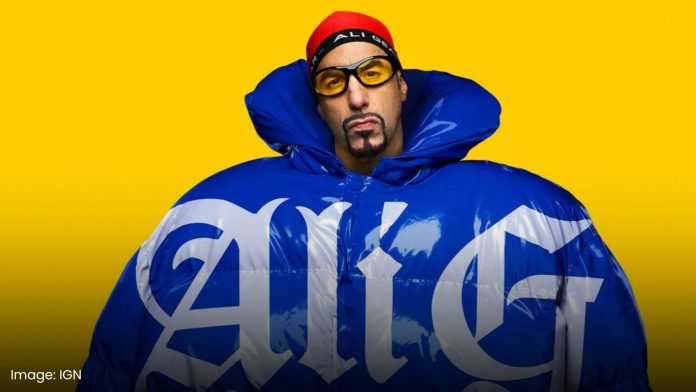
Sacha Baron Cohen has spent decades building a career around characters who expose prejudice, ridicule powerful people and push the boundaries of acceptable comedy. But as Ali G returns after 24 years, an uncomfortable question is resurfacing: when the people represented in those jokes object, is that censorship, or are they exercising the same freedom of expression?
Ali G: Who Iz I? Box Office: The Numbers Amazon Has Not Released

The original Ali G Indahouse opened to £3.2 million in the UK in 2002. The new film opened to £1.3 million across 458 cinemas, less than half that figure, or £2.5 million counting previews. Amazon called it a “stunt release” that “delivered against our goals,” but has not reported its box office. Days before release, the film quietly disappeared from the listings of Swedish cinema chain Filmstaden. Five days after opening, it reached No. 1 on the UK streaming chart on Prime Video, while critics split, leaving it at 48% on Rotten Tomatoes. A weak cinema opening does not, by itself, prove the release failed.

The Ali G Boycott Campaign

NewsCord, a UK-based media activism platform incubated by Tech for Palestine, says its campaign sent about 55,000 emails urging cinemas not to screen the film. It called Ali G “a white comedian’s sustained caricature of Black British street culture.”

Cohen’s defenders offer a different reading: Ali G is a foolish white man who appropriates cultures he does not understand, so the joke is on him. Cohen made that case himself, writing that “the fact that Ali G is outdated and problematic is the very reason I resurrected him.” Critics argue that satirical intent does not erase the effect of repeating stereotypes.

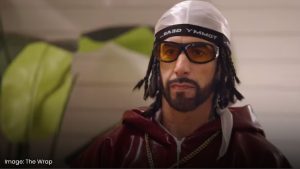
Cohen also answered the campaign in character, posting a video as a fictional progressive activist urging fans to boycott his own film. In the new film, he also plays an ex-Mossad counterterrorism expert.
Sacha Baron Cohen, Antisemitism and Israel

Two days before the film opened, Cohen said “this is a trend of Jews being portrayed in certain ways and trying to be silenced.” Claims that he blamed poor ticket sales on antisemitism get the timeline wrong. He also said he has not spoken publicly about Gaza since calling for the hostages’ release in 2023. That same year, he told TikTok executives the platform was “creating the biggest antisemitic movement since the Nazis.” Anti-Defamation League chief Jonathan Greenblatt defended him against the boycott.

The Brüno Lawsuit: A Palestinian Grocer Labelled a Terrorist

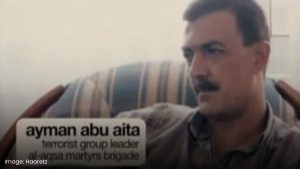
In Brüno (2009), an on-screen caption labelled Ayman Abu Aita “Terrorist group leader, Al Aqsa Martyrs Brigade.” Abu Aita, a grocer from Beit Sahour described as a Christian peace activist, also sat on a regional committee of Fatah. On David Letterman’s show, Cohen said a CIA agent helped arrange the meeting at a secret location chosen by Abu Aita. Abu Aita’s lawsuit said it took place at a hotel Cohen chose, in an area under Israeli military control. He sued for $110 million. The case was settled, with the terms never disclosed.

The CIA contact is Cohen’s own account. It does not show that the CIA financed his films. Documents released under freedom of information rules point the other way: Brüno’s producers misled the Alabama National Guard through a cover company.
Borat’s Roma Village: Glod, Romania

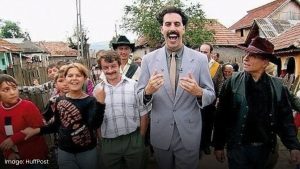
Borat’s “Kazakhstan” opening was filmed in Glod, a Roma village in one of Romania’s poorest regions. Some villagers said they were paid $5 to $7 a day. Fox said extras got about $6 a day and that Cohen and the production each donated $5,000 to the village. The film went on to make more than $260 million worldwide. A $30 million lawsuit claimed villagers were told it was a documentary about poverty, which the studio denied.

Verum’s Analysis: Who Gets Freedom of Expression?

The debate around Ali G is often presented as a choice between defending comedy and defending the communities it portrays. That is a false choice. A comedian has the right to provocative satire. Audiences have the right to criticise it, organise peaceful boycotts and question how it was made. The harder question is whether a joke meant to expose prejudice can also reinforce it, especially when the people on screen say they were harmed.

If a comedian can make a career out of mocking other cultures, shouldn’t those communities have an equal right to challenge the joke?
By Shizza Umer


Sources

Film release, box office and boycott

TheWrap: Ali G streaming release date | TechRadar | The Numbers | Screen Daily | The Hollywood Reporter: theatrical run | The Hollywood Reporter: boycott campaign | Selectra | Moviezine | TheWrap: Ali G boycott | Variety Australia: backlash

Cohen’s response and historical controversies

Times of Israel | TheWrap: ADL | Variety Australia: Time essay | Yahoo: Campaign for Ethical Comedy video | Yahoo: TikTok meeting | NBC Washington | JTA | Chortle: Brüno lawsuit | Daily Herald | Israel Hayom | The Black Vault | NZ Herald | AceShowbiz | AOL | Chortle: Borat lawsuit
By Shizza Umer | Verum Network

Sacha Baron Cohen has spent decades building a career around characters who expose prejudice, ridicule powerful people and push the boundaries of acceptable comedy. But as Ali G returns after 24 years, an uncomfortable question is resurfacing: when the people represented in those jokes object, is that censorship, or are they exercising the same freedom of expression?

Ali G: Who Iz I? Box Office: The Numbers Amazon Has Not Released

The original Ali G Indahouse opened to £3.2 million in the UK in 2002. The new film opened to £1.3 million across 458 cinemas, less than half that figure, or £2.5 million counting previews. Amazon called it a “stunt release” that “delivered against our goals,” but has not reported its box office. Days before release, the film quietly disappeared from the listings of Swedish cinema chain Filmstaden. Five days after opening, it reached No. 1 on the UK streaming chart on Prime Video, while critics split, leaving it at 48% on Rotten Tomatoes. A weak cinema opening does not, by itself, prove the release failed.

The Ali G Boycott Campaign

NewsCord, a UK-based media activism platform incubated by Tech for Palestine, says its campaign sent about 55,000 emails urging cinemas not to screen the film. It called Ali G “a white comedian’s sustained caricature of Black British street culture.”

Cohen’s defenders offer a different reading: Ali G is a foolish white man who appropriates cultures he does not understand, so the joke is on him. Cohen made that case himself, writing that “the fact that Ali G is outdated and problematic is the very reason I resurrected him.” Critics argue that satirical intent does not erase the effect of repeating stereotypes.

Cohen also answered the campaign in character, posting a video as a fictional progressive activist urging fans to boycott his own film. In the new film, he also plays an ex-Mossad counterterrorism expert.

Sacha Baron Cohen, Antisemitism and Israel

Two days before the film opened, Cohen said “this is a trend of Jews being portrayed in certain ways and trying to be silenced.” Claims that he blamed poor ticket sales on antisemitism get the timeline wrong. He also said he has not spoken publicly about Gaza since calling for the hostages’ release in 2023. That same year, he told TikTok executives the platform was “creating the biggest antisemitic movement since the Nazis.” Anti-Defamation League chief Jonathan Greenblatt defended him against the boycott.

The Brüno Lawsuit: A Palestinian Grocer Labelled a Terrorist

In Brüno (2009), an on-screen caption labelled Ayman Abu Aita “Terrorist group leader, Al Aqsa Martyrs Brigade.” Abu Aita, a grocer from Beit Sahour described as a Christian peace activist, also sat on a regional committee of Fatah. On David Letterman’s show, Cohen said a CIA agent helped arrange the meeting at a secret location chosen by Abu Aita. Abu Aita’s lawsuit said it took place at a hotel Cohen chose, in an area under Israeli military control. He sued for $110 million. The case was settled, with the terms never disclosed.

The CIA contact is Cohen’s own account. It does not show that the CIA financed his films. Documents released under freedom of information rules point the other way: Brüno’s producers misled the Alabama National Guard through a cover company.

Borat’s Roma Village: Glod, Romania

Borat’s “Kazakhstan” opening was filmed in Glod, a Roma village in one of Romania’s poorest regions. Some villagers said they were paid $5 to $7 a day. Fox said extras got about $6 a day and that Cohen and the production each donated $5,000 to the village. The film went on to make more than $260 million worldwide. A $30 million lawsuit claimed villagers were told it was a documentary about poverty, which the studio denied.

Verum’s Analysis: Who Gets Freedom of Expression?

The debate around Ali G is often presented as a choice between defending comedy and defending the communities it portrays. That is a false choice. A comedian has the right to provocative satire. Audiences have the right to criticise it, organise peaceful boycotts and question how it was made. The harder question is whether a joke meant to expose prejudice can also reinforce it, especially when the people on screen say they were harmed.

If a comedian can make a career out of mocking other cultures, shouldn’t those communities have an equal right to challenge the joke?

By Shizza Umer


Sources

Film release, box office and boycott

TheWrap: Ali G streaming release date | TechRadar | The Numbers | Screen Daily | The Hollywood Reporter: theatrical run | The Hollywood Reporter: boycott campaign | Selectra | Moviezine | TheWrap: Ali G boycott | Variety Australia: backlash

Cohen’s response and historical controversies

Times of Israel | TheWrap: ADL | Variety Australia: Time essay | Yahoo: Campaign for Ethical Comedy video | Yahoo: TikTok meeting | NBC Washington | JTA | Chortle: Brüno lawsuit | Daily Herald | Israel Hayom | The Black Vault | NZ Herald | AceShowbiz | AOL | Chortle: Borat lawsuit
spot_img

Explore more

spot_img
Uncategorized

ANOTHER TRAIN CRASH. ANOTHER CRISIS. WHAT IS HAPPENING TO SPAIN?

RFK JR. SAYS ARABS DON’T PRODUCE SCIENCE. HERE ARE THE RECEIPTS.

THE CEASEFIRE WAS SUPPOSED TO END THE HORROR. THE UN SAYS...

WHO SHELLS A CHILDREN’S HOSPITAL TWICE?

TEHRAN PUT ‘TRUMP’ BEHIND BARS. BUT WHY?

A CRITIC OF RWANDA’S PRESIDENT HAS BEEN FOUND BEHEADED IN UGANDA....

A RABBI RULED SETTLERS CAN TAKE PALESTINIAN OLIVES. By Shizza Umer