THE PLANET IS RUNNING OUT OF TIME. WILL WORLD LEADERS FINALLY ACT?

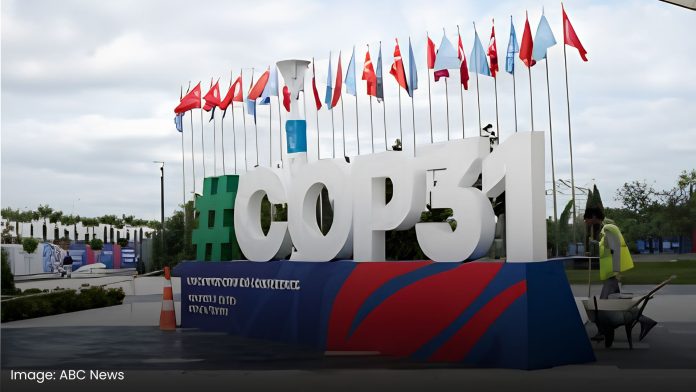
The 31st United Nations Climate Change Conference (COP31) opened on November 9 in Antalya, Türkiye, bringing together representatives from more than 190 countries for two weeks of negotiations on global climate action.

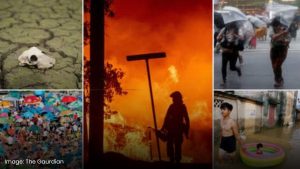
The summit comes at a critical moment. The world is experiencing increasingly severe floods, prolonged droughts, destructive wildfires and record-breaking heatwaves. Meanwhile, the United Nations warns that global warming is on track to exceed the 1.5°C threshold established under the Paris Agreement.

But COP31 is not simply about rising temperatures. It is about who should pay for climate damage, how quickly countries must reduce emissions and whether developing nations can receive the support they need to protect their populations.
Why is the 1.5°C target so important?

The Paris Agreement aims to keep global warming well below 2°C while pursuing efforts to limit it to 1.5°C above pre-industrial levels.

That difference might sound small, but even fractions of a degree can increase climate risks. According to the UN Environment Programme’s 2026 Emissions Gap Report, the world is expected to exceed the 1.5°C threshold. However, limiting the extent of this overshoot remains possible.

For ordinary people, further warming can mean more dangerous heatwaves, damaged crops, water shortages, rising food prices and greater risks from extreme weather.
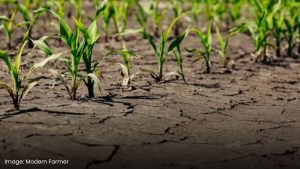
Who should pay for the damage?

One of the biggest disagreements at COP31 concerns climate finance. Developing countries argue that wealthy nations, which contributed significantly to historical greenhouse gas emissions, should take greater financial responsibility.

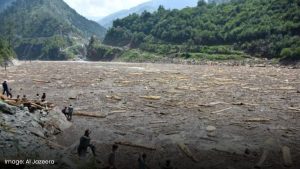
Countries such as Pakistan face devastating floods, extreme heat and water stress despite contributing a relatively small share of historical global emissions. They are demanding financial assistance to protect communities, rebuild infrastructure and prepare for future disasters.

But the debate is also about how this money is provided. Developing countries want accessible funding, preferably through grants rather than additional loans that could increase their debt.
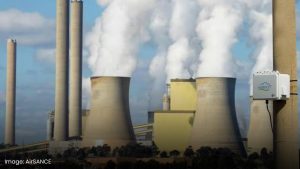
Can the world move away from fossil fuels?

Another major issue is the future of coal, oil and natural gas. These fuels remain central to global electricity production, transportation and industrial development. However, burning them releases greenhouse gases that drive global warming.

Many countries want a faster transition towards renewable energy, but governments remain divided over its speed and economic consequences. Developing countries argue that they need affordable energy to grow their economies. Oil-producing nations are concerned about economic dependence on fossil fuels, while workers and industries also face uncertainty.

This is why a just transition is important: moving towards cleaner energy without leaving workers, poorer communities or developing economies behind.
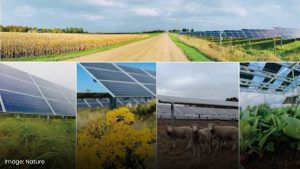
What is actually on the COP31 agenda?

Beyond these political disagreements, the summit has a broad action agenda. It includes expanding clean energy, improving food security, building climate-resilient cities, reducing waste and protecting oceans and biodiversity.

It also addresses green industrialisation, youth participation, climate education and healthcare systems better prepared for extreme weather. These priorities connect climate policy with everyday concerns. Extreme heat affects public health, drought threatens agriculture, and unreliable water supplies affect entire communities.

The objective is to make climate action part of economic development rather than treating it as a separate environmental issue.
What would count as success?

COP31 runs from November 9 to 20, with Türkiye hosting the summit and Australia leading the official negotiations in cooperation with Pacific Island countries. World leaders are also gathering on November 11–12 for a dedicated climate action summit.

The real test will be whether countries can make meaningful progress on climate finance, emissions reductions, renewable energy and support for vulnerable populations. COP31 cannot solve the climate crisis in two weeks. But it can help determine whether governments are prepared to turn previous commitments into practical action.

The world does not need another list of climate promises. It needs funding, accountability and decisions that make a difference to the people already living with the consequences of climate change.

REFERENCE

https://www.dawn.com/news/2043267
https://theclimatewatch.com/kurum-takes-cop31-gavel-urges-countries-to-turn-climate-pledges-into-action/

https://www.newarab.com/news/cop31-what-it-and-whats-stake

https://cop.sifiratikvakfi.org/en/

The 31st United Nations Climate Change Conference (COP31) opened on November 9 in Antalya, Türkiye, bringing together representatives from more than 190 countries for two weeks of negotiations on global climate action.

The summit comes at a critical moment. The world is experiencing increasingly severe floods, prolonged droughts, destructive wildfires and record-breaking heatwaves. Meanwhile, the United Nations warns that global warming is on track to exceed the 1.5°C threshold established under the Paris Agreement.

But COP31 is not simply about rising temperatures. It is about who should pay for climate damage, how quickly countries must reduce emissions and whether developing nations can receive the support they need to protect their populations.

Why is the 1.5°C target so important?

The Paris Agreement aims to keep global warming well below 2°C while pursuing efforts to limit it to 1.5°C above pre-industrial levels.

That difference might sound small, but even fractions of a degree can increase climate risks. According to the UN Environment Programme’s 2026 Emissions Gap Report, the world is expected to exceed the 1.5°C threshold. However, limiting the extent of this overshoot remains possible.

For ordinary people, further warming can mean more dangerous heatwaves, damaged crops, water shortages, rising food prices and greater risks from extreme weather.

Who should pay for the damage?

One of the biggest disagreements at COP31 concerns climate finance. Developing countries argue that wealthy nations, which contributed significantly to historical greenhouse gas emissions, should take greater financial responsibility.

Countries such as Pakistan face devastating floods, extreme heat and water stress despite contributing a relatively small share of historical global emissions. They are demanding financial assistance to protect communities, rebuild infrastructure and prepare for future disasters.

But the debate is also about how this money is provided. Developing countries want accessible funding, preferably through grants rather than additional loans that could increase their debt.

Can the world move away from fossil fuels?

Another major issue is the future of coal, oil and natural gas. These fuels remain central to global electricity production, transportation and industrial development. However, burning them releases greenhouse gases that drive global warming.

Many countries want a faster transition towards renewable energy, but governments remain divided over its speed and economic consequences. Developing countries argue that they need affordable energy to grow their economies. Oil-producing nations are concerned about economic dependence on fossil fuels, while workers and industries also face uncertainty.

This is why a just transition is important: moving towards cleaner energy without leaving workers, poorer communities or developing economies behind.

What is actually on the COP31 agenda?

Beyond these political disagreements, the summit has a broad action agenda. It includes expanding clean energy, improving food security, building climate-resilient cities, reducing waste and protecting oceans and biodiversity.

It also addresses green industrialisation, youth participation, climate education and healthcare systems better prepared for extreme weather. These priorities connect climate policy with everyday concerns. Extreme heat affects public health, drought threatens agriculture, and unreliable water supplies affect entire communities.

The objective is to make climate action part of economic development rather than treating it as a separate environmental issue.

What would count as success?

COP31 runs from November 9 to 20, with Türkiye hosting the summit and Australia leading the official negotiations in cooperation with Pacific Island countries. World leaders are also gathering on November 11–12 for a dedicated climate action summit.

The real test will be whether countries can make meaningful progress on climate finance, emissions reductions, renewable energy and support for vulnerable populations. COP31 cannot solve the climate crisis in two weeks. But it can help determine whether governments are prepared to turn previous commitments into practical action.

The world does not need another list of climate promises. It needs funding, accountability and decisions that make a difference to the people already living with the consequences of climate change.

REFERENCE

https://www.dawn.com/news/2043267
https://theclimatewatch.com/kurum-takes-cop31-gavel-urges-countries-to-turn-climate-pledges-into-action/

https://www.newarab.com/news/cop31-what-it-and-whats-stake

https://cop.sifiratikvakfi.org/en/

spot_img

Explore more

spot_img
Global Affairs

NETANYAHU’S ALLIES ARE TURNING AWAY, AND ARAB PARTIES COULD DECIDE ISRAEL’S...

EUROPE’S SKIES UNDER THREAT: WHO IS BEHIND THE BOMB SCARES?

THE POLITICAL SHIFT WASHINGTON DIDN’T SEE COMING

Black Sea: Is the Russia–Ukraine War Becoming a NATO Security Crisis?

AMERICA VOTES TOMORROW: THE MIDTERMS THAT COULD REDEFINE TRUMP’S SECOND TERM

ARRESTED, HELD FOR YEARS, AND DEAD: THE UN WORKERS CAUGHT IN...

Why Are Authorities Trying to Seal Madrasas in Uttarakhand?

“MOTHER COWS WILL GO EXTINCT”, WHY WERE THREE MUSLIM MEN SENTENCED...