This Is What a Global Heatwave Looks Like

What’s happening

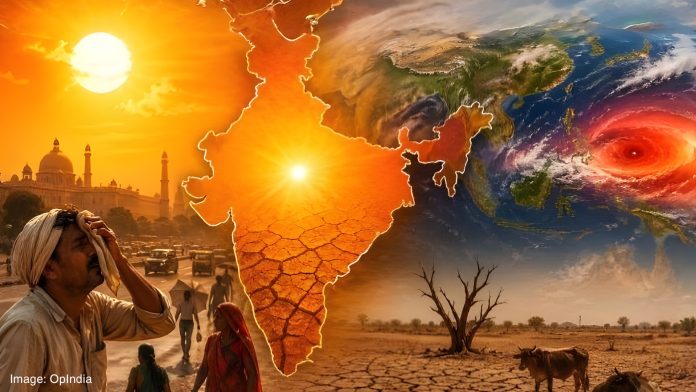
Heat is rising across multiple regions at the same time, and it’s starting to show up in cities that already struggle to cope with extreme weather.

Karachi crossed 44.1 degrees Celsius this week, with at least 10 deaths reported during the heatwave. But similar conditions are being reported elsewhere. Delhi has been dealing with repeated extreme heat spells in recent seasons. Cairo regularly pushes into the 40s during peak months. Athens and parts of southern Europe have also faced intense summer heat in recent years, with temperatures climbing higher than what used to be considered normal.

These are very different cities, in very different parts of the world. But the experience is starting to look similar.

Why it matters

Heatwaves do not hit all at once. They build through the day and linger through the night.

The problem is not just how hot it gets. It is how long it stays hot, and how little relief people have.

In Karachi, people were dealing with power outages and water shortages at the same time as extreme heat. In Delhi, dense traffic, pollution, and concrete-heavy neighbourhoods trap heat long after sunset. In Cairo, dry air and rising temperatures make daytime exposure dangerous for workers. In Athens, past heatwaves have strained emergency services and led to public health warnings.

Different details. Same pressure.

The human impact tends to follow a pattern. Outdoor workers collapse first. Elderly residents struggle to regulate body temperature. Hospitals begin to fill with heat-related illnesses.

It rarely looks dramatic in the moment. But it adds up quickly.
Bigger picture

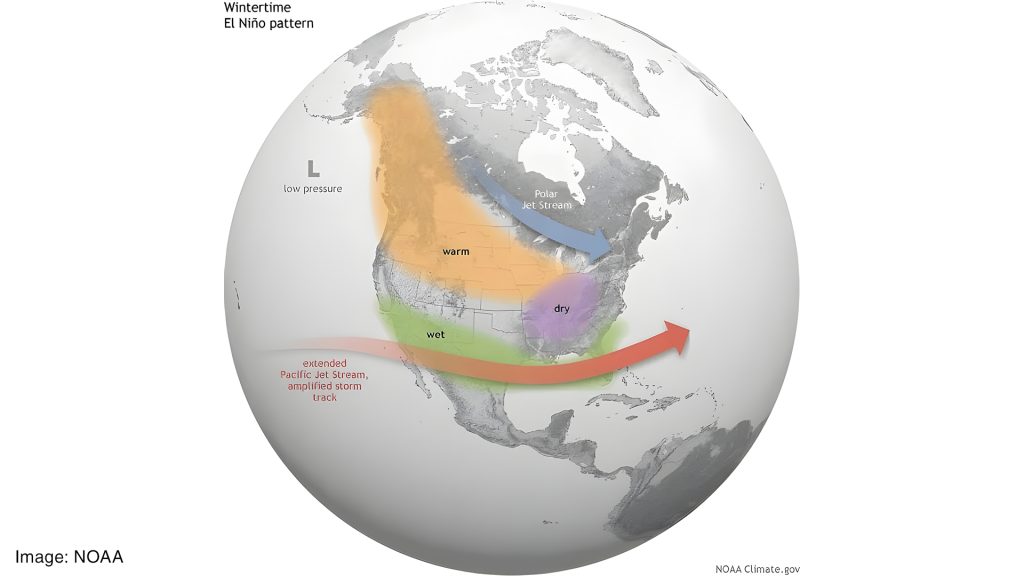
There is another layer building behind all of this. The World Meteorological Organization has said there is a strong chance El Nino will return from mid-2026.

El Nino is a natural warming pattern in the Pacific Ocean, but its effects reach far beyond it. It tends to push global temperatures higher and can shift rainfall patterns in ways that trigger floods in some places and drought in others.

At the same time, the planet is already running hotter than it used to. The Copernicus Climate Change Service reports that recent years have been the warmest on record globally.

That combination matters.

It means the starting point is already high. When additional warming kicks in, it doesn’t take much to push conditions into extremes.

That’s why heatwaves are starting to overlap across regions instead of appearing one at a time.

What next

Cities are going to have to adjust quickly.

Reliable electricity becomes critical during heatwaves, not optional. Access to water becomes a safety issue. Public cooling spaces, shaded areas, and emergency response systems become essential, especially for people who cannot stay indoors.

Some cities are beginning to adapt. Others are still catching up.

The bigger challenge is how people think about heat. It is still often treated as something seasonal, something expected.

But what is happening now feels different.
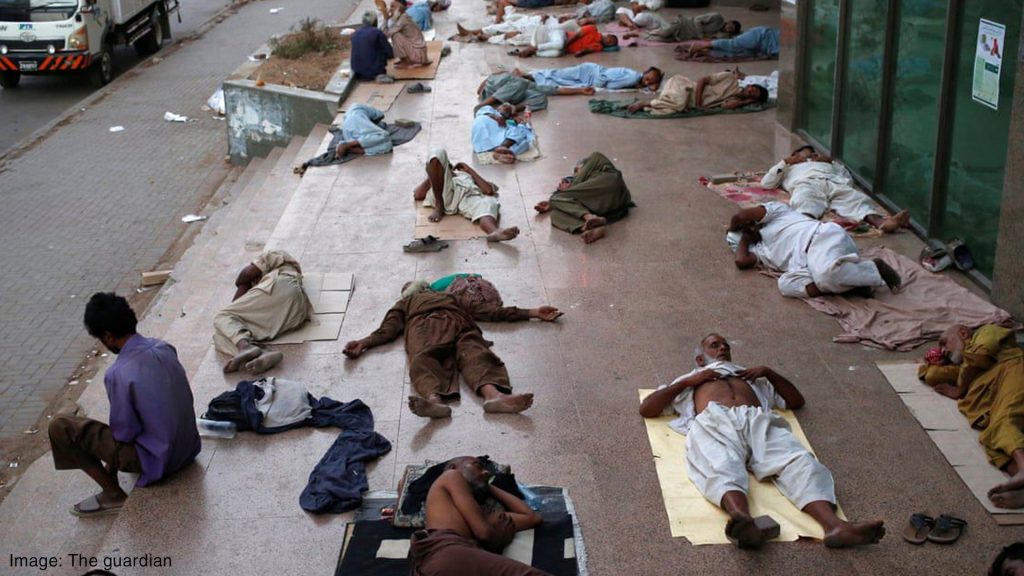
The same kind of heat is showing up in Karachi, Delhi, Cairo, Athens and beyond. Different places, different systems, but people are dealing with the same kind of strain.

And it is happening more often.

Sources: Reuters | BBC | CNN | The Guardian | Dawn | World Meteorological Organization | Copernicus Climate Change Service

#ClimateCrisis #Heatwave #GlobalWarming #ElNino #ExtremeWeather #ClimateChange #WorldNews #Environment #RisingTemperatures #Verum

What’s happening

Heat is rising across multiple regions at the same time, and it’s starting to show up in cities that already struggle to cope with extreme weather.

Karachi crossed 44.1 degrees Celsius this week, with at least 10 deaths reported during the heatwave. But similar conditions are being reported elsewhere. Delhi has been dealing with repeated extreme heat spells in recent seasons. Cairo regularly pushes into the 40s during peak months. Athens and parts of southern Europe have also faced intense summer heat in recent years, with temperatures climbing higher than what used to be considered normal.

These are very different cities, in very different parts of the world. But the experience is starting to look similar.

Why it matters

Heatwaves do not hit all at once. They build through the day and linger through the night.

The problem is not just how hot it gets. It is how long it stays hot, and how little relief people have.

In Karachi, people were dealing with power outages and water shortages at the same time as extreme heat. In Delhi, dense traffic, pollution, and concrete-heavy neighbourhoods trap heat long after sunset. In Cairo, dry air and rising temperatures make daytime exposure dangerous for workers. In Athens, past heatwaves have strained emergency services and led to public health warnings.

Different details. Same pressure.

The human impact tends to follow a pattern. Outdoor workers collapse first. Elderly residents struggle to regulate body temperature. Hospitals begin to fill with heat-related illnesses.

It rarely looks dramatic in the moment. But it adds up quickly.

Bigger picture

There is another layer building behind all of this. The World Meteorological Organization has said there is a strong chance El Nino will return from mid-2026.

El Nino is a natural warming pattern in the Pacific Ocean, but its effects reach far beyond it. It tends to push global temperatures higher and can shift rainfall patterns in ways that trigger floods in some places and drought in others.

At the same time, the planet is already running hotter than it used to. The Copernicus Climate Change Service reports that recent years have been the warmest on record globally.

That combination matters.

It means the starting point is already high. When additional warming kicks in, it doesn’t take much to push conditions into extremes.

That’s why heatwaves are starting to overlap across regions instead of appearing one at a time.

What next

Cities are going to have to adjust quickly.

Reliable electricity becomes critical during heatwaves, not optional. Access to water becomes a safety issue. Public cooling spaces, shaded areas, and emergency response systems become essential, especially for people who cannot stay indoors.

Some cities are beginning to adapt. Others are still catching up.

The bigger challenge is how people think about heat. It is still often treated as something seasonal, something expected.

But what is happening now feels different.

The same kind of heat is showing up in Karachi, Delhi, Cairo, Athens and beyond. Different places, different systems, but people are dealing with the same kind of strain.

And it is happening more often.

Sources: Reuters | BBC | CNN | The Guardian | Dawn | World Meteorological Organization | Copernicus Climate Change Service

#ClimateCrisis #Heatwave #GlobalWarming #ElNino #ExtremeWeather #ClimateChange #WorldNews #Environment #RisingTemperatures #Verum

spot_img

Explore more

spot_img
Health

A Supplement Millions Trust Is Now Linked To Faster Alzheimer’s Decline.

Trump Tried To Cut China Off. China Built The Fastest Machine...

The UAE’s Great Betrayal: How Abu Dhabi Played the Muslim World

British Muslims Say They No Longer Feel Safe. The Attacks Are...

Britain Is Getting Its Seventh Prime Minister In A Decade.

Pakistan Helped Build A Peace Roadmap in Switzerland. Isr*el And Its...

The Lebanon Ceasefire Was Supposed To Stop The Strikes. It Barely...

The Plan To End Al-Aqsa Has Already Started.