One Strike Killed Four Generations. A Year And A Half Later, Survivors Are Still Finding Bones.

The Building That Held Four Generations

The Abu Naser family had lived in the same five story building in Beit Lahia since 1988. By late October 2024, as northern Gaza came under one of the war’s heaviest offensives, more than 200 relatives were sheltering inside. Shoemakers, electricians, grandparents, university students, mothers, fathers, and young children from four generations of the same family, gathered under one roof.

The Israeli military had dropped evacuation leaflets across the area and said it was targeting Hamas fighters regrouping nearby. But survivors say escape had already become nearly impossible. Drones filled the sky, heavy firing surrounded the neighborhood, and after a strike hit the house next door, debris crashed into the Abu Naser building and blocked the stairwell with rubble.

Hours later, around 4 a.m. on October 29, 2024, the main strike hit.
One Night That Destroyed A Family

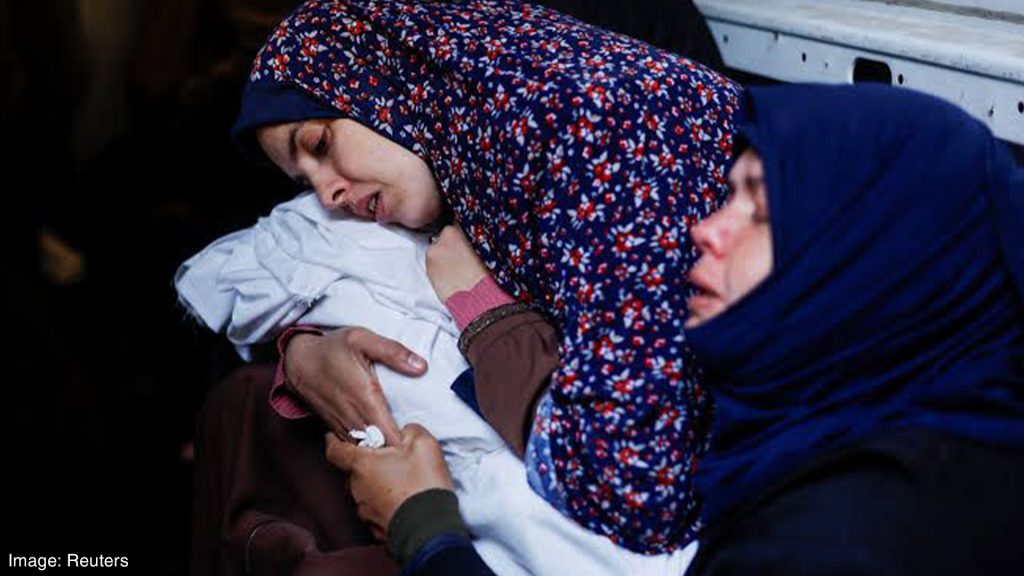
The explosion buried entire branches of the Abu Naser family beneath concrete and dust. NPR later documented that at least 132 members of the family were killed alongside two friends sheltering with them. More than 40 others were wounded. According to Airwars, which tracks civilian harm in conflict zones, it was among the three deadliest strikes involving a single family during the Gaza war.

Ten nuclear families were completely wiped out.

More than 40 percent of the dead were children. The youngest victim was six week old Sham Abu Naser. Her father buried the baby beside her mother in the same shroud. Among the dead were two pregnant women, Israa and Dina Abu Naser. The eldest victims were 79 year old Issa Abu Naser and his 75 year old sister Amneh.

One survivor, 32 year old Waseem Abu Naser, lost his wife, father, grandfather, and four of his five siblings. Trapped beneath the rubble with his seven year old son, he later recalled hearing the boy whisper, “Dad, I’m suffocating.”

The Questions Still Hanging Over The Strike

The Israeli military said the strike targeted an “enemy spotter” on the roof who posed a threat to troops nearby. A senior Israeli commander later told NPR the military did not know the building was full of civilians, and said it would not have been struck had they known.

Israel has not publicly released visual evidence for the target. The incident remains under review.

The U.S. State Department called the strike a “horrifying incident” and asked Israel for an explanation. It told NPR it never received one.

Satellite imagery later showed that continued bombing nearly erased what remained of the surrounding neighborhood.

The Woman Who Wrote Down Every Name

Over the following year and a half, Ola Abu Naser carefully documented every family member killed in the strike. Using green ink, she wrote names and ages in small neat rows across two pages. From grandparents to babies, she turned the dead into a handwritten archive so they would not disappear into casualty numbers.

While rescue crews struggled to enter northern Gaza because of the siege, survivors and neighbors buried more than 100 relatives in mass graves themselves before fleeing south days later.

Searching The Rubble For Bones

In May 2026, survivors returned to the ruins for one of the first major recovery missions beneath the collapsed building. By then, many victims were no longer recognizable bodies but skeletons still wrapped inside their clothing.

There are no functioning DNA tests left in Gaza. Survivors identified relatives through jackets, hair, shoes, and memory.

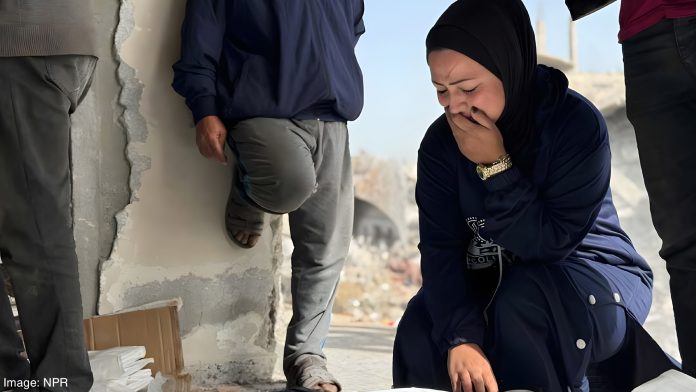
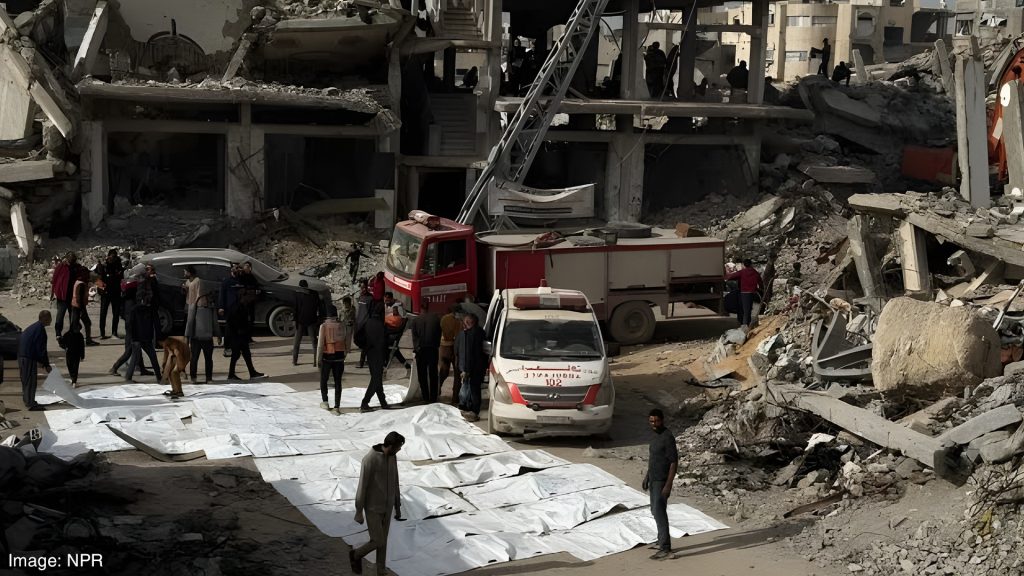
Rescue workers searched by smell, kneeling beside cracks in the rubble and breathing into the dust to locate corpses beneath the concrete. After 90 minutes, they uncovered 60 year old Shawqi Abu Naser, identified only through the jacket he was still wearing.
On another day, crews found the body of a mother lying beneath a red blanket on a mattress, still holding her baby in her arms.

Ola identified her 16 year old brother Imad only by his hair and the broken glasses still resting on his skull.

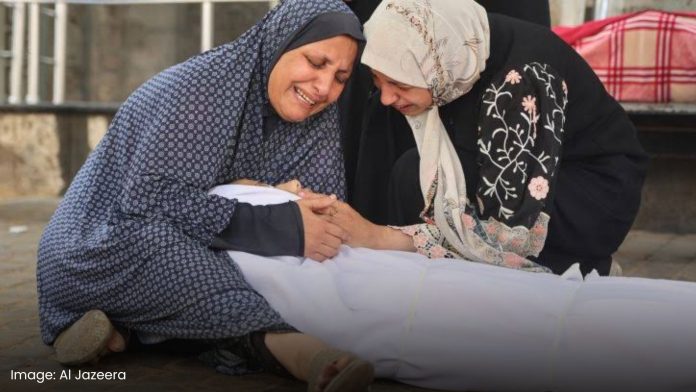
At the end of the mission, 50 white body bags lay side by side in the dirt. Survivors dug fresh graves and lowered bags of bones into the ground.

What Remains Now

Today, surviving members of the Abu Naser family live near the ruins of the building where four generations once gathered together. Behind them hangs a poster reading: “Here are the martyrs of the Abu Naser family massacre.”

Some relatives, they say, are still buried beneath the rubble.

Sources: NPR Investigation | NPR Follow-Up Report | Airwars

#GazaGenocide #AbuNaser #BeitLahia #Gaza #Palestine #MiddleEast #HumanRights #NeverForget #WarCrimes #Verum
The Building That Held Four Generations

The Abu Naser family had lived in the same five story building in Beit Lahia since 1988. By late October 2024, as northern Gaza came under one of the war’s heaviest offensives, more than 200 relatives were sheltering inside. Shoemakers, electricians, grandparents, university students, mothers, fathers, and young children from four generations of the same family, gathered under one roof.

The Israeli military had dropped evacuation leaflets across the area and said it was targeting Hamas fighters regrouping nearby. But survivors say escape had already become nearly impossible. Drones filled the sky, heavy firing surrounded the neighborhood, and after a strike hit the house next door, debris crashed into the Abu Naser building and blocked the stairwell with rubble.

Hours later, around 4 a.m. on October 29, 2024, the main strike hit.

One Night That Destroyed A Family

The explosion buried entire branches of the Abu Naser family beneath concrete and dust. NPR later documented that at least 132 members of the family were killed alongside two friends sheltering with them. More than 40 others were wounded. According to Airwars, which tracks civilian harm in conflict zones, it was among the three deadliest strikes involving a single family during the Gaza war.

Ten nuclear families were completely wiped out.

More than 40 percent of the dead were children. The youngest victim was six week old Sham Abu Naser. Her father buried the baby beside her mother in the same shroud. Among the dead were two pregnant women, Israa and Dina Abu Naser. The eldest victims were 79 year old Issa Abu Naser and his 75 year old sister Amneh.

One survivor, 32 year old Waseem Abu Naser, lost his wife, father, grandfather, and four of his five siblings. Trapped beneath the rubble with his seven year old son, he later recalled hearing the boy whisper, “Dad, I’m suffocating.”

The Questions Still Hanging Over The Strike

The Israeli military said the strike targeted an “enemy spotter” on the roof who posed a threat to troops nearby. A senior Israeli commander later told NPR the military did not know the building was full of civilians, and said it would not have been struck had they known.

Israel has not publicly released visual evidence for the target. The incident remains under review.

The U.S. State Department called the strike a “horrifying incident” and asked Israel for an explanation. It told NPR it never received one.

Satellite imagery later showed that continued bombing nearly erased what remained of the surrounding neighborhood.

The Woman Who Wrote Down Every Name

Over the following year and a half, Ola Abu Naser carefully documented every family member killed in the strike. Using green ink, she wrote names and ages in small neat rows across two pages. From grandparents to babies, she turned the dead into a handwritten archive so they would not disappear into casualty numbers.

While rescue crews struggled to enter northern Gaza because of the siege, survivors and neighbors buried more than 100 relatives in mass graves themselves before fleeing south days later.

Searching The Rubble For Bones

In May 2026, survivors returned to the ruins for one of the first major recovery missions beneath the collapsed building. By then, many victims were no longer recognizable bodies but skeletons still wrapped inside their clothing.

There are no functioning DNA tests left in Gaza. Survivors identified relatives through jackets, hair, shoes, and memory.

Rescue workers searched by smell, kneeling beside cracks in the rubble and breathing into the dust to locate corpses beneath the concrete. After 90 minutes, they uncovered 60 year old Shawqi Abu Naser, identified only through the jacket he was still wearing.

On another day, crews found the body of a mother lying beneath a red blanket on a mattress, still holding her baby in her arms.

Ola identified her 16 year old brother Imad only by his hair and the broken glasses still resting on his skull.

At the end of the mission, 50 white body bags lay side by side in the dirt. Survivors dug fresh graves and lowered bags of bones into the ground.

What Remains Now

Today, surviving members of the Abu Naser family live near the ruins of the building where four generations once gathered together. Behind them hangs a poster reading: “Here are the martyrs of the Abu Naser family massacre.”

Some relatives, they say, are still buried beneath the rubble.

Sources: NPR Investigation | NPR Follow-Up Report | Airwars

#GazaGenocide #AbuNaser #BeitLahia #Gaza #Palestine #MiddleEast #HumanRights #NeverForget #WarCrimes #Verum
spot_img

Explore more

spot_img
Health

A Supplement Millions Trust Is Now Linked To Faster Alzheimer’s Decline.

Trump Tried To Cut China Off. China Built The Fastest Machine...

The UAE’s Great Betrayal: How Abu Dhabi Played the Muslim World

British Muslims Say They No Longer Feel Safe. The Attacks Are...

Britain Is Getting Its Seventh Prime Minister In A Decade.

Pakistan Helped Build A Peace Roadmap in Switzerland. Isr*el And Its...

The Lebanon Ceasefire Was Supposed To Stop The Strikes. It Barely...

The Plan To End Al-Aqsa Has Already Started.