A RABBI RULED SETTLERS CAN TAKE PALESTINIAN OLIVES. By Shizza Umer

Israeli Rabbi Dov Lior Permits Settlers to Harvest Palestinian Olives

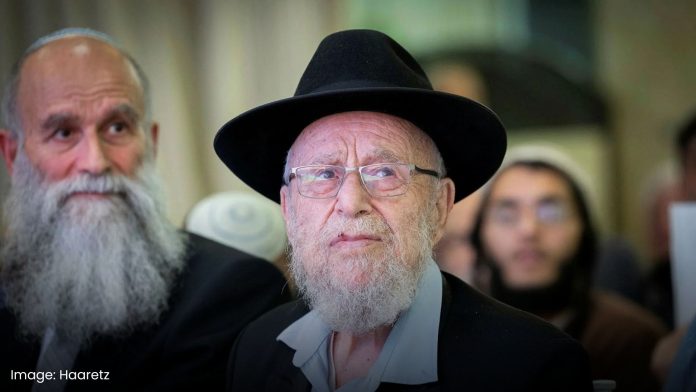
On October 16, 2026, Israeli Rabbi Dov Lior issued a religious ruling permitting Jews to harvest olives from Palestinian groves in the occupied West Bank.

The 92-year-old rabbi argued that harvesting the fruit demonstrated Jewish ownership of the land and fulfilled a religious commandment to conquer it.

His position was not simply that taking the olives was permissible. He claimed that “the Arabs never purchased the land” from the Jewish people in the first place.

The ruling came during an olive-harvest season already marked by settler attacks, restricted access to farmland and growing threats to Palestinian livelihoods.

Blocked From Their Trees, Then Accused of Abandoning Them

The most striking part of Lior’s reasoning concerns Palestinian farmers prevented from reaching their own groves.

In the original ruling published on October 16, Lior argued that farmers barred from accessing their land by Israeli security restrictions could be treated as having abandoned their olives.

Those restrictions, under his interpretation, become a justification for someone else harvesting the fruit.

He also claimed Palestinian farmers had already received compensation through harvests consumed in previous years, and extended his permission even to olive groves far from Israeli settlements.

The consequence of that argument is stark: a farmer can be prevented from reaching the trees and then have that enforced absence used to justify taking the harvest.

The Rabbi Who Eulogised the Hebron Massacre Perpetrator

Lior belongs to the hardline wing of Israel’s religious-Zionist movement and formerly served as chief rabbi of Kiryat Arba, an Israeli settlement near Hebron.

His history includes a deeply controversial episode from 1994.

During Ramadan, Baruch Goldstein killed 29 Palestinian worshippers at Hebron’s Ibrahimi Mosque as they gathered for dawn prayers.

Lior subsequently delivered a eulogy at Goldstein’s funeral, describing him as someone full of love for fellow human beings.

In 2011, Israeli police questioned Lior over suspected incitement following his endorsement of Torat HaMelech, a religious book that justified killing non-Jews under certain circumstances.

That history gives the latest ruling significance beyond a disagreement over agricultural produce.
Israeli Rabbis Reject the Ruling as Theft

Lior’s position has faced opposition from within Israel’s religious establishment.

The Tzohar rabbinical organisation, representing approximately 800 Orthodox rabbis, condemned the ruling, insisting that the prohibition against theft applies to Jews and non-Jews alike.

Rabbis in the Gush Etzion settlement bloc had also condemned taking Palestinian olives earlier that week, before Lior issued his ruling.

On October 18, Rabbis for Human Rights filed a police complaint accusing Lior of stirring racial hatred and encouraging property theft.

The following day, Israeli police confirmed receiving the complaint and passing it on for examination.

The dispute has therefore moved beyond religious disagreement into a formal complaint now being examined by authorities.

The Human Cost of the West Bank Olive Harvest

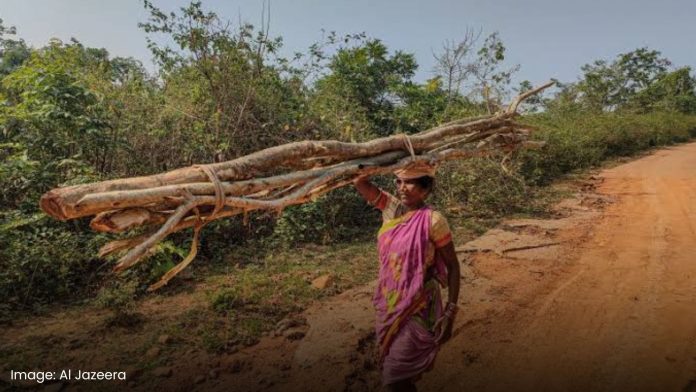
For Palestinian communities, olive cultivation represents income, family inheritance and a longstanding connection to the land.

Approximately 110,000 Palestinian families depend on olive groves, according to the Palestinian Farmers’ Union.

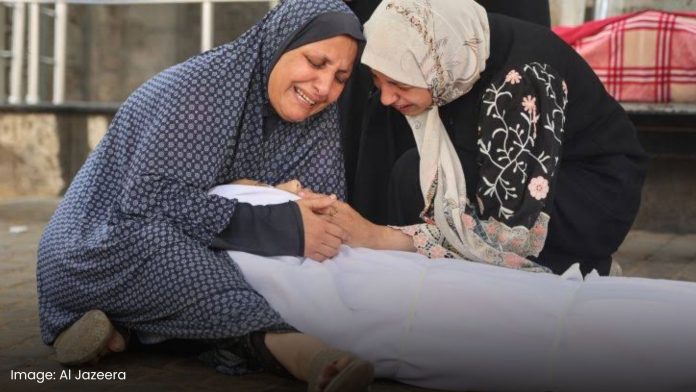
During the 2026 harvest season, at least four Palestinians were killed and more than 100 injured, according to the Palestinian Health Ministry.

The wider crisis includes attacks on farmers, damage to agricultural property and restrictions preventing families from accessing their groves.

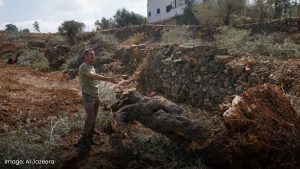
In Qusra, settlers uprooted more than 50 olive trees during the October harvest.

Lior’s ruling introduces another challenge into an already dangerous season: a religious argument that attempts to justify taking produce from land Palestinian families cultivate.

Who Will Protect Palestinian Farmers’ Right to Their Harvest?

The issue is no longer simply who picks the olives.

It is whether farmers can safely reach their land, collect their crops and retain ownership of the harvest they have cultivated.

Lior’s argument exposes a particularly troubling contradiction: restrictions preventing Palestinians from accessing their trees can become the very justification for taking their fruit.

Israeli rabbis have rejected his reasoning. A human-rights organisation has filed a complaint. Police have confirmed that it is being examined.

But the question facing Palestinian farmers remains immediate.

When a family is prevented from reaching its land, who will protect its right to the harvest, and who will be held accountable when that right is violated?
By Shizza Umer


SOURCES

The Times of Israel | Police examining complaint, October 19

The Times of Israel | Rabbi Dov Lior’s ownership ruling

The Times of Israel | Tzohar condemns ruling

Srugim | Original ruling, October 16

The Jerusalem Post | Rabbis for Human Rights complaint

Al Jazeera | Ruling and rabbinical opposition

Al Jazeera | Remembering the Ibrahimi Mosque massacre

My Jewish Learning | Baruch Goldstein

Jewish Telegraphic Agency | Lior questioned in 2011
PBS NewsHour / Associated Press | Olive harvest attacks

Al Jazeera | Qusra olive-tree attacks

Israeli Rabbi Dov Lior Permits Settlers to Harvest Palestinian Olives

On October 16, 2026, Israeli Rabbi Dov Lior issued a religious ruling permitting Jews to harvest olives from Palestinian groves in the occupied West Bank.

The 92-year-old rabbi argued that harvesting the fruit demonstrated Jewish ownership of the land and fulfilled a religious commandment to conquer it.

His position was not simply that taking the olives was permissible. He claimed that “the Arabs never purchased the land” from the Jewish people in the first place.

The ruling came during an olive-harvest season already marked by settler attacks, restricted access to farmland and growing threats to Palestinian livelihoods.

Blocked From Their Trees, Then Accused of Abandoning Them

The most striking part of Lior’s reasoning concerns Palestinian farmers prevented from reaching their own groves.

In the original ruling published on October 16, Lior argued that farmers barred from accessing their land by Israeli security restrictions could be treated as having abandoned their olives.

Those restrictions, under his interpretation, become a justification for someone else harvesting the fruit.

He also claimed Palestinian farmers had already received compensation through harvests consumed in previous years, and extended his permission even to olive groves far from Israeli settlements.

The consequence of that argument is stark: a farmer can be prevented from reaching the trees and then have that enforced absence used to justify taking the harvest.

The Rabbi Who Eulogised the Hebron Massacre Perpetrator

Lior belongs to the hardline wing of Israel’s religious-Zionist movement and formerly served as chief rabbi of Kiryat Arba, an Israeli settlement near Hebron.

His history includes a deeply controversial episode from 1994.

During Ramadan, Baruch Goldstein killed 29 Palestinian worshippers at Hebron’s Ibrahimi Mosque as they gathered for dawn prayers.

Lior subsequently delivered a eulogy at Goldstein’s funeral, describing him as someone full of love for fellow human beings.

In 2011, Israeli police questioned Lior over suspected incitement following his endorsement of Torat HaMelech, a religious book that justified killing non-Jews under certain circumstances.

That history gives the latest ruling significance beyond a disagreement over agricultural produce.

Israeli Rabbis Reject the Ruling as Theft

Lior’s position has faced opposition from within Israel’s religious establishment.

The Tzohar rabbinical organisation, representing approximately 800 Orthodox rabbis, condemned the ruling, insisting that the prohibition against theft applies to Jews and non-Jews alike.

Rabbis in the Gush Etzion settlement bloc had also condemned taking Palestinian olives earlier that week, before Lior issued his ruling.

On October 18, Rabbis for Human Rights filed a police complaint accusing Lior of stirring racial hatred and encouraging property theft.

The following day, Israeli police confirmed receiving the complaint and passing it on for examination.

The dispute has therefore moved beyond religious disagreement into a formal complaint now being examined by authorities.

The Human Cost of the West Bank Olive Harvest

For Palestinian communities, olive cultivation represents income, family inheritance and a longstanding connection to the land.

Approximately 110,000 Palestinian families depend on olive groves, according to the Palestinian Farmers’ Union.

During the 2026 harvest season, at least four Palestinians were killed and more than 100 injured, according to the Palestinian Health Ministry.

The wider crisis includes attacks on farmers, damage to agricultural property and restrictions preventing families from accessing their groves.

In Qusra, settlers uprooted more than 50 olive trees during the October harvest.

Lior’s ruling introduces another challenge into an already dangerous season: a religious argument that attempts to justify taking produce from land Palestinian families cultivate.

Who Will Protect Palestinian Farmers’ Right to Their Harvest?

The issue is no longer simply who picks the olives.

It is whether farmers can safely reach their land, collect their crops and retain ownership of the harvest they have cultivated.

Lior’s argument exposes a particularly troubling contradiction: restrictions preventing Palestinians from accessing their trees can become the very justification for taking their fruit.

Israeli rabbis have rejected his reasoning. A human-rights organisation has filed a complaint. Police have confirmed that it is being examined.

But the question facing Palestinian farmers remains immediate.

When a family is prevented from reaching its land, who will protect its right to the harvest, and who will be held accountable when that right is violated?

By Shizza Umer


SOURCES

The Times of Israel | Police examining complaint, October 19

The Times of Israel | Rabbi Dov Lior’s ownership ruling

The Times of Israel | Tzohar condemns ruling

Srugim | Original ruling, October 16

The Jerusalem Post | Rabbis for Human Rights complaint

Al Jazeera | Ruling and rabbinical opposition

Al Jazeera | Remembering the Ibrahimi Mosque massacre

My Jewish Learning | Baruch Goldstein

Jewish Telegraphic Agency | Lior questioned in 2011

PBS NewsHour / Associated Press | Olive harvest attacks

Al Jazeera | Qusra olive-tree attacks

spot_img

Explore more

spot_img
Uncategorized

TEHRAN PUT ‘TRUMP’ BEHIND BARS. BUT WHY?

A CRITIC OF RWANDA’S PRESIDENT HAS BEEN FOUND BEHEADED IN UGANDA....

A WOMAN DIED IN FEBRUARY. EIGHT MONTHS LATER, HER NAME APPROVED...

ISR.ELI SPYWARE COULD HACK YOUR PHONE THROUGH AN AD YOU NEVER...

SHE HELD HER NEWBORN WITH ONE ARM. SHE WAS STILL SHACKLED.

ISRAEL DESTROYED GAZA’S COURTS. NOW WIDOWS ARE LOSING MORE THAN THEIR...

ELON MUSK’S DARKEST SECRETS? THE NEW DOCUMENTARY GOES BEHIND THE EMPIRE.

EGYPT ACCUSED OF BOMBING SUDANESE GOLD MINERS. AGAIN.