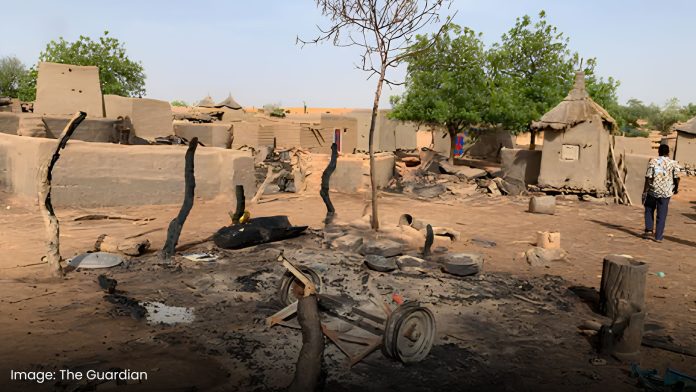
At least 48 civilians were reportedly killed in eastern Mali over the weekend in attacks attributed to Islamic State-linked militants, according the reports published on October 20. The violence struck several localities in the Ménaka region, where armed-group activity and displacement have made civilian life increasingly precarious. The death toll was still being assessed, with sources providing provisional estimates ranging from 48 to more than 70.
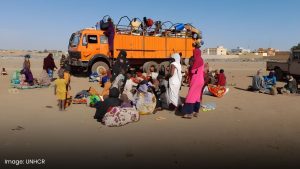
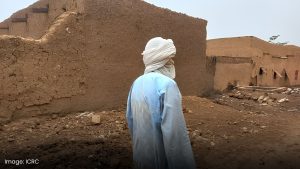
According to security sources and local officials , fighters from Islamic State Sahel Province attacked at least five localities, setting houses on fire and stealing livestock. Some victims reportedly died in fires, while others were shot. Hundreds of civilians fled toward Ménaka town.
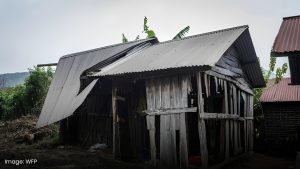
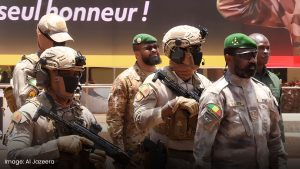
The attacks appear to have followed alleged abuses by pro-government forces against people suspected of informing for Islamic State. Sources told Reuters that members of a pro-government militia, accompanied by the Malian army and Russia’s Africa Corps, had allegedly killed around a dozen people, burned homes and stolen property during operations the previous week. These claims remain allegations attributed to sources. A Malian military spokesperson and Russia’s embassy in Bamako did not respond to Reuters’ requests for comment on the latest incident.
The reported sequence illustrates how civilians can become vulnerable to violence by multiple armed actors. Allegations of abuses by pro-government forces do not justify attacks on civilians, just as the threat posed by armed groups cannot excuse indiscriminate or unlawful counterinsurgency operations.
A region already facing displacement
Ménaka lies in northeastern Mali, near the borders connecting the wider Sahel region. It has long been affected by armed-group activity, competition over territory and supply routes, and recurring displacement. In an update published on August 31, 2026, the UN Department of Safety and Security described Ménaka as an epicentre of displacement and insecurity. Families displaced from elsewhere in Mali and neighbouring Niger continued arriving, while humanitarian access remained difficult.
The UN account also highlighted the basic needs of displaced people, including food and education. For families fleeing fresh attacks, losing homes and livestock can mean losing both shelter and their means of earning a living. Displacement into an already strained town can also increase pressure on humanitarian services.
An expanding security crisis
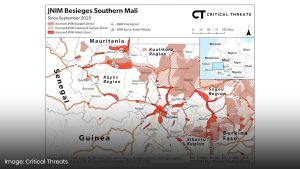
Mali has been fighting armed insurgencies since 2012. The latest violence comes amid intensifying clashes between Islamic State Sahel Province and Jama’at Nusrat al-Islam wal-Muslimin (JNIM), an al-Qaeda-linked group. These rival organisations are fighting for influence and control across parts of the Sahel, compounding insecurity for communities caught between them.
Concerns also extend to counterinsurgency operations. In a report published on October 19, Human Rights Watch documented civilian deaths and other alleged abuses linked to Malian forces and their Russian allies. The Malian military and Russian embassy did not respond to the report’s requests for comment, according to Reuters.
These separate reports point to a broader problem: military operations and armed-group attacks are both raising grave concerns about civilian safety. Protecting people requires more than defeating an armed opponent. It also requires credible investigations into alleged abuses, adherence to international humanitarian law, and practical measures to prevent civilians from being targeted.
The urgent priority: civilian protection
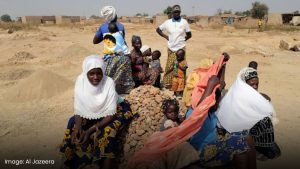
The final death toll from the Ménaka attacks remains uncertain. What is clear from the available reporting is that civilians have been killed, homes and livestock have been lost, and hundreds of people have reportedly fled. The immediate response must include safe access to humanitarian assistance, protection for displaced families, and credible investigations into allegations against all parties.
For people living in Ménaka, security cannot be measured solely by military operations or territorial control. It must also mean being able to remain in one’s home without fear of attack, displacement or collective punishment.
REFERENCES
https://www.cfr.org/global-conflict-tracker/conflict/violent-extremism-sahel