AI & Killer Robots: The Future of War

AI and Killer Robots: How Technology Is Transforming the Future of War

Maryam Tariq

Warfare Is Rapidly Entering the AI Age

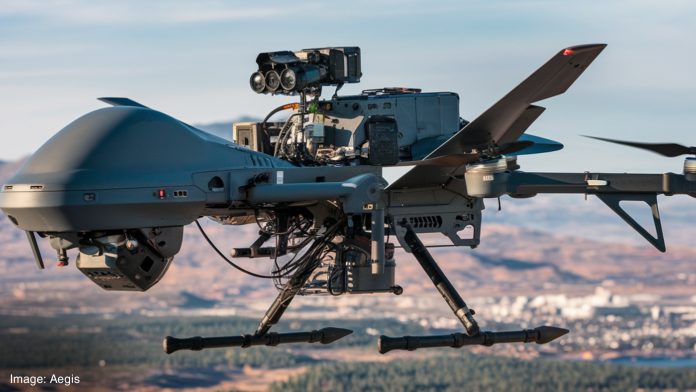
Modern warfare is evolving at an unprecedented pace, with artificial intelligence, autonomous drones, and advanced missile systems increasingly shaping conflicts around the world. The Russia-Ukraine war has become one of the clearest examples of how future wars may be fought — combining traditional trench warfare with cutting-edge military technology.

Across the battlefield, low-cost drones equipped with AI-assisted targeting systems are being used for surveillance, attacks, and tactical coordination. Military experts believe these technologies are changing the balance of power by allowing smaller forces to challenge larger armies more effectively.

Global Powers Are Accelerating the Arms Race

Countries around the world are heavily investing in next-generation military systems. Russia has showcased hypersonic missiles, while Israel has developed laser defence systems designed to intercept aerial threats. China is also advancing anti-satellite weapons and autonomous military technologies.

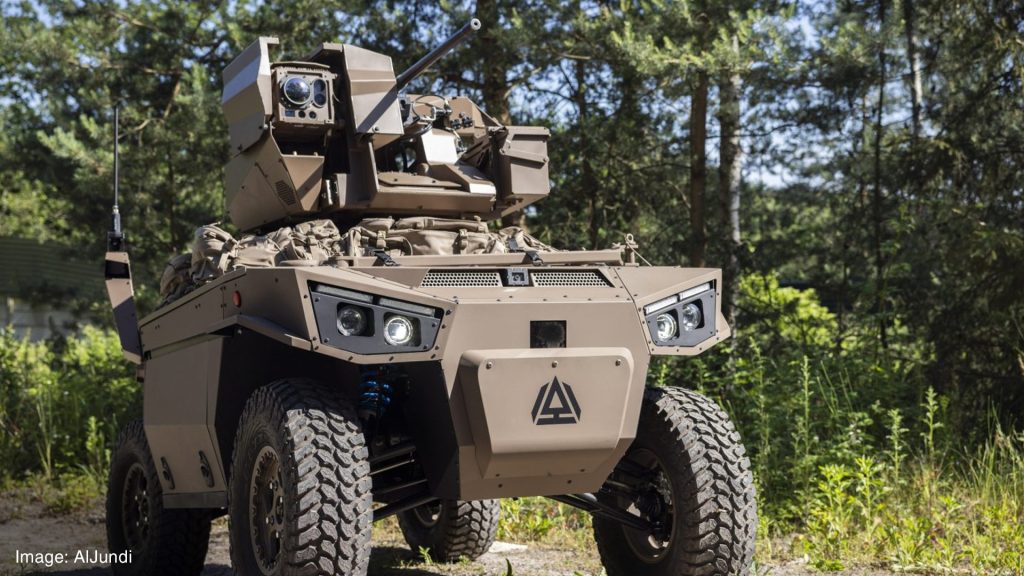
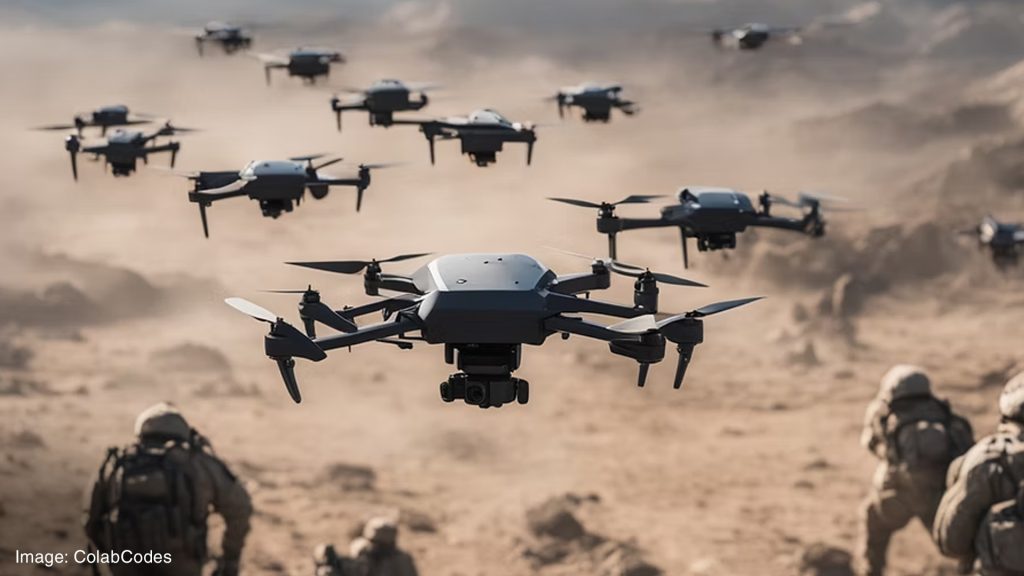
In France, defence researchers and military strategists are reportedly studying futuristic warfare scenarios involving AI, robotics, and automated combat systems. Meanwhile, companies are developing autonomous military convoys and coordinated drone swarms capable of carrying out complex operations with minimal human control.
Ethical and Legal Concerns Growing

The rise of autonomous weapons has sparked major ethical debates. Critics warn that AI-powered weapons capable of selecting and attacking targets without direct human oversight could create serious humanitarian risks.

Experts argue the world may soon face difficult questions about accountability, civilian protection, and the role machines should play in life-and-death decisions during war.

Sources: France 24 / Reuters / Associated Press / BBC News

AI and Killer Robots: How Technology Is Transforming the Future of War

Maryam Tariq

Warfare Is Rapidly Entering the AI Age

Modern warfare is evolving at an unprecedented pace, with artificial intelligence, autonomous drones, and advanced missile systems increasingly shaping conflicts around the world. The Russia-Ukraine war has become one of the clearest examples of how future wars may be fought — combining traditional trench warfare with cutting-edge military technology.

Across the battlefield, low-cost drones equipped with AI-assisted targeting systems are being used for surveillance, attacks, and tactical coordination. Military experts believe these technologies are changing the balance of power by allowing smaller forces to challenge larger armies more effectively.

Global Powers Are Accelerating the Arms Race

Countries around the world are heavily investing in next-generation military systems. Russia has showcased hypersonic missiles, while Israel has developed laser defence systems designed to intercept aerial threats. China is also advancing anti-satellite weapons and autonomous military technologies.

In France, defence researchers and military strategists are reportedly studying futuristic warfare scenarios involving AI, robotics, and automated combat systems. Meanwhile, companies are developing autonomous military convoys and coordinated drone swarms capable of carrying out complex operations with minimal human control.

Ethical and Legal Concerns Growing

The rise of autonomous weapons has sparked major ethical debates. Critics warn that AI-powered weapons capable of selecting and attacking targets without direct human oversight could create serious humanitarian risks.

Experts argue the world may soon face difficult questions about accountability, civilian protection, and the role machines should play in life-and-death decisions during war.

Sources: France 24 / Reuters / Associated Press / BBC News
spot_img

Explore more

spot_img
Global Affairs

Chinese Nationals Smuggled Human Tissue Out of Pakistani Hospitals to Sell...

History Is Repeating. A Cold War Soviet Playbook Is Running Across...

Germany’s Power Grid Attacks Fit a Pattern Tied to Ukraine Support

Is the US-Venezuela Oil Deal Really About Gas Prices, or a...

How Ratko Mladic Personally Ignited and Directed the Bosnian Genocide

Kuwait’s New Pact With Pakistan Could Reshape Gulf Alliances, and It’s...

Political Scapegoating: Why Islamophobia Spikes Every Election Cycle

China Calls New US Sanctions on Iran “Illegal,” Answering the Question...