Ceasefire Over. Strikes Resumed. Talks Fractured. Oil Spiking. Here Is Everything That Happened.

The US-Iran Ceasefire Lasted Three Weeks. Here Is What Collapsed, What Remains and What It Means for the World.

Isla Montclair

The Islamabad MOU was supposed to open 60 days of peace negotiations. Instead it produced a brief pause, a disputed violation, 170 airstrikes, ballistic missiles across the Gulf, a 5% oil price spike and a state funeral conducted under American bombs. Here is the full picture of where things stand on July 10, 2026.

How the Ceasefire Died: The Strait of Hormuz

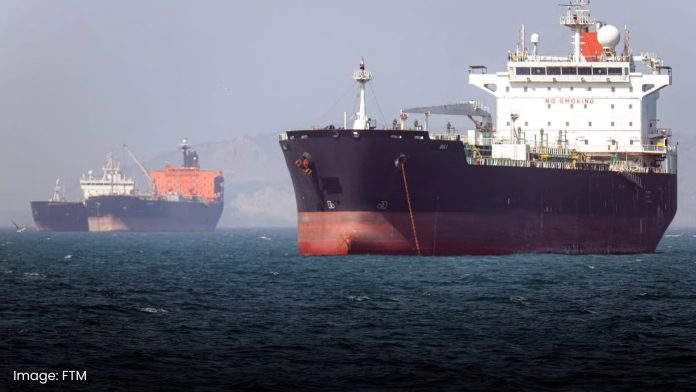
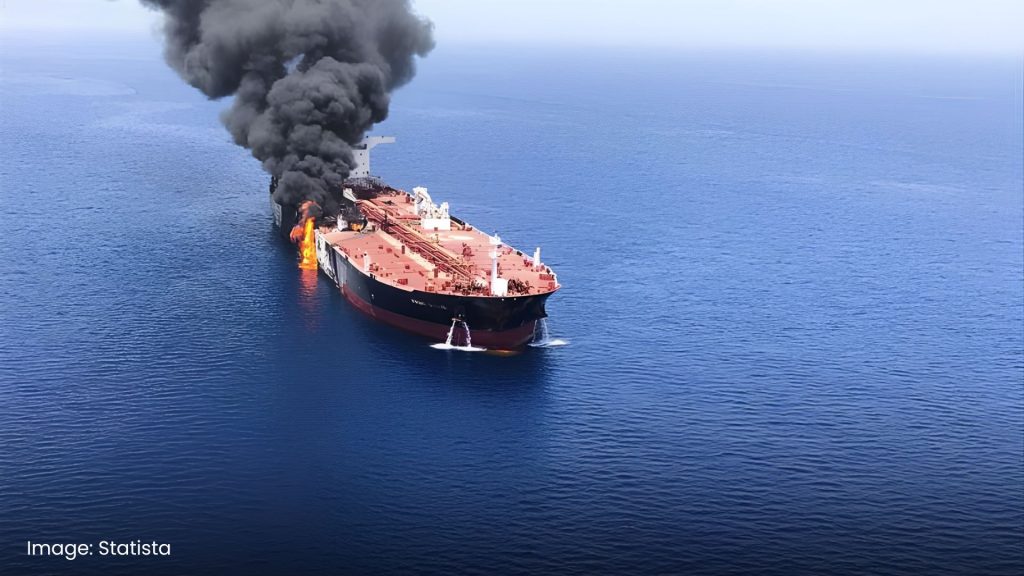
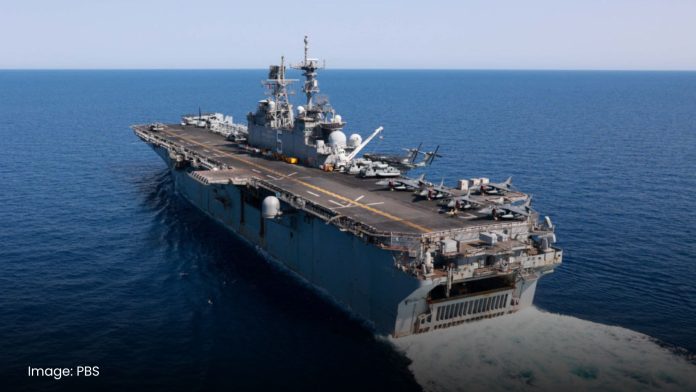
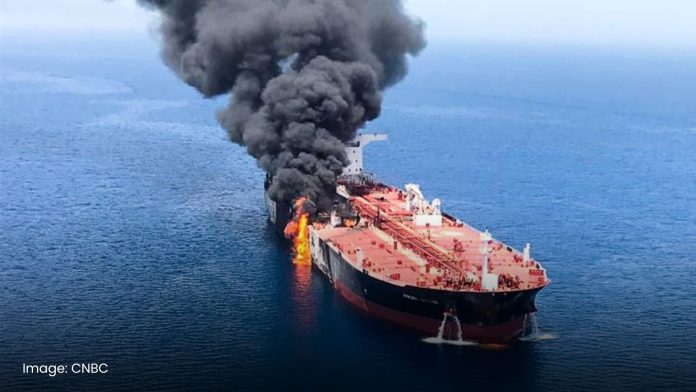
The immediate trigger was a series of attacks on commercial vessels in the Strait of Hormuz. The Pentagon accused Iran of striking three ships, including a Saudi oil tanker and a Qatari LNG vessel, as they attempted to transit the waterway. Iran’s state broadcaster said at least one vessel had ignored warnings from Iranian forces. Iran did not officially claim responsibility.

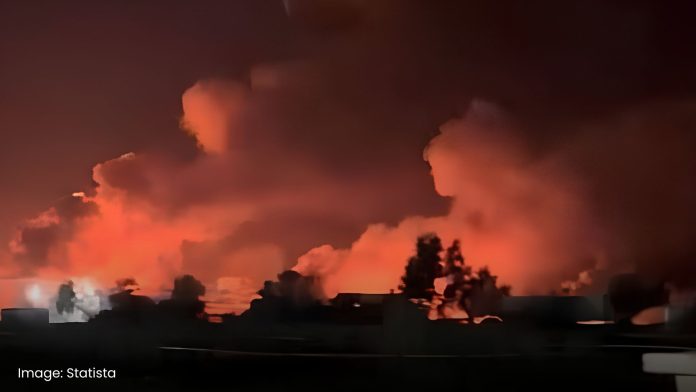
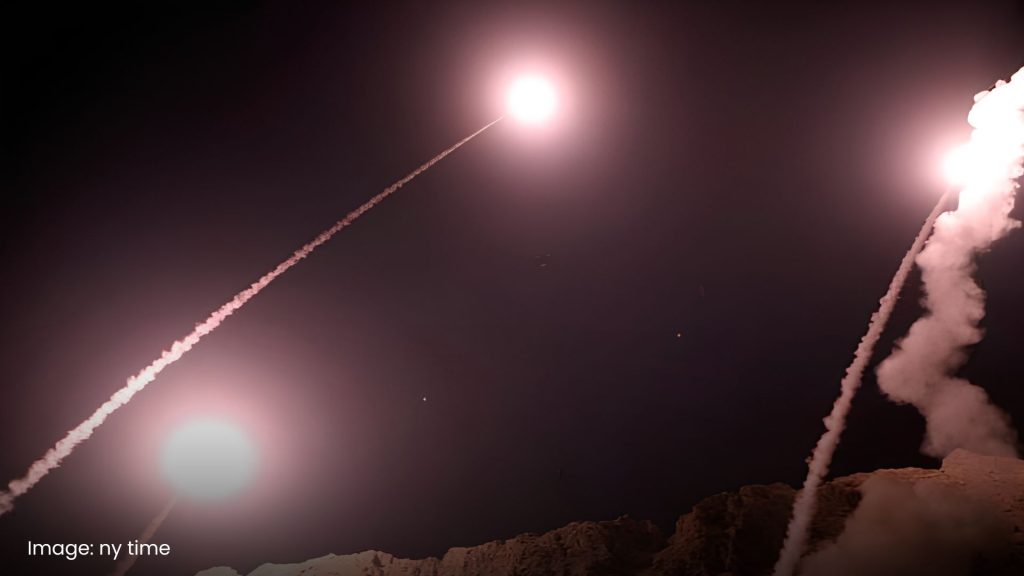
US Central Command responded with a multi-day wave of strikes targeting approximately 170 Iranian military sites. The targets included air defence systems, coastal surveillance networks, drone storage facilities and infrastructure near the Bushehr nuclear plant. The Iranian Health Ministry reported at least 14 people killed and 78 injured. Iran retaliated by launching dozens of drones and ballistic missiles at American military bases in Qatar, Bahrain and Kuwait. Air raid sirens activated across the Gulf region and as far away as Jordan, which intercepted incoming projectiles.

Following the official conclusion of the planned US strike waves, a series of unclaimed airstrikes continued to hit southern Iran on July 10, raising anxieties about the possibility of Israeli involvement alongside the declared US campaign or of further escalation beyond what either side had officially acknowledged.
The Deal Is Dead: Trump, the MOU and the Funeral

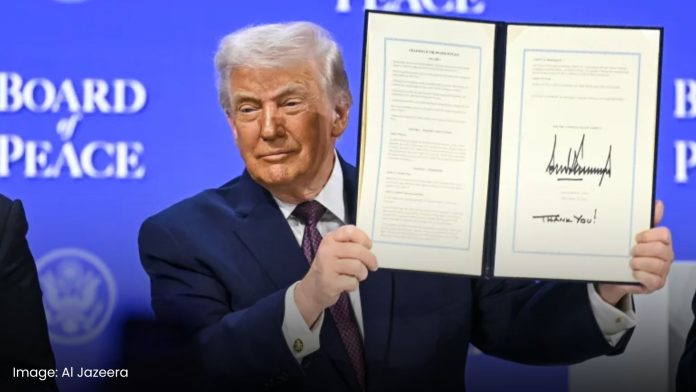
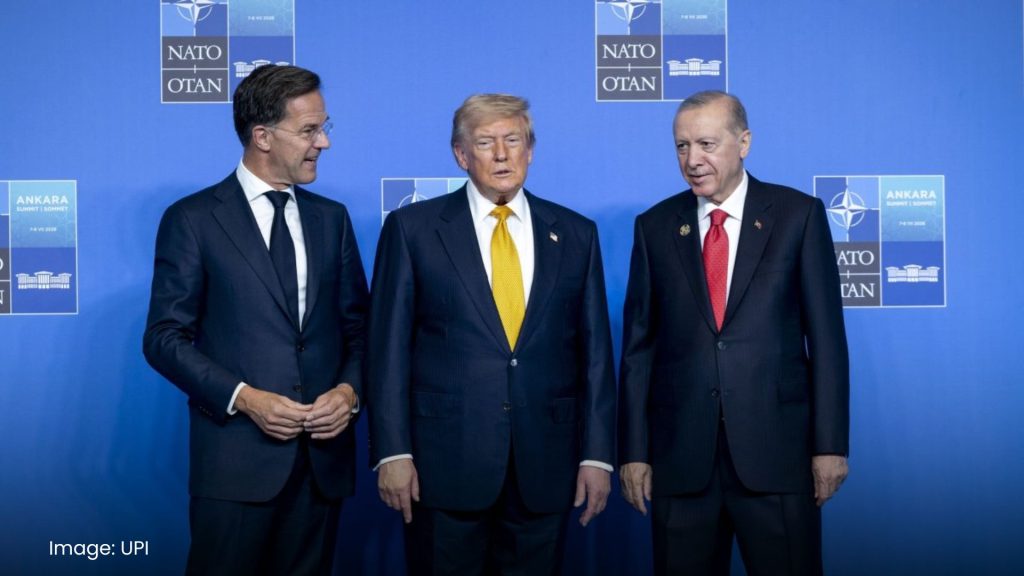
Speaking from the NATO summit in Ankara, Trump declared the Islamabad Memorandum of Understanding officially over. He called Iran’s leaders sick, said it was a waste of time dealing with them, and warned that any further maritime disruptions would face far worse consequences than what Iran had already experienced.

The US Treasury moved immediately, revoking the temporary oil sanction waivers that had been granted to Iran as one of the central economic concessions in the MOU. Those waivers had allowed Iran to export crude oil, petroleum products and related services since the agreement’s signing on June 17. Their removal cuts off Tehran’s petroleum revenue stream and returns Iran to the full economic pressure of pre-MOU sanctions.

Iranian officials expressed particular fury over the timing. The US strikes were authorised as millions of people gathered in the city of Mashhad for the state funeral of Ayatollah Ali Khamenei, Iran’s Supreme Leader, who was killed on the very first day of the conflict on February 28, 2026. Iranian leadership described the strikes during the funeral as a deliberate act of disrespect and political provocation.
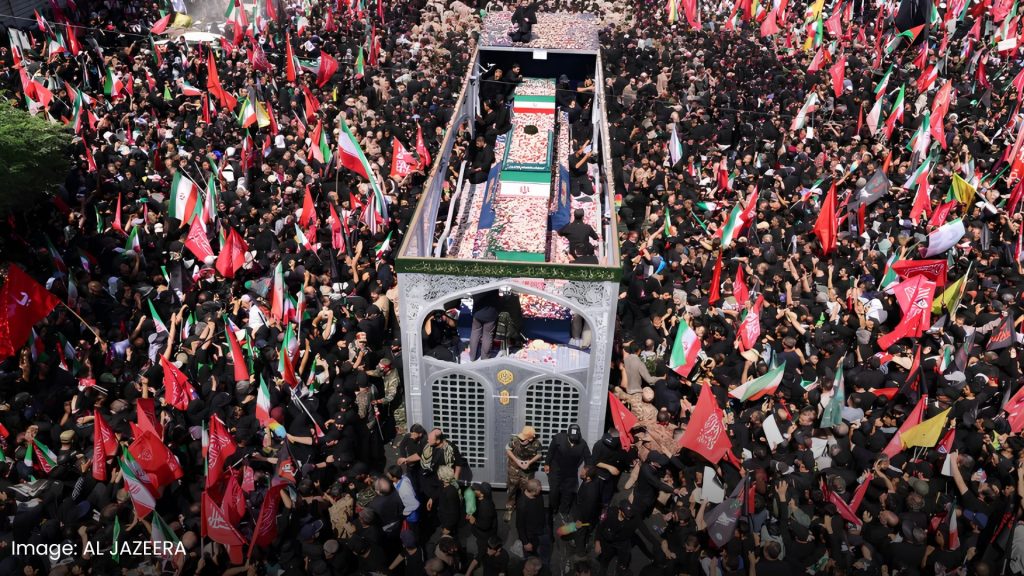
The Islamabad MOU had committed both sides to 60 days of negotiations toward a permanent deal. It was signed with considerable public ceremony and described by Trump at the time as a landmark diplomatic achievement. It lasted 23 days.

The Diplomatic Salvage: Qatar in Tehran

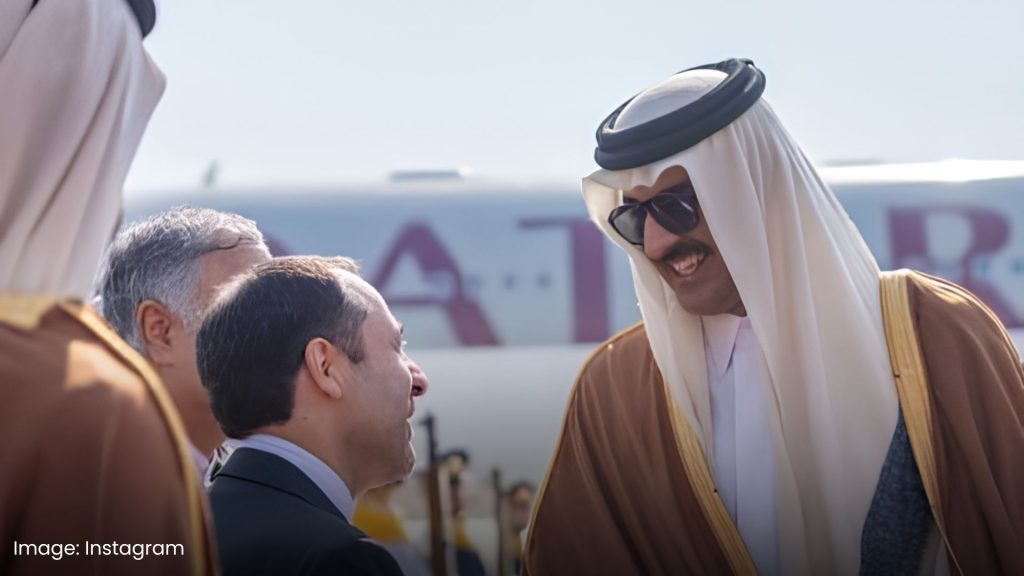
Despite the collapse of the formal ceasefire framework, one diplomatic channel remains active. A Qatari diplomatic delegation arrived in Tehran on July 10, tasked with attempting to salvage the core structure of the MOU before the situation deteriorates further. Qatar has served throughout this conflict as one of the few intermediaries with credibility on both sides, maintaining working relationships with Washington and Tehran simultaneously.

US officials confirmed that while the interim truce is shattered, Washington has agreed to allow technical-level talks to continue behind the scenes. The distinction between the political declaration that the ceasefire is over and the simultaneous continuation of technical negotiations reflects the gap between Trump’s public rhetoric and the actual diplomatic mechanics being maintained by officials below the headline level.

A brief lull in active military strikes on July 10 opened a narrow window for these backroom conversations. Whether that window stays open depends almost entirely on what happens next in and around the Strait of Hormuz. Tanker traffic through the waterway, which had slowly begun to recover during the weeks of the MOU, has collapsed again as shipping firms refuse to send vessels into an active conflict zone.

The Global Economic Fallout

The Strait of Hormuz is the single most important oil shipping lane on earth. Approximately 20% of the world’s oil supply passes through its 33-kilometre width. When that waterway effectively closes, global energy markets feel it immediately and significantly.

The International Energy Agency issued a stark warning that the return to hostilities will prolong the global energy crisis that the initial conflict had already triggered. Oil prices posted a sharp 5% spike in the week following the renewed strikes, with international benchmark Brent crude trading above $78 a barrel. Every day the Strait remains effectively closed to commercial traffic is another day of upward pressure on energy prices globally, feeding through into fuel costs, manufacturing inputs, transport expenses and ultimately household energy bills across every economy that depends on seaborne oil.
The economic consequences of this ceasefire collapse extend well beyond the immediate parties. Japan, South Korea, India and the European Union are among the economies most exposed to disruption in Gulf oil flows. The IEA warning reflects a recognition that what happens in the Strait over the next days and weeks will determine whether the global energy crisis that began in February 2026 deepens further or finds a path to stabilisation.

What Remains and What the Next Phase Looks Like

The structural conditions that produced the Islamabad MOU have not disappeared. Neither side has the appetite for unlimited escalation. Iran cannot sustain the economic pressure of full sanctions reimposition indefinitely. The US has its own domestic political constraints and a NATO alliance that has been openly frustrated by the costs of the Iran war. Qatar, Oman and other Gulf mediators retain their channels and their interest in regional stability.

But the specific framework of the MOU, with its 60-day negotiating window, its oil export waivers and its commitment to maintaining the status quo of Iran’s nuclear program, is broken. Rebuilding a negotiating framework after a mutual exchange of strikes, during a state funeral, with oil sanctions reimposed and both sides blaming the other for the collapse, will be significantly harder than reaching the first agreement was.

The question Al Jazeera posed on July 10 captures the moment precisely: will peace talks ever resume, and when? The honest answer on the basis of current evidence is yes, eventually, because the alternatives are worse for everyone involved. But the path back to a negotiating table from this specific starting point is neither clear nor short.

Sources:

·  Iran war live: Fresh attacks on Iran as US says talks still on, Al Jazeera: https://www.aljazeera.com/news/liveblog/2026/7/10/iran-war-live-fresh-attacks-on-iran-as-us-says-talks-still-on

·  Why have US-Iran strikes resumed and what does it mean for peace talks, Al Jazeera: https://www.aljazeera.com/news/2026/7/8/why-have-us-iran-strikes-resumed-and-what-does-it-mean-for-peace-talks

·  US-Iran war will peace talks ever resume and when, Al Jazeera: https://www.aljazeera.com/news/2026/7/10/us-iran-war-will-peace-talks-ever-resume-and-when

·  US forces complete another round of strikes against Iran, CENTCOM: https://www.centcom.mil/MEDIA/PUBLIC-RELEASES/Article/4538814/us-forces-complete-another-round-of-strikes-against-iran/

·  Iran says it hits US military targets in Gulf prepares to bury slain leader, Reuters: https://www.reuters.com/world/middle-east/iran-says-it-hits-us-military-targets-gulf-prepares-bury-slain-leader-2026-07-09/
The US-Iran Ceasefire Lasted Three Weeks. Here Is What Collapsed, What Remains and What It Means for the World.

Isla Montclair

The Islamabad MOU was supposed to open 60 days of peace negotiations. Instead it produced a brief pause, a disputed violation, 170 airstrikes, ballistic missiles across the Gulf, a 5% oil price spike and a state funeral conducted under American bombs. Here is the full picture of where things stand on July 10, 2026.

How the Ceasefire Died: The Strait of Hormuz

The immediate trigger was a series of attacks on commercial vessels in the Strait of Hormuz. The Pentagon accused Iran of striking three ships, including a Saudi oil tanker and a Qatari LNG vessel, as they attempted to transit the waterway. Iran’s state broadcaster said at least one vessel had ignored warnings from Iranian forces. Iran did not officially claim responsibility.

US Central Command responded with a multi-day wave of strikes targeting approximately 170 Iranian military sites. The targets included air defence systems, coastal surveillance networks, drone storage facilities and infrastructure near the Bushehr nuclear plant. The Iranian Health Ministry reported at least 14 people killed and 78 injured. Iran retaliated by launching dozens of drones and ballistic missiles at American military bases in Qatar, Bahrain and Kuwait. Air raid sirens activated across the Gulf region and as far away as Jordan, which intercepted incoming projectiles.

Following the official conclusion of the planned US strike waves, a series of unclaimed airstrikes continued to hit southern Iran on July 10, raising anxieties about the possibility of Israeli involvement alongside the declared US campaign or of further escalation beyond what either side had officially acknowledged.

The Deal Is Dead: Trump, the MOU and the Funeral

Speaking from the NATO summit in Ankara, Trump declared the Islamabad Memorandum of Understanding officially over. He called Iran’s leaders sick, said it was a waste of time dealing with them, and warned that any further maritime disruptions would face far worse consequences than what Iran had already experienced.

The US Treasury moved immediately, revoking the temporary oil sanction waivers that had been granted to Iran as one of the central economic concessions in the MOU. Those waivers had allowed Iran to export crude oil, petroleum products and related services since the agreement’s signing on June 17. Their removal cuts off Tehran’s petroleum revenue stream and returns Iran to the full economic pressure of pre-MOU sanctions.

Iranian officials expressed particular fury over the timing. The US strikes were authorised as millions of people gathered in the city of Mashhad for the state funeral of Ayatollah Ali Khamenei, Iran’s Supreme Leader, who was killed on the very first day of the conflict on February 28, 2026. Iranian leadership described the strikes during the funeral as a deliberate act of disrespect and political provocation.

The Islamabad MOU had committed both sides to 60 days of negotiations toward a permanent deal. It was signed with considerable public ceremony and described by Trump at the time as a landmark diplomatic achievement. It lasted 23 days.

The Diplomatic Salvage: Qatar in Tehran

Despite the collapse of the formal ceasefire framework, one diplomatic channel remains active. A Qatari diplomatic delegation arrived in Tehran on July 10, tasked with attempting to salvage the core structure of the MOU before the situation deteriorates further. Qatar has served throughout this conflict as one of the few intermediaries with credibility on both sides, maintaining working relationships with Washington and Tehran simultaneously.

US officials confirmed that while the interim truce is shattered, Washington has agreed to allow technical-level talks to continue behind the scenes. The distinction between the political declaration that the ceasefire is over and the simultaneous continuation of technical negotiations reflects the gap between Trump’s public rhetoric and the actual diplomatic mechanics being maintained by officials below the headline level.

A brief lull in active military strikes on July 10 opened a narrow window for these backroom conversations. Whether that window stays open depends almost entirely on what happens next in and around the Strait of Hormuz. Tanker traffic through the waterway, which had slowly begun to recover during the weeks of the MOU, has collapsed again as shipping firms refuse to send vessels into an active conflict zone.

The Global Economic Fallout

The Strait of Hormuz is the single most important oil shipping lane on earth. Approximately 20% of the world’s oil supply passes through its 33-kilometre width. When that waterway effectively closes, global energy markets feel it immediately and significantly.

The International Energy Agency issued a stark warning that the return to hostilities will prolong the global energy crisis that the initial conflict had already triggered. Oil prices posted a sharp 5% spike in the week following the renewed strikes, with international benchmark Brent crude trading above $78 a barrel. Every day the Strait remains effectively closed to commercial traffic is another day of upward pressure on energy prices globally, feeding through into fuel costs, manufacturing inputs, transport expenses and ultimately household energy bills across every economy that depends on seaborne oil.

The economic consequences of this ceasefire collapse extend well beyond the immediate parties. Japan, South Korea, India and the European Union are among the economies most exposed to disruption in Gulf oil flows. The IEA warning reflects a recognition that what happens in the Strait over the next days and weeks will determine whether the global energy crisis that began in February 2026 deepens further or finds a path to stabilisation.

What Remains and What the Next Phase Looks Like

The structural conditions that produced the Islamabad MOU have not disappeared. Neither side has the appetite for unlimited escalation. Iran cannot sustain the economic pressure of full sanctions reimposition indefinitely. The US has its own domestic political constraints and a NATO alliance that has been openly frustrated by the costs of the Iran war. Qatar, Oman and other Gulf mediators retain their channels and their interest in regional stability.

But the specific framework of the MOU, with its 60-day negotiating window, its oil export waivers and its commitment to maintaining the status quo of Iran’s nuclear program, is broken. Rebuilding a negotiating framework after a mutual exchange of strikes, during a state funeral, with oil sanctions reimposed and both sides blaming the other for the collapse, will be significantly harder than reaching the first agreement was.

The question Al Jazeera posed on July 10 captures the moment precisely: will peace talks ever resume, and when? The honest answer on the basis of current evidence is yes, eventually, because the alternatives are worse for everyone involved. But the path back to a negotiating table from this specific starting point is neither clear nor short.

Sources:

·  Iran war live: Fresh attacks on Iran as US says talks still on, Al Jazeera: https://www.aljazeera.com/news/liveblog/2026/7/10/iran-war-live-fresh-attacks-on-iran-as-us-says-talks-still-on

·  Why have US-Iran strikes resumed and what does it mean for peace talks, Al Jazeera: https://www.aljazeera.com/news/2026/7/8/why-have-us-iran-strikes-resumed-and-what-does-it-mean-for-peace-talks

·  US-Iran war will peace talks ever resume and when, Al Jazeera: https://www.aljazeera.com/news/2026/7/10/us-iran-war-will-peace-talks-ever-resume-and-when

·  US forces complete another round of strikes against Iran, CENTCOM: https://www.centcom.mil/MEDIA/PUBLIC-RELEASES/Article/4538814/us-forces-complete-another-round-of-strikes-against-iran/

·  Iran says it hits US military targets in Gulf prepares to bury slain leader, Reuters: https://www.reuters.com/world/middle-east/iran-says-it-hits-us-military-targets-gulf-prepares-bury-slain-leader-2026-07-09/
spot_img

Explore more

spot_img
Global Affairs

Foreign Countries Are Fueling Myanmar’s War for Their Own Benefit

What Are the US and Iran Actually Negotiating Through Oman

UN Official Calls West Bank Attacks “Pogroms,” Wants Weapons Ban on...

UN Rights Chief Wins Second Term, But the US, Israel and...

A Super El Nino Could Cost the World Up to 7...

Trump to Use Frozen Iranian Money, Worth Billions, to Pay for...

Iran Rejects New US Ceasefire Offer, Says It Rejected a Broken...