Giant New Dinosaur Discovered in Thailand

Giant New Dinosaur Identified in Thailand: “Nagatitan” Was a 27-Tonne Prehistoric Giant

Maryam Tariq

Blsh

A Major Paleontological Discovery in Southeast Asia

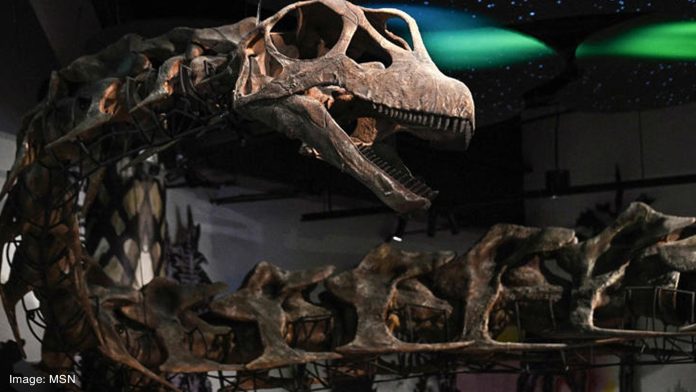
Scientists have identified a new species of giant long-necked dinosaur from fossils discovered in northeastern Thailand, marking the largest dinosaur ever found in Southeast Asia. The species, named Nagatitan chaiyaphumensis, belonged to the sauropod family, massive herbivores known for their extremely long necks and enormous body size.

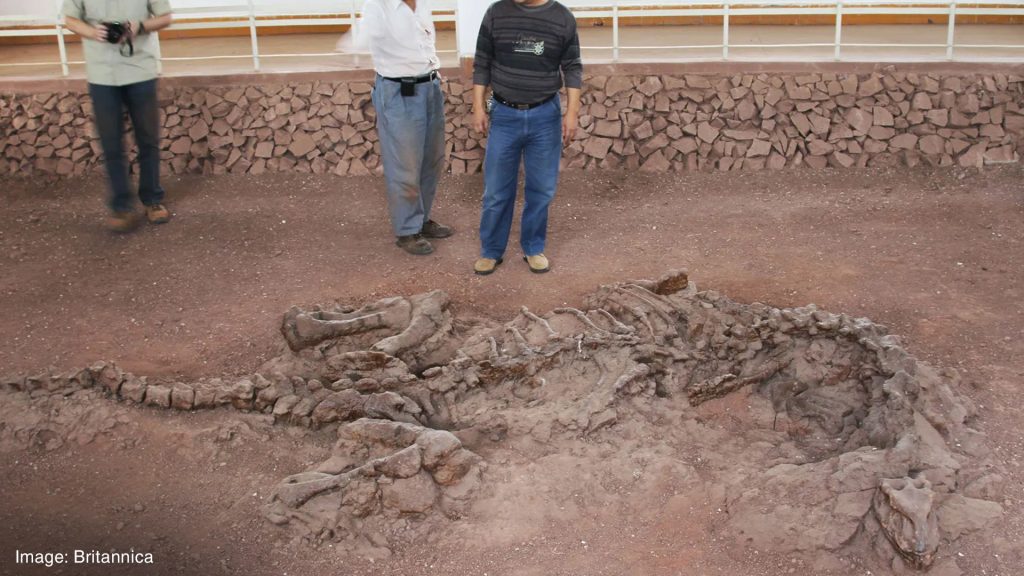
The fossils were originally excavated near a pond in Chaiyaphum province about a decade ago and have now been fully analyzed by a joint research team from the United Kingdom and Thailand. The findings have been published in the journal Scientific Reports.

A 27-Metre, 27-Tonne Giant

Nagatitan is estimated to have measured around 27 metres (88 feet) in length and weighed approximately 27 tonnes — roughly equivalent to nine adult Asian elephants. It lived between 100 and 120 million years ago during the Early Cretaceous period, making it significantly older than species like Tyrannosaurus rex.

Researchers believe it was one of the last giant sauropods to exist in the region, earning it the informal nickname “the last titan” of Thailand.

Why the Dinosaur Was Named “Nagatitan”

The name Nagatitan chaiyaphumensis reflects both mythology and geography. “Naga” refers to serpent-like beings in Southeast Asian folklore, while “titan” comes from Greek mythology, symbolizing immense size and strength. The species name “chaiyaphumensis” refers to Chaiyaphum province, where the fossils were found.

Clues About Ancient Climate Conditions

Scientists say the discovery also provides insight into prehistoric climate conditions. The dinosaur lived during a time when global temperatures and atmospheric carbon dioxide levels were rising.

Experts suggest that sauropods may have thrived in these warmer conditions due to changes in vegetation and ecosystems. However, researchers also note that large-bodied animals face challenges in regulating body temperature, raising questions about how these giants adapted.
Thailand’s Growing Dinosaur Record

Paleontologists say Thailand is becoming one of Asia’s most important regions for dinosaur discoveries. Nagatitan is the 14th dinosaur species formally named in the country, highlighting the region’s rich fossil record.

Experts believe many more discoveries may still be hidden in Southeast Asia’s rock formations, offering further insight into prehistoric ecosystems and evolution.

Sources: BBC News / Reuters / Scientific Reports (Nature) / University College London (UCL)

Giant New Dinosaur Identified in Thailand: “Nagatitan” Was a 27-Tonne Prehistoric Giant

Maryam Tariq

Blsh

A Major Paleontological Discovery in Southeast Asia

Scientists have identified a new species of giant long-necked dinosaur from fossils discovered in northeastern Thailand, marking the largest dinosaur ever found in Southeast Asia. The species, named Nagatitan chaiyaphumensis, belonged to the sauropod family, massive herbivores known for their extremely long necks and enormous body size.

The fossils were originally excavated near a pond in Chaiyaphum province about a decade ago and have now been fully analyzed by a joint research team from the United Kingdom and Thailand. The findings have been published in the journal Scientific Reports.

A 27-Metre, 27-Tonne Giant

Nagatitan is estimated to have measured around 27 metres (88 feet) in length and weighed approximately 27 tonnes — roughly equivalent to nine adult Asian elephants. It lived between 100 and 120 million years ago during the Early Cretaceous period, making it significantly older than species like Tyrannosaurus rex.

Researchers believe it was one of the last giant sauropods to exist in the region, earning it the informal nickname “the last titan” of Thailand.

Why the Dinosaur Was Named “Nagatitan”

The name Nagatitan chaiyaphumensis reflects both mythology and geography. “Naga” refers to serpent-like beings in Southeast Asian folklore, while “titan” comes from Greek mythology, symbolizing immense size and strength. The species name “chaiyaphumensis” refers to Chaiyaphum province, where the fossils were found.

Clues About Ancient Climate Conditions

Scientists say the discovery also provides insight into prehistoric climate conditions. The dinosaur lived during a time when global temperatures and atmospheric carbon dioxide levels were rising.

Experts suggest that sauropods may have thrived in these warmer conditions due to changes in vegetation and ecosystems. However, researchers also note that large-bodied animals face challenges in regulating body temperature, raising questions about how these giants adapted.

Thailand’s Growing Dinosaur Record

Paleontologists say Thailand is becoming one of Asia’s most important regions for dinosaur discoveries. Nagatitan is the 14th dinosaur species formally named in the country, highlighting the region’s rich fossil record.

Experts believe many more discoveries may still be hidden in Southeast Asia’s rock formations, offering further insight into prehistoric ecosystems and evolution.

Sources: BBC News / Reuters / Scientific Reports (Nature) / University College London (UCL)

spot_img

Explore more

spot_img
Global Affairs

FIFA 2026 Controversy:

The Dangerous Rise of Islamophobia

Why Afghanistan and Pakistan Are Fighting

Faith & Politics: How Religion Shapes Conflicts

No Aid, No Food, No Medicine

Trump Says Iran Deal Is Near

Is Democracy A Lie?

 100 DAYS OF WAR