Gulf Uncertainty Raises New Economic Risks For Pakistan
Maryam Tariq
Remittances Show Signs Of Slowing
Growing instability across the Gulf region is beginning to affect Pakistan’s economy, with experts closely watching a possible slowdown in remittances sent by overseas Pakistanis.
Currency market participants say inflows during the Eid period appeared weaker than expected. Remittances are traditionally higher before major religious festivals as overseas workers send additional money home for family expenses and celebrations.
Pakistan recorded remittances of $3.83 billion in March, the highest monthly figure of the fiscal year. However, inflows dropped by nearly $300 million in April, raising concerns about future trends.
UAE Job Concerns Emerge
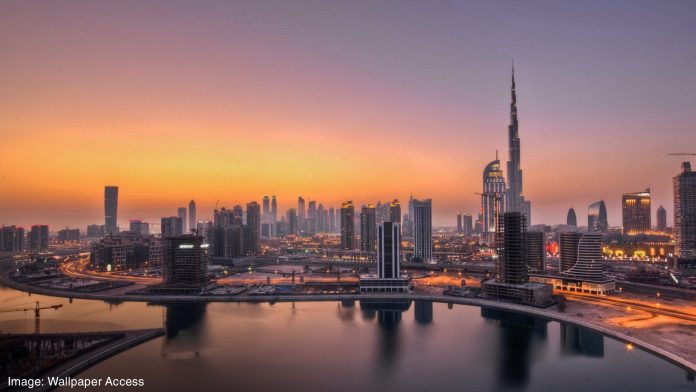
Market experts are also worried about reports suggesting that some Pakistani workers in the United Arab Emirates may be facing job losses.
While official figures are unavailable, business sources say sectors such as tourism and real estate in Dubai have slowed due to ongoing regional tensions. These industries employ large numbers of Pakistani workers.
A prolonged downturn could place additional pressure on overseas employment opportunities and future remittance flows.
Foreign Investment Continues To Fall
Pakistan’s economy is already facing challenges in attracting foreign capital.
During the first ten months of FY26, net foreign direct investment fell by 31 percent. Inflows declined from $2 billion during the same period last year to $1.4 billion.
Meanwhile, equity and bond markets recorded net outflows of nearly $500 million, highlighting investor caution toward emerging markets and Pakistan in particular.
Rising Costs Hurt Competitiveness
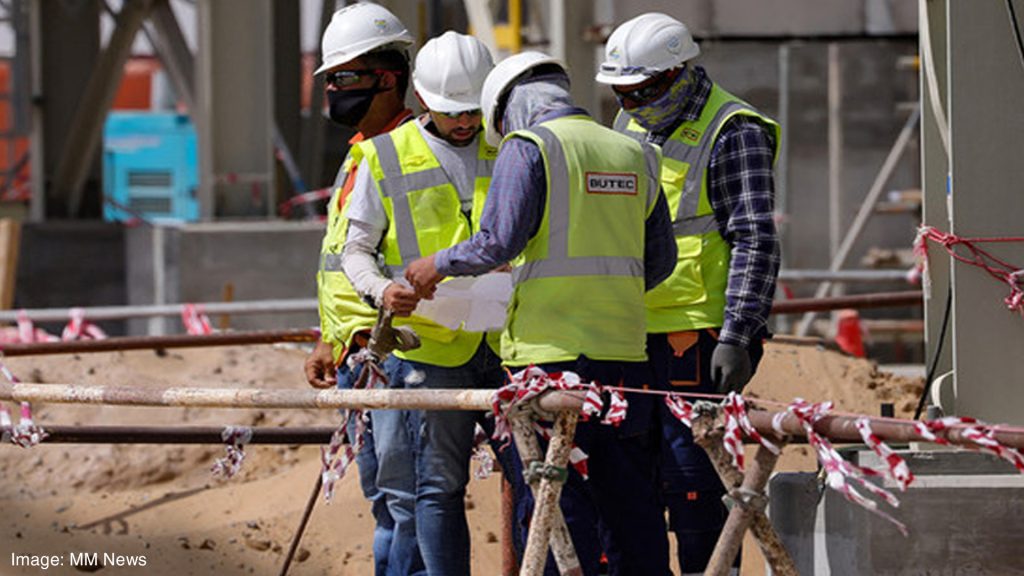
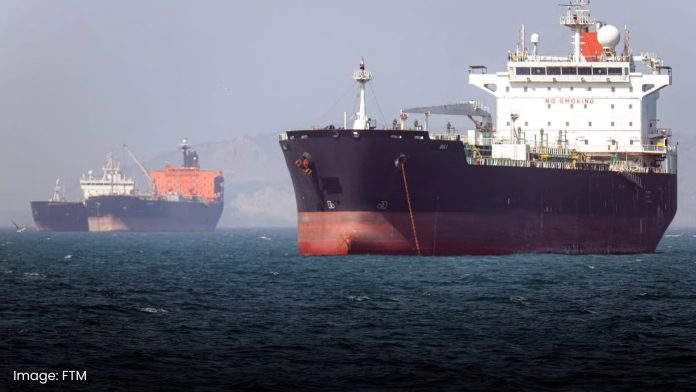
Businesses are also struggling with high energy and fuel costs.
Pakistan currently faces some of the highest petroleum prices in the region, increasing transportation and manufacturing expenses. Higher costs make Pakistani exports less competitive in international markets at a time when global demand remains uncertain.
Why The Gulf Matters So Much
The Gulf region plays a crucial role in Pakistan’s economic stability. Millions of Pakistanis work across the Middle East, and remittances remain the country’s most dependable source of foreign exchange.
Although Pakistan has recently raised funds through Eurobonds and Panda Bonds, experts believe remittances continue to be the backbone of external financing.
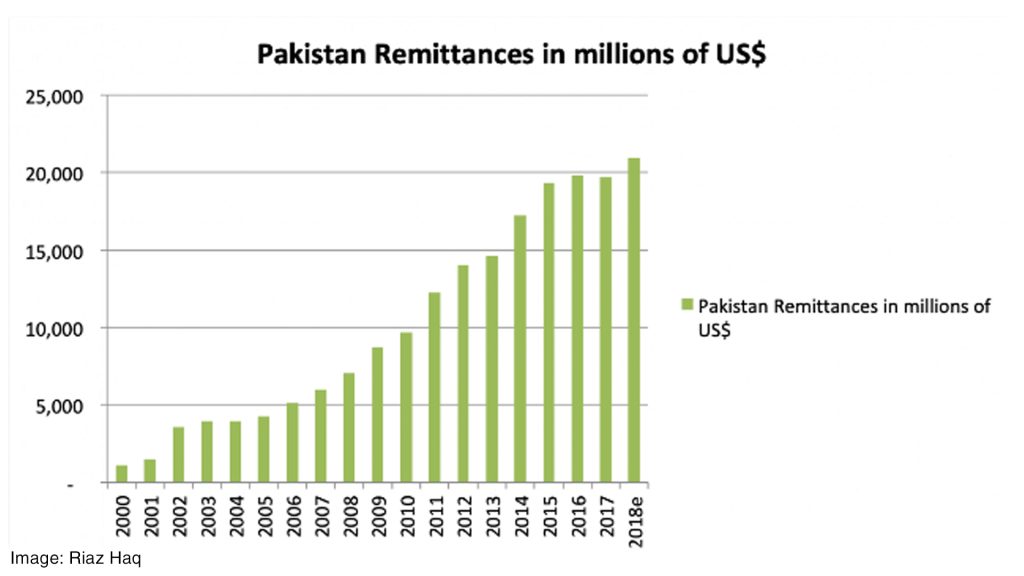
If uncertainty in the Gulf persists, Pakistan could face additional pressure on foreign exchange reserves, employment opportunities abroad, and overall economic growth. Policymakers will be closely monitoring developments as regional tensions continue to evolve.
Sources: Dawn / State Bank of Pakistan / Ministry of Finance Pakistan / Pakistan Bureau of Statistics