Lebanon’s Small Size Magnifies the Human Cost of a Growing Humanitarian Crisis
Maryam Tariq
LEBANON HUMANITARIAN CRISIS
Lebanon is one of the smallest countries in the Middle East, covering just 10,452 square kilometres. Yet the scale of destruction reported during the ongoing conflict has left many observers stunned. As strikes continue across parts of the country, civilians are paying the highest price.
CIVILIAN CASUALTIES AND DISPLACEMENT
According to Lebanese health authorities, more than 3,400 people have been killed and over 10,000 injured. More than 1.1 million people have reportedly been displaced from their homes.
Families from southern Lebanon, the Bekaa Valley, and Beirut’s southern suburbs have been forced to flee, often with little warning. For a nation of roughly 5.9 million people, the displacement figures represent a major humanitarian emergency.
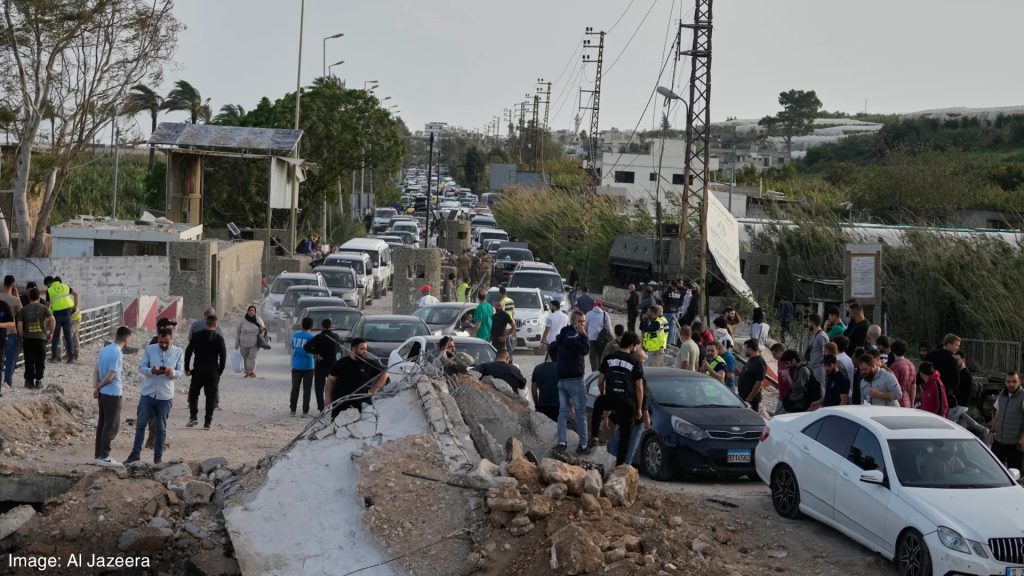
HOSPITALS AND HEALTHCARE UNDER PRESSURE
Medical facilities have faced enormous strain. Reports indicate that healthcare workers have been killed and injured while carrying out emergency duties.
Damage to hospitals and clinics has complicated efforts to treat the wounded. In Tyre, reports described significant damage near Jabal Amel Hospital, highlighting growing concerns about access to healthcare during the conflict.
DESTRUCTION ACROSS A SMALL COUNTRY
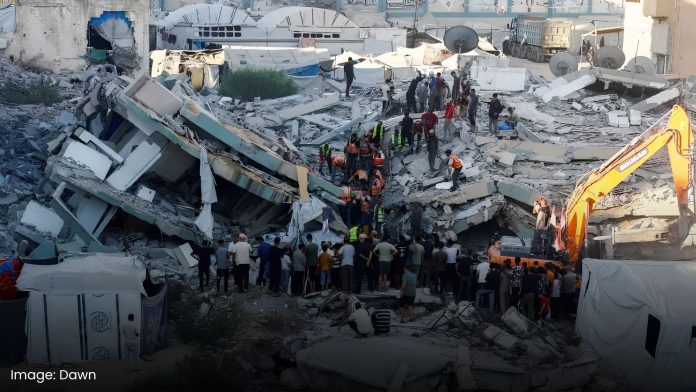
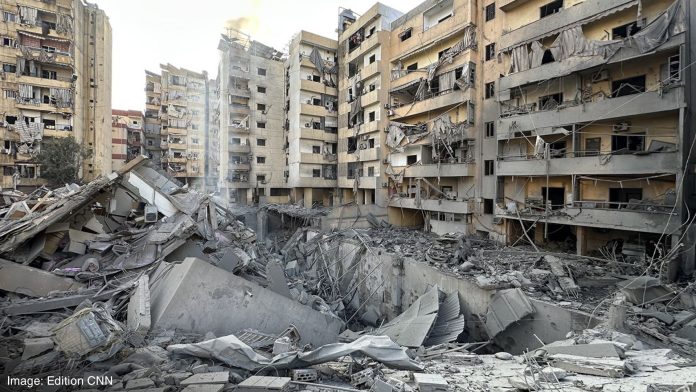
Because Lebanon is geographically compact, destruction in key regions can affect large portions of the population. Entire neighbourhoods have suffered severe damage, while thousands of homes have reportedly been destroyed or rendered uninhabitable.
Environmental groups have also warned about the long term impact of millions of tons of rubble and debris left behind by repeated bombardment.
GAZA COMPARISONS AND INTERNATIONAL CONCERNS
Some international observers and analysts have compared the visible destruction in parts of southern Lebanon to scenes witnessed in Gaza. Human rights organizations continue to call for greater protection of civilians and adherence to international humanitarian law.
At the same time, diplomatic efforts involving Lebanon, Isra*l, the United States, and regional actors continue as negotiators seek ways to reduce violence and prevent a wider regional escalation.
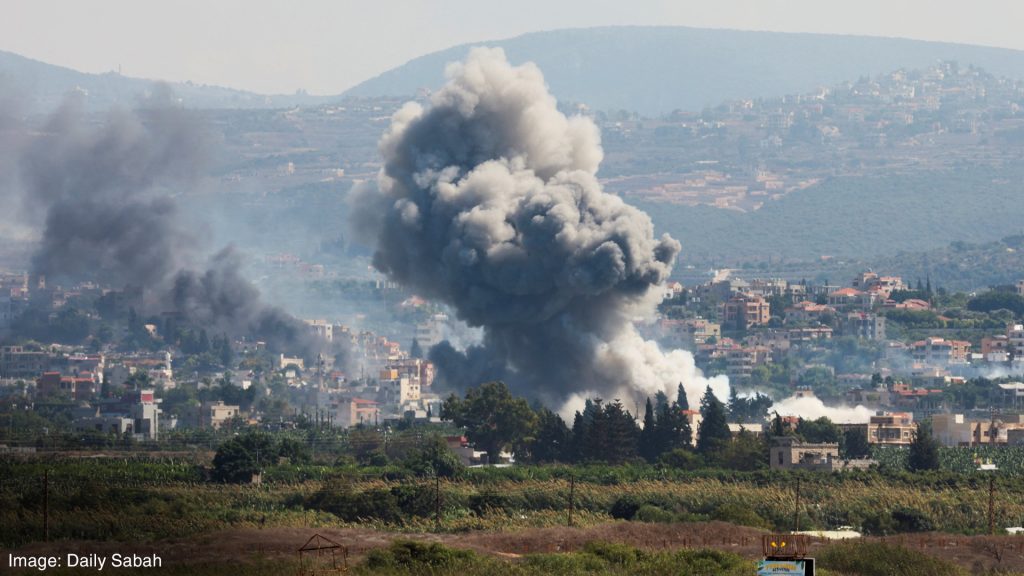
THE HUMAN STORY
Beyond the statistics are countless personal tragedies. Parents searching for safety, children separated from normal life, and communities struggling to rebuild after each new wave of violence.
For many Lebanese families, the conflict is no longer measured in military developments or diplomatic statements. It is measured in homes lost, loved ones buried, and the uncertainty of what tomorrow may bring.
Sources: CNN / Lebanese Ministry of Public Health / United Nations Experts / International Commission of Jurists / Amnesty International / Reuters