Middle East Sky Turns Into War Zone

Middle East Air Defenses Activated Amid Rising US Iran Escalation

Maryam Tariq

Kuwait Missile Interceptions Trigger Regional Alarm

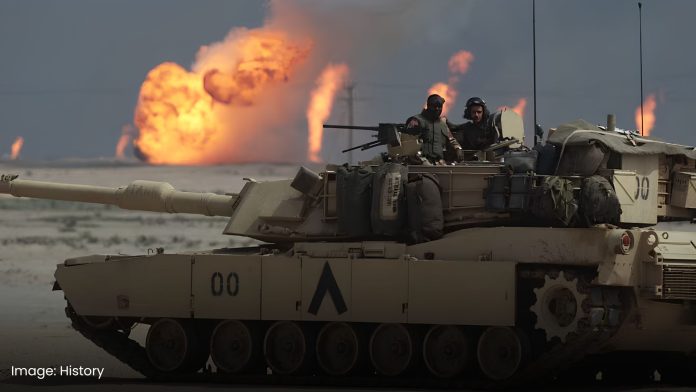
Kuwait activated its air defense systems on May 28 after hostile drones and missiles entered its airspace, according to the Kuwaiti Army’s General Staff. Loud explosions heard across different parts of the country were later confirmed to be interception blasts from defense systems destroying incoming threats.

The military did not officially identify where the attacks originated, but the incident came during a sharp rise in regional tensions involving the United States and Iran.

US Iran Conflict Expands Near Strait of Hormuz

The escalation followed fresh US military strikes linked to Iran near the Strait of Hormuz. A US official stated that American forces targeted a military site believed to threaten commercial maritime traffic and US assets operating in the Gulf region.

Iran’s Islamic Revolutionary Guard Corps later claimed responsibility for retaliatory strikes against a US air base after what it described as attacks conducted near Bandar Abbas airport. The IRGC warned that future responses would become “more decisive” if military actions continue.

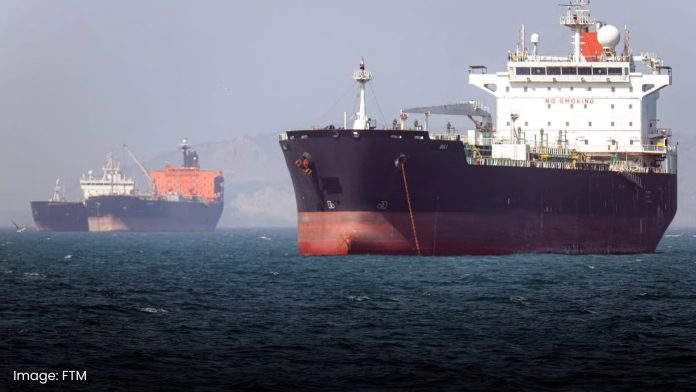
The Strait of Hormuz remains one of the world’s most strategically important waterways, handling almost 20% of global oil shipments every day. Any military instability in the region immediately affects international energy markets and global trade routes.

Oil Prices Rise After Drone and Missile Threats

Global markets reacted quickly after the military escalation. Brent crude oil and West Texas Intermediate futures both climbed more than 3% following reports of missile threats and drone interceptions near Gulf airspace.

Analysts fear that prolonged instability near the Strait of Hormuz could disrupt energy exports from Gulf nations, creating wider economic consequences far beyond the Middle East.

New US Sanctions Increase Pressure on Iran

Alongside the military developments, the US Treasury announced fresh sanctions targeting Iran’s Persian Gulf Strait Authority. Washington accused the authority of financially benefiting the IRGC through transit operations linked to maritime activity in the Strait of Hormuz.

The sanctions increase economic pressure on Tehran while diplomatic negotiations between both sides continue in parallel.

Diplomacy Continues Despite Military Threats

US Secretary of State Marco Rubio stated that talks with Iran are still being given “every chance to succeed,” despite the rising military confrontation. However, both Washington and Tehran signaled that further escalation remains possible if attacks continue.

The situation highlights how rapidly the region can shift from diplomacy to direct military risk within hours.

Sources: Arab News / Associated Press / Reuters / Tasnim News / US Treasury Department
Middle East Air Defenses Activated Amid Rising US Iran Escalation

Maryam Tariq

Kuwait Missile Interceptions Trigger Regional Alarm

Kuwait activated its air defense systems on May 28 after hostile drones and missiles entered its airspace, according to the Kuwaiti Army’s General Staff. Loud explosions heard across different parts of the country were later confirmed to be interception blasts from defense systems destroying incoming threats.

The military did not officially identify where the attacks originated, but the incident came during a sharp rise in regional tensions involving the United States and Iran.

US Iran Conflict Expands Near Strait of Hormuz

The escalation followed fresh US military strikes linked to Iran near the Strait of Hormuz. A US official stated that American forces targeted a military site believed to threaten commercial maritime traffic and US assets operating in the Gulf region.

Iran’s Islamic Revolutionary Guard Corps later claimed responsibility for retaliatory strikes against a US air base after what it described as attacks conducted near Bandar Abbas airport. The IRGC warned that future responses would become “more decisive” if military actions continue.

The Strait of Hormuz remains one of the world’s most strategically important waterways, handling almost 20% of global oil shipments every day. Any military instability in the region immediately affects international energy markets and global trade routes.

Oil Prices Rise After Drone and Missile Threats

Global markets reacted quickly after the military escalation. Brent crude oil and West Texas Intermediate futures both climbed more than 3% following reports of missile threats and drone interceptions near Gulf airspace.

Analysts fear that prolonged instability near the Strait of Hormuz could disrupt energy exports from Gulf nations, creating wider economic consequences far beyond the Middle East.

New US Sanctions Increase Pressure on Iran

Alongside the military developments, the US Treasury announced fresh sanctions targeting Iran’s Persian Gulf Strait Authority. Washington accused the authority of financially benefiting the IRGC through transit operations linked to maritime activity in the Strait of Hormuz.

The sanctions increase economic pressure on Tehran while diplomatic negotiations between both sides continue in parallel.

Diplomacy Continues Despite Military Threats

US Secretary of State Marco Rubio stated that talks with Iran are still being given “every chance to succeed,” despite the rising military confrontation. However, both Washington and Tehran signaled that further escalation remains possible if attacks continue.

The situation highlights how rapidly the region can shift from diplomacy to direct military risk within hours.

Sources: Arab News / Associated Press / Reuters / Tasnim News / US Treasury Department
spot_img

Explore more

spot_img
Global Affairs

Two Ceasefires At Risk

How Eid becomes a global diplomacy moment 

While some celebrate Eid… others survive it

The Universe Responded After We Sent the First Signal

Your Brain Is Not Deciding What Goes Viral

War Destroys Civilians Before It Ends Nations

The Countries Paying the Highest Price for Climate Change

Messi Exits MLS Game in Injury Scare Ahead of World Cup