Maryam Tariq
SpaceX halted the launch of its newest and biggest Starship rocket just seconds before liftoff after technical issues affected the launch system at Starbase in Texas.
The massive rocket was preparing for its 12th test flight when the countdown suddenly stopped less than 30 seconds before launch. According to SpaceX CEO Elon Musk, a hydraulic pin connected to the launch tower arm failed to retract properly, forcing engineers to cancel the attempt.
Biggest Starship Rocket Yet Built by SpaceX
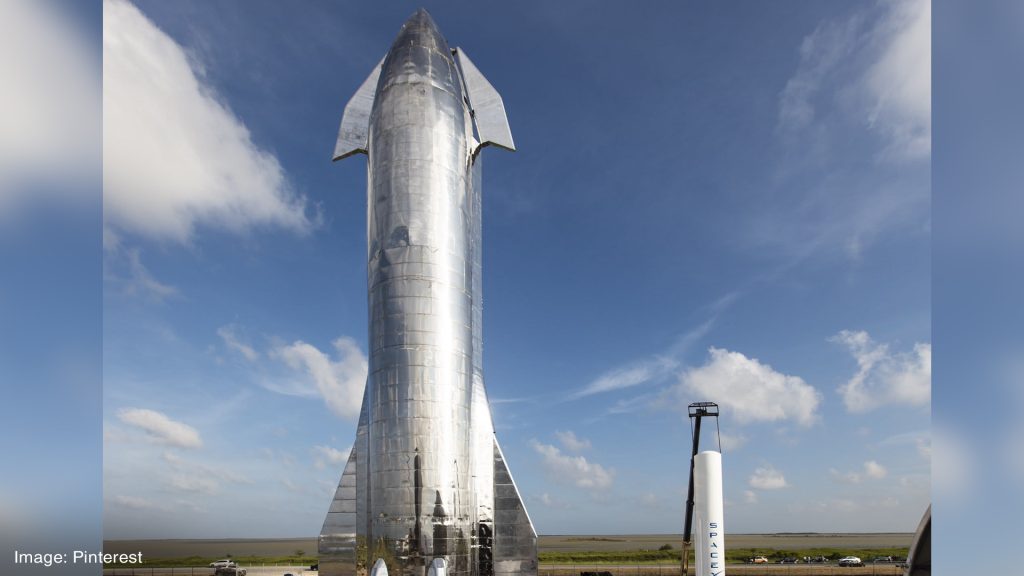
The latest Starship stands about 407 feet tall, making it one of the largest and most powerful rockets ever developed. SpaceX planned for the rocket to complete a space skimming flight halfway around the world before ending with a controlled splashdown in the Indian Ocean.
The mission also included 20 mock Starlink satellites that were supposed to be deployed during the flight as part of future operational testing.
NASA Moon Mission Plans Depend on Starship
The importance of Starship goes far beyond commercial launches. NASA is relying on this spacecraft design for future Artemis moon missions that aim to return astronauts to the lunar surface in the coming years.
Because of this, every Starship test flight is closely watched by the global space industry and government space agencies.
Tiny Engineering Problems Can Stop Giant Missions
Although the rocket itself appeared ready, the launch delay highlighted the extreme complexity of modern space systems. A small mechanical failure in the launch tower infrastructure was enough to stop the mission entirely.
SpaceX said another launch attempt could happen soon if engineers resolve the issue quickly.
SpaceX Continues Expanding Its Space Ambitions
The launch attempt also came shortly after Elon Musk announced plans to take SpaceX public. As the company pushes toward larger rockets and long distance missions, Starship remains central to ambitions involving the Moon, Mars, and future global satellite systems.
The delay may be temporary, but it also showed how difficult and high risk next generation space exploration remains.Sources: Associated Press / SpaceX / NASA