The Ceasefire Is Dead. But Who Actually Killed It?

The US Says Iran Broke the Ceasefire. Iran Says the US Never Really Honored It. Here Is What the Evidence Actually Shows.

Isla Montclair

Three tankers hit. Eighty targets struck. A ceasefire declared over in a single morning. Both Washington and Tehran have an explanation for how we got here. A close reading of what the Islamabad MOU actually said suggests the truth is considerably more uncomfortable for both sides, but particularly for one.

The Day the Ceasefire Died

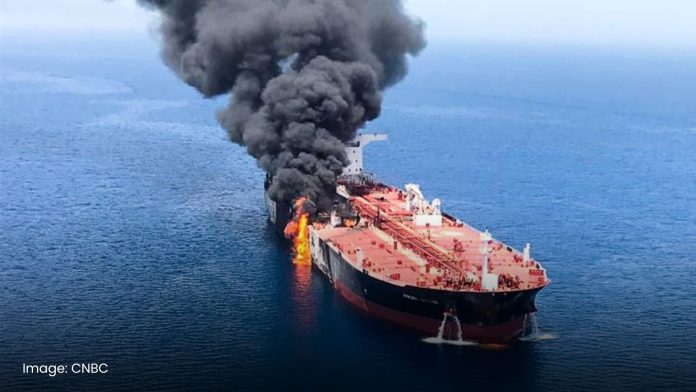
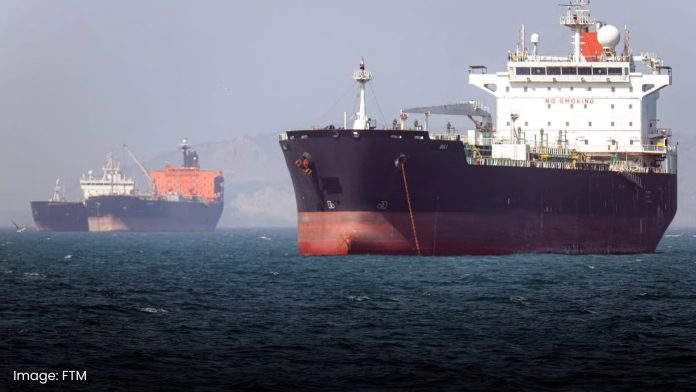
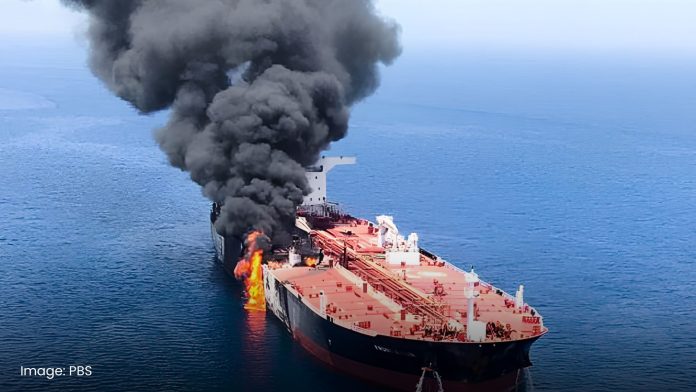
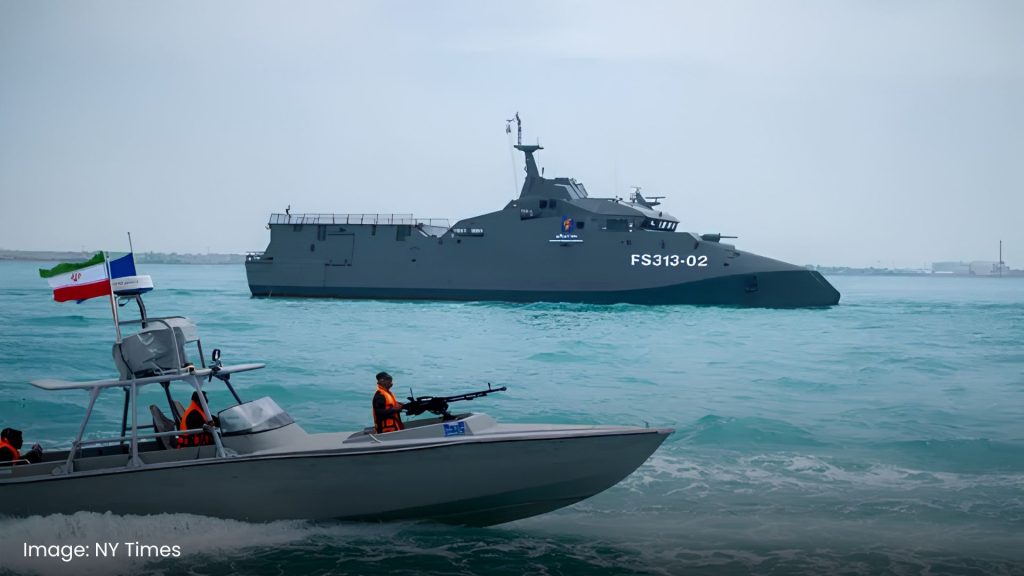
On the night of July 7 into the early hours of July 8, three commercial vessels were struck by projectiles in the Strait of Hormuz. Among them were a Qatari-owned LNG tanker and a Saudi vessel. The United States, without waiting for any formal attribution process, launched a wave of retaliatory strikes against more than 80 targets across southern Iran, hitting sites in and around Sirik, Qeshm and Bandar Abbas. Iran responded by striking American military bases in Bahrain and Kuwait.

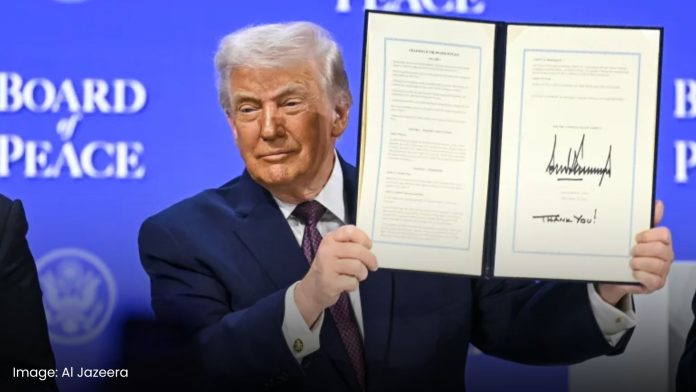
By Wednesday morning, US President Donald Trump was at the NATO summit in Ankara telling reporters that the ceasefire was, as far as he was concerned, over. He called Iran’s leaders “sick” and said it was “a waste of time dealing with them.” Oil prices jumped 5.3% within hours, with Brent crude hitting $78.09 a barrel. The Islamabad Memorandum of Understanding, signed with considerable fanfare in June 2026 as a landmark step toward regional peace, had lasted less than three weeks.
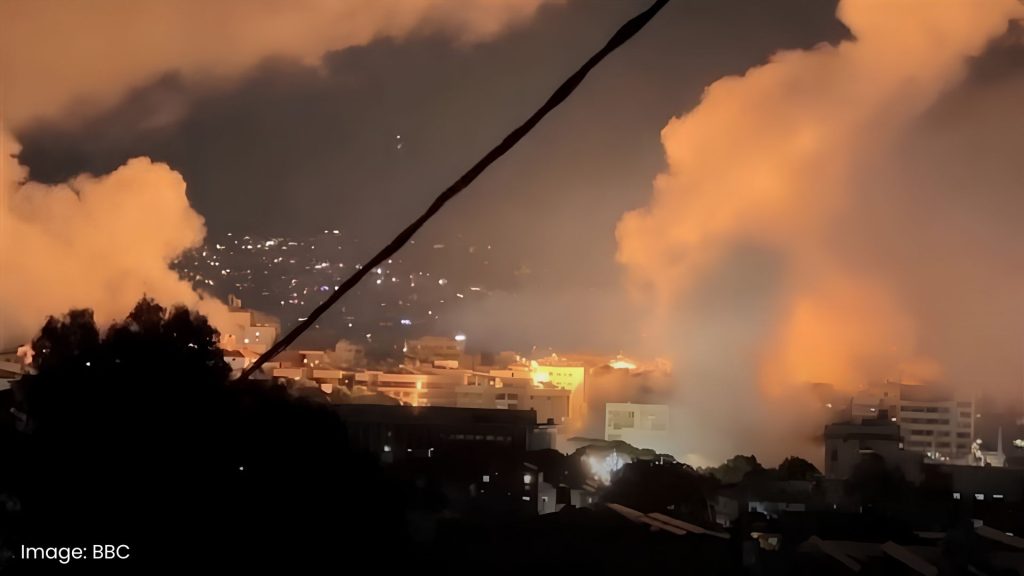
The question of who bears responsibility for that collapse is not as simple as either government wants it to appear.

The US Argument and Why It Has Intuitive Appeal

Washington’s position is straightforward. Iran attacked commercial shipping in a waterway that the Islamabad MOU had specifically committed Iran to keeping open. The MOU’s fifth point required Iran to ensure safe passage for commercial vessels through the Strait of Hormuz, with full traffic restored within 30 days. Attacking tankers in that same waterway is, on its face, a direct contradiction of that commitment.

NATO Secretary General Mark Rutte reinforced this framing at the Ankara summit, sitting alongside Trump and telling reporters that the US response was “absolutely necessary” and adding directly: “I’m with you on this.” The EU’s foreign affairs chief Kaja Kallas condemned Iran’s actions in the strait, though she notably stopped short of endorsing the US strikes, warning they further complicated peace talks.

The US argument has a clear logic. You signed a deal. The deal required you to keep ships safe. Ships were attacked. You broke the deal.

Iran’s Argument and Why It Deserves More Scrutiny Than It Has Received

Iran’s position is more legalistic but, on close reading of the MOU, not without foundation.

The Islamabad MOU’s fifth point did commit Iran to arranging safe passage for commercial vessels through the Strait. But it also specified that Iran would conduct dialogue with the Sultanate of Oman to define the future administration and maritime services in the Strait in discussion with other Persian Gulf littoral states in line with applicable international law and the sovereign rights of coastal states. In other words, the MOU explicitly acknowledged Iran’s sovereign rights over the waterway and established that its administration was to be determined through a process that had not yet concluded.

Iran’s Foreign Ministry argued that the US Navy breached the MOU by attempting to unilaterally open new sea lanes through the strait without seeking Iranian permission, and that it was escorting commercial vessels through Iranian-controlled waters on its own authority without any agreed coordination mechanism in place. Iranian state media reported that the targeted ships had ignored multiple radio warnings from the Islamic Revolutionary Guard Corps before they were struck.

Iran’s Central Command announced publicly that “the only safe route for the passage of commercial ships is the route determined by the Islamic Republic of Iran,” framing the incident not as an attack on the ceasefire but as an enforcement of the sovereign maritime authority the MOU had arguably recognised.

Iran’s chief negotiator Mohammad Bagher Ghalibaf stated that the era of “bullying and extortion” by the West was over, framing the escalation as an act of national dignity at a moment of particular sensitivity, coinciding with the state funeral of the late Supreme Leader Ayatollah Ali Khamenei.

The Reading of the MOU That Neither Side Wants to Highlight

Here is where the analysis gets uncomfortable. The Islamabad MOU gave Iran authority to manage shipping through the Strait for the duration of the negotiating period. The US then sent its own navy to escort commercial vessels through the same waterway, apparently without Iranian permission or coordination. If Iran’s account is accurate, the US was already operating outside the terms of the agreement it had signed before the first tanker was struck.

This does not justify attacking civilian commercial vessels. Whatever maritime authority Iran claims over the Strait, striking a Qatari LNG tanker and a Saudi ship is a serious escalation with serious consequences for global energy supply. But it does complicate the clean narrative that Iran simply woke up one morning and decided to blow up the ceasefire for no reason.

A ceasefire framework that gave Iran formal authority over the world’s most important oil shipping lane, while the US simultaneously maintained a naval presence that it was using to escort ships through that lane on its own terms, was structurally contradictory from the moment it was signed. Two competing claims of authority over the same 33-kilometre-wide waterway was always going to produce exactly this kind of collision. The question was never whether it would happen. It was when and over what specific incident.

What Comes Next and Why It Matters

Trump revoked Iran’s oil export licence alongside the military strikes, reimposing the economic pressure that the MOU had suspended. The 60-day negotiating window the MOU had opened is now, by Trump’s own declaration, closed. Iran has struck US bases in Bahrain and Kuwait. Both sides have demonstrated they are willing to exchange military blows.

The geopolitical consequences extend well beyond the Persian Gulf. Oil prices at $78 a barrel on the back of a single night’s escalation demonstrate how directly this conflict affects every economy on earth. The NATO summit that European leaders had planned around Ukraine and defence spending has been consumed entirely by a Middle East crisis that European nations had no hand in creating and no institutional role in managing.

The narrative that Iran simply violated a ceasefire and the US had no choice but to respond is the easier story to tell. It is also the incomplete one. The MOU contained the seeds of this confrontation in its own text. Understanding that is not about defending Iran’s decision to strike commercial ships. It is about understanding why a deal that looked like peace in June was always going to struggle to survive contact with the geography it was trying to govern.

Sources:

Inanc

Trump says MOU to end Iran war is over, Al Jazeera: https://www.aljazeera.com/news/2026/7/8/trump-says-mou-to-end-iran-war-is-over

Trump says ceasefire with Iran is over, calls it a waste of time dealing with them, CBS News: https://www.cbsnews.com/live-updates/iran-us-war-strait-of-hormuz-trump-nato/

Trump says Iran ceasefire is over after new attacks, NBC News: https://www.nbcnews.com/news/world/trump-iran-ceasefire-over-attacks-strait-hormuz-rcna354001

New US Attacks on Iran Were Absolutely Necessary, NATO Chief Says, Asharq Al Awsat: https://english.aawsat.com/world/5208031-new-us-attacks-iran-were-absolutely-necessary-nato-chief-says

Iran-US war latest: Ceasefire is over says Trump, The Telegraph: https://www.telegraph.co.uk/world-news/2026/07/08/iran-us-war-latest-ceasefire-trump-nato/

US-Iran war Strait of Hormuz Trump NATO live updates, BBC News: https://www.bbc.com/news/live/world-us-canada

Iran justifies Strait of Hormuz actions, Iranian state broadcaster via Al Jazeera: https://www.aljazeera.com/news/2026/7/8/iran-strait-of-hormuz-justification

The US Says Iran Broke the Ceasefire. Iran Says the US Never Really Honored It. Here Is What the Evidence Actually Shows.

Isla Montclair

Three tankers hit. Eighty targets struck. A ceasefire declared over in a single morning. Both Washington and Tehran have an explanation for how we got here. A close reading of what the Islamabad MOU actually said suggests the truth is considerably more uncomfortable for both sides, but particularly for one.

The Day the Ceasefire Died

On the night of July 7 into the early hours of July 8, three commercial vessels were struck by projectiles in the Strait of Hormuz. Among them were a Qatari-owned LNG tanker and a Saudi vessel. The United States, without waiting for any formal attribution process, launched a wave of retaliatory strikes against more than 80 targets across southern Iran, hitting sites in and around Sirik, Qeshm and Bandar Abbas. Iran responded by striking American military bases in Bahrain and Kuwait.

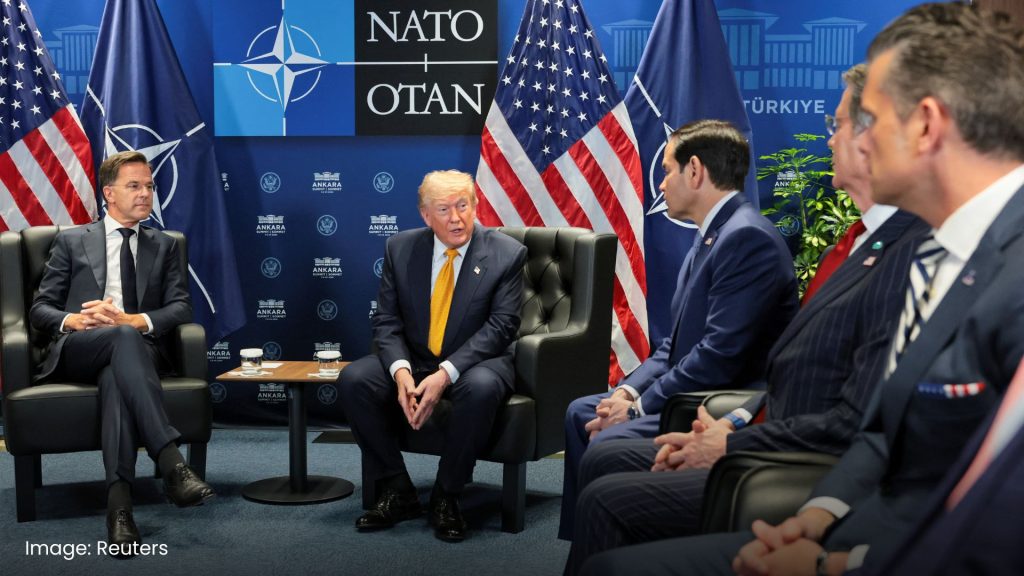
By Wednesday morning, US President Donald Trump was at the NATO summit in Ankara telling reporters that the ceasefire was, as far as he was concerned, over. He called Iran’s leaders “sick” and said it was “a waste of time dealing with them.” Oil prices jumped 5.3% within hours, with Brent crude hitting $78.09 a barrel. The Islamabad Memorandum of Understanding, signed with considerable fanfare in June 2026 as a landmark step toward regional peace, had lasted less than three weeks.
The question of who bears responsibility for that collapse is not as simple as either government wants it to appear.

The US Argument and Why It Has Intuitive Appeal

Washington’s position is straightforward. Iran attacked commercial shipping in a waterway that the Islamabad MOU had specifically committed Iran to keeping open. The MOU’s fifth point required Iran to ensure safe passage for commercial vessels through the Strait of Hormuz, with full traffic restored within 30 days. Attacking tankers in that same waterway is, on its face, a direct contradiction of that commitment.

NATO Secretary General Mark Rutte reinforced this framing at the Ankara summit, sitting alongside Trump and telling reporters that the US response was “absolutely necessary” and adding directly: “I’m with you on this.” The EU’s foreign affairs chief Kaja Kallas condemned Iran’s actions in the strait, though she notably stopped short of endorsing the US strikes, warning they further complicated peace talks.

The US argument has a clear logic. You signed a deal. The deal required you to keep ships safe. Ships were attacked. You broke the deal.

Iran’s Argument and Why It Deserves More Scrutiny Than It Has Received

Iran’s position is more legalistic but, on close reading of the MOU, not without foundation.

The Islamabad MOU’s fifth point did commit Iran to arranging safe passage for commercial vessels through the Strait. But it also specified that Iran would conduct dialogue with the Sultanate of Oman to define the future administration and maritime services in the Strait in discussion with other Persian Gulf littoral states in line with applicable international law and the sovereign rights of coastal states. In other words, the MOU explicitly acknowledged Iran’s sovereign rights over the waterway and established that its administration was to be determined through a process that had not yet concluded.

Iran’s Foreign Ministry argued that the US Navy breached the MOU by attempting to unilaterally open new sea lanes through the strait without seeking Iranian permission, and that it was escorting commercial vessels through Iranian-controlled waters on its own authority without any agreed coordination mechanism in place. Iranian state media reported that the targeted ships had ignored multiple radio warnings from the Islamic Revolutionary Guard Corps before they were struck.

Iran’s Central Command announced publicly that “the only safe route for the passage of commercial ships is the route determined by the Islamic Republic of Iran,” framing the incident not as an attack on the ceasefire but as an enforcement of the sovereign maritime authority the MOU had arguably recognised.

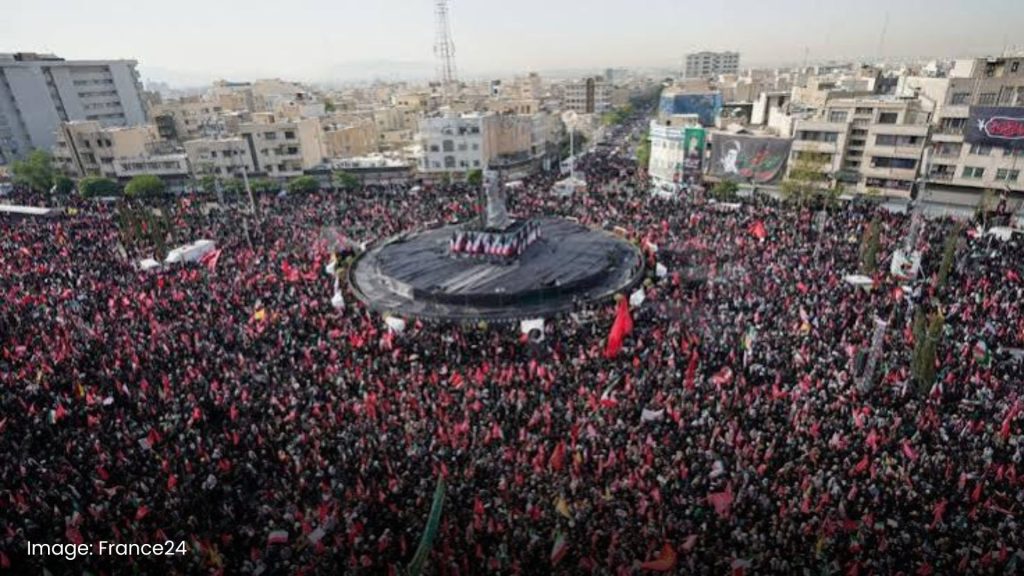
Iran’s chief negotiator Mohammad Bagher Ghalibaf stated that the era of “bullying and extortion” by the West was over, framing the escalation as an act of national dignity at a moment of particular sensitivity, coinciding with the state funeral of the late Supreme Leader Ayatollah Ali Khamenei.

The Reading of the MOU That Neither Side Wants to Highlight

Here is where the analysis gets uncomfortable. The Islamabad MOU gave Iran authority to manage shipping through the Strait for the duration of the negotiating period. The US then sent its own navy to escort commercial vessels through the same waterway, apparently without Iranian permission or coordination. If Iran’s account is accurate, the US was already operating outside the terms of the agreement it had signed before the first tanker was struck.
This does not justify attacking civilian commercial vessels. Whatever maritime authority Iran claims over the Strait, striking a Qatari LNG tanker and a Saudi ship is a serious escalation with serious consequences for global energy supply. But it does complicate the clean narrative that Iran simply woke up one morning and decided to blow up the ceasefire for no reason.

A ceasefire framework that gave Iran formal authority over the world’s most important oil shipping lane, while the US simultaneously maintained a naval presence that it was using to escort ships through that lane on its own terms, was structurally contradictory from the moment it was signed. Two competing claims of authority over the same 33-kilometre-wide waterway was always going to produce exactly this kind of collision. The question was never whether it would happen. It was when and over what specific incident.

What Comes Next and Why It Matters

Trump revoked Iran’s oil export licence alongside the military strikes, reimposing the economic pressure that the MOU had suspended. The 60-day negotiating window the MOU had opened is now, by Trump’s own declaration, closed. Iran has struck US bases in Bahrain and Kuwait. Both sides have demonstrated they are willing to exchange military blows.

The geopolitical consequences extend well beyond the Persian Gulf. Oil prices at $78 a barrel on the back of a single night’s escalation demonstrate how directly this conflict affects every economy on earth. The NATO summit that European leaders had planned around Ukraine and defence spending has been consumed entirely by a Middle East crisis that European nations had no hand in creating and no institutional role in managing.
The narrative that Iran simply violated a ceasefire and the US had no choice but to respond is the easier story to tell. It is also the incomplete one. The MOU contained the seeds of this confrontation in its own text. Understanding that is not about defending Iran’s decision to strike commercial ships. It is about understanding why a deal that looked like peace in June was always going to struggle to survive contact with the geography it was trying to govern.

Sources:

Inanc

Trump says MOU to end Iran war is over, Al Jazeera: https://www.aljazeera.com/news/2026/7/8/trump-says-mou-to-end-iran-war-is-over

Trump says ceasefire with Iran is over, calls it a waste of time dealing with them, CBS News: https://www.cbsnews.com/live-updates/iran-us-war-strait-of-hormuz-trump-nato/

Trump says Iran ceasefire is over after new attacks, NBC News: https://www.nbcnews.com/news/world/trump-iran-ceasefire-over-attacks-strait-hormuz-rcna354001

New US Attacks on Iran Were Absolutely Necessary, NATO Chief Says, Asharq Al Awsat: https://english.aawsat.com/world/5208031-new-us-attacks-iran-were-absolutely-necessary-nato-chief-says

Iran-US war latest: Ceasefire is over says Trump, The Telegraph: https://www.telegraph.co.uk/world-news/2026/07/08/iran-us-war-latest-ceasefire-trump-nato/

US-Iran war Strait of Hormuz Trump NATO live updates, BBC News: https://www.bbc.com/news/live/world-us-canada

Iran justifies Strait of Hormuz actions, Iranian state broadcaster via Al Jazeera: https://www.aljazeera.com/news/2026/7/8/iran-strait-of-hormuz-justification
spot_img

Explore more

spot_img
Global Affairs

Foreign Countries Are Fueling Myanmar’s War for Their Own Benefit

What Are the US and Iran Actually Negotiating Through Oman

UN Official Calls West Bank Attacks “Pogroms,” Wants Weapons Ban on...

UN Rights Chief Wins Second Term, But the US, Israel and...

A Super El Nino Could Cost the World Up to 7...

Trump to Use Frozen Iranian Money, Worth Billions, to Pay for...

Iran Rejects New US Ceasefire Offer, Says It Rejected a Broken...