The Iran War Is Now Hitting American Wallets

The Economic Blowback Of The Iran War

War Costs Are Rising Fast

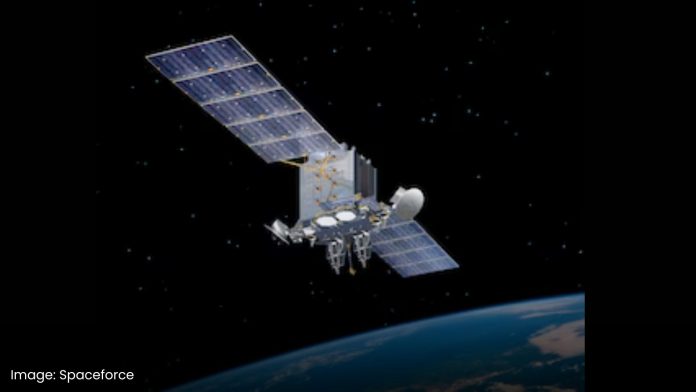
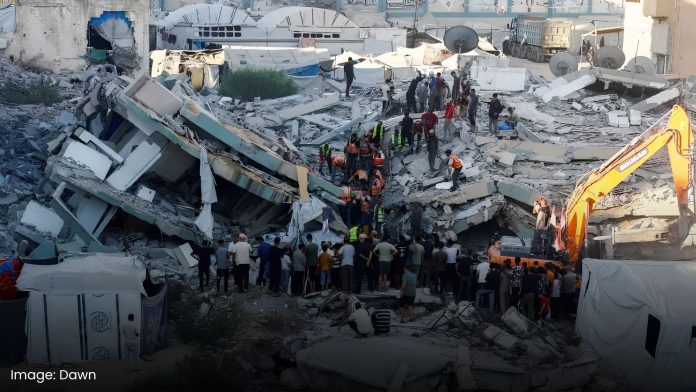
The United States’ war on Iran is becoming increasingly expensive — not only militarily, but economically as well. According to recent Pentagon estimates, the conflict has now cost around $29 billion, with expenses continuing to rise due to operational deployments, damaged equipment, and replacement costs.

What began as a regional military escalation is now creating wider economic consequences that are being felt far beyond the battlefield.

Inflation And Fuel Prices Surge

At the same time, US inflation climbed to 3.8% in April 2026, reaching its highest level in three years. Rising fuel and energy prices are being seen as major contributors to the increase.

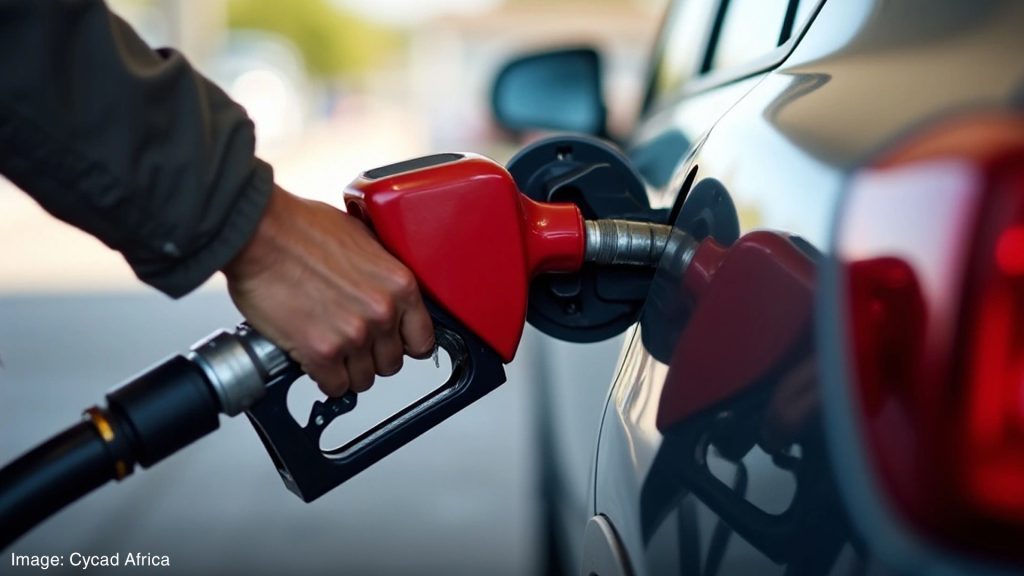
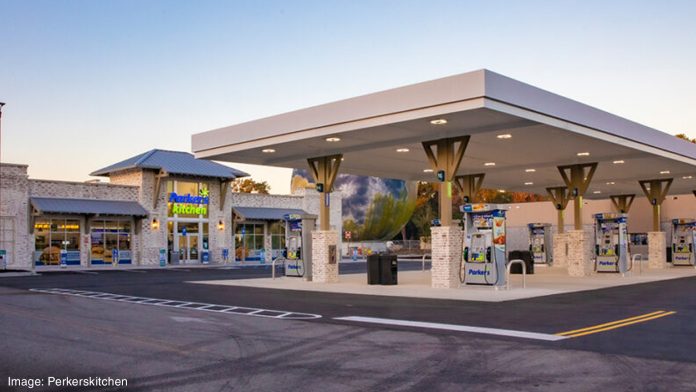
Reports suggest petrol prices in the US are now roughly 40% higher than they were in February, while diesel and jet fuel prices have surged even further.

The conflict has also disrupted shipping and trade routes in the region. Dozens of commercial vessels have reportedly been diverted due to naval tensions and security concerns, increasing transportation and energy costs globally.

The Real Cost Of Modern Wars

Modern conflicts no longer remain isolated to distant frontlines. Wars today quickly spread into global supply chains, energy markets, inflation rates, and everyday living costs.

For ordinary people, the impact appears not through military briefings — but through higher prices at fuel stations, rising bills, and growing economic pressure.

The Iran conflict is becoming another reminder that geopolitical wars and economic stability are now deeply connected.

Sources: ·  Dawn \ Pentagon (US Department of Defense)
The Economic Blowback Of The Iran War

War Costs Are Rising Fast

The United States’ war on Iran is becoming increasingly expensive — not only militarily, but economically as well. According to recent Pentagon estimates, the conflict has now cost around $29 billion, with expenses continuing to rise due to operational deployments, damaged equipment, and replacement costs.

What began as a regional military escalation is now creating wider economic consequences that are being felt far beyond the battlefield.

Inflation And Fuel Prices Surge

At the same time, US inflation climbed to 3.8% in April 2026, reaching its highest level in three years. Rising fuel and energy prices are being seen as major contributors to the increase.

Reports suggest petrol prices in the US are now roughly 40% higher than they were in February, while diesel and jet fuel prices have surged even further.

The conflict has also disrupted shipping and trade routes in the region. Dozens of commercial vessels have reportedly been diverted due to naval tensions and security concerns, increasing transportation and energy costs globally.

The Real Cost Of Modern Wars

Modern conflicts no longer remain isolated to distant frontlines. Wars today quickly spread into global supply chains, energy markets, inflation rates, and everyday living costs.

For ordinary people, the impact appears not through military briefings — but through higher prices at fuel stations, rising bills, and growing economic pressure.

The Iran conflict is becoming another reminder that geopolitical wars and economic stability are now deeply connected.

Sources: ·  Dawn \ Pentagon (US Department of Defense)
spot_img

Explore more

spot_img
Global Affairs

Middle East Conflict

World Cup 2026

India’s Protest

Alien Conspiracy Theories

FIFA 2026 Controversy:

The Dangerous Rise of Islamophobia

Why Afghanistan and Pakistan Are Fighting

Faith & Politics: How Religion Shapes Conflicts